Sparrows Point, 10 or so miles south-east of downtown Baltimore, used to be known as one of America’s industrial heartlands. It was home to the world’s largest steel mill, run by a company called Bethlehem Steel, producing metal for major infrastructure including the Empire State Building and Golden Gate Bridge, and building hundreds of ships.
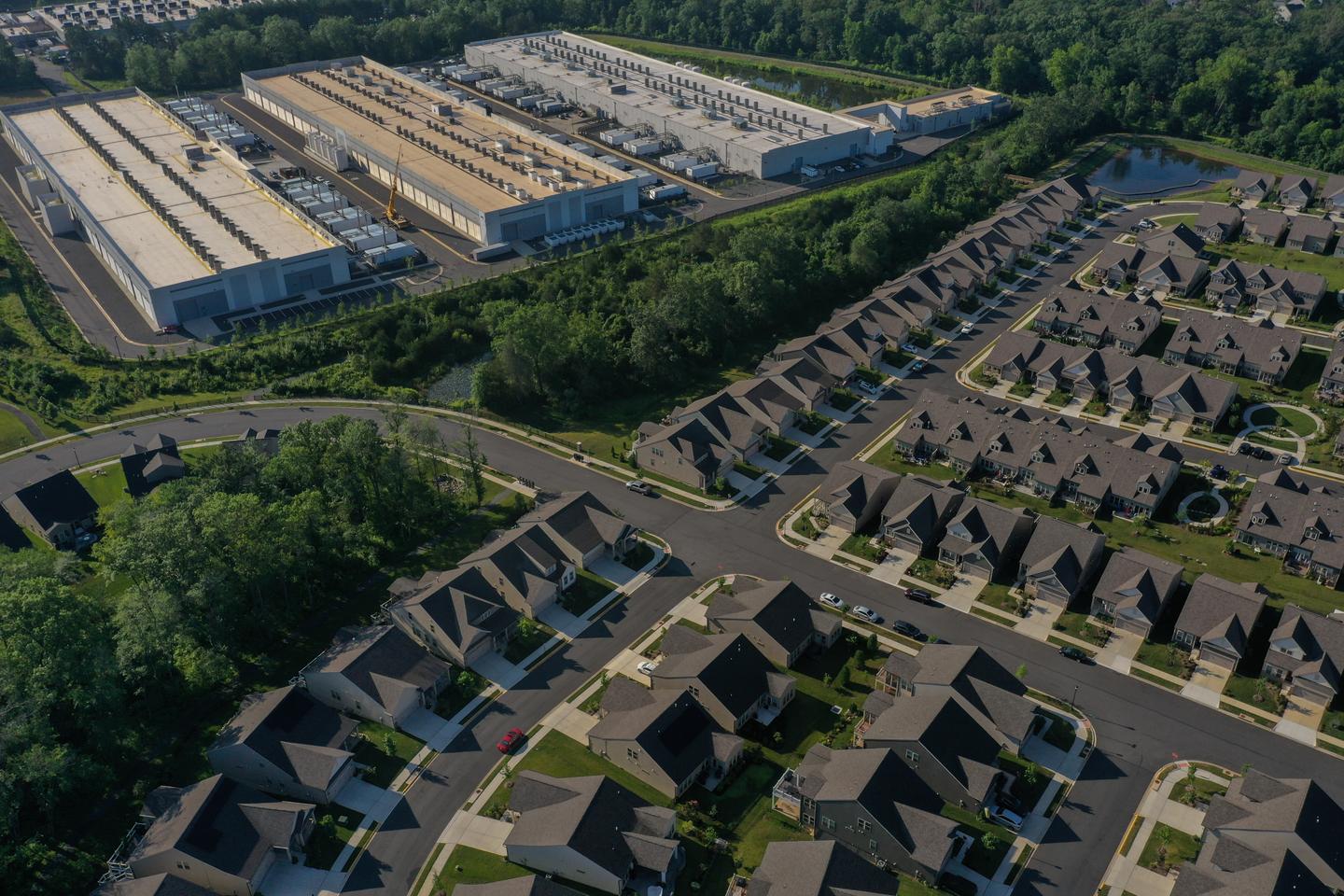
Today, though, it’s a huge port and distribution centre for Amazon – and other firms – to distribute items to the world. The landscape is still industrial, but is dotted with vast warehouses, massive logistics sheds, access roads and rail connections.
While steelmaking was dirty, dangerous and incredibly tough on its workers, the Sparrows Point community felt a sense of belonging, pride in its heritage and ownership over their future through union jobs. Now, workers at this big box venue are asked to meet the tempo of modern online retail: scanning, picking, packing, stowing and moving goods in time for the customer who expects a product to appear at their door in a day, or even the same afternoon.
That premise – the speed of which the company operates – has become one of the most contentious parts of the Amazon economy. A US Senate investigation published in December 2024 alleged that Amazon’s “speed requirements” made safety procedures “nearly impossible to follow”, while California regulators fined Amazon $5.9m in 2024 for failing to properly disclose productivity quotas at two warehouses. Amazon disputed the allegations and appealed the ruling.