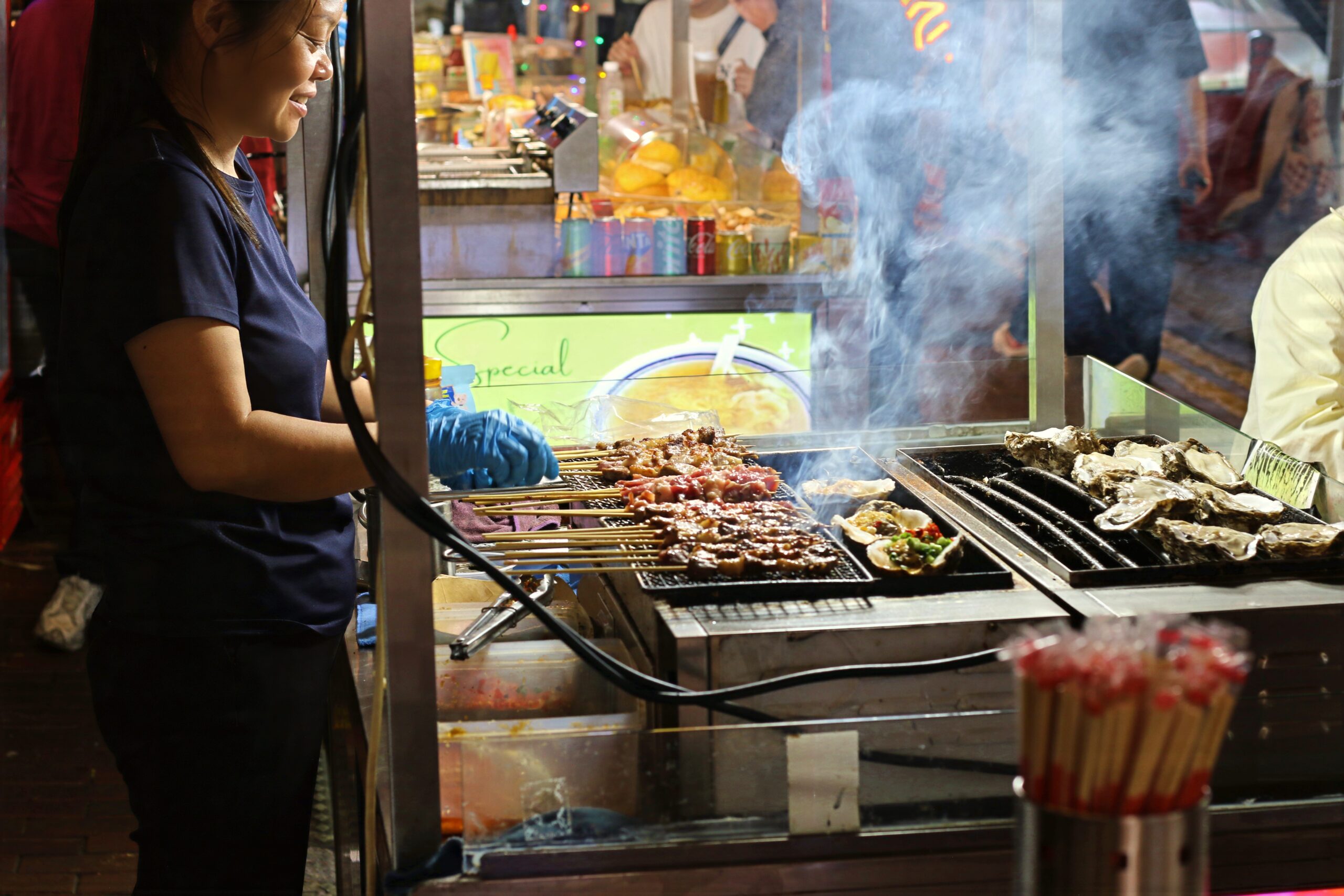
For many in Hong Kong, the term dai pai dong evokes memories of fiery woks and street-side meals shared with family and friends.These open-air food stalls are an integral part of Hong Kong’s culinary tradition, the name, dai pai dong, translating as “big licence stall” in Cantonese, in reference to the large government-issued licences vendors were required to display on their stalls back in the 1950s and 60s.Over the decades, the stalls have become synonymous with a lively, no-frills atmosphere and authentic Cantonese stir-fried dishes infused with wok hei, or “breath of the wok”.But dai pai dong are slowly disappearing, squeezed by gentrification and changing dining habits. In response, many restaurants are attempting to preserve the tradition by recreating the dai pai dong experience indoors. Will these staged versions mark a new chapter for dai pai dong, or do they risk becoming poor imitations of the real thing?10:03Wok hei: why do stir-fry dishes taste better with the ‘breath of the wok’?ArChan Chan Kit-ying is the head chef at Cantonese restaurant Ho Lee Fook and dai pai dong-inspired restaurant Peng Leng Jeng, both in Hong Kong’s Central neighbourhood. She has fond memories of eating at the traditional open-air food stalls with her family.
Hong Kong’s dai pai dong go upscale indoors. Can they recreate the same magic?
Meet the chefs behind restaurants honouring Hong Kong’s traditional open-air food stalls by serving wok-fried dishes in nostalgic indoor settings.
202 words~1 min read