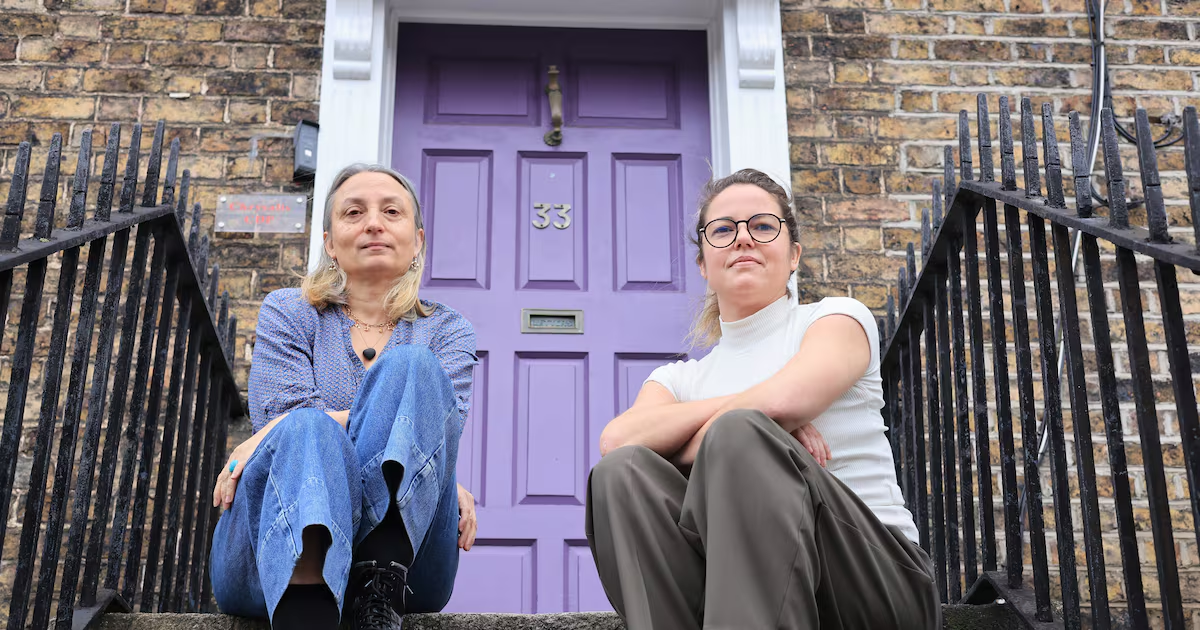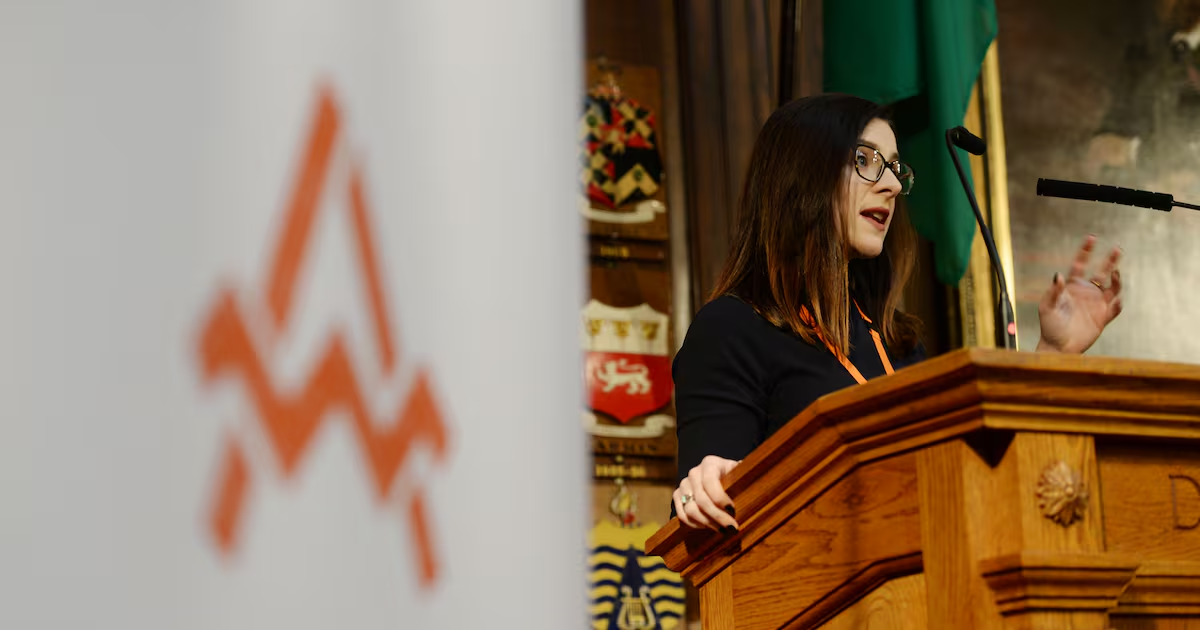
A growing number of Irish people are developing a drug addiction after using substances to ease social anxiety or nervousness, a leading charity in the sector has said.Dawn Russell, chief executive of the Ana Liffey Drug Project, said the drugs landscape has changed significantly in recent years and more middle-class people are finding themselves in addiction.“What we’re seeing in the last 24 months, I’d say, is middle Ireland. People with mid-level incomes, staying in jobs or families and lives, but recognising their drug use is problematic and they need help,” she said.“We work with nurses, we meet people with coffee shops who are working professionals. When your substance use becomes problematic, you start getting in trouble in work, you start losing your relationships.”In line with national trends, she said, cocaine is the most common drug for which people seek treatment.“In Ana Liffey in 2025 we worked with 4,600 people. Seventy-three per cent had addiction issues and cocaine was the most prevalent issue – crack cocaine and powder cocaine,” she said.“That is a massive shift in years gone by. The purity is higher for cocaine. We have one of the highest purities in Europe. In terms of harm, addiction and overdose ... that is a concern.”Russell took up her role last year having previously worked as the organisation’s director of services. She said this new demographic of people in need of help shows a change in pathways to addiction.“The oversimplification of addiction as being a result of trauma is not necessarily that helpful because ... we know there are multiple routes into addiction,” she said.“We know that people growing up in households with addiction are more likely to experience addiction.”However, she said one of the “biggest things” she sees among the charity’s clients is people “in that middle Ireland space using substances for fun or for social aids”.“People are more socially stressed than they used to be, they find social interactions more challenging than they used to, especially since the pandemic. Now they feel they need ketamine, they need cocaine, they need alcohol in order to show up to a social situation,” Russell said.“And then it becomes such a crutch that people depend on it more and more and it becomes a part of someone’s identity. When people have to take powders or pills in order to socialise and then the people around them don’t see it as a problem. Letting go of it can be frightening, especially for younger people.”She said there has also been an increase in members of the LGBTQ+ community engaging with the charity’s services for two primary reasons. One cohort find themselves struggling with problem drug use following chemsex, which is when drugs are used to heighten sexual activity. “It usually involves GHB, crystal meth and cocaine. But what we’re seeing is it has seeped into the rest of their lives. You can recover from chemsex-related addiction issues; there is a complex treatment plan available,” she said.A second cohort of people, which she said is small but increasing, are people who are transitioning gender but doing so “on the black market” and injecting hormones they obtain outside of approved pathways.“We run an outreach needle exchange. We noticed a cohort of trans people looking for clean needles as they were using them for their transition, not for drugs in the more traditional sense,” she said.“Obviously, it’s not safe for people to transition on the black market but if people are doing it we want them to have sterile equipment.”
People ‘feel they need ketamine, cocaine, alcohol to show up to a social situation’
‘Middle Ireland’ surge as people turn to substances as social aids, says Ana Liffey Drug Project chief
582 words~3 min read