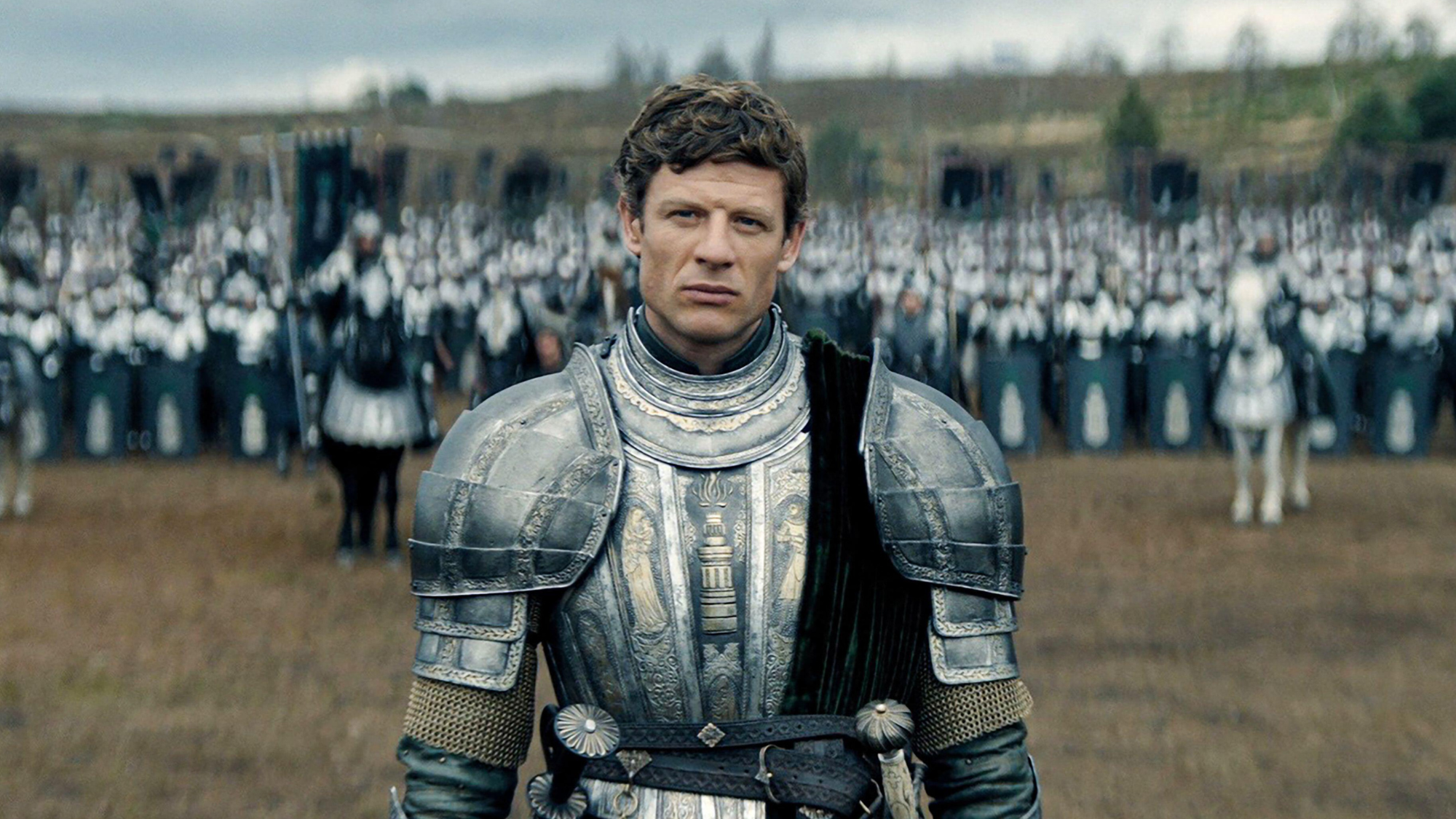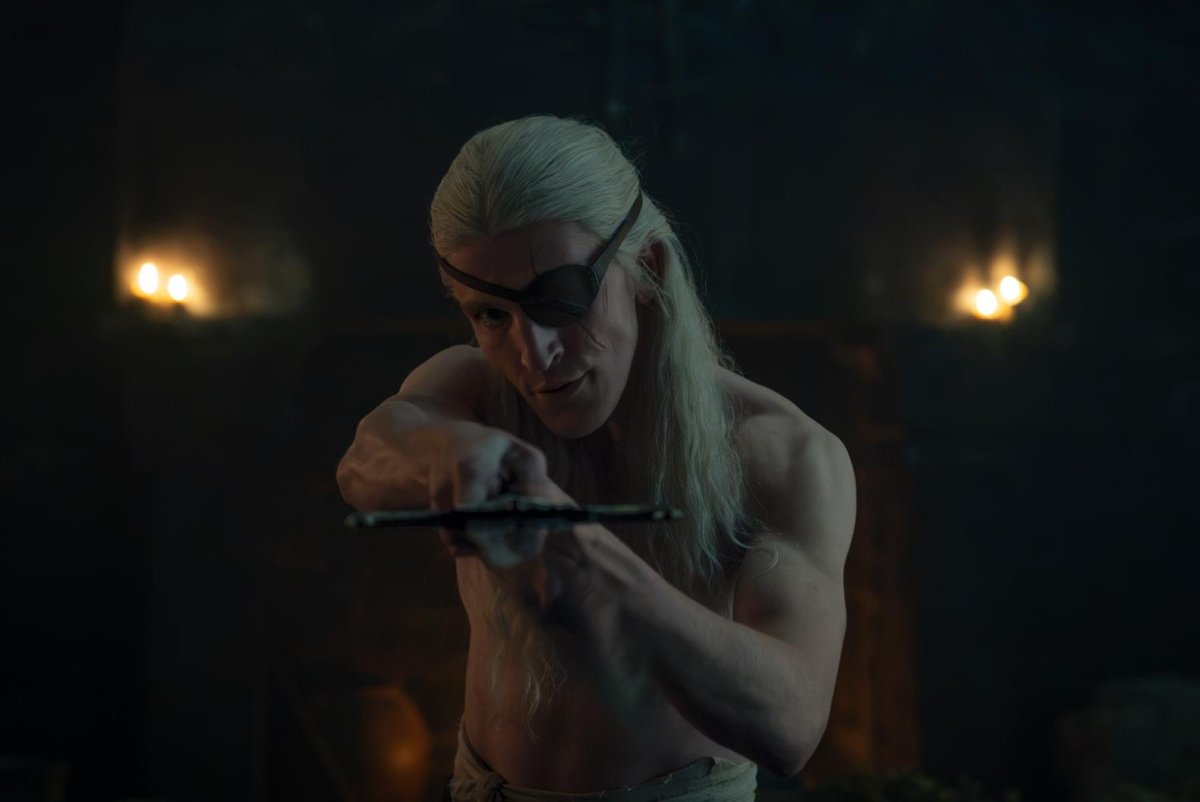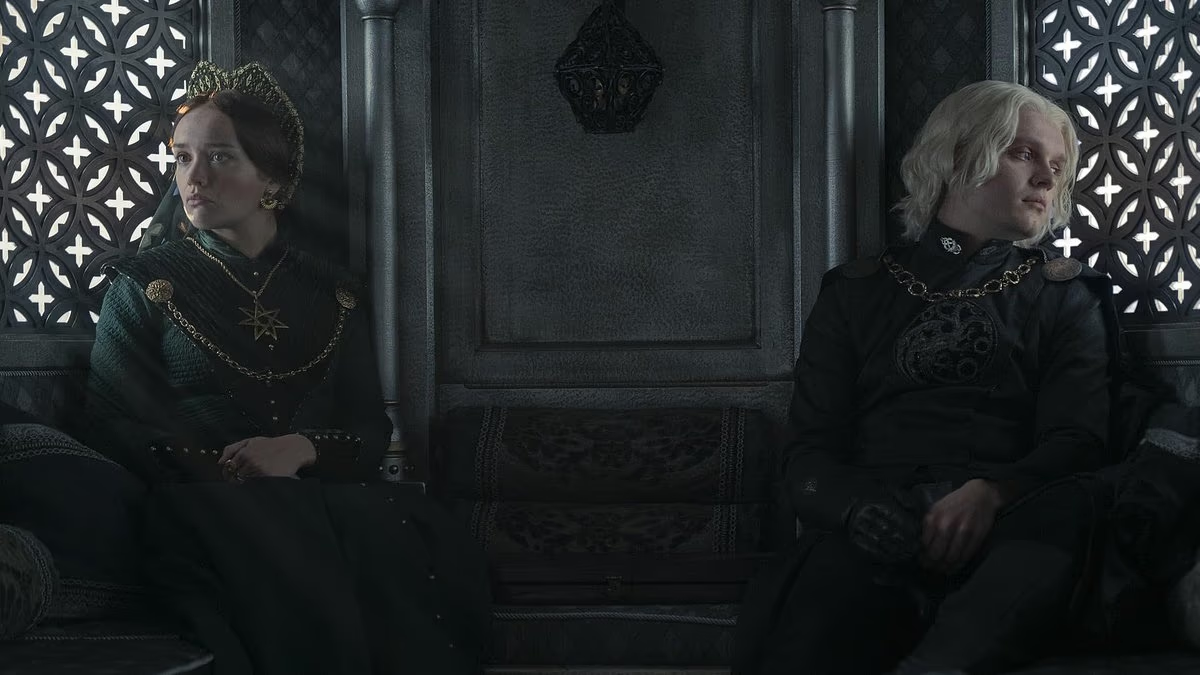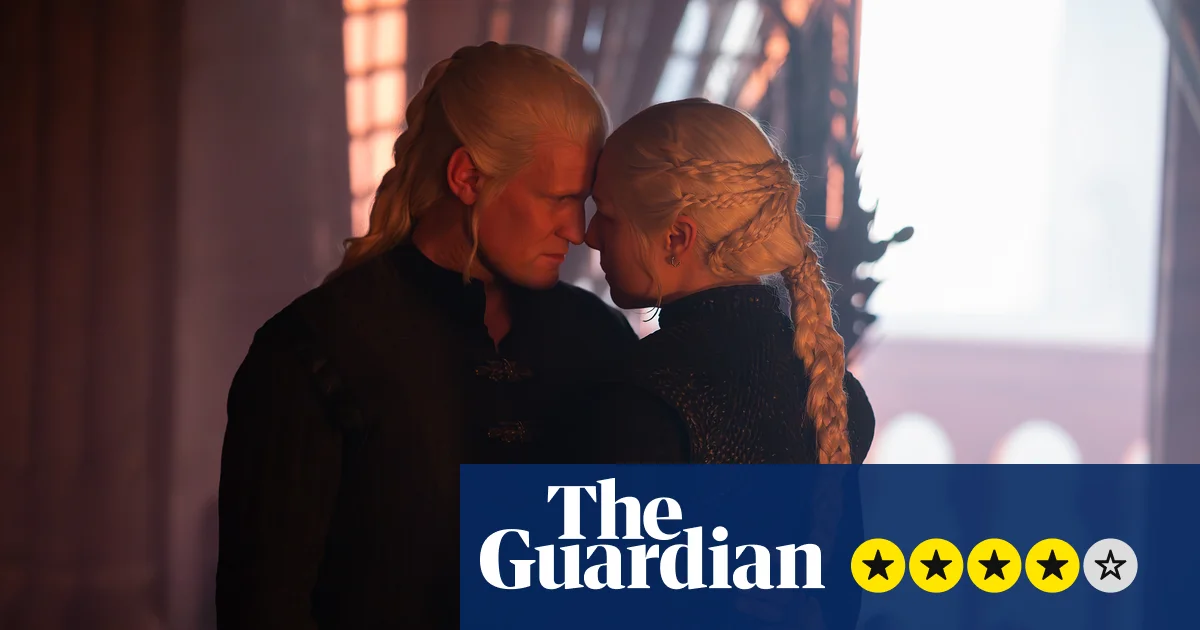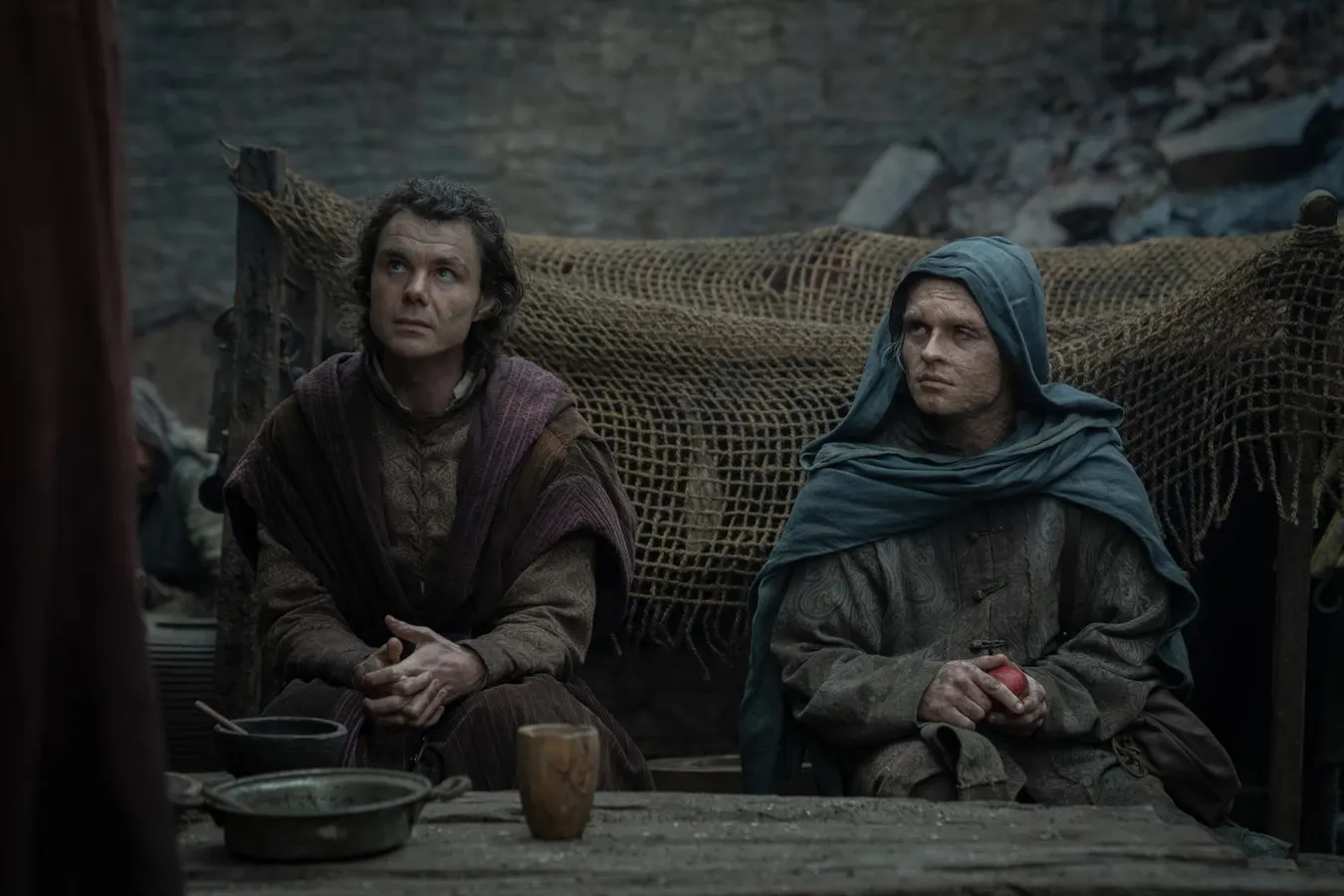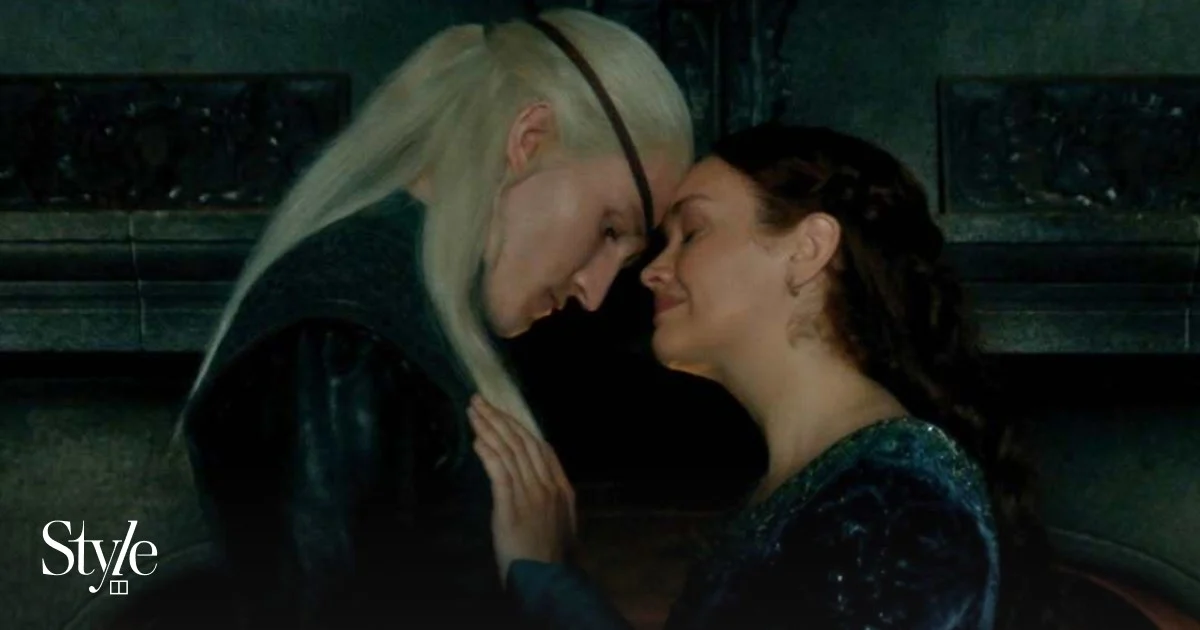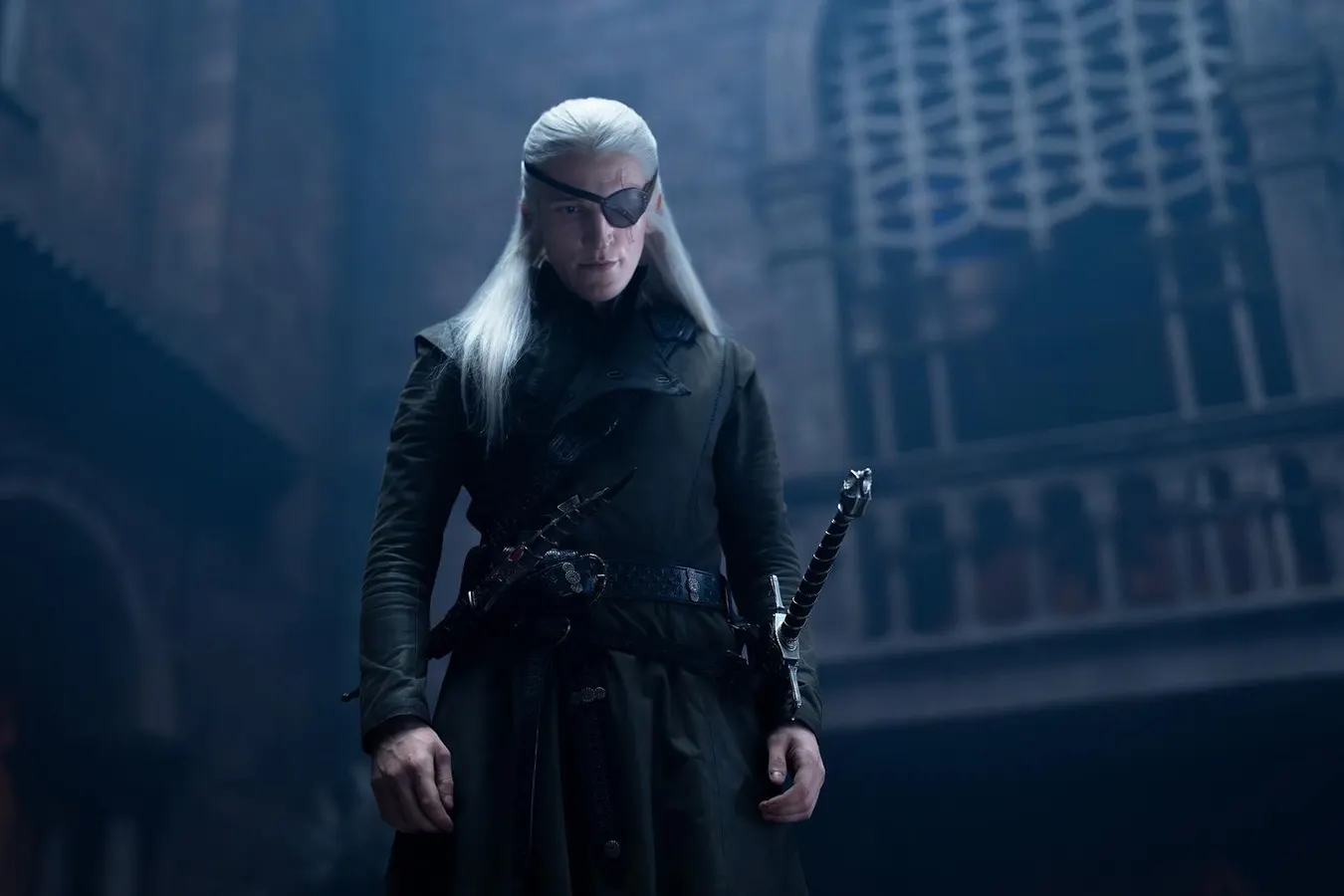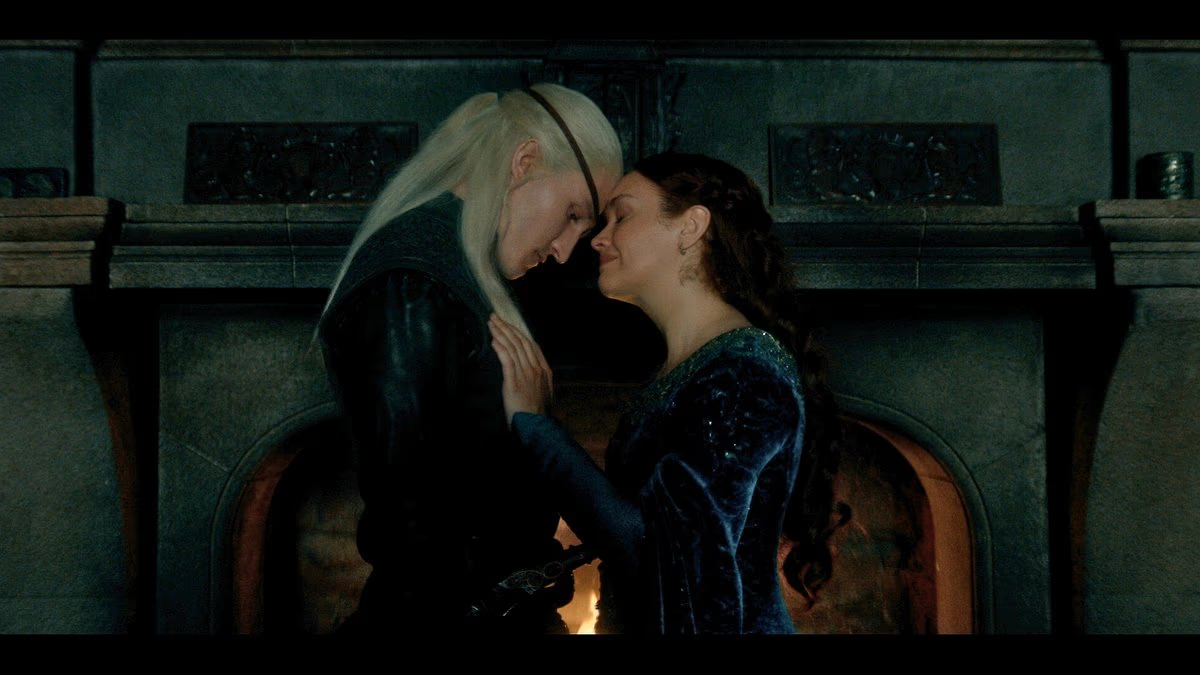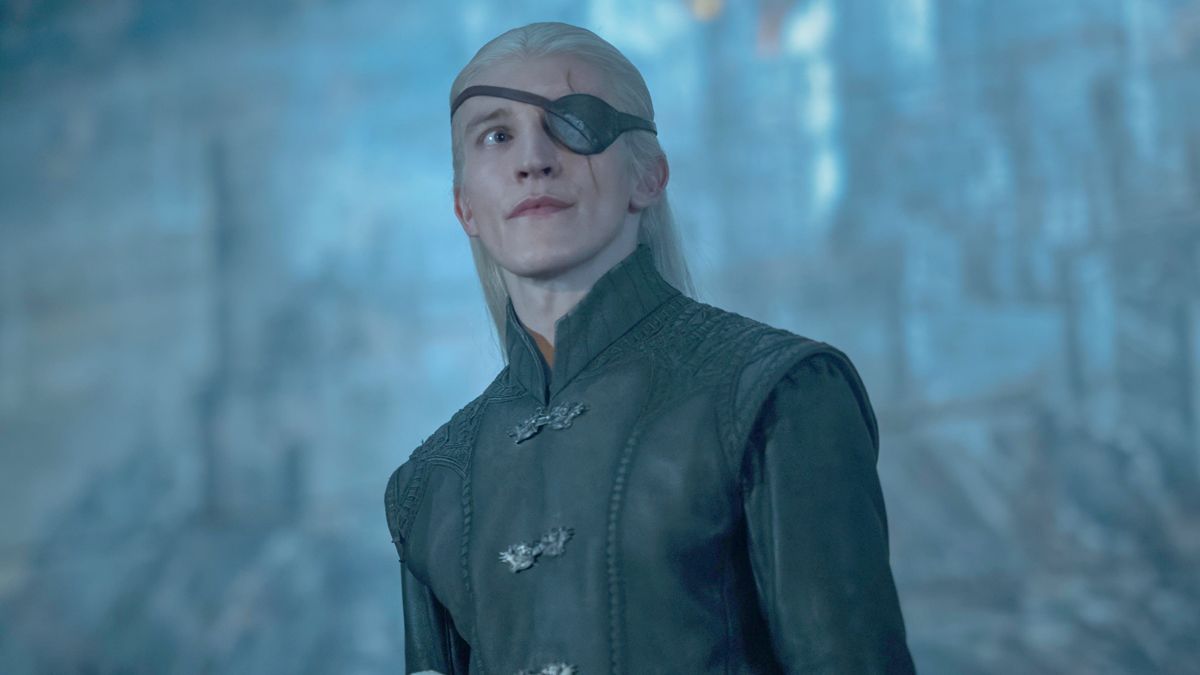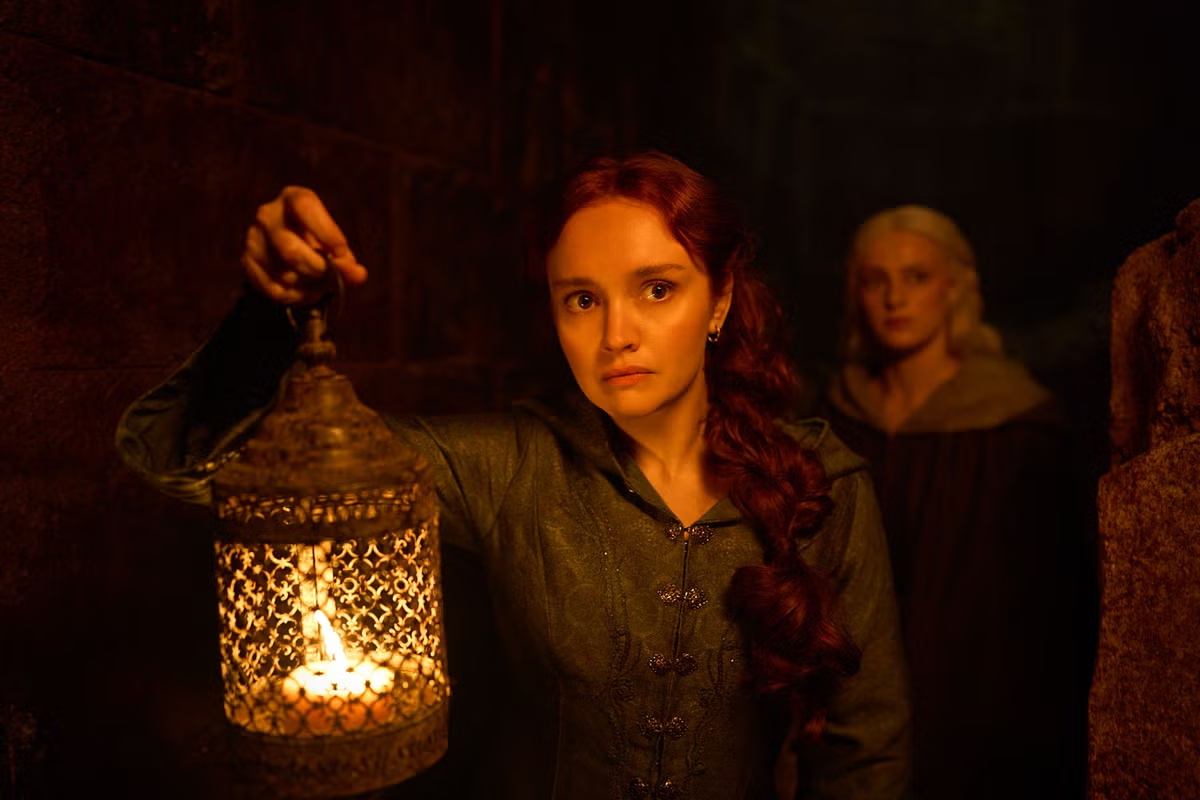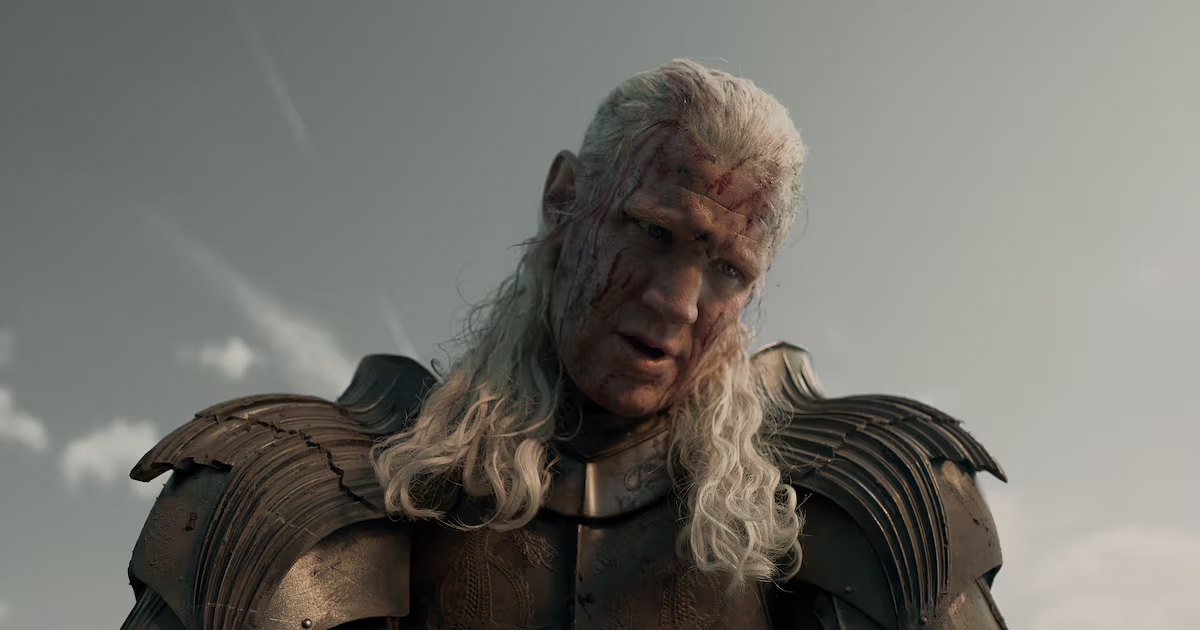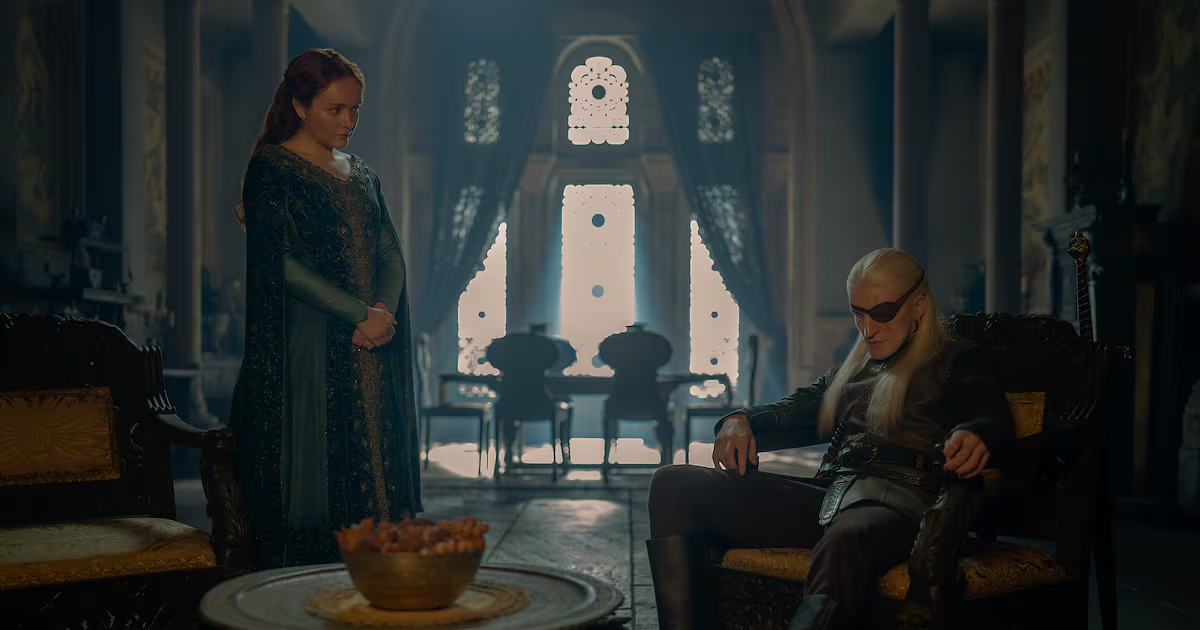
Picture Eamon, a white-haired fella with an idiosyncratic style (lots of leather, an eye patch) and an unusually close relationship with his mother. So far, so familiar. Every town has an Eamon, and King’s Landing is no different. (It’s apparently spelled “Aemond”, but that’s just an affectation, surely.) Anyway, in the first episode of series three of House of the Dragon, on Sky Atlantic and Now, Aemond suddenly kisses his mother, Alicent (nobody can spell names correctly in Westeros), which is the sort of creepy, incestuous fun that the Game of Thrones universe has long specialised in. “Ha ha!” the creators say. “You weren’t expecting that, were you?”But we were expecting it. Incest is as much a familiar fantasy trope nowadays as dragons or witches or very, very long council meetings. (I’ve been to actual council meetings less tedious than the ones in the George RR Martin books.) It’s part of the bag of thronesy tricks of Ryan Condal, its showrunner, who I imagine has a shorthand for it, the “ole incest boondoggle” or something. I can imagine him saying, “Hey, you mooks, let’s try the classic mother-son-smooch switcheroo on these marks. We’ll blind ’em with the vintage Oedipal oopsie!”House of the Dragon is largely the backstory of the Targaryens, one of the throne-hungry families from Game of Thrones. They have white hair and anger issues and keep pet lizards. But they’re not as cool as that sounds. They are also at war with one another and everyone else over the really uncomfortable throne about which generations of angry folk will eventually be gamesing. (There is no Ikea in Westeros, apparently. Nowhere to buy a throne of your own.) Also, there are a lot more dragons on House of the Dragon than there were on Game of Thrones, and it’s making nobody any happier. It should really have been called Game of Thrones II: 2 Many Dragons or, maybe, House of the Dragon: Mo Dragons Mo Problems.In general I’m a sucker for this sort of nonsense. Replace an alcoholic cop with a malfunctioning robot or swap out a philandering career woman trying to have it all for an anxious hobbit running from an orc and I’m all in.[ House of the Dragon review: This scorching Game of Thrones prequel is top-drawer fantasyOpens in new window ]The reason broadsheet readers more widely tricked themselves into watching the original Game of Thrones was by telling themselves that it was, in fact, a clever political rumination on the nature of power and not just an excuse to watch dragons and zombies smash against each other while the programme makers said “aieeee!” and “whoosh!” The series’ downfall was ultimately that saying “power corrupts” was really its main insight. And it said it again and again until it sort of puttered out with a sad gasp and we all cried “We know! We heard you in series one!”Possibly in contrast to this, the other Game of Thrones spin-off A Knight of the Seven Kingdoms told a smaller and more self-contained story. It starred Peter Claffey, a real-life Irish man, as the eponymous knight, Dunc. He was a big lug with a heart of gold and a brain of wool, a decent man with humble ambitions. That show’s creators remembered that there were other things to consider beyond the machinations of venal power brokers – decency, kindness, wanting to belong, what it’s like to be powerless – and they made the most of that.[ A Knight of the Seven Kingdoms: Cheerier than Game of Thrones and brimming with Irish talentOpens in new window ]House of the Dragon, however, like its franchise mammy, prefers to go big. Really, really big. Series three opens with a ginormous sea battle in which huge dragons piloted by tiny people spit fire on an armada filled with more tiny people. Like much CGI, it often looks like a rich and creamy soup with human-shaped croutons floating in it. The issue with CGI use is not the technology itself but the temptation to use it to make everything HUGE for no reason, thus rendering it all abstract and weightless. The vistas onscreen become too big to care about. “One death is a tragedy, the destruction of a CGI armada is a pretty underwhelming third act,” as Stalin once said.House of the Dragon: Emma D'Arcy as Rhaenyra Targaryen and Harry Collett as Jacaerys 'Jace' Velaryon in season three. Photograph: Sky/HBO But there’s also a weirdness in how we alternate between angry whispers on theatrical sets and grunts and screams in a fog of ones and zeros. The relationship between the tiny foreground and vast background on these shows is still uncanny and unreal.While Game of Thrones was ultimately building up to a big set piece between dragons and zombies, this episode of House of Dragons involves dragons versus their ancient enemies, um, boats. Key things that happen in this battle: a ship captained by an angry pirate lady crashes into a ship steered by a crusty old sea warlord. They don’t exchange insurance information. Rhaena, a young Targaryan, trains a wild dragon. (There’s arguably too much in this show about the training and husbandry of fictional lizards. It’s kind of the Westerosian Farmers Journal.) Then she rides it into a battle where it burns a number of her allies to death. Back to the dragon-driver theory test with you, Rhaena.Meanwhile, Prince Jace locks his mother, Queen Rhaenyra, in her room so he can have dragon-based adventures. It’s not a great idea. How many arrows is a bad number of arrows to have in you? Jace ends up with at least that number of arrows in him. It’s fine. We haven’t seen him in two years, so I can barely remember if I like him or not. That’s an issue with long gaps between series. There are whole scenes in this hour that purely function, I think, as placeholders to remind us of different characters: “Remember these guys? Me neither! I’m sure they’ll do something interesting in an upcoming episode!”Widow’s Bay: Matthew Rhys and Kate O’Flynn. Photograph: Apple TV Widow’s Bay, over on Apple TV, has exactly the right scale for a witty, spooky horror show featuring a townful of people. It’s about an island, Widow’s Bay, that is traditionally troubled by paranormal activity, terrible phone coverage and an ancient curse that affects all who are born there. It’s another work of postmodern bricolage riffing on everything from The Fog to Jaws to Halloween to Eerie, Indiana, but it’s got real stakes thanks to the rich writing of its showrunner, Katie Dippold (among others), the direction of Hiro Murai, who made Atlanta with Donald Glover, and nuanced performances from a great ensemble cast.[ Widow’s Bay on Apple TV: After Amazon’s Melania Trump doc, this is the second scariest show to stream this yearOpens in new window ]The standouts are sad-eyed Matthew Rhys as the people-pleasing widowed mayor, the excellent Stephen Root as a Stephen Root-like local crank and Kate O’Flynn as the mayor’s eccentric fortysomething secretary. O’Flynn’s character is, ultimately, the heroine of the piece and an inspiration for middle-aged oddballs everywhere, living her best life, tackling zombie-like killers and getting one over on her high-school bullies. This show prefers just-out-of-shot creepiness, gently unsettling framing and well-timed suspense over CGI giantism, gore and loud noises. The former approach is, ultimately, far more convincing. Dragons, shmagons, that’s what I say. They should probably put that in the headline.
Patrick Freyne: House of the Dragon, House of the Shmagon, that’s what I say
This Game of Thrones spinoff goes big, and like much CGI, it often looks like a rich and creamy soup with human-shaped croutons floating in it
1,243 words~6 min read