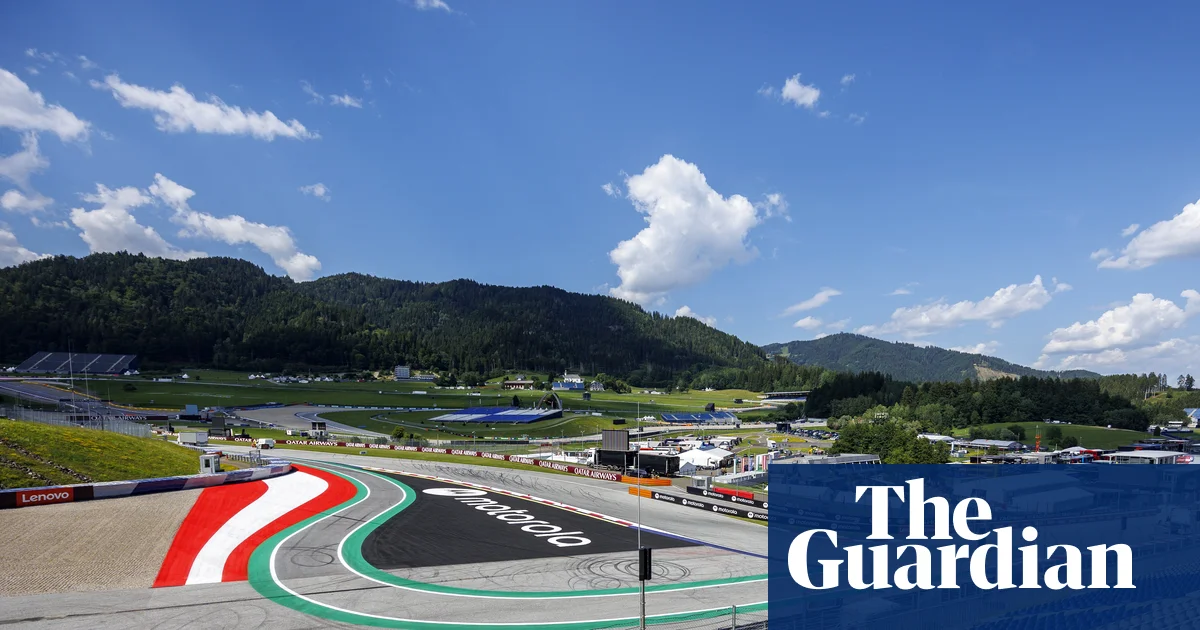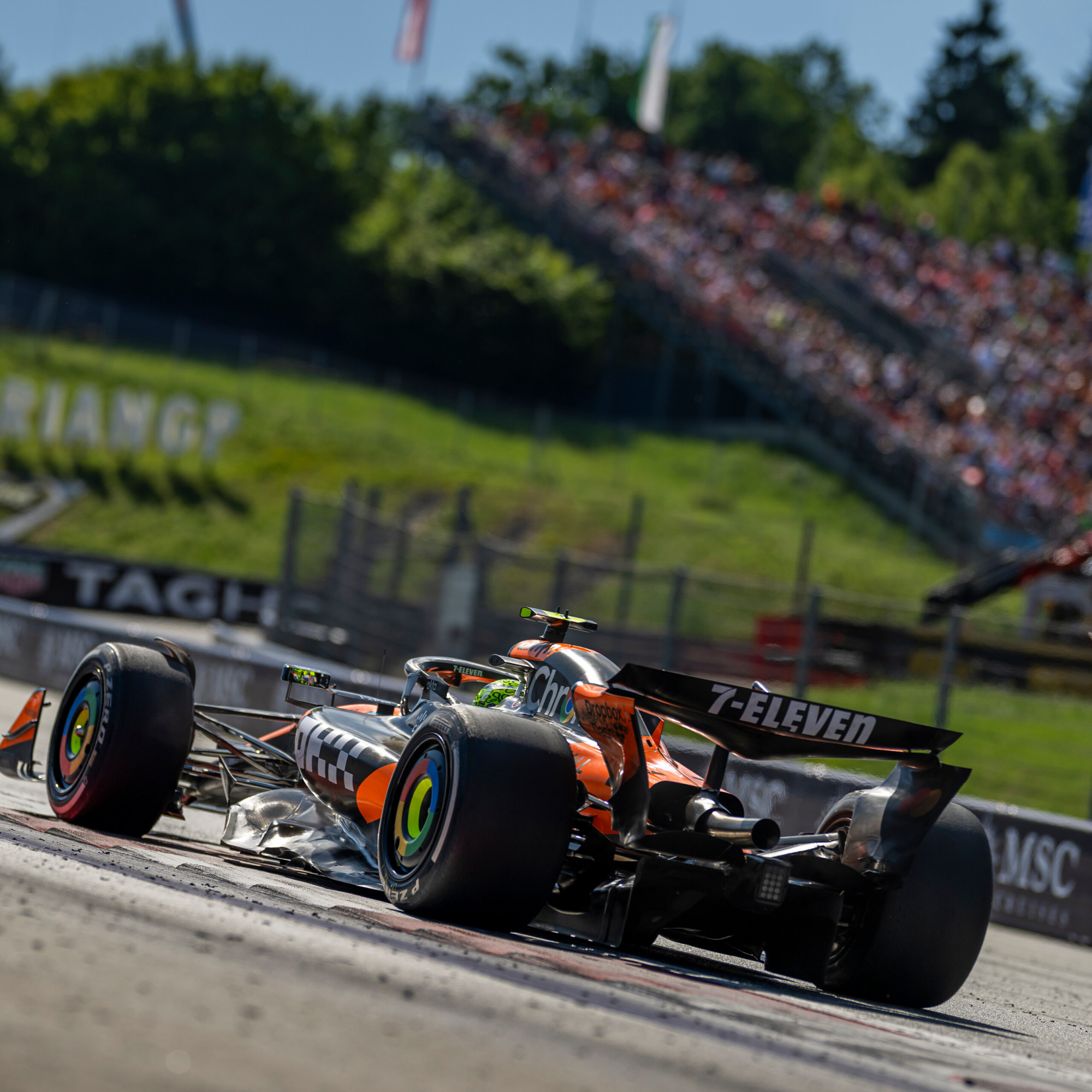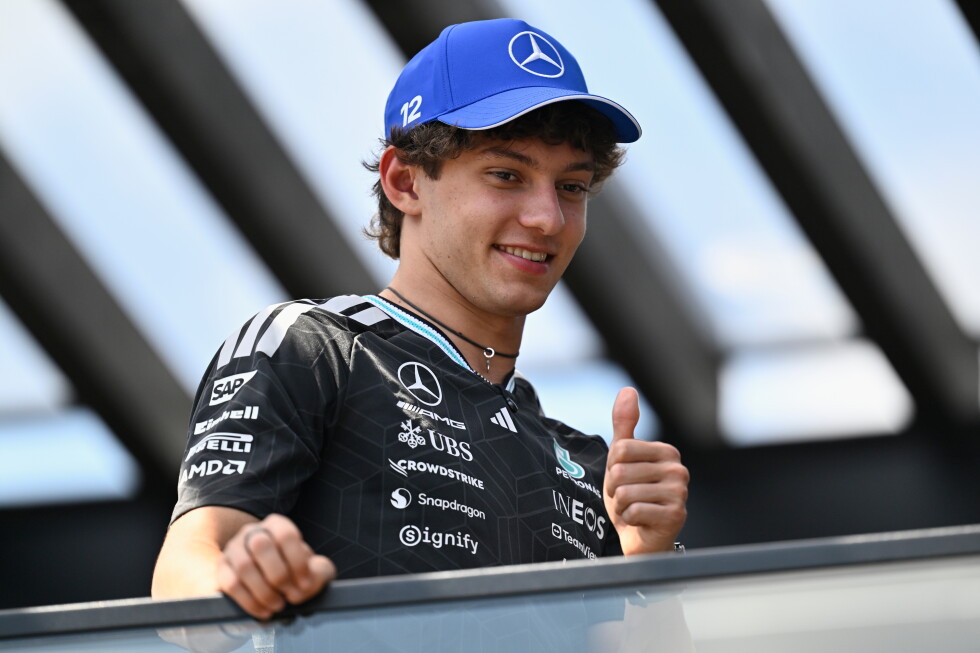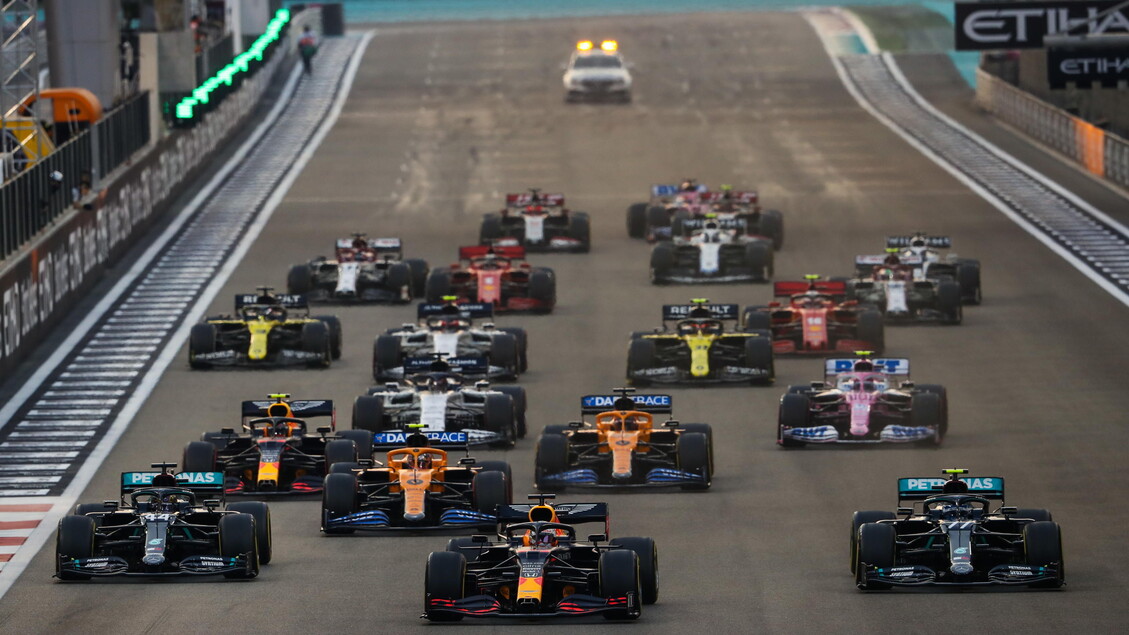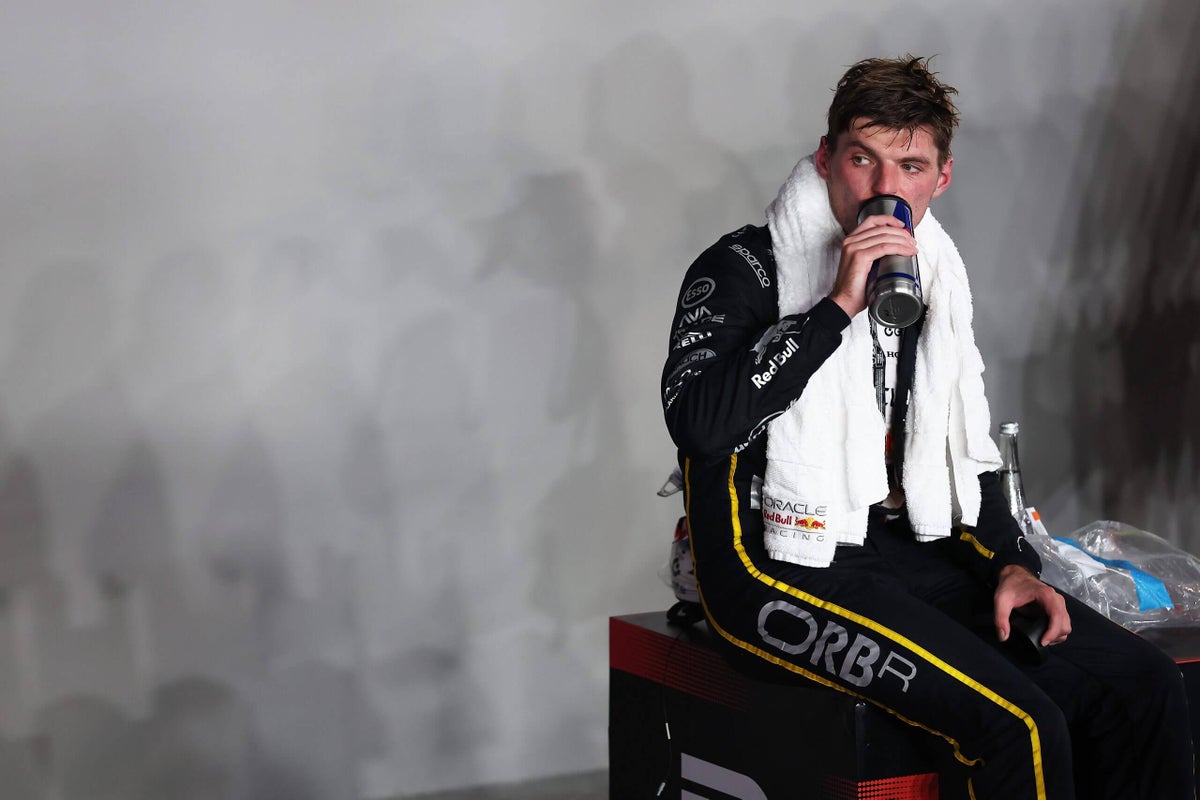
The Formula 1 paddock is preparing itself for a sweltering return to action this weekend at the Austrian Grand Prix as a record-breaking heat wave passes through Europe.Temperatures are forecast to rise through the race weekend at the Red Bull Ring in Spielberg, reaching as high as 36 degrees Celsius, or 96.8 degrees Fahrenheit, on Sunday according to GeoSphere, the national meteorological agency.The maximum heat warning level has already been issued across Austria for Friday to Sunday, cautioning significant disruption to daily life and urging people to follow instructions from the authorities.For the drivers exerting their bodies in the cars through the race weekend, and the mechanics in their fireproof overalls servicing the cars, finding ways to manage heat is going to be an extra challenge.And, unlike the World Cup, there’s no opportunity for hydration breaks, making it vital for the drivers and teams to ensure they combat the spike in temperatures as best possible.’Why high temperatures matter in F1Like all sports, dealing with extreme heat is a task F1 has increasingly faced through the deepening of the climate crisis in recent times.The record for the hottest F1 race was set at the 2005 Bahrain Grand Prix, when the mercury reached a staggering 42.5ºC (108.5F). Since 2014, Bahrain has become a night race, with fellow Middle Eastern rounds in Saudi Arabia, Qatar and Abu Dhabi also adopting a later start time to avoid the greatest heat of the day.It was a race in Qatar in 2023 that really pushed home the danger of heat. An ambient temperature of 32ºC (89.6F) and 70 percent air humidity meant it was always going to be a sweaty race despite beginning at 8 p.m. local time. But the high-speed track layout, plus a requirement to make three pit stops because of tire safety concerns, gave drivers little time to back off and manage their tires as they ordinarily would in a race.It was a dangerous cocktail that left many drivers struggling with sickness and dehydration. Esteban Ocon revealed after the race that he’d vomited in the cockpit just 15 laps into the race. Logan Sargeant retired because of how sick he was feeling. Lance Stroll and Alex Albon both required medical attention after the race, with Stroll reporting he was struggling with blurred vision while driving.Race winner Max Verstappen pictured in parc ferme during the 2023 Qatar Grand Prix. (Mark Thompson / Getty Images)
How F1 will cope with Europe’s heat wave in Austria: ‘Space jackets’ and rule tweaks
The paddock is preparing itself for a sweltering return to action as a record-breaking heat wave passes through Europe.
1,685 words~8 min read