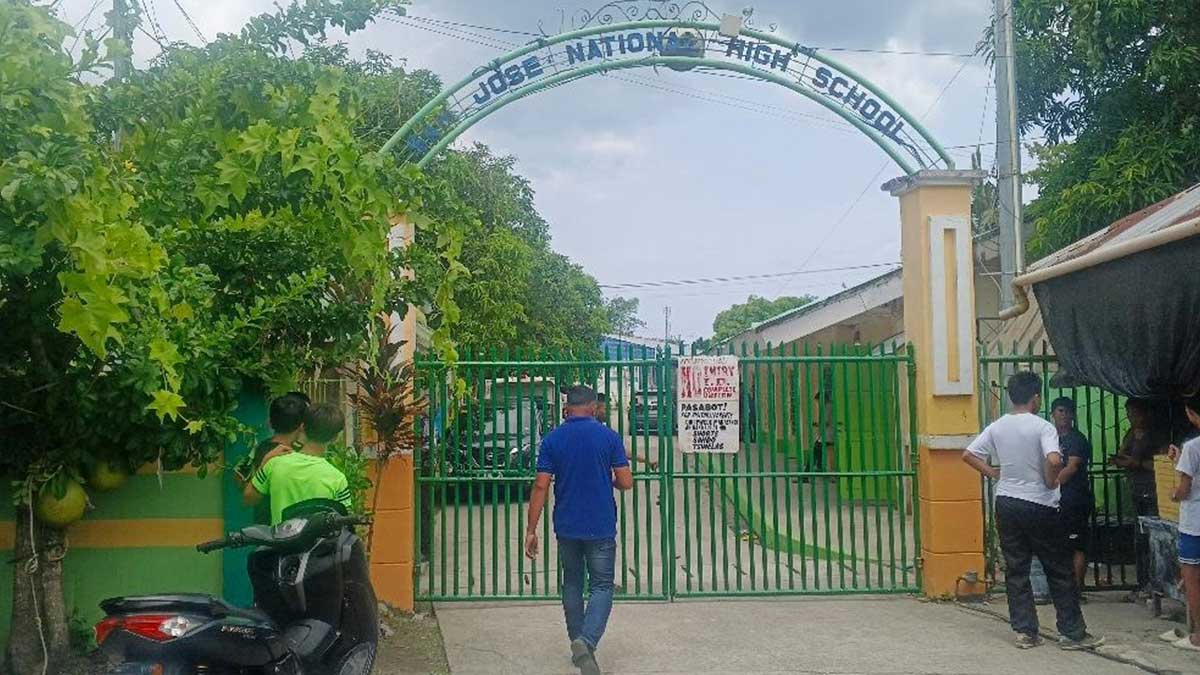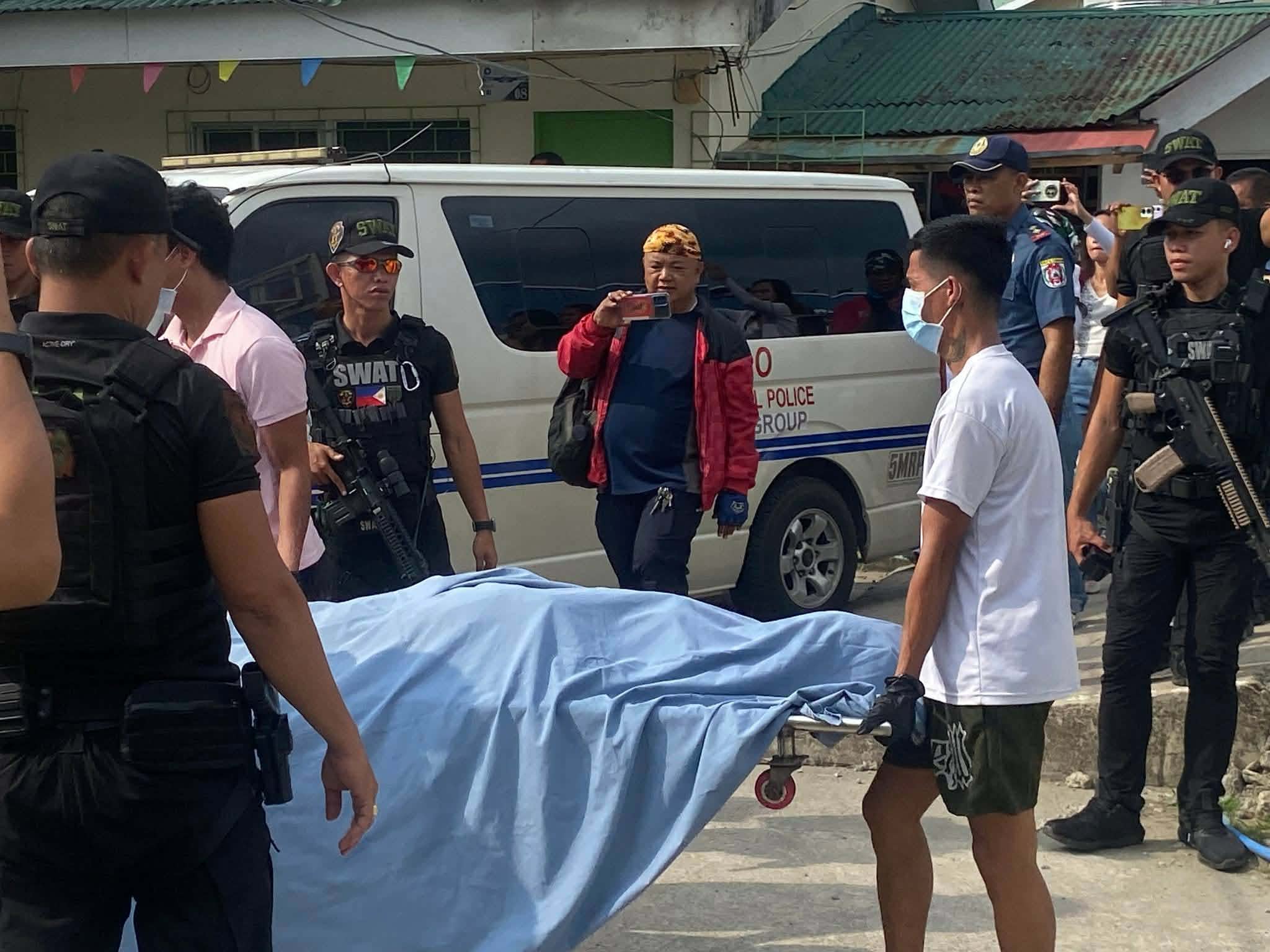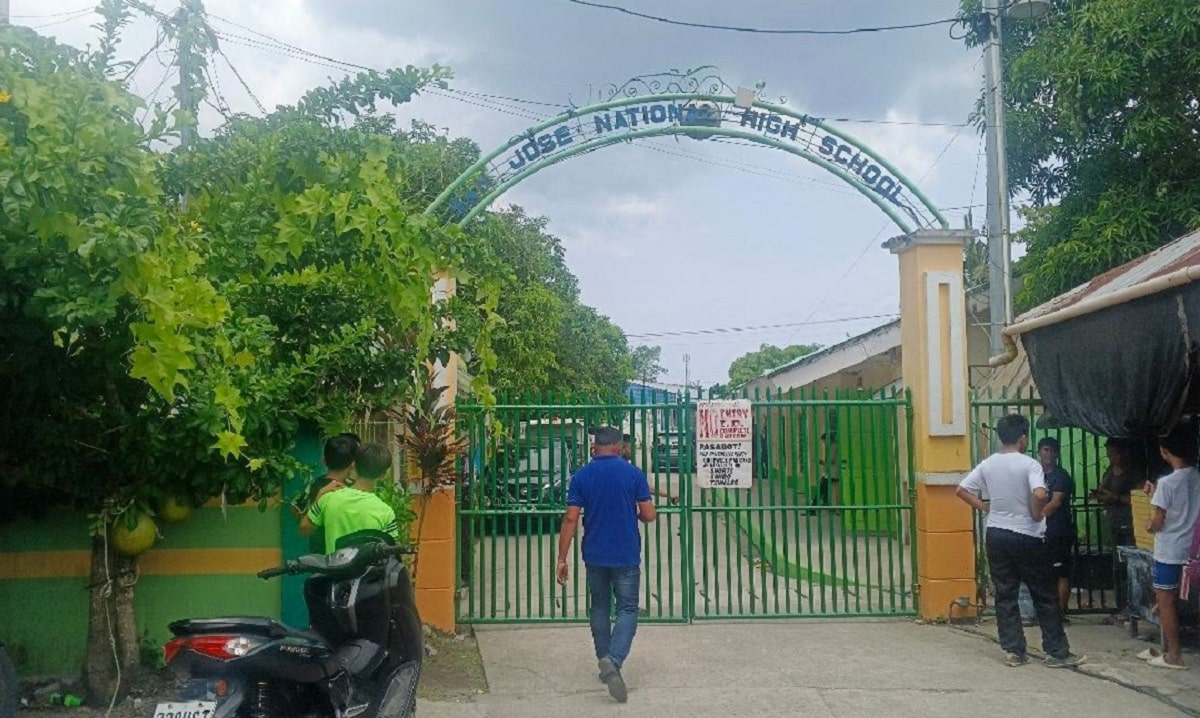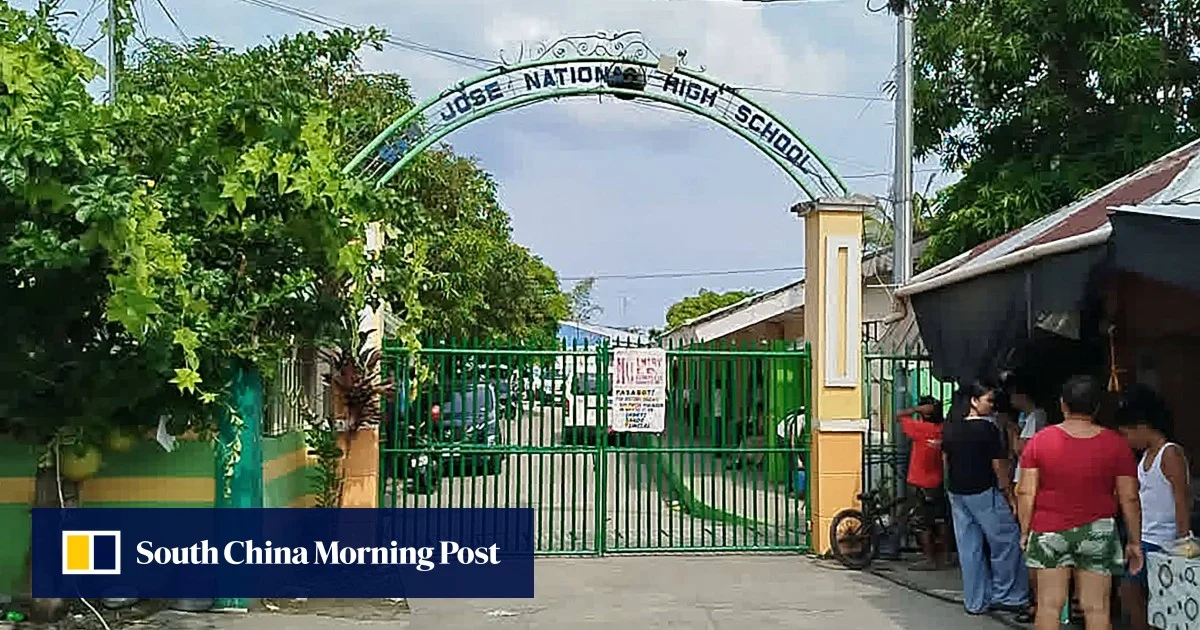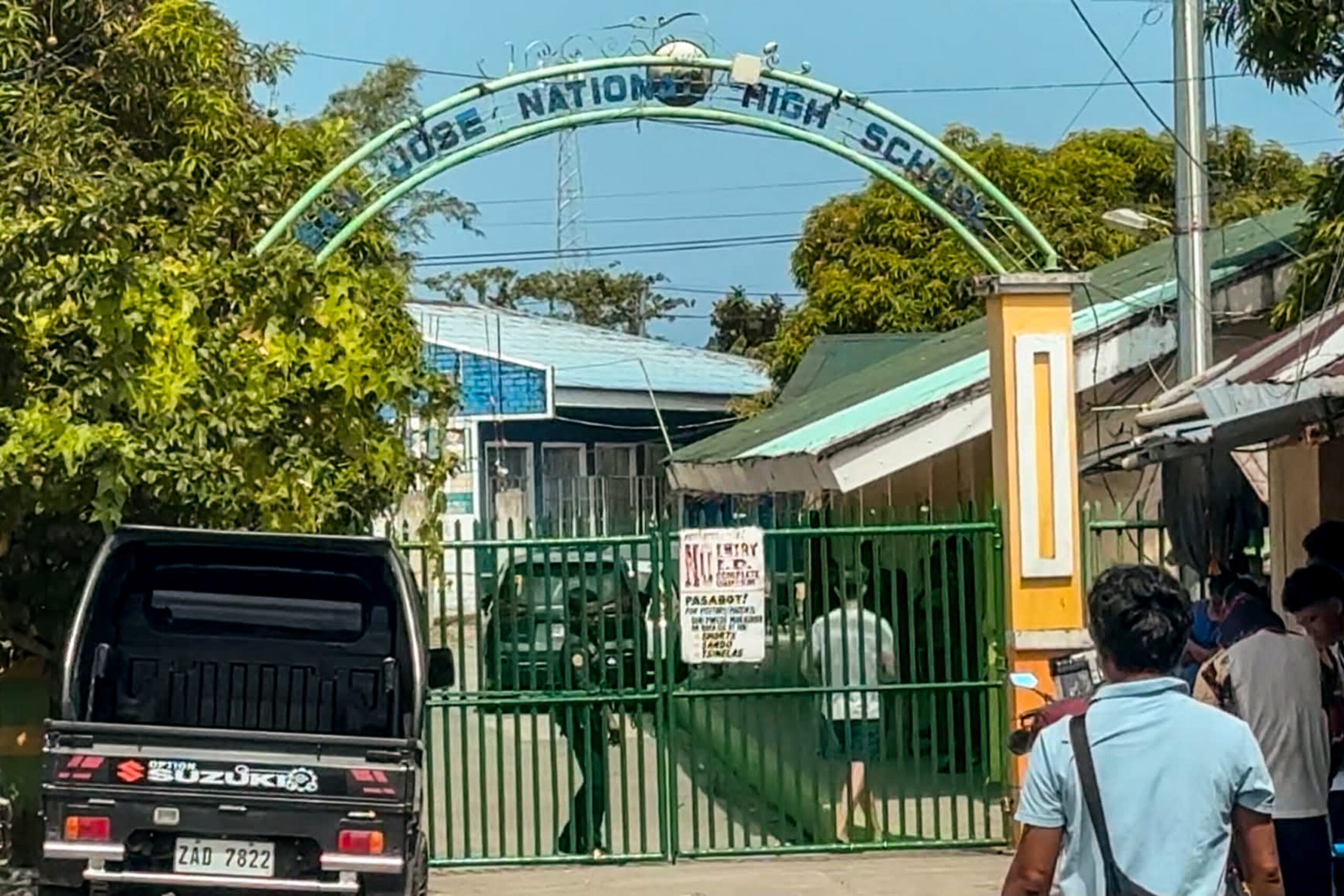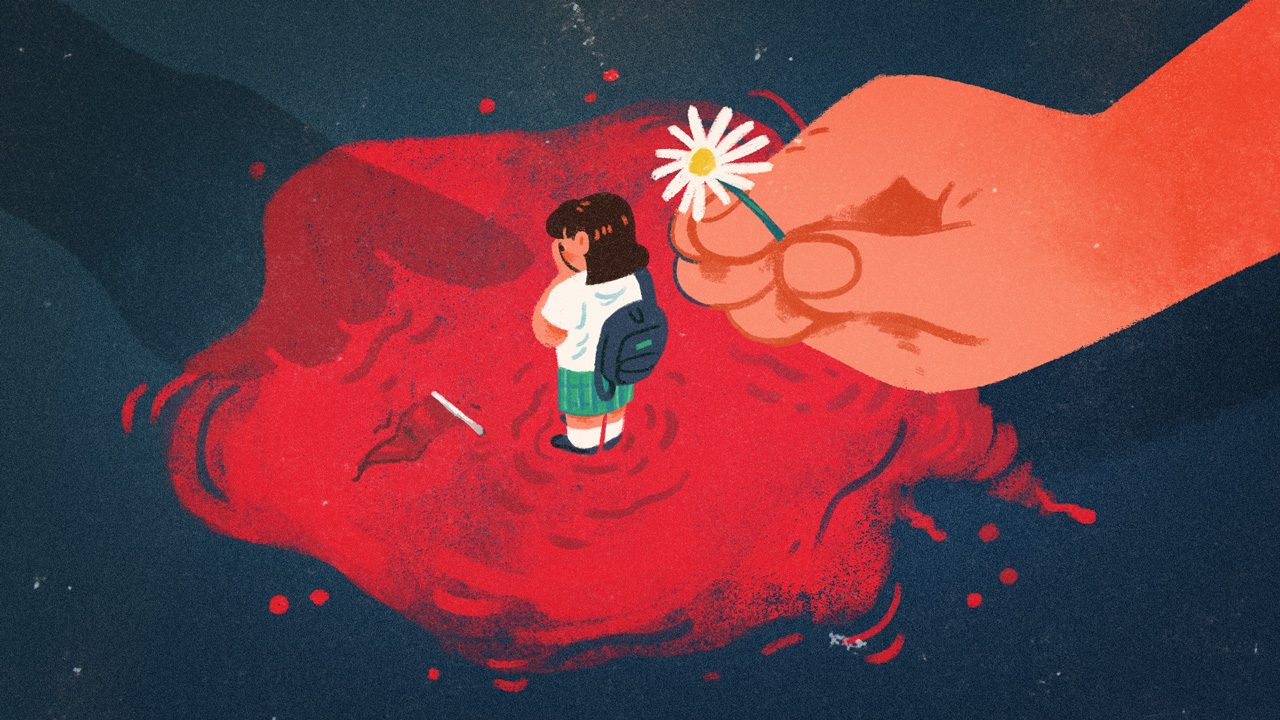
The public and government reactions to the Tacloban high school shooting by two students, which caused the deaths of three students and scores of injuries, are troubling. I write this primarily as a personal reflection drawn from my previous work as the women and child rights focal point at Amnesty International in the UK. I hope this reaches the attention of the authorities and civic organizations with similar advocacies on child rights.
The trauma, grief, community division, and brokenness created by the Tacloban school shooting — and similar incidents involving children and young people — are almost impossible to measure. The lives lost can never be restored. Survivors may carry physical and emotional scars for years. Families of the victims must navigate a lifetime of grief. At the same time, the families of the child offenders also face stigma, fear, guilt, and social isolation.
Entire schools and communities can become fractured by anger, suspicion, blame, and competing narratives of justice. In some cases, the damage to relationships and trust may take generations to heal.
In moments such as this, it is understandable for emotions to run high. Yet it is precisely at such times that society must be careful not to allow grief and outrage to cloud our judgment.