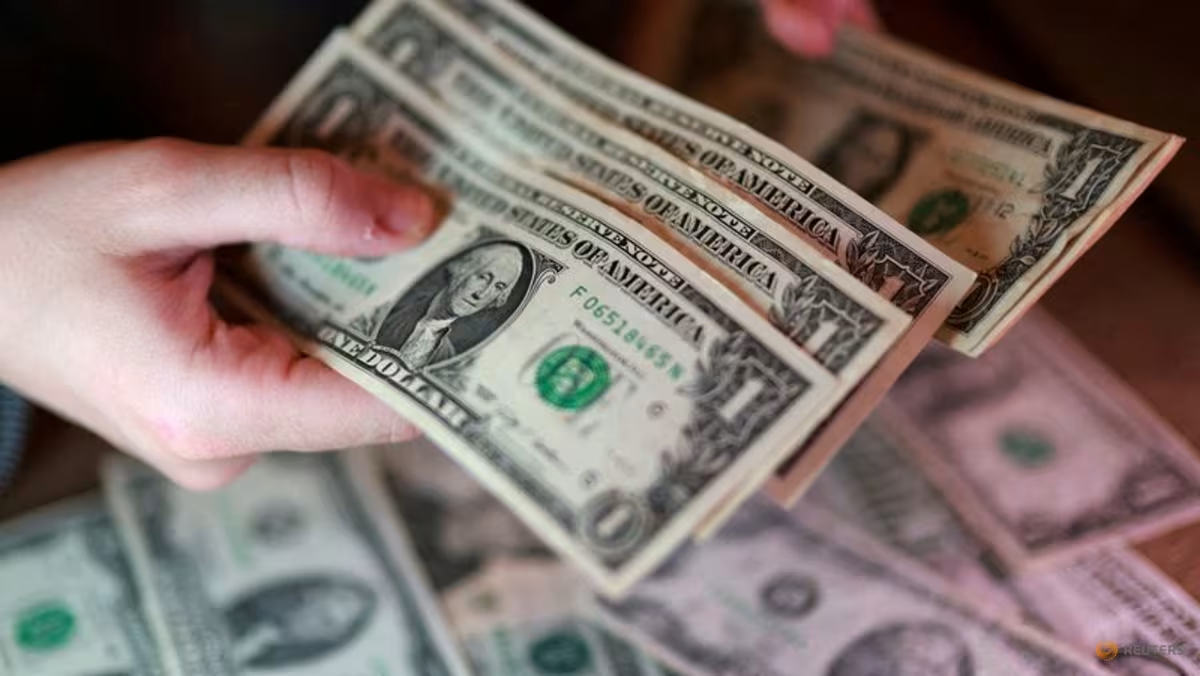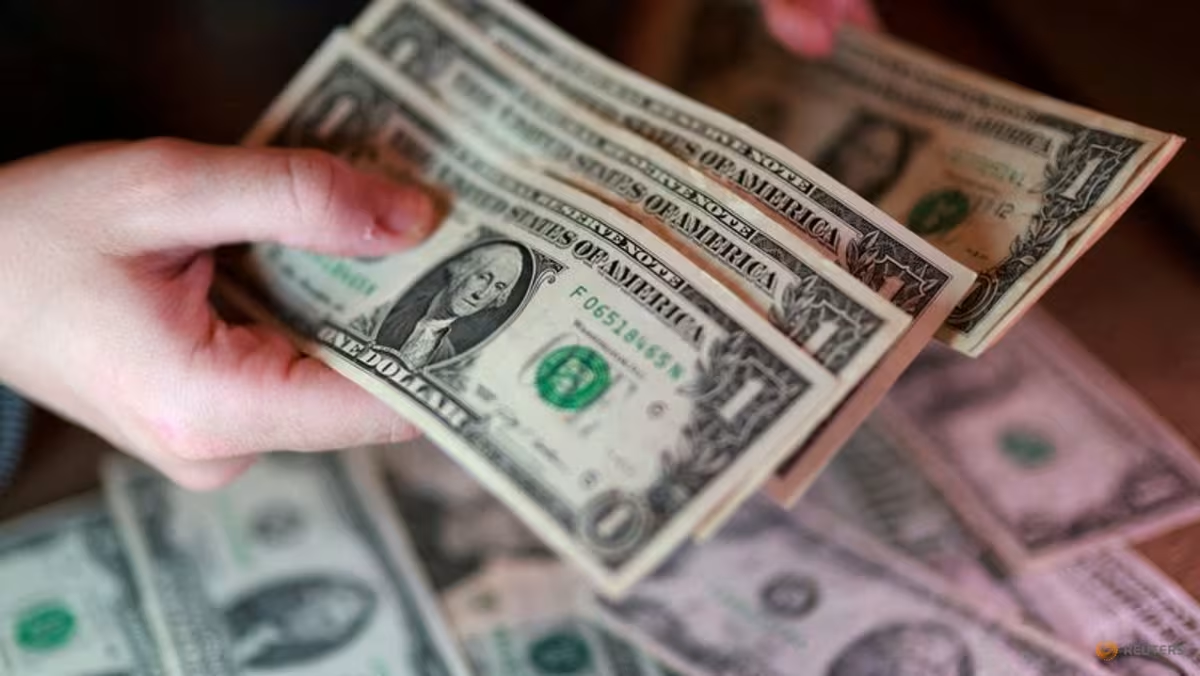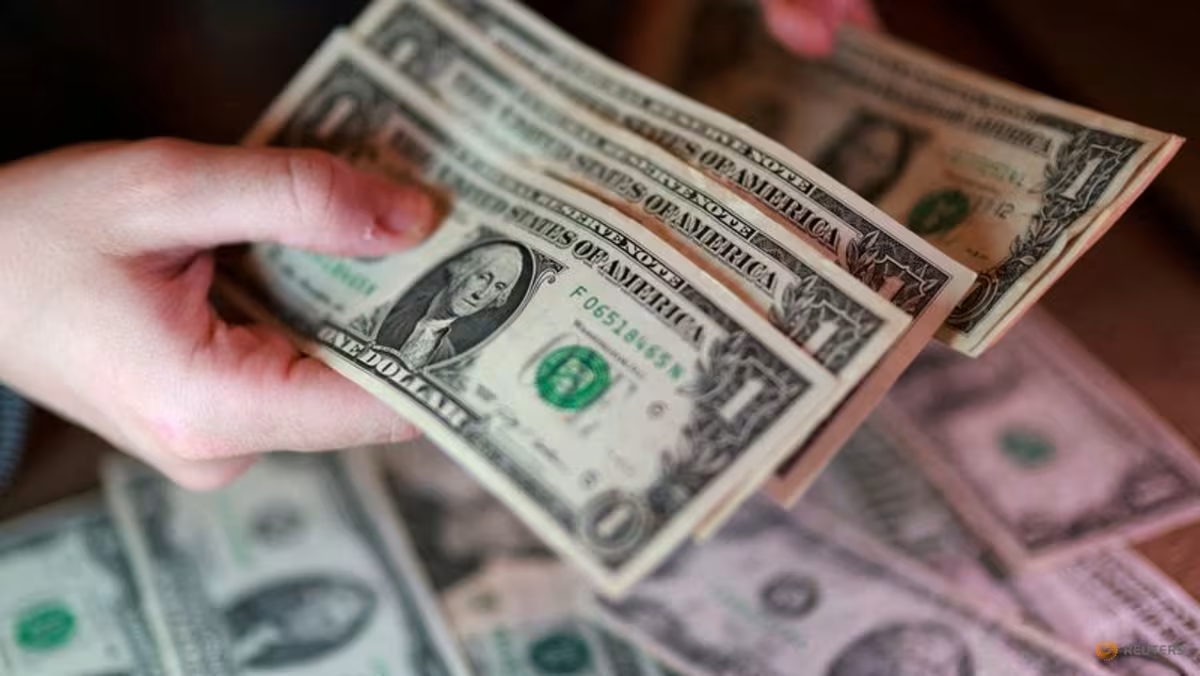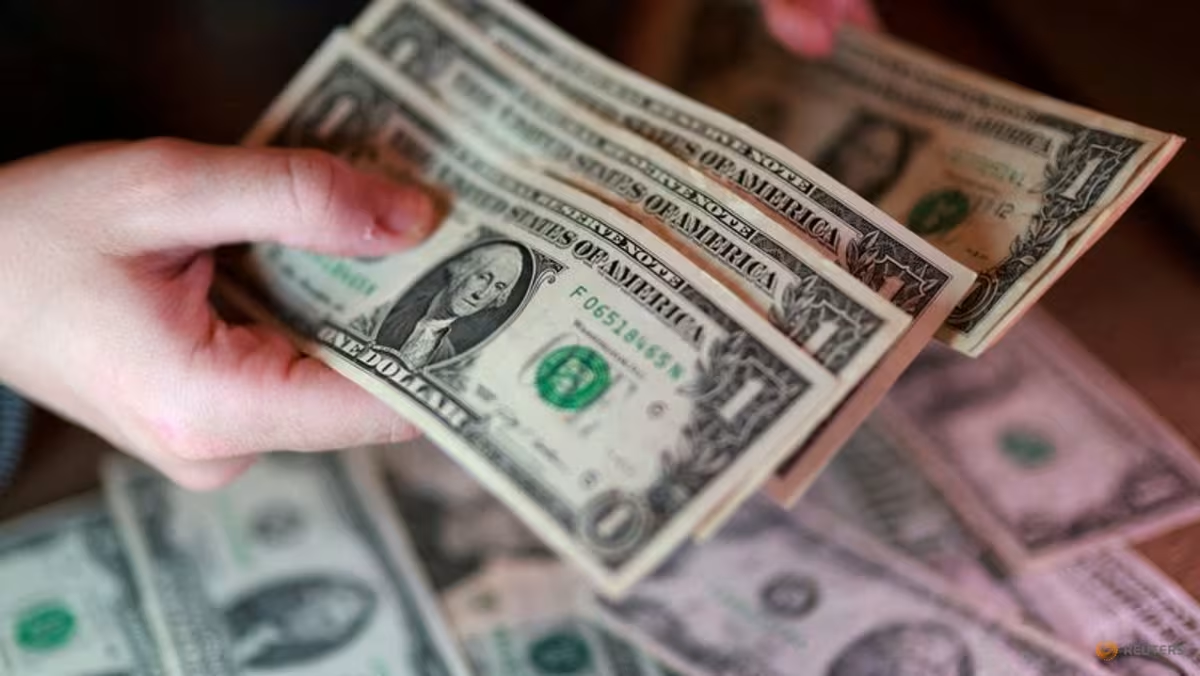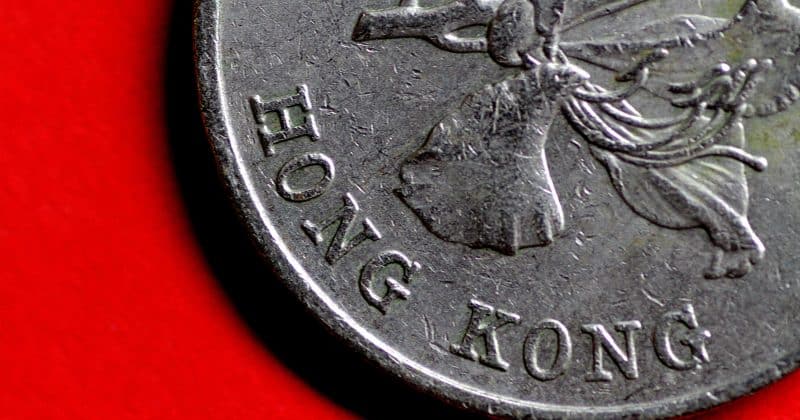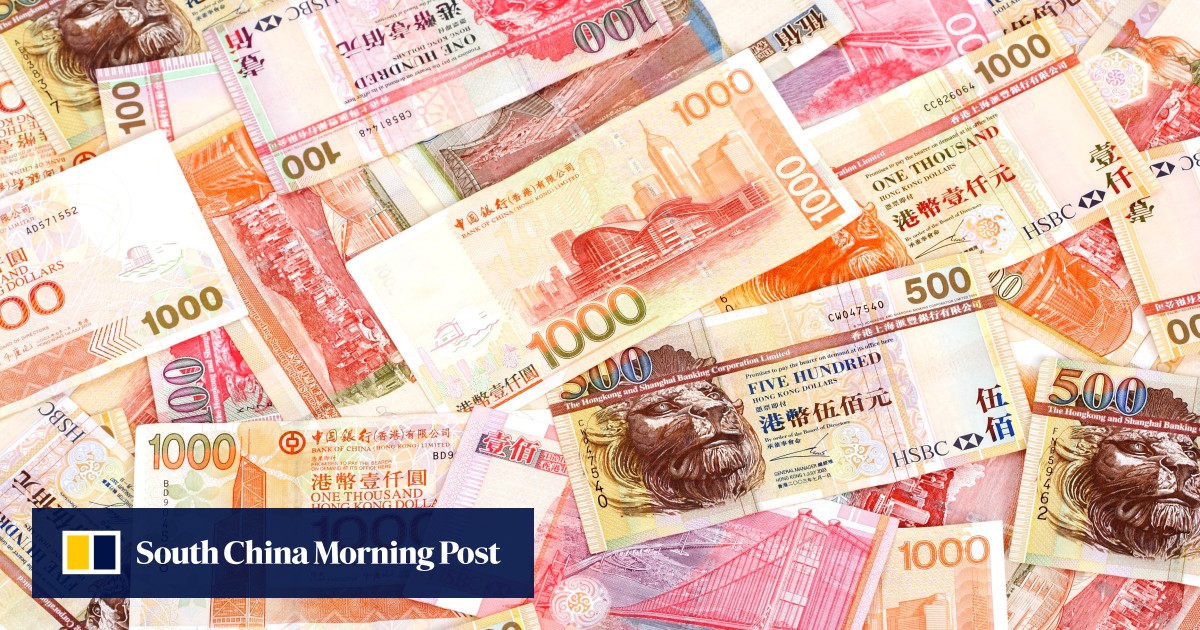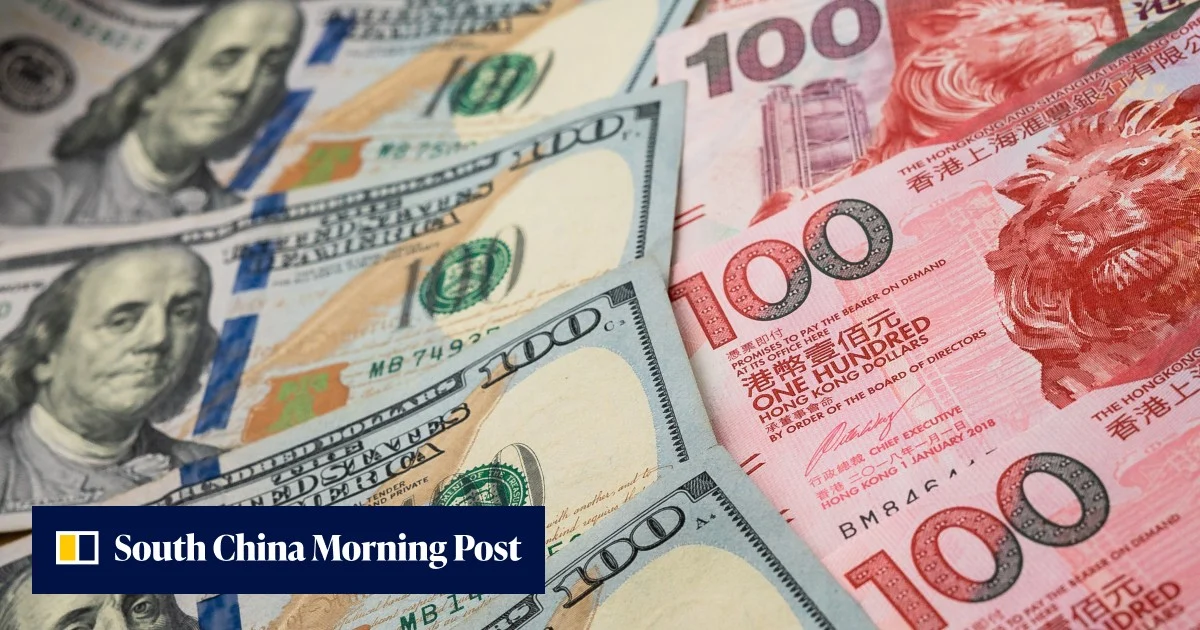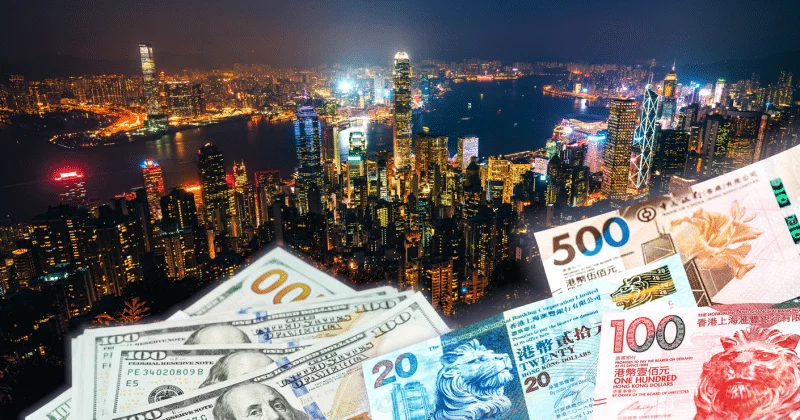
The Hong Kong dollar is flirting with the boundary that triggers automatic central bank intervention. The USD/HKD exchange rate hit approximately 7.839 on June 25, close enough to the 7.85 weak-end limit of the city’s peg system that traders are starting to sweat, or salivate, depending on which side of the trade they’re on.
Here’s the thing. When borrowing costs in Hong Kong dollars collapse and volatility stays muted, shorting the currency becomes something close to a free lunch. And right now, the overnight Hong Kong Interbank Offered Rate (HIBOR) has plummeted from around 4.5% to near zero, a collapse that makes funding a short position almost comically cheap.
How the peg works and why it matters
Hong Kong operates what’s called the Linked Exchange Rate System, or LERS. The HKD is allowed to trade between 7.75 and 7.85 against the US dollar. When it hits either wall, the Hong Kong Monetary Authority (HKMA) steps in automatically to buy or sell currency, keeping the peg intact.
The mechanics are straightforward. When the HKMA sells US dollars to defend the peg, it drains HKD liquidity from the banking system. That should, in theory, push local interest rates higher, making it more expensive to short the HKD and naturally pulling the currency back from the edge. The problem is that the system is currently awash in Hong Kong dollar liquidity, which keeps rates suppressed and the carry trade alive.