Skip to content
GQINewsNews Archive 2025News Archive 2024News Archive 2023News Archive 2022News Archive 2021News Archive 2020News Archive 2019News Archive 2018News Archive 2015-2017AnalysisQnalysisPlayersPublic CompaniesPrivate/Startup CompaniesUniversitiesGovernment/Non-ProfitVenture CapitalVenture Capital – Sorted by Quantum CompanyResourcesConferencesToolsOther Websites and Industry AssociationsEducationBooksScorecardsGate Level Software PlatformsIBM Qiskit, Rigetti Forest, Microsoft QDK, Project QReview of the Cirq Quantum Software FrameworkQubit Implementation DashboardQubit CountQubit QualityQubit TechnologySoftware/Startup PartnersCloud Platform Hardware PartnersPodcastsAboutQCR Alerts Sign-Up FormAdvertising InquiriesQCR in the NewsContactPrivacy PolicyMembership
QuEra and Los Alamos National Laboratory Introduce Transversal STAR Architecture for Scalable Quantum Simulation
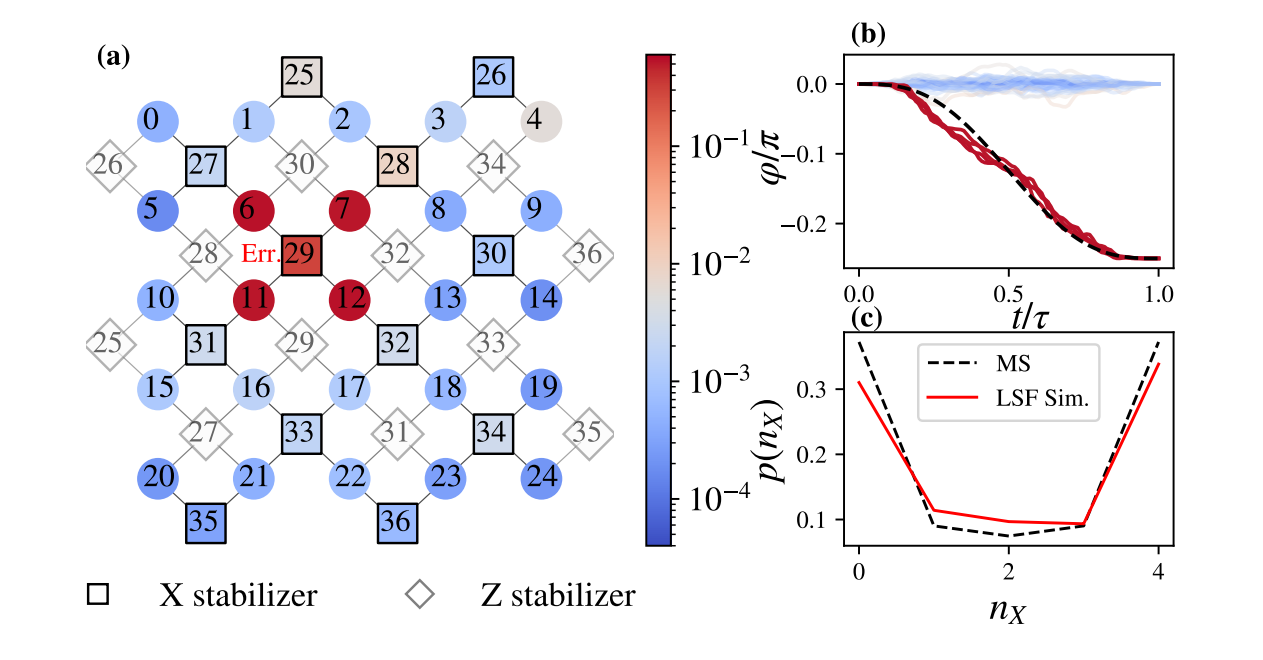
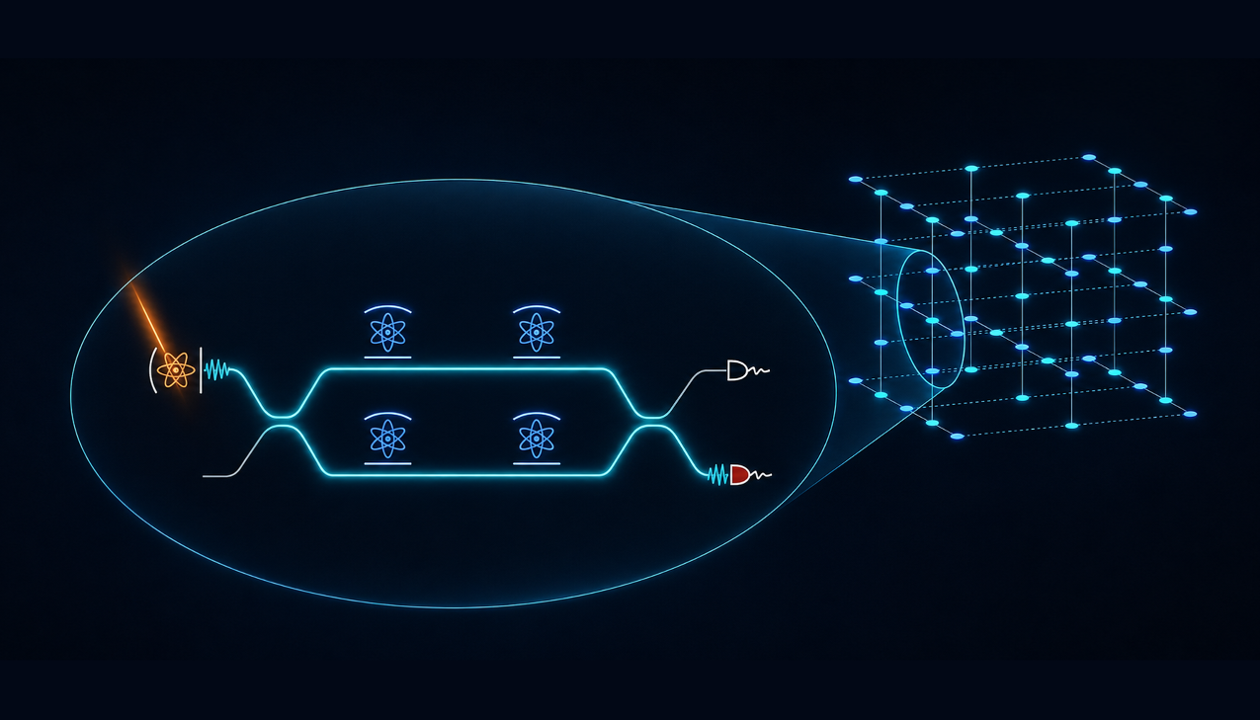
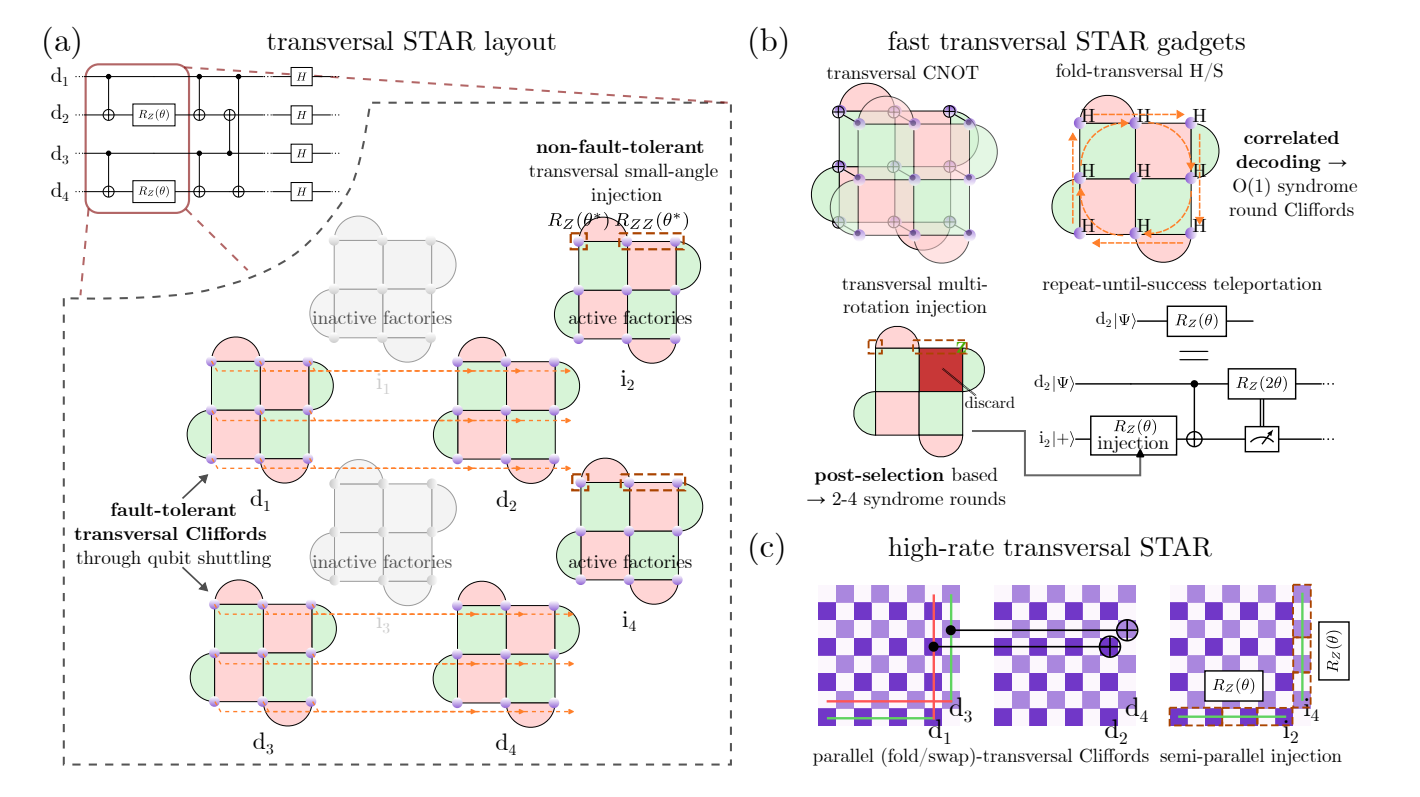
Overview of transversal STAR architecture.
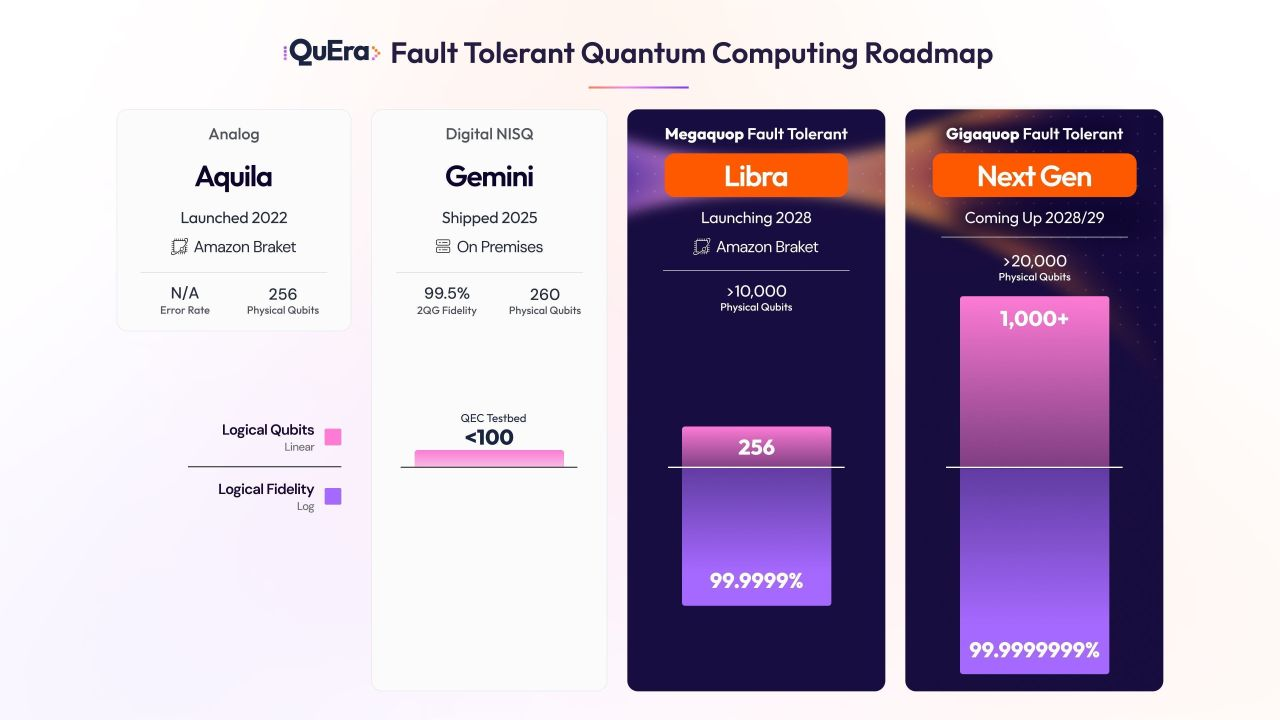
QuEra Computing and Los Alamos National Laboratory have introduced a co-designed quantum computing architecture named transversal STAR (Space-Time Efficient Analog Rotation). Published in PRX Quantum, the framework reduces the physical qubit overhead and gate-synthesis clock cycles required for early fault-tolerant quantum simulation. Designed specifically for neutral-atom hardware arrays, the architecture optimizes calculations in materials science, condensed matter physics, and non-equilibrium many-body dynamics, moving execution speeds closer to the “megaquop” regime—the milestone where an error-corrected system completes one million reliable logical operations.