For many Koreans, the global success of Korean food is more than a business story. It is emotional. It carries memories of home, family, school snacks, street markets, late-night meals and, in many cases, a quiet sense of pride that Korean culture has finally become familiar to people far beyond the peninsula.
I still remember how Korean food was first introduced to many international viewers through "Dae Jang Geum," also known as "Jewel in the Palace." In that drama, food was not presented simply. It demonstrated care, discipline, seasonality and devotion. The kitchen was not just a place for cooking. It was a space where knowledge, patience and affection were expressed through ingredients.
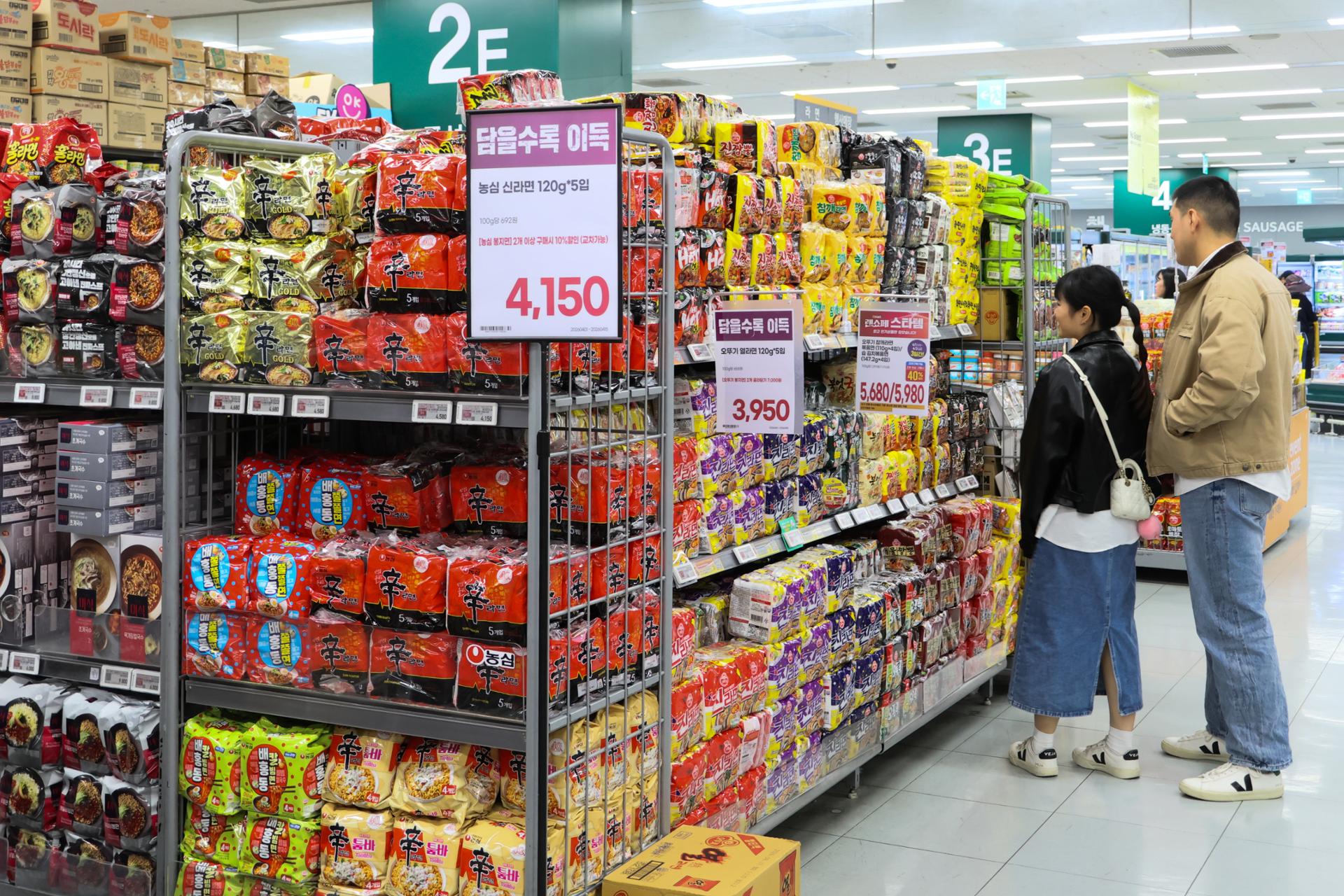
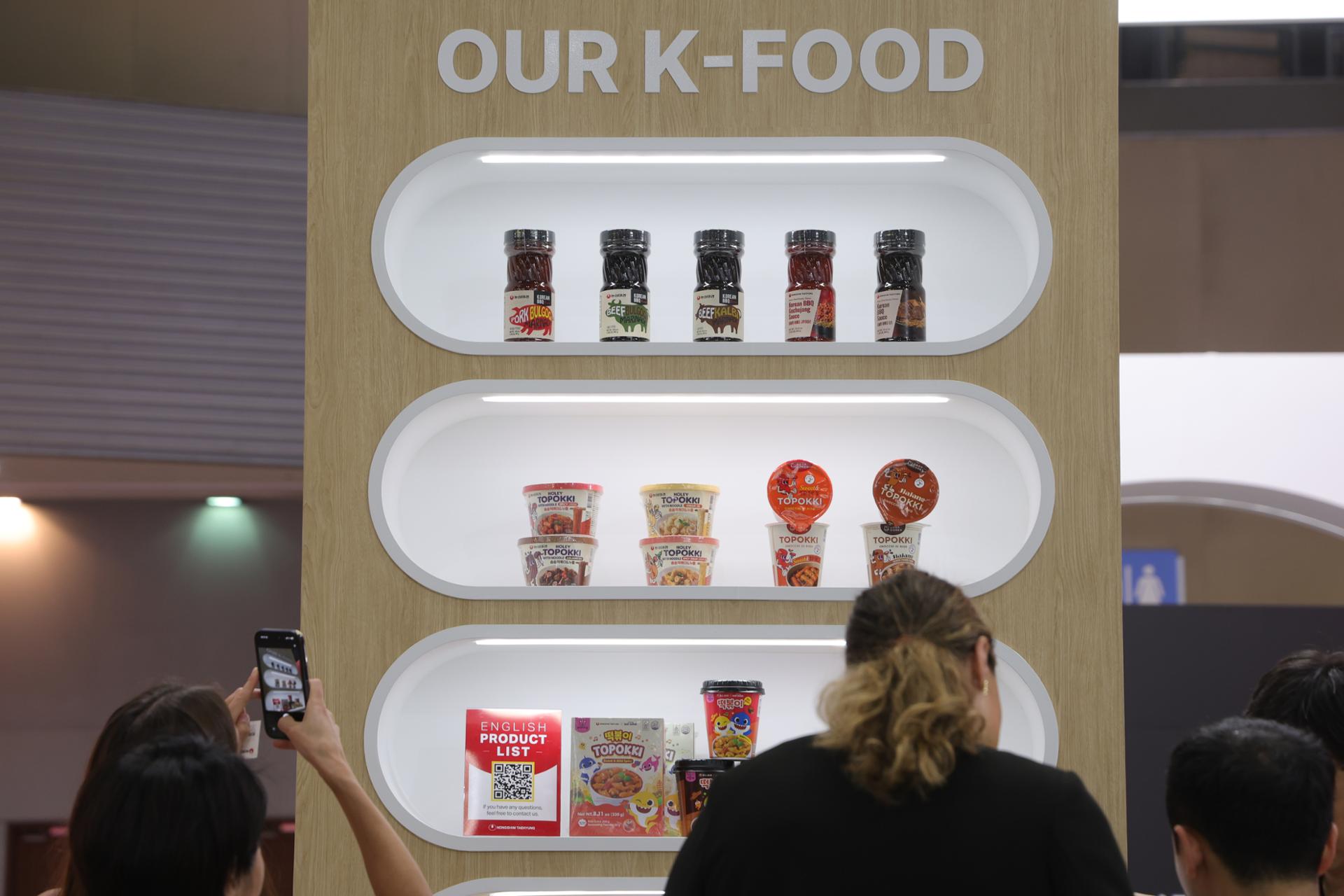
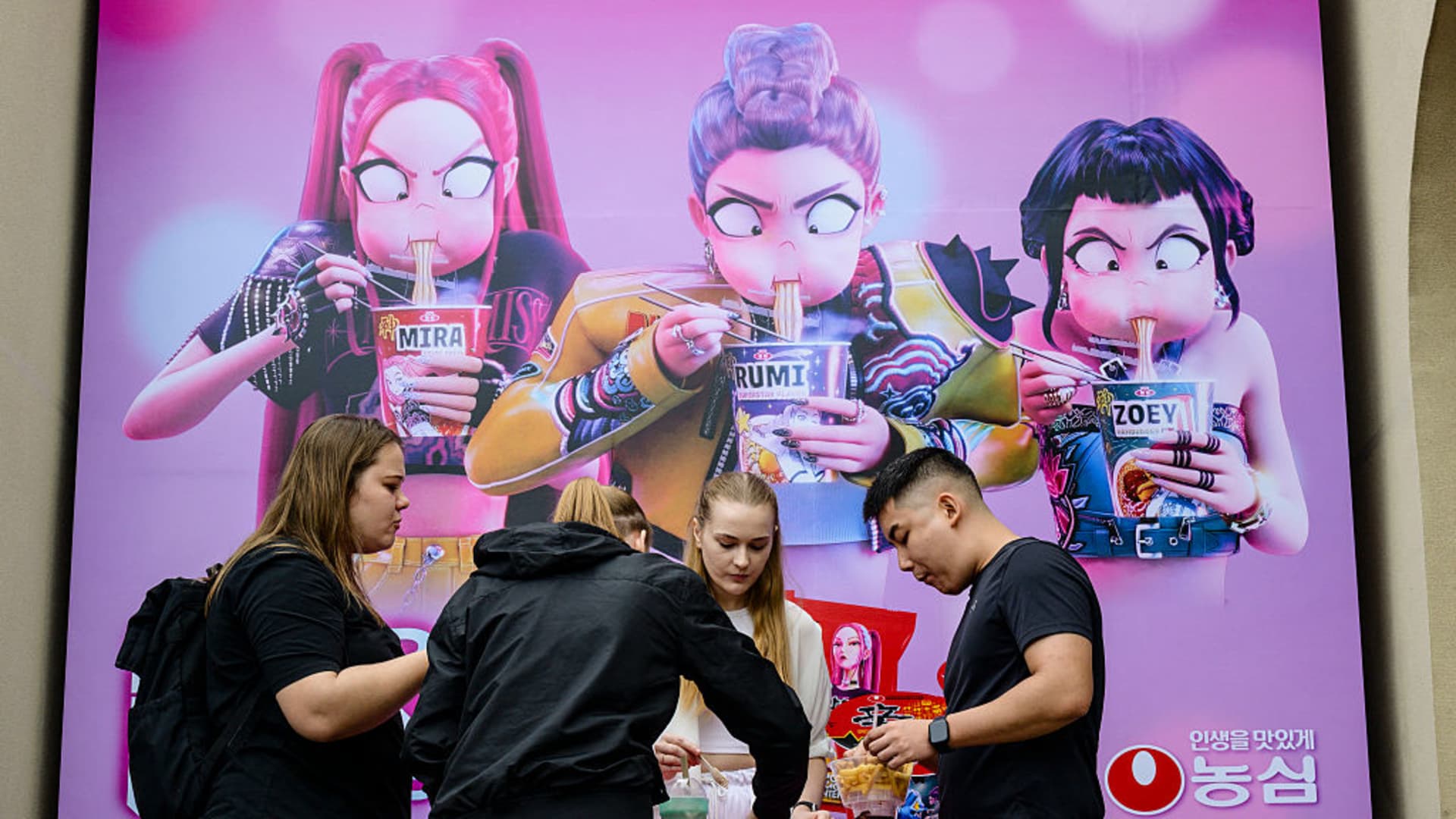
Since then, the global image of Korean food has changed dramatically. In the 2010s, mukbang videos brought Korean eating culture into the digital world. Later, Korean fried chicken, instant noodles, tteokbokki, bibimbap and kimchi have become familiar to people across the world. Today, it is no longer surprising to see international consumers themselves trying extra-spicy Korean instant noodles or lining up for Korean-style snacks, barbecue or street food.
This is a remarkable achievement. For a long time, Korean food was considered too strong, too spicy and too unfamiliar to be popular among global consumers. Now, those very characteristics have become part of its appeal. The heat, color and emotional intensity of Korean food fit well with the age of streaming platforms and global youth culture.