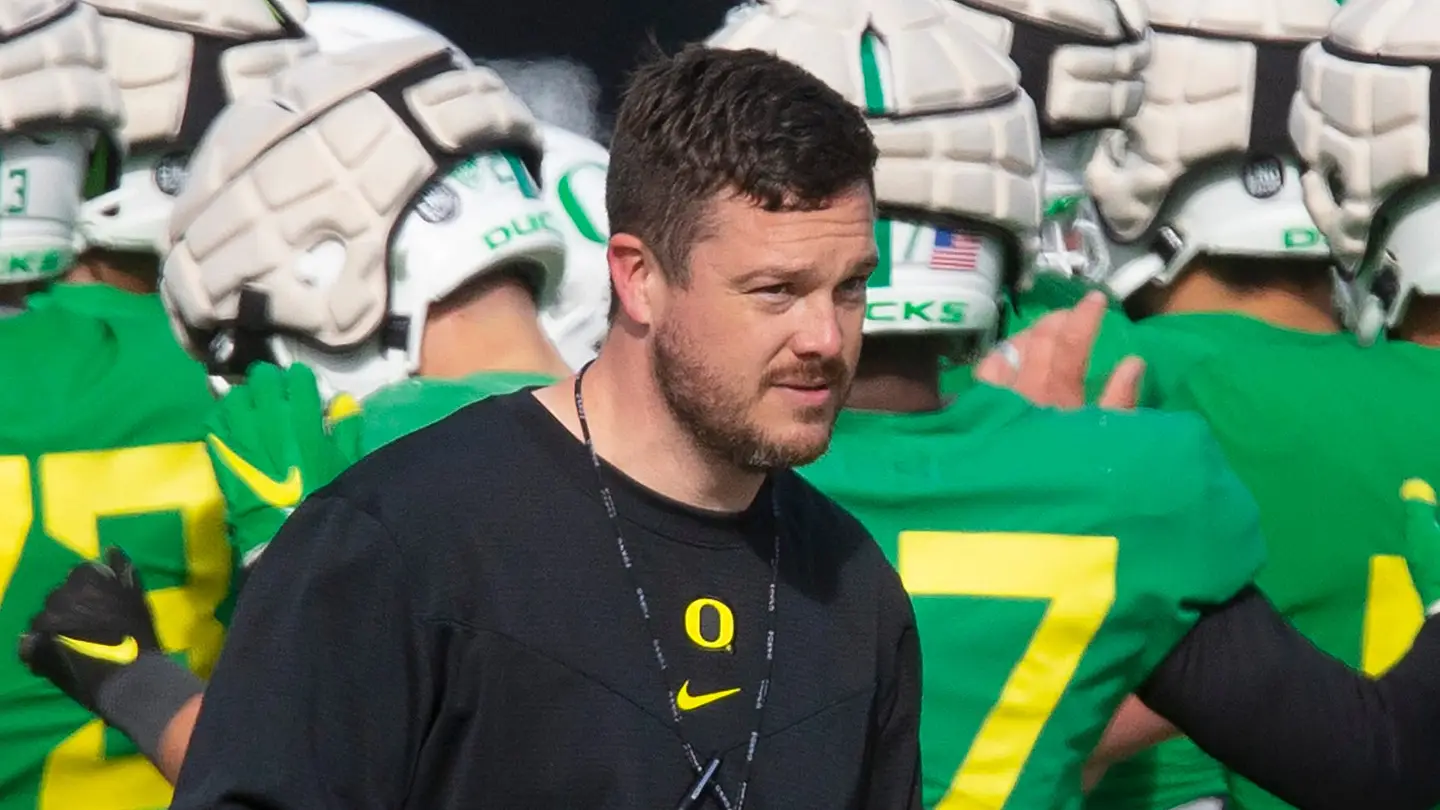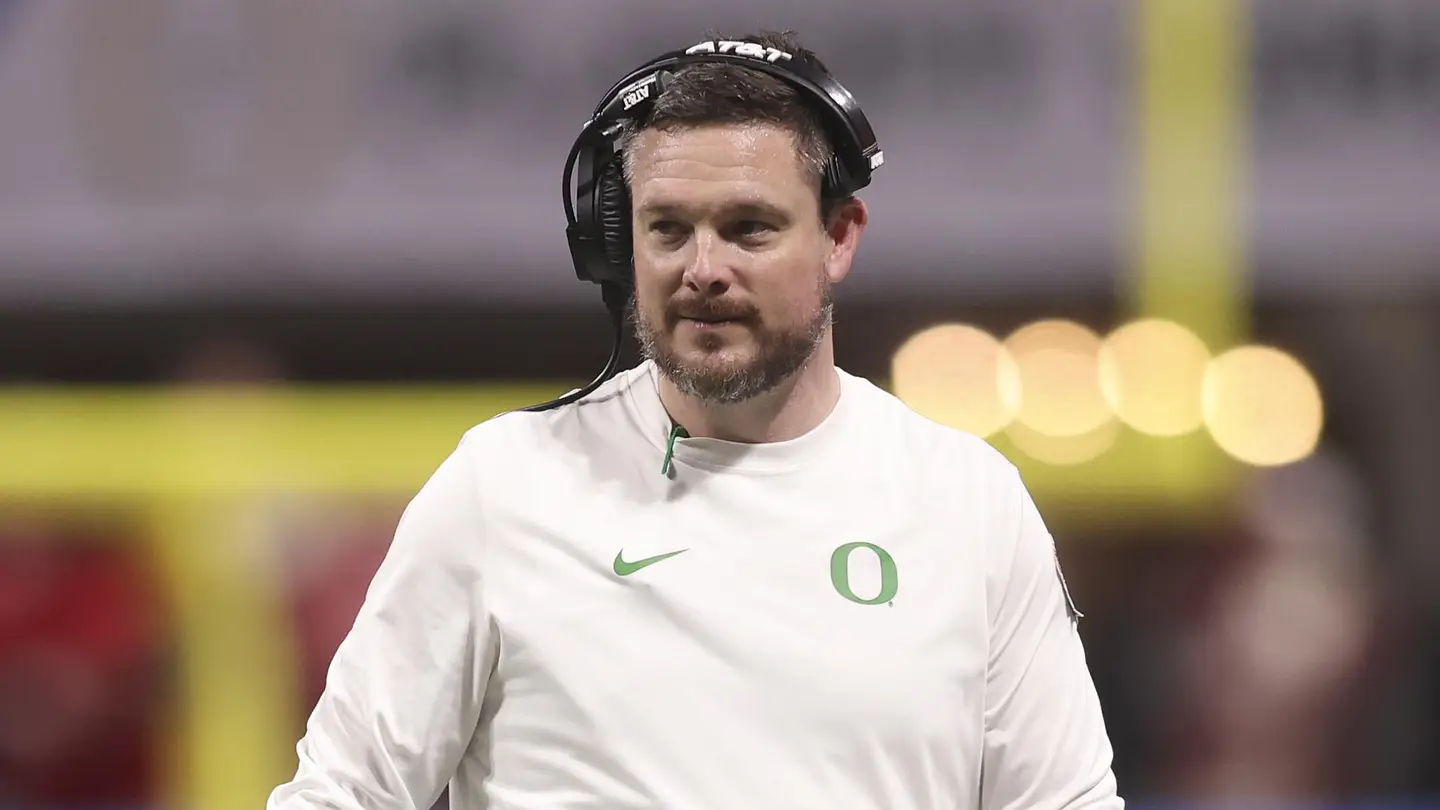
The future of college athletics welcomed a major factor for athlete eligibility on June 24, and it will impact Oregon Ducks athletics across the board.The college sports' governing body for Division I athletics, called the Division I Cabinet, unanimously voted to greenlight a five-year, age-based eligibility structure set to limit student-athlete tenures that span beyond an average college-age experience. As part of this new approved structure, redshirts would be no more.Oregon head coach Dan Lanning attends Oregon Pro Day on March 17, 2026, at the Moshofsky Center in Eugene, Oregon. | Ben Lonergan/The Register-Guard / USA TODAY NETWORK via Imagn ImagesThe Demise of the RedshirtOne of the reasons for implementing this new structure is to make eligibility parameters easier to understand. In the past several years, the NCAA has recieved quite a few lawsuits and public outcries regarding their ruling on certain eligibility cases.According to ESPN, "athletes in all sports will be given five years of eligibility over five seasons once their college eligibility clock begins. The clock starts upon initial full-time enrollment in college or at the beginning of the academic year following their 19th birthday, whichever occurs first."As this new guideline sets in, programs have the opportunity to either choose the old eligibility rules or enact the new ones for athletes with time remaining after the 2025-2026 school year, but athletes with four years of experience and no redshirt will have to move on from college athletics.This ruling also means that athletes who graduated out of their eligibility last year (think Indianapolis Colts linebacker Bryce Boettcher) will not get another year just because the rules have changed.Fighting Ducks outside linebacker Nasir Wyatt, right, blocks a pass by Combat Ducks quarterback Brock Thomas during the Oregon Ducks annual spring game on April 25, 2026 at Autzen Stadium in Eugene, Oregon. | Ben Lonergan/The Register-Guard / USA TODAY NETWORK via Imagn ImagesSeeing More Young BloodThe biggest shift on the field that will happen for the Ducks and programs across the board is that likely more young players will get a chance to experience in-game action. Due to redshirts, many coaching staffs opt to have freshmen or sophomore players sit out a year to learn from their more seasoned athletes. Now, with the time constraints, programs have to implement their players while the clock ticks down.This means expect to see several true freshman from the 2026 class get more than the previously four-game limit for a redshirt and get seven to ten games to maximize their talent. That means freshmen offensive linemen Tommy Tofi and Immanuel Iheanacho may line up in the trenches more as relief linemen or freshman wide receiver Messiah Hampton becomes a main target in the backfield.What the new ruling arguably impacts the most is offensive and defensive linemen. Likely, programs like Oregon will begin to put more scrutiny on the linemen they take instead of just looking at size simply due to the dwindling amount of time the program gets to develop their athletes without risking injury during a game.Oregon’s Markus Dixon, left, signs autographs for young Duck fans during the Oregon Spring Game at Autzen Stadium in Eugene April 25, 2026 | Chris Pietsch/The Register-Guard / USA TODAY NETWORK via Imagn ImagesThe Junior College FactorAnother wrinkle in this new ruling is that an athlete can either have their eligibility clock start when they initially enroll, or the academic year after their 19th birthday. For high school recruits, things go as normal. For junior college athletes, that means their clock can start after a potential three years developing at a JUCO.The JUCO aspect of eligibility has been controversial for many years, with Oregon coach Dan Lanning speaking about the topic all the way back in 2024 when then-Vanderbilt quarterback Diego Pavia got a court injunction to not count his junior college years as part of his eligibility.“I think there’s time for that. I don’t know that it will be as easy as maybe people read into," Lanning said in 2024. "But again that really hasn’t been my focus right now. And I don’t think it’s really been those players’ focus either. We’ll cross that bridge when we get there, if there’s an ability to create that or not, we’ll see.”Combat Ducks wide receiver Iverson Hooks carries the ball during the Oregon Ducks annual spring game on April 25, 2026 at Autzen Stadium in Eugene, Oregon. | Ben Lonergan/The Register-Guard / USA TODAY NETWORK via Imagn ImagesVeterans Staying In CollegeFinally, this new decision from the NCAA will likely keep four-year athletes from declaring for the NFL Draft to play out the rest of their tenure in college. This is already somewhat happening due to NIL deals sometimes eclipsing what an athlete could make at the professional stage, but it'll likely become a bigger factor as an athlete's tenure is now a ticking clock.All of this is to say that the competition to get on the field and play for a team like Oregon will be fierce, especially now that athletes know there's a definitive expiration date on their college experience.Sign up to our free newsletter and follow us on Facebook, X and Instagram for the latest news. Add us as a preferred source on GoogleFollow
How the NCAA's Eligibility Model Vote Impacts Oregon Ducks Athletics
The future of college athletics welcomed a major factor for athlete eligibility on June 24, and it will impact Oregon Ducks athletics across the board. The coll
867 words~4 min read