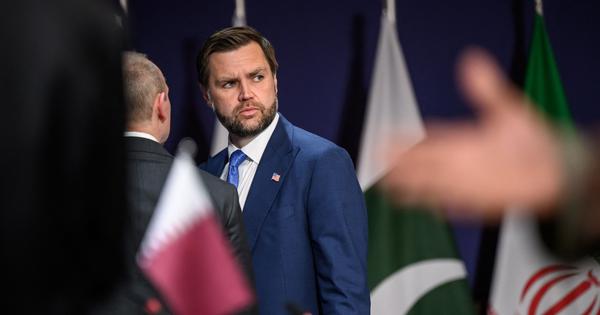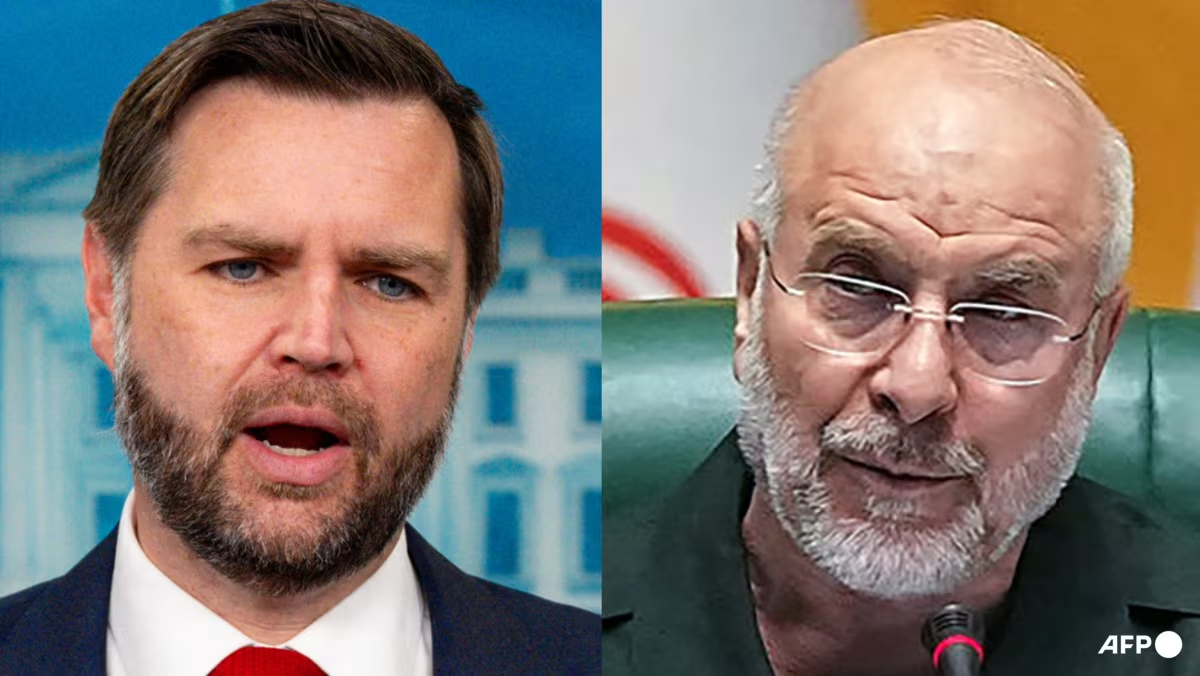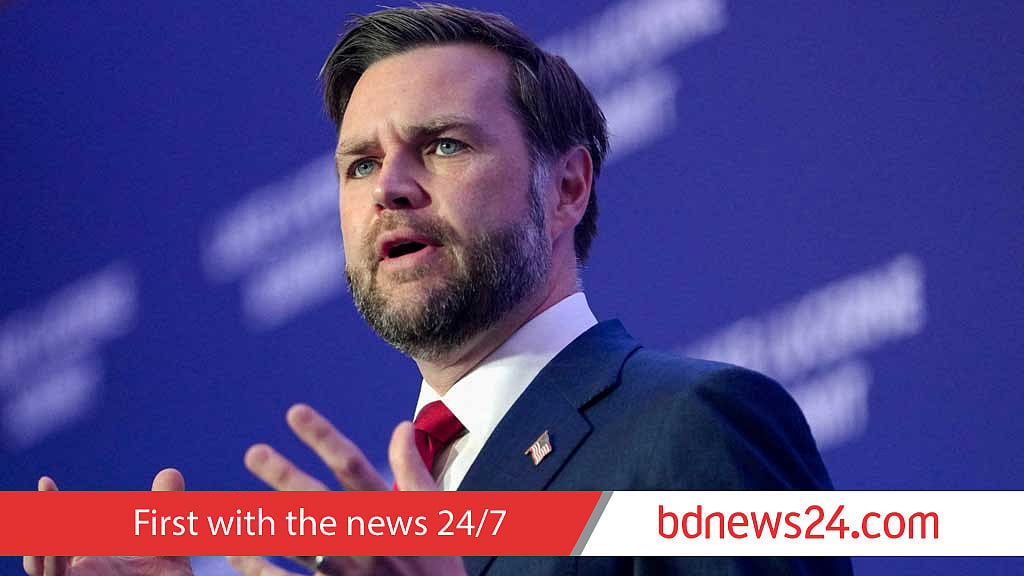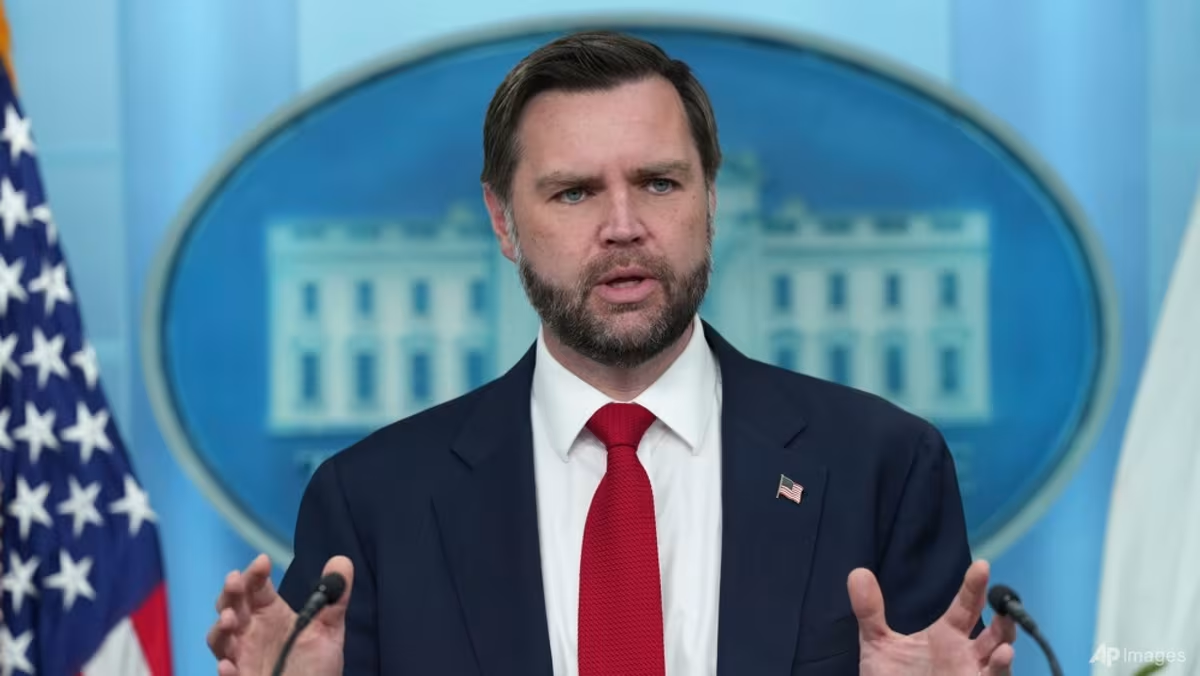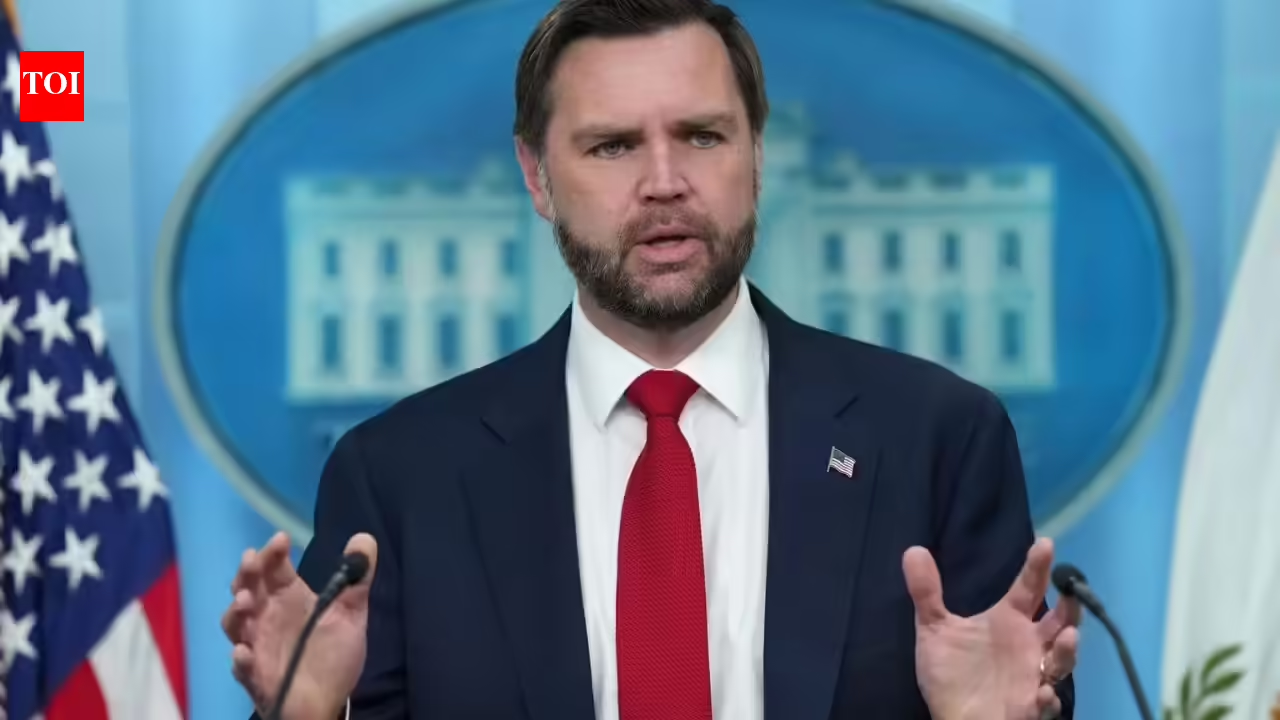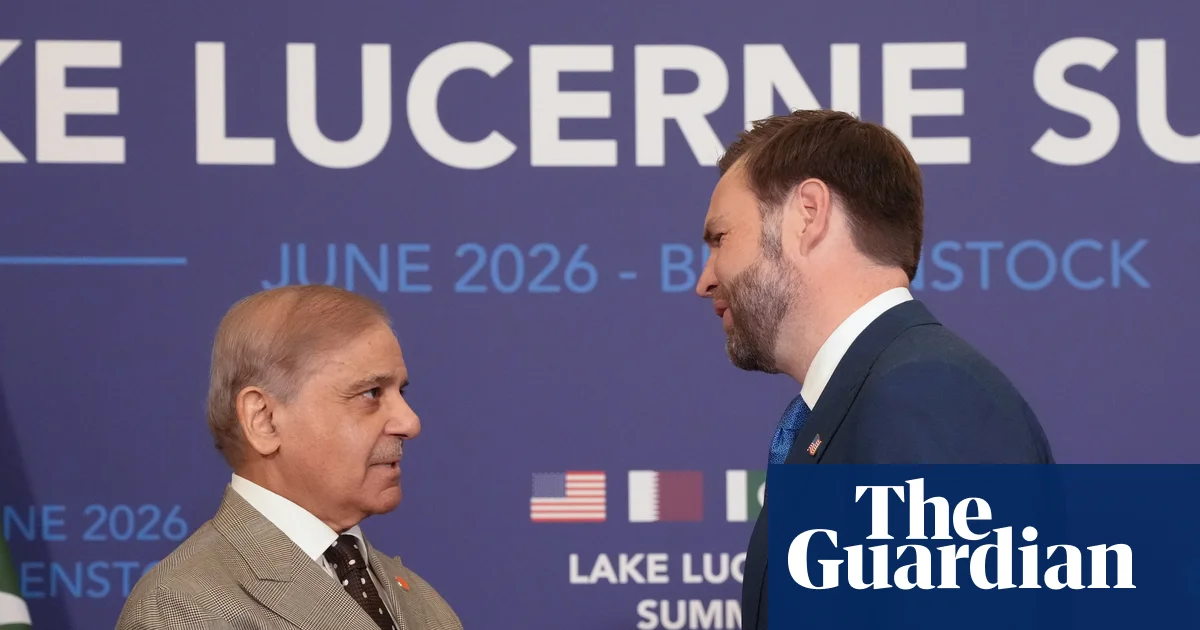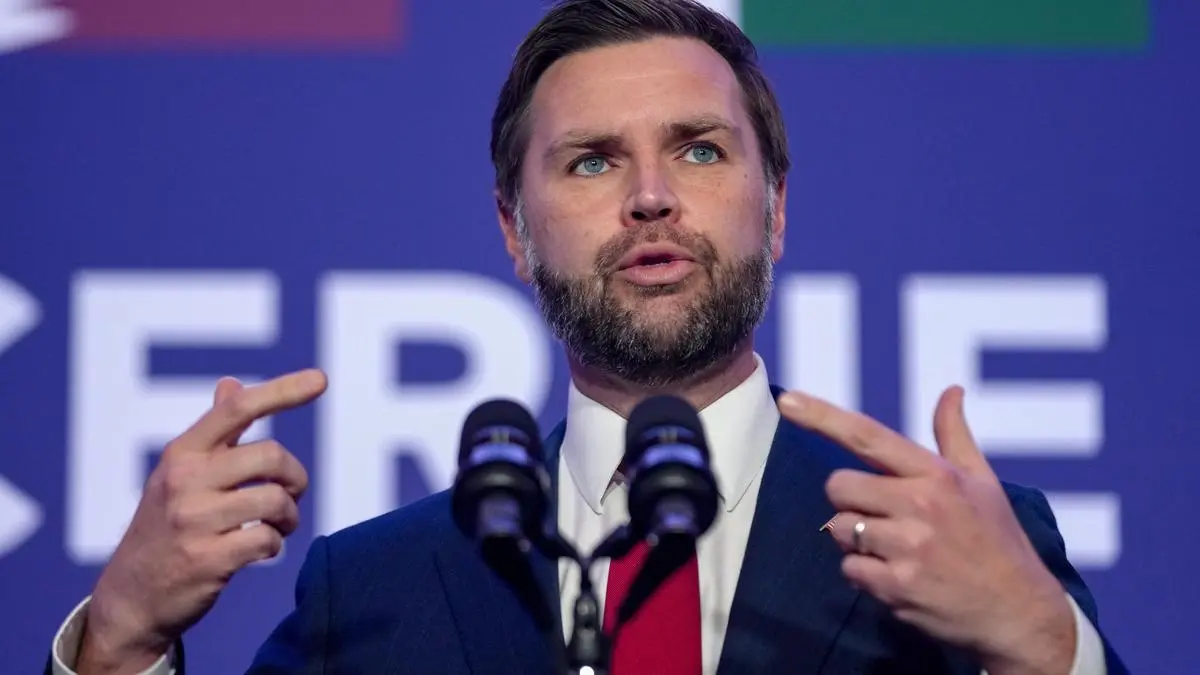
US Vice President JD Vance has said that if Iranian assets are ever unfrozen, they’re going to make American farmers richer and feed the Iranian people
| Photo Credit:
Only the very naïve would have been under the impression that the meeting between the US and Iran to nail down the finer details of a peace deal in a 60-day time-frame is going to be easy. Or for that matter, that the two sides were not going to dispute what the other had said or implied in the course of negotiations. This is precisely what is taking place in Switzerland where even the first day got off to a rocky start with the Iranians supposedly walking out protesting the “bullying” of President Donald Trump in social media posts and in an interview to Fox News.For a conflict of 100 days plus that started without clearly defined objectives, Lebanon has become one of the major sore points of contention. For quite some time Tehran has been maintaining that a total ceasefire in Lebanon should be adhered to if the deal with the US has to mean anything at all. But for all the talk of ceasefire and ongoing negotiations between the US, Israel and presumably even Iran in Washington, the government of Prime Minister Benjamin Netanyahu refuses to take the heat off the Hezbollah.The Hezbollah is perhaps the only standing proxy of Iran in the Middle East with the Hamas now virtually decimated. But Tel Aviv has said that it will not let up its offensive against the fighters or remove its presence from southern Lebanon.The Hezbollah started firing rockets into northern Israel when the US started its bombing runs against Iran on February 28. In ways more than one, Lebanon plays a central role in any comprehensive deal materialising between Washington and Tehran; and in an election year it remains to be seen how much pressure President Trump is able to lay on Prime Minister Netanyahu, who, incidentally, also faces polls.Buying from the USIn Switzerland, differences have also cropped up on the subject of sanctions and unfreezing of Iranian assets and these go much beyond the question of timing.According to reports, talks are under way to have frozen Iranian assets released, but with a caveat that Tehran could use these funds to buy food and medical supplies only from the US. “If Iranian assets are ever unfrozen, they’re going to make American farmers richer and feed the Iranian people,” Vice President JD Vance has said. But Iran says it should have full freedom on how it spends the money, including in the purchase of non-sanctioned goods.The real and major stumbling block is on the nuclear assets and programme of Iran with Washington insisting that Tehran has agreed to allow inspectors from the International Atomic Energy Agency (IAEA) back into the country. If Vice President Vance claimed on Monday that discussions with the IAEA could be happening “as soon as today”, Iranian foreign ministry insisted that “no new commitments” on nuclear inspections had been made. And President Trump added his bit saying that despite “protestations and false statements to the contrary”, Tehran had “fully and completely agreed” to inspections. “If they did not agree to this, there would be no further negotiations,” he wrote on social media.In all the brave talk, there is a bottom line for President Trump and the clerics: the politicians need to act tough. If the regime in Iran is quite mindful of the backlash it is receiving from hardliners for even talking to Washington, President Trump has more on his plate than the upcoming Congressional elections.The IAEA and its inspectors are nothing new to Iran, but President Trump knows that critics will invariably be comparing how this nuclear deal is “better” than what President Barack Obama put together in 2015 that was binned in 2018 on the pretext of being weak.The writer is a senior journalist who has reported from Washington DC on North America and United NationsPublished on June 25, 2026