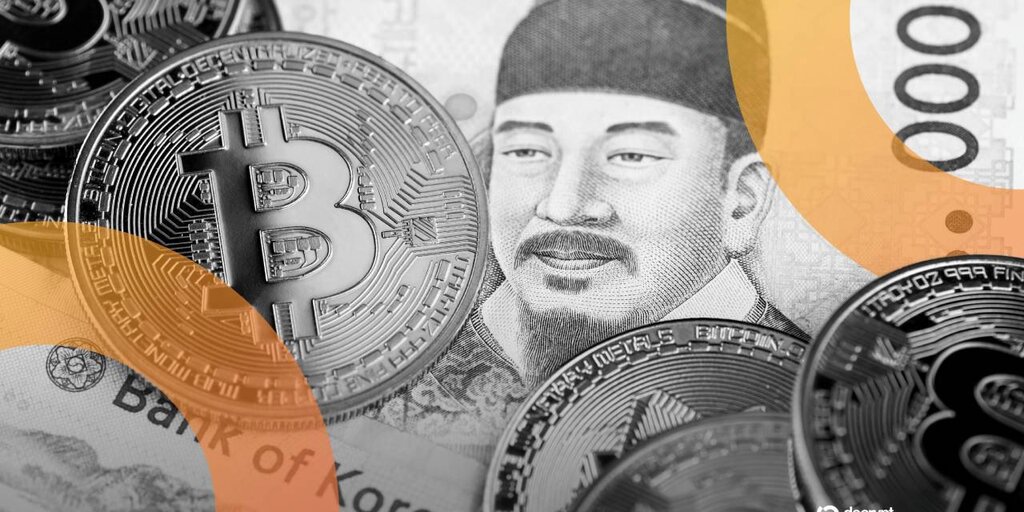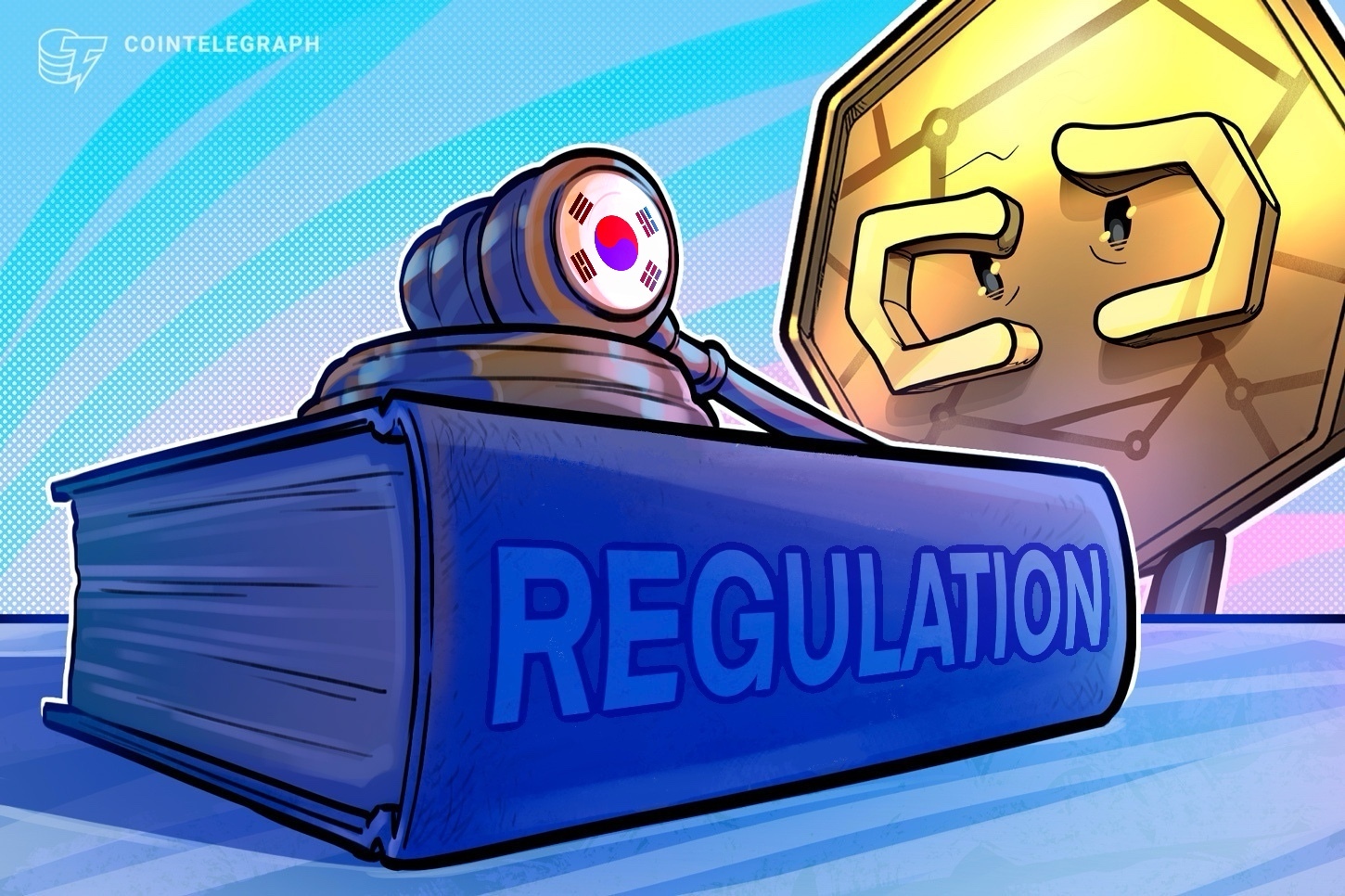
Regulators on two continents are trying to figure out who makes the rules when crypto crosses a border. On June 23, a delegation of South Korean officials and digital asset industry representatives met with the SEC’s crypto task force in Washington, D.C., with stablecoins, tokenized securities, and cross-border regulatory cooperation at the center of the conversation.
The SEC published a meeting memorandum documenting the session, signaling that this was not an informal chat. No immediate market-moving announcements came out of it, but that is almost beside the point.
What they were actually talking about
South Korea’s delegation brought reform proposals around stablecoin frameworks and transaction reporting to the table, pushing for clarity on how these instruments should be treated across jurisdictions.
Tokenized securities were also on the agenda. In plain terms, tokenized securities are traditional financial assets, think stocks or bonds, converted into digital tokens that can be traded on a blockchain. The regulatory question is thorny: if a South Korean firm issues a tokenized bond and a US investor buys it, which regulator has authority, and under which rulebook?