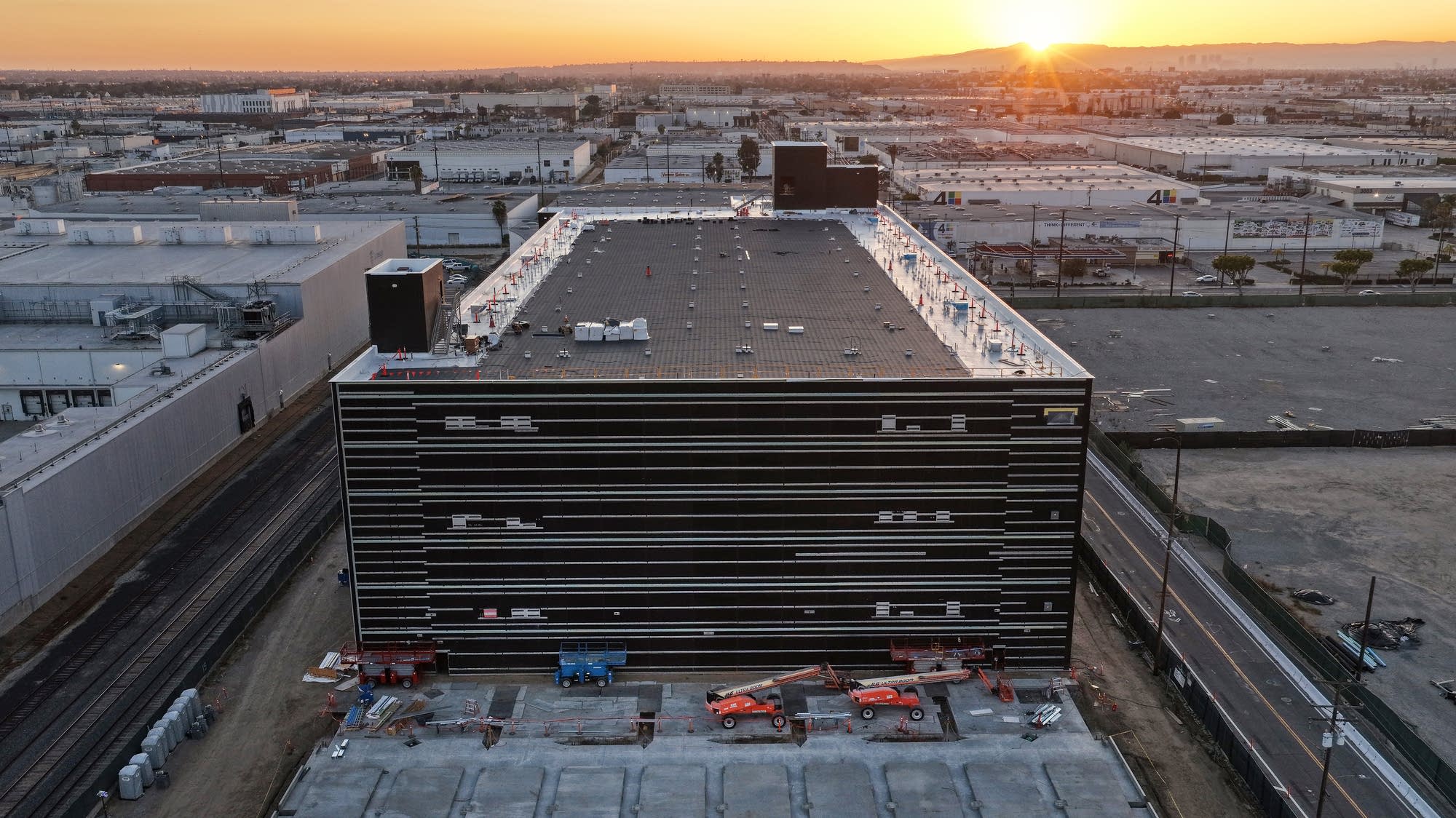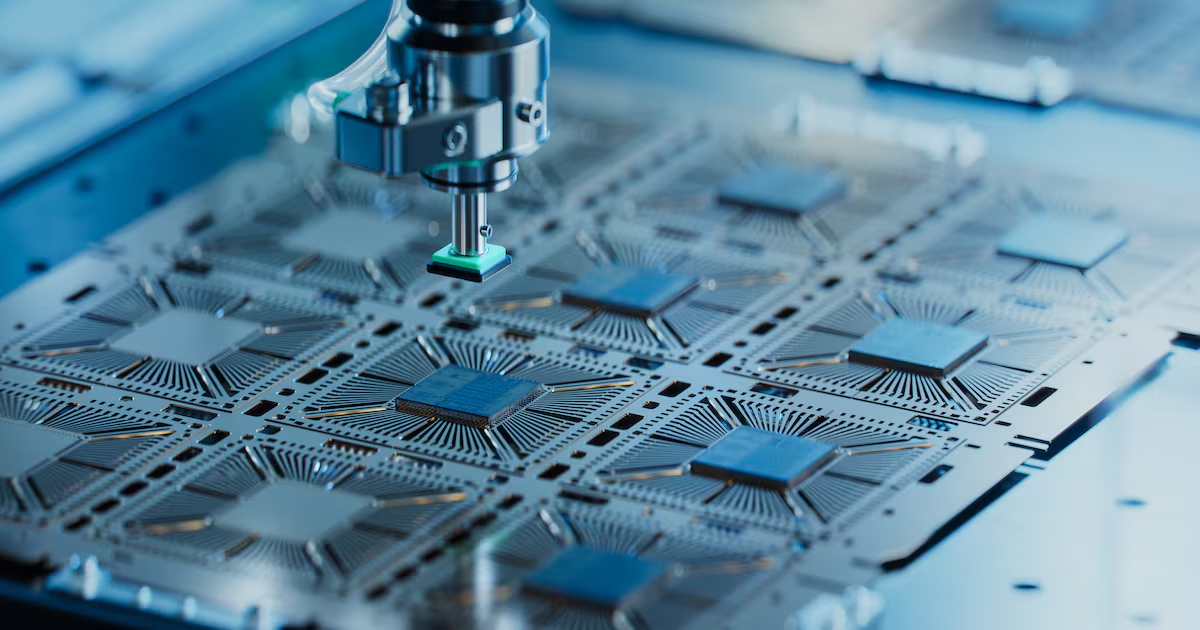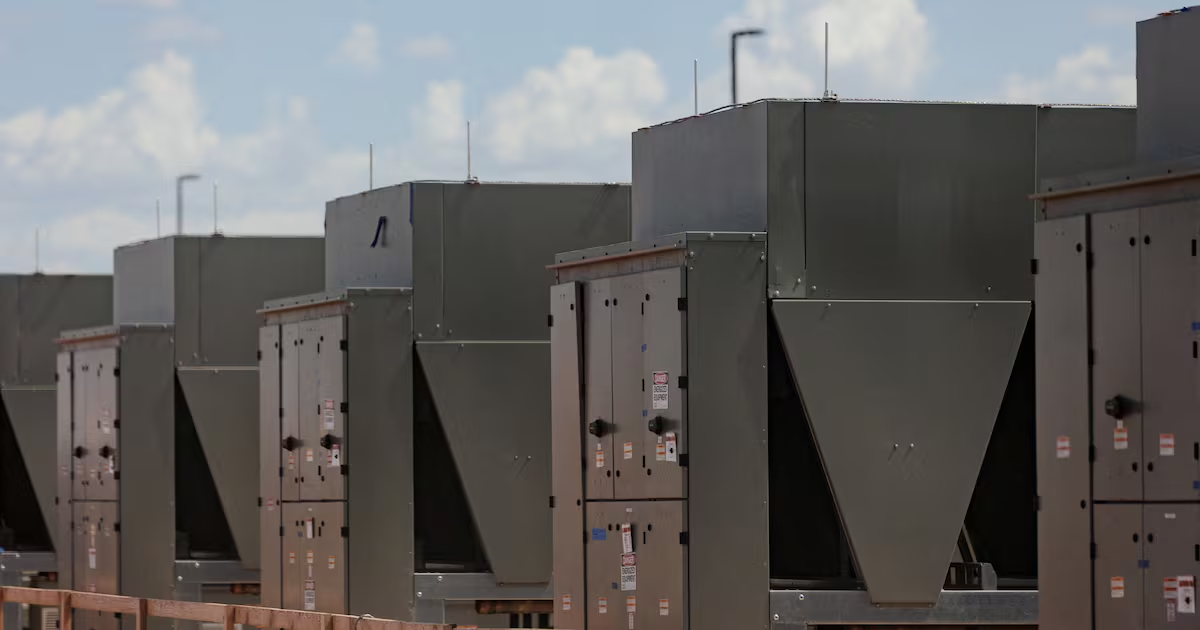
A boom in investment by multinational companies in equipment tied to artificial intelligence (AI) and data centres is likely to put a gloss on the Irish economy this year, despite uncertainty in the Gulf, the Economic and Social Research Institute (ESRI) has said.The think tank has increased its expectations for inflation in the Republic in 2026, while also lowering its forecasts for consumer spending. The figures are detailed in the ESRI’s summer economic commentary, published today.Economists from the institute said they expect higher global energy prices – arising from the “uncertain and fluid” situation in the Middle East – to accelerate headline inflation in the Irish economy this year, squeezing household incomes, which will fail to keep pace with price rises. ESRI research assistant Dónal O’Shea said energy price inflation will fuel price growth in other areas of the consumer basket, including food, later in the year. “Food prices typically lag fuel price increases by about nine months, so we’ve already seen in the last couple of months that input prices for agricultural production have increased rapidly,” he said on Wednesday. “That’s both fertiliser and feed and green diesel. Diesel is also central to the distribution of food. Most of our food is brought to shops in diesel trucks.”Still, the ESRI raised its growth expectations for the domestic economy as a whole. Modified domestic demand – often seen as a better measure of the economy because it excludes the distorting effects of large aircraft leasing and intellectual property transactions by multinationals – is now forecast to grow by 2.6 per cent this year. That compares to 2.1 per cent previously. That growth is being driven by investment in information and communication technology equipment, which has ballooned in recent months. “This investment has been linked to the import of equipment for data centres, particularly those used to facilitate [AI],” the ESRI said.“These would be, for example, the chips or the processors, or the pieces of material that are needed for the data centres that are here in Ireland,” said institute research professor Conor O’Toole. The ESRI is now forecasting investment levels in this area to remain higher than historical norms in the short to medium term because the materials involved have “a very short shelf life”, said O’Toole. “The chips have to be replaced on short life cycles, so there will not only be [capital formation] where new ones go ahead, but there’ll be high depreciation investment.”The Central Bank of Ireland, which also increased its forecast for modified domestic demand this year, said last week that investment by multinational firms in artificial intelligence-related infrastructure and data centres has had “positive implications” for the headline economy.The central bank and the ESRI have said it is too early to say definitively what sort of impact AI will have on the Irish labour market.However, highlighting research published by the institute and the Department of Finance earlier this year, ESRI director Alan Barrett said about 7 per cent of Irish jobs could be displaced by the technology. “The more telling finding in that report was that the income losses from the job destruction would be greater than the income increases from the job enhancements,” he said.That is “a very worrying finding”, said Barrett, and suggests that overall, AI “could be sort of negative for Ireland”.
AI boom to put gloss on domestic Irish economy despite rising inflation, says ESRI
Think tank has raised its forecasts for inflation, driven by soaring energy prices due to ‘fluid’ situation in the Gulf
550 words~3 min read