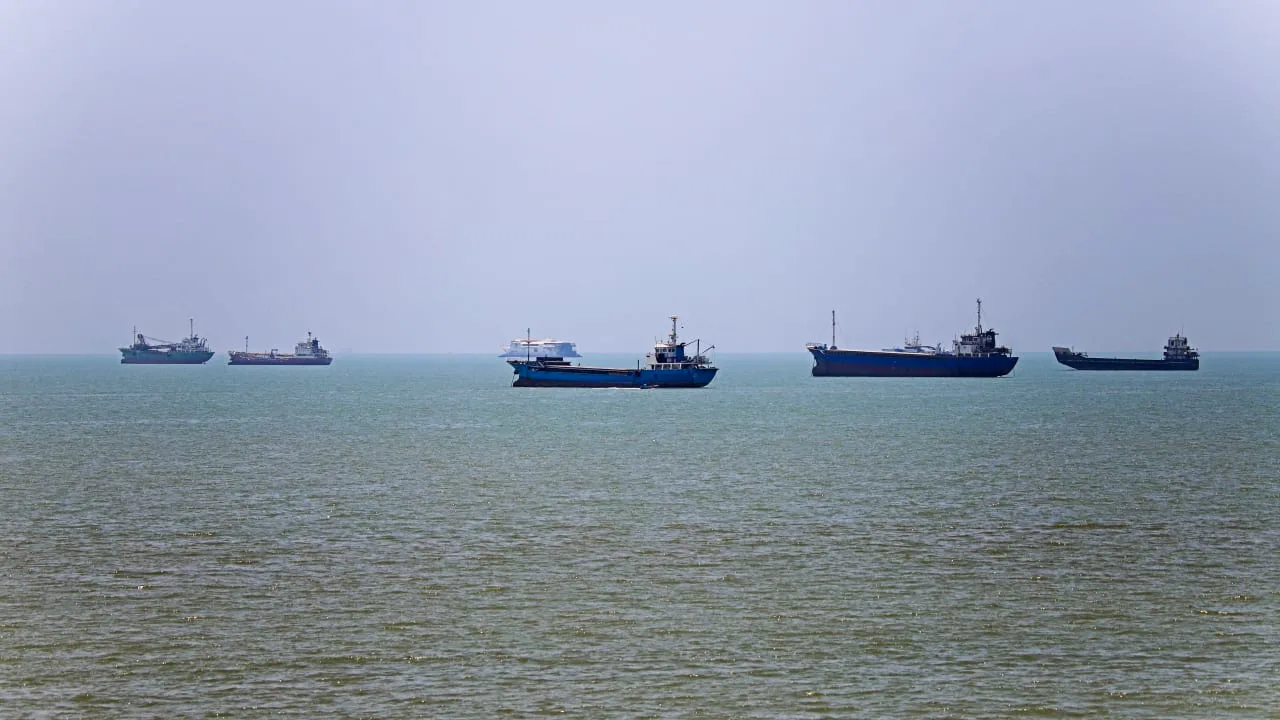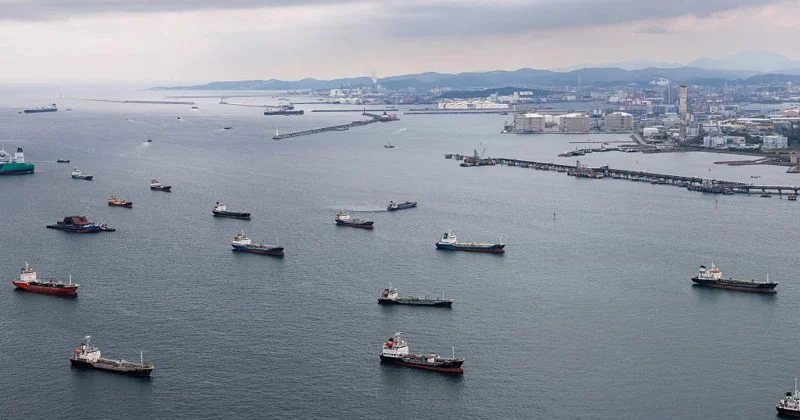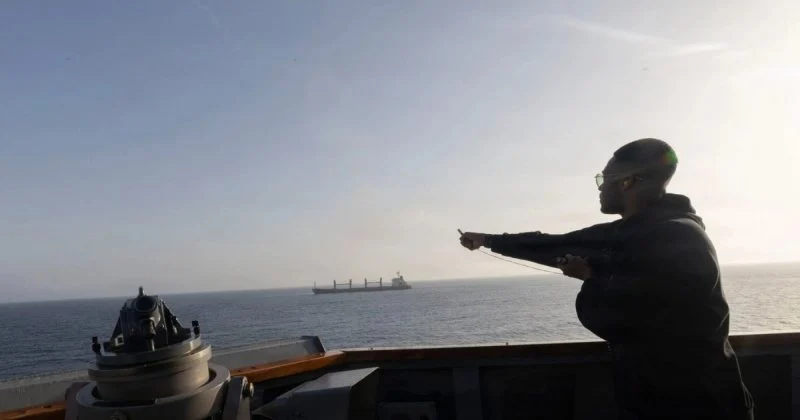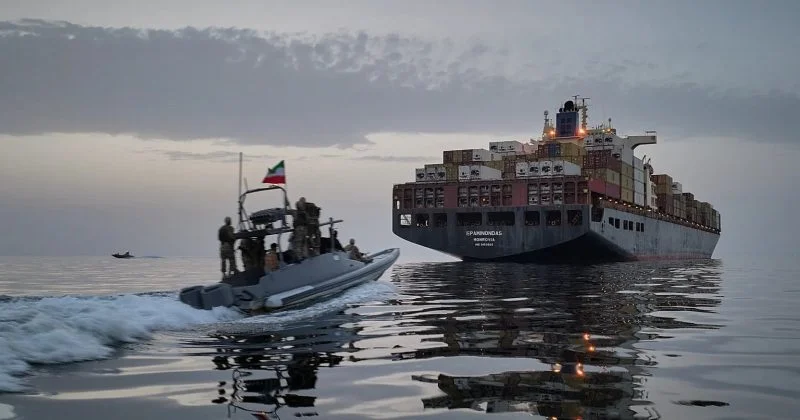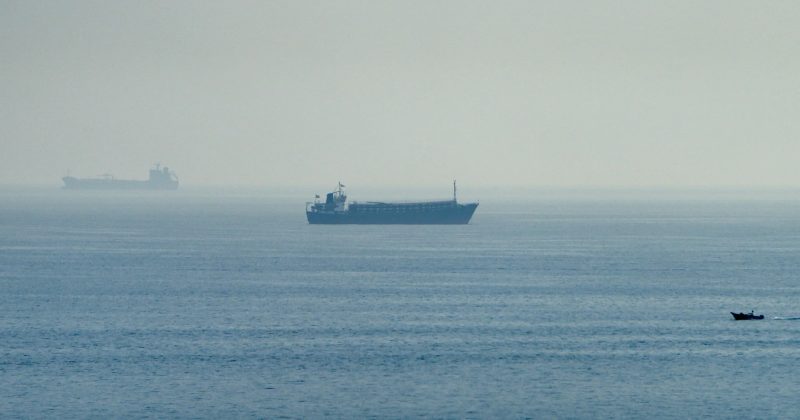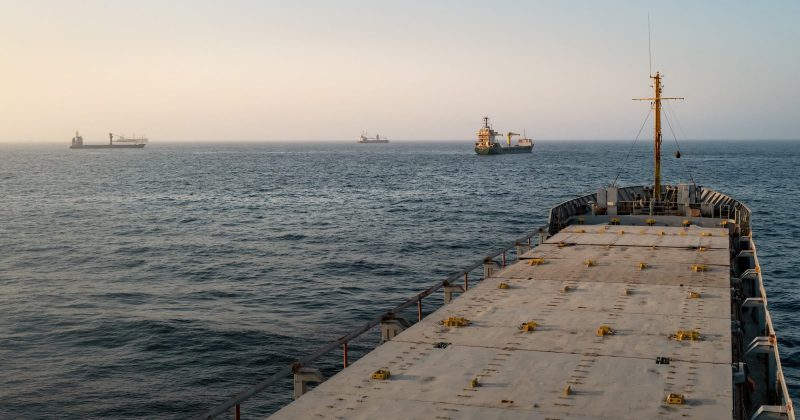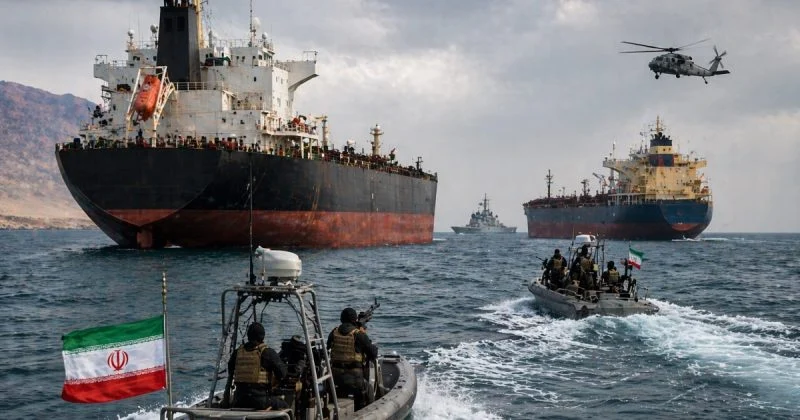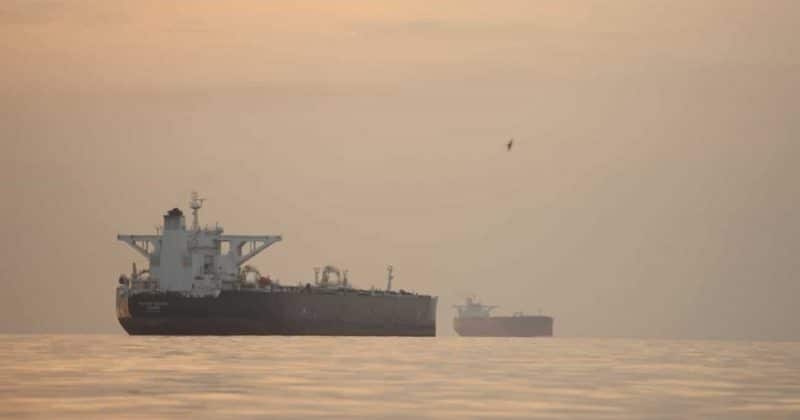
Iran has imposed new restrictions on transit through the Strait of Hormuz, requiring ships to gain authorization from its IRGC-run Persian Gulf Strait Authority. This development further complicates the geopolitical landscape, especially as it excludes Israeli-linked ships and reflects Iran’s increased control over the strategically vital waterway. These measures come in retaliation for the 2026 U.S.-Israel air war, which resulted in significant regional tensions. The market implications are notable, as this situation could influence the deployment of international naval forces to ensure freedom of navigation.
Key Takeaways
Iran’s new transit requirements for the Strait of Hormuz suggest increased control and potential disruptions, impacting international shipping routes.
Market pricing indicates a heightened likelihood of countries considering military measures to ensure passage, particularly with the exclusion of Israeli ships.
The probability of Strait of Hormuz traffic normalization by July 31 appears to be decreasing, reflecting concerns over Iran’s restrictive policies.