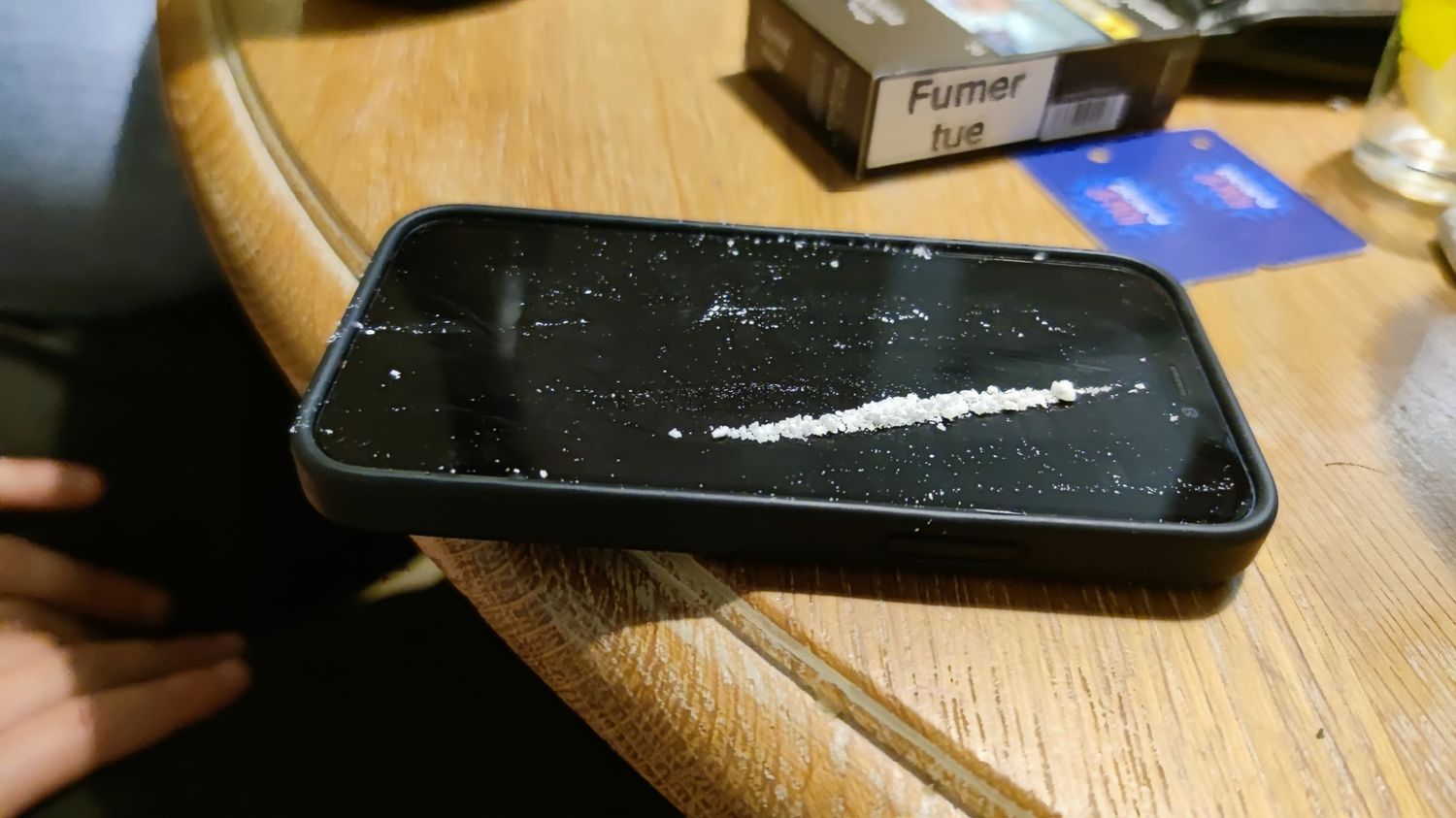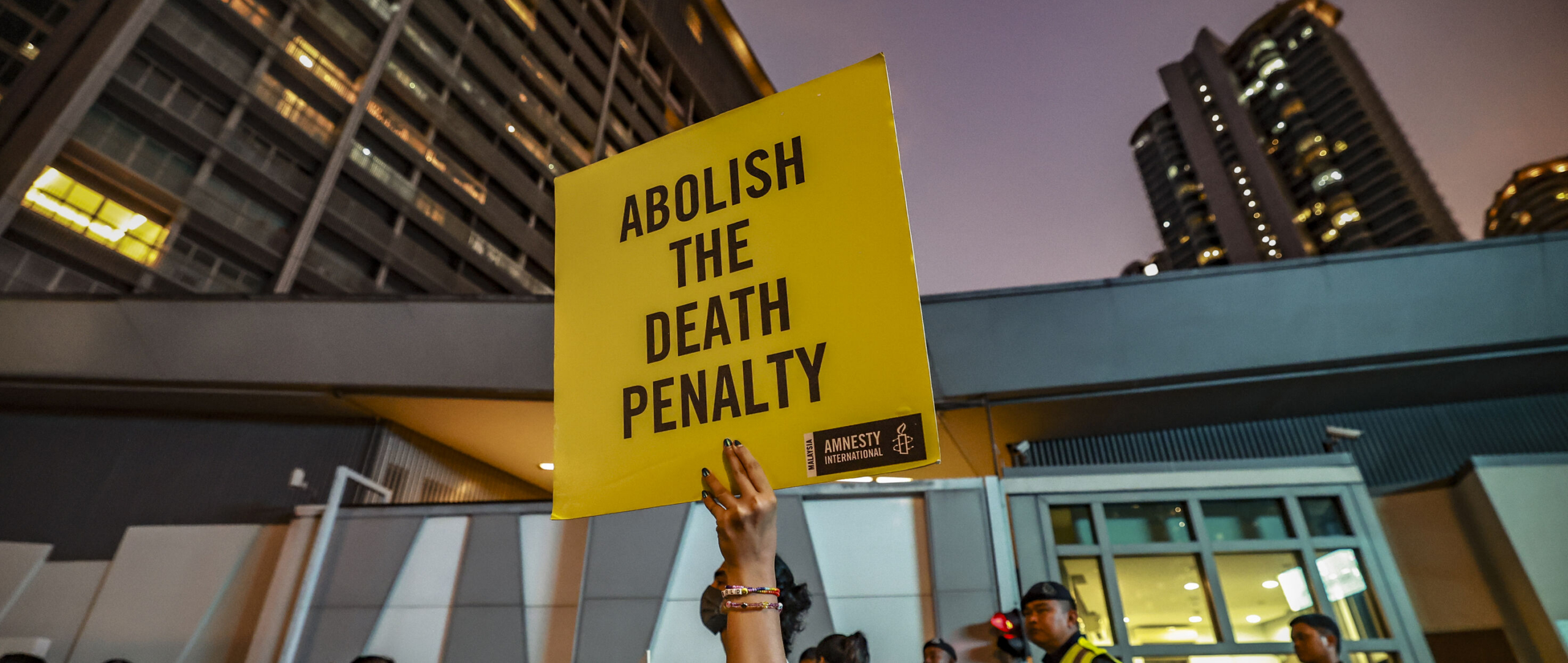
The UN Office on Drugs and Crime (UNODC) and the Commission on Narcotic Drugs (CND) must take urgent action to condemn the unlawful use of the death penalty for drug-related offences and work with UN member states towards abolishing this cruel punishment once and for all, Amnesty International and Harm Reduction International said ahead of World Drug Day on 26 June.
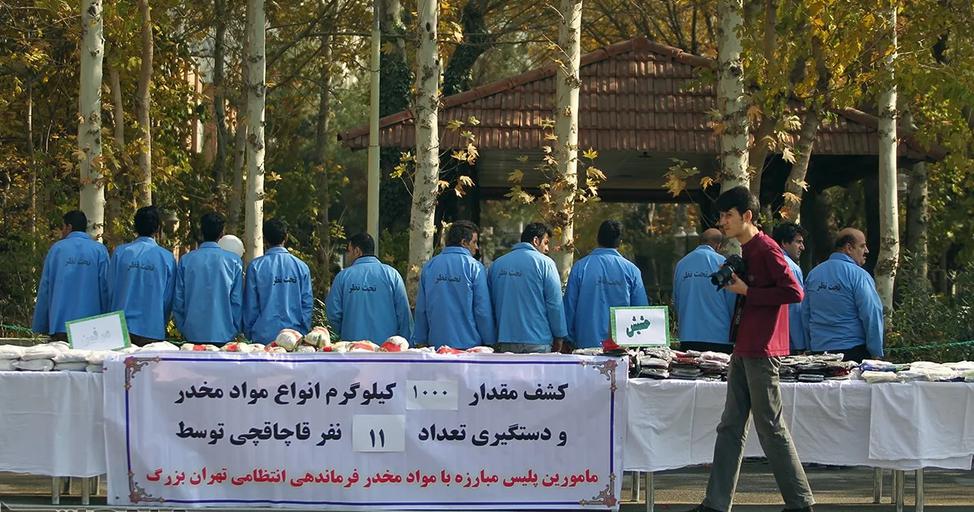
Drug-related executions have soared in recent years, representing more than 40% of the total number of executions recorded worldwide. In 2025 alone, close to half (1,257 or 46%) of all known executions recorded independently by Amnesty International and Harm Reduction International were for drug-related offences, in five countries: China, Iran, Kuwait, Saudi Arabia and Singapore. Meanwhile, Algeria, Kuwait, and the Maldives made legislative efforts to expand the scope of the death penalty to include drug-related offences.
Jordan also resumed executions earlier this week, for the first time in nine years, executing six people, while the Prime Minister announced plans to expand the scope of the death penalty to include certain drug-related offences.
“The death penalty is an abhorrent practice with no place in today’s world. As executions for drug-related offences reach shocking levels, the continued silence and inaction from UNODC and the CND is deplorable and leave their stated commitment to human rights empty of meaning,” said Chiara Sangiorgio, Amnesty International’s expert on the death penalty.