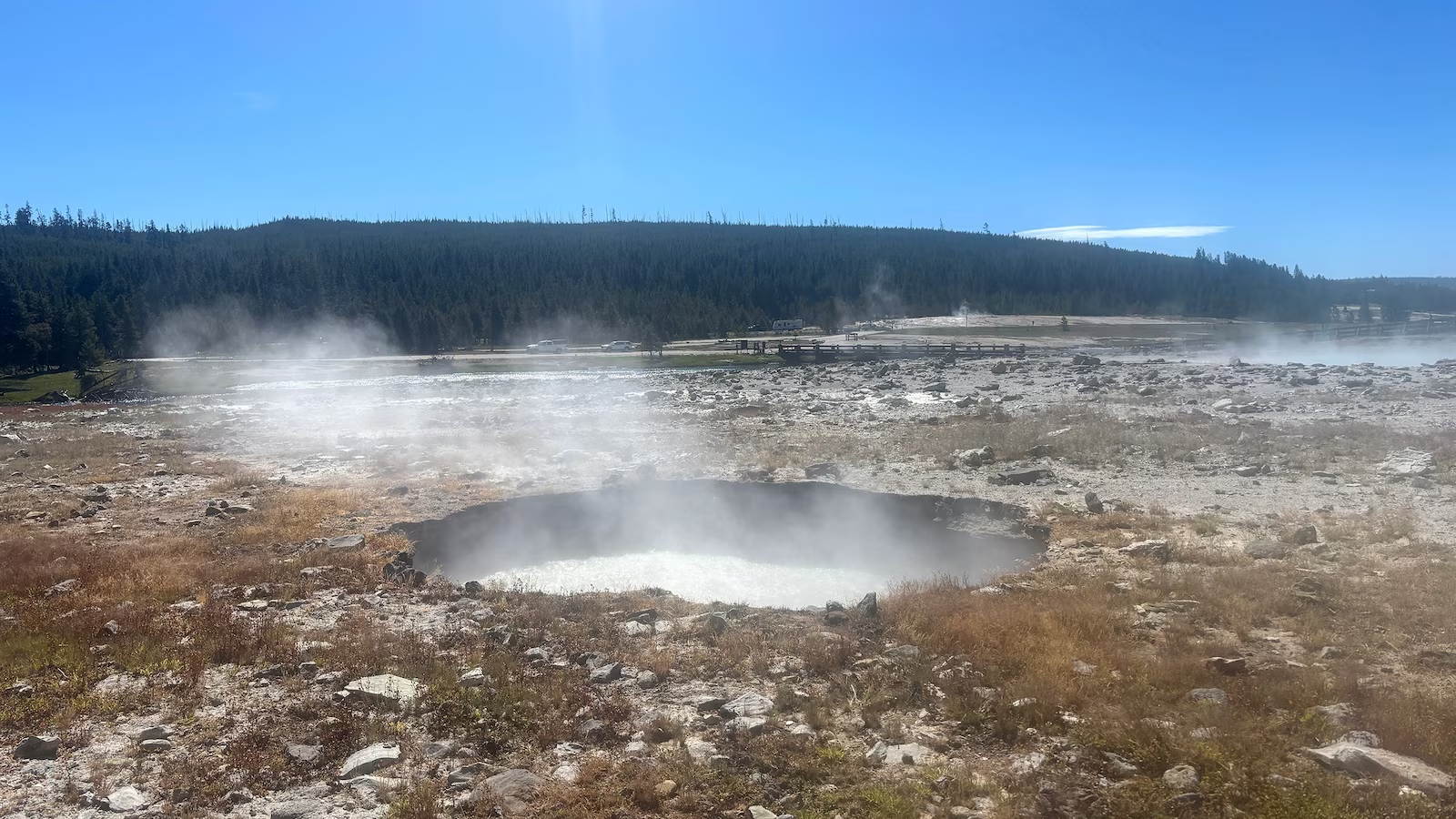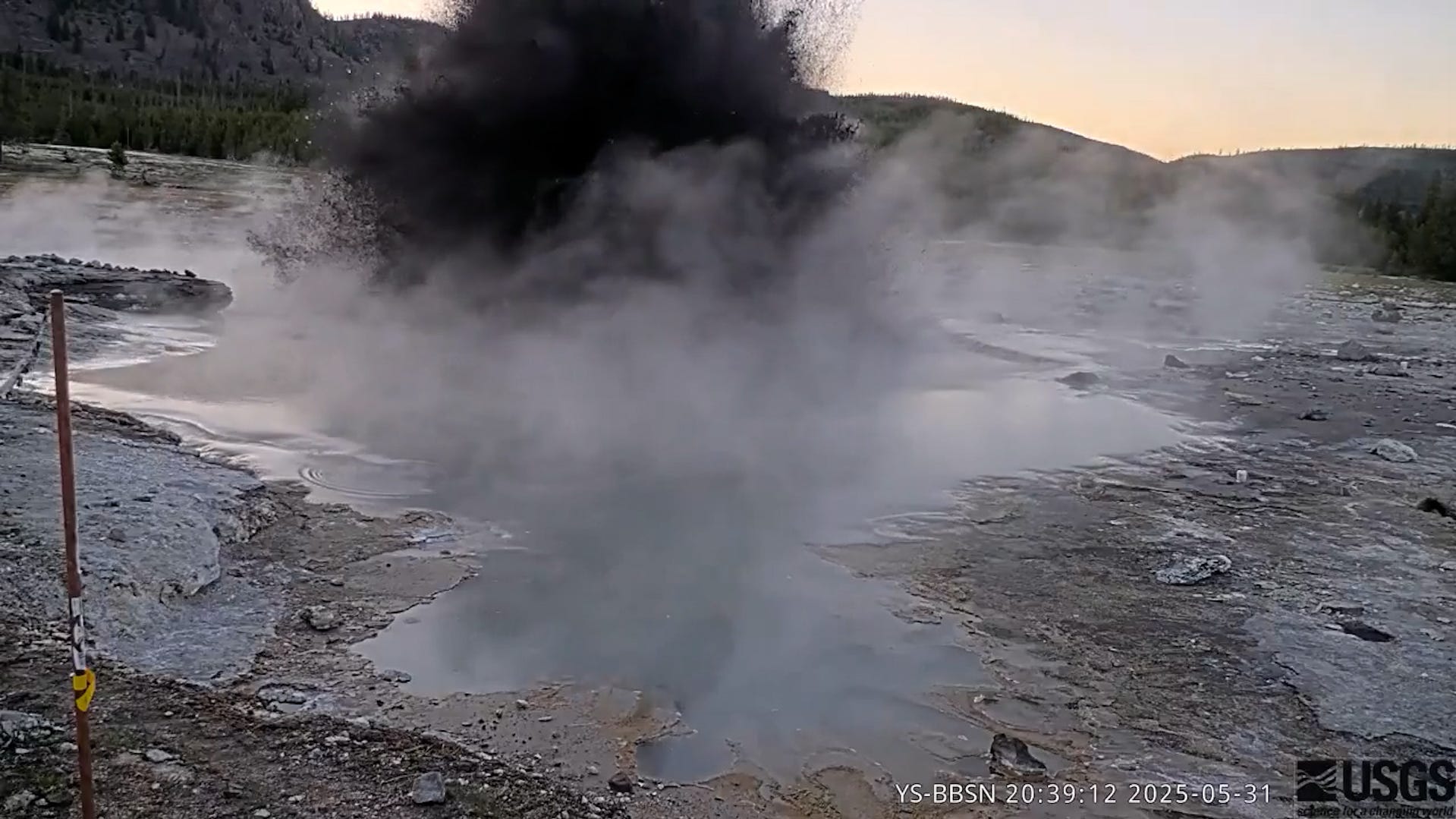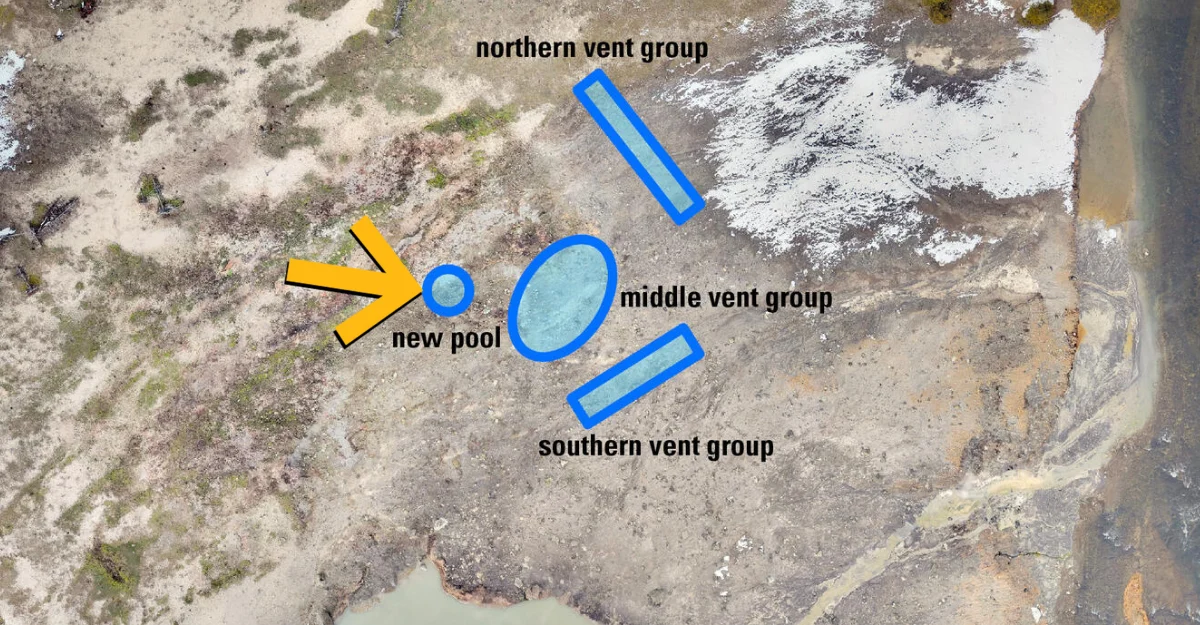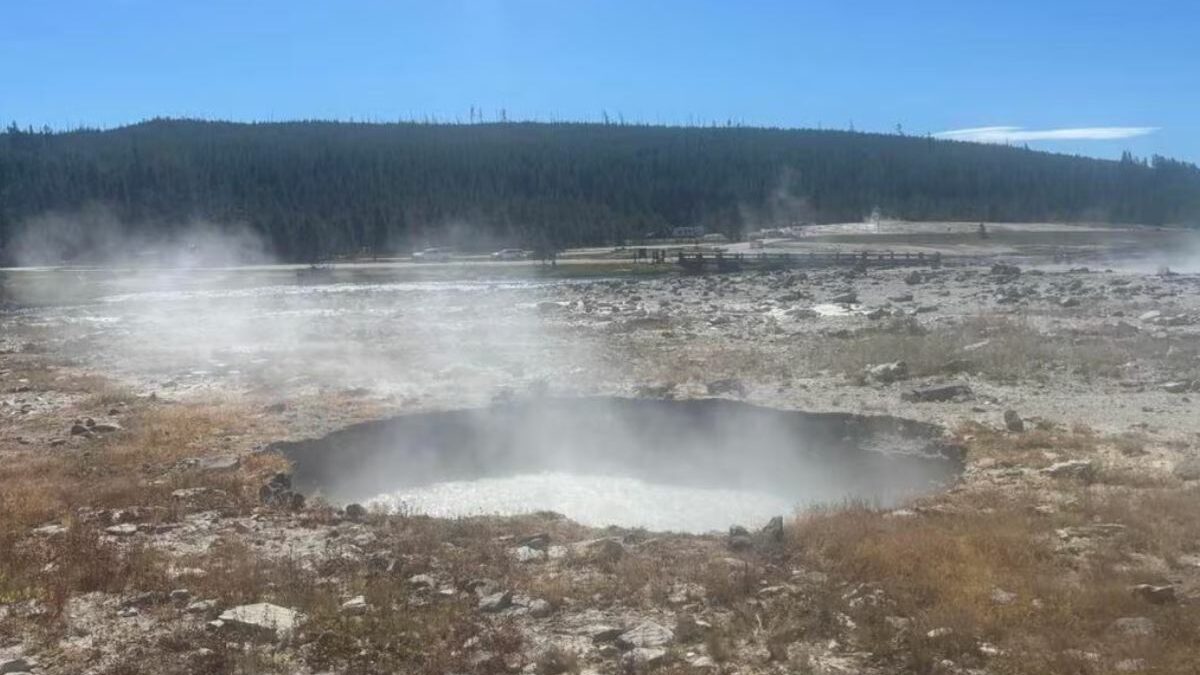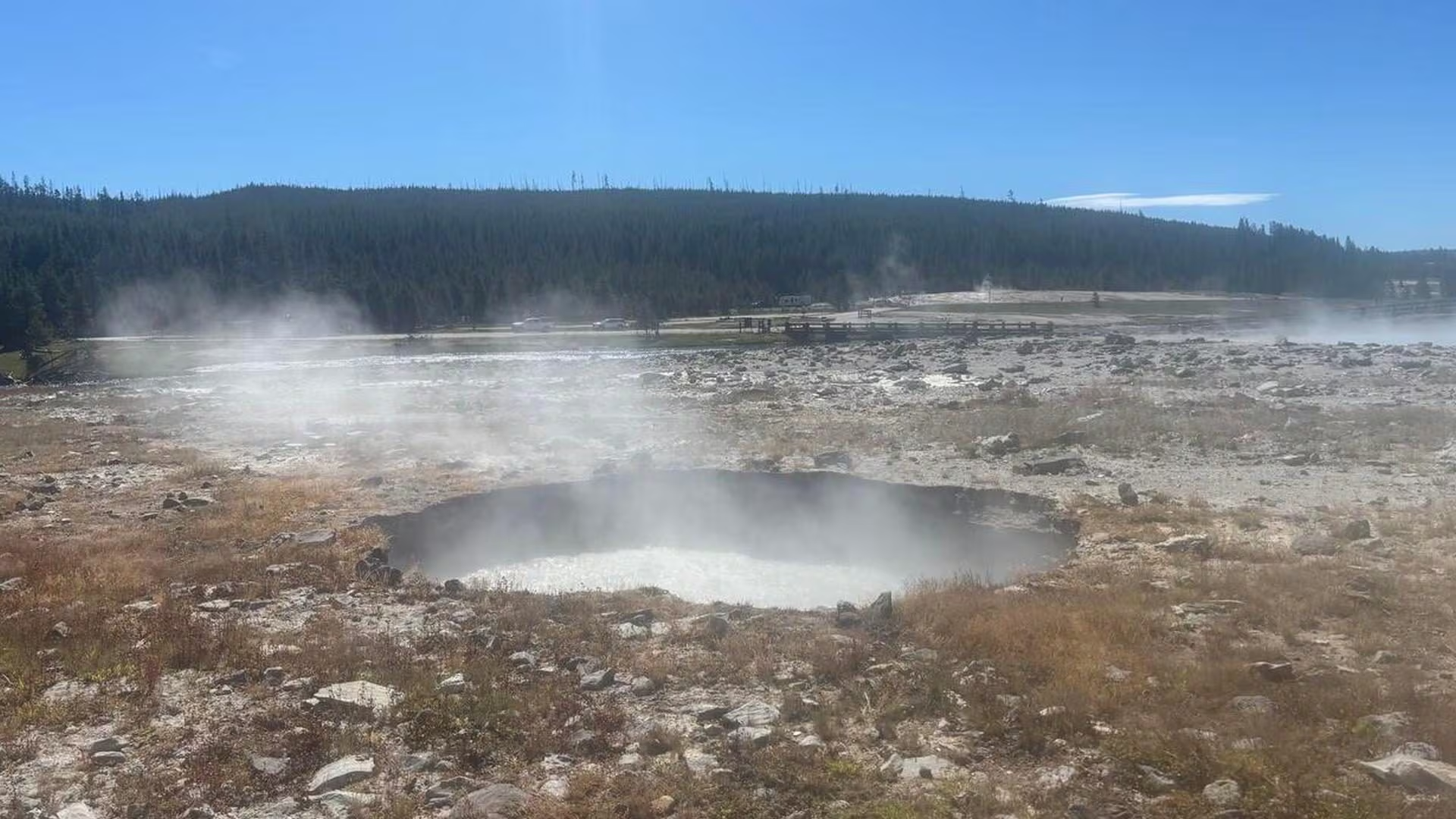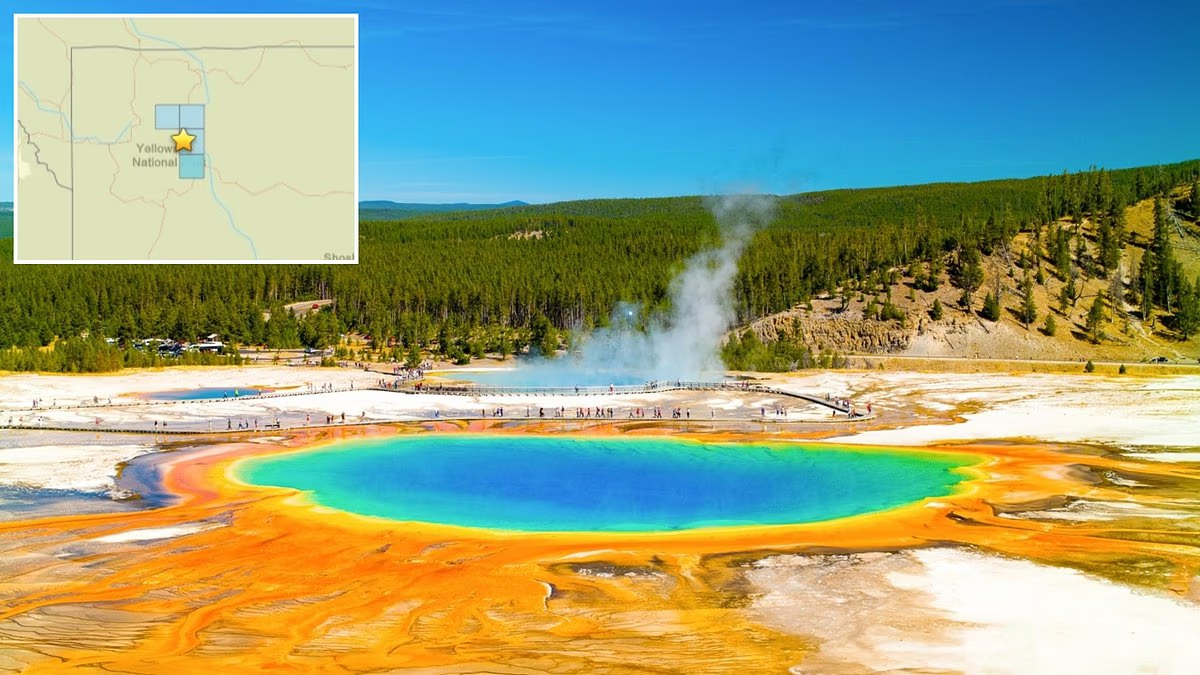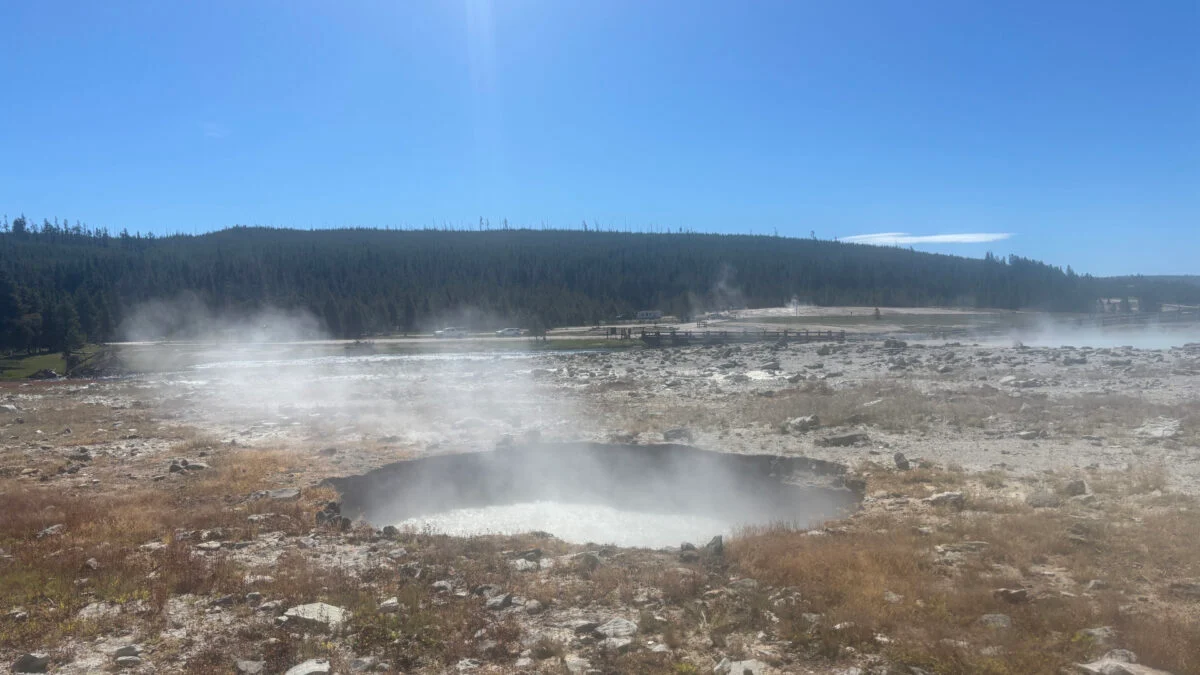
Earlier this month, a camera detected a plume of smoke coming from the Biscuit Basin at Yellowstone National Park. Over the following days, authorities investigated the area and discovered that a small explosion created several new vents and pools milling with steaming water. In 2024, the same area—specifically the Black Diamond Pool—experienced a much larger hydrothermal explosion. Still, the latest incident “emphasizes the dynamic and hazardous nature of hydrothermal activity in the region,” the Yellowstone Volcano Observatory noted in a blog post for the U.S. Geological Survey (USGS). Following the 2024 event, the Biscuit Basin has been closed off to the public. However, the various monitoring stations installed around the area may have captured the hydrothermal explosions at an unprecedentedly close distance, which experts anticipate will advance our understanding of these spectacular yet dangerous events. An image of Black Diamond Pool (the steaming blue area in the left middle ground) along a fissure that formed during a small hydrothermal explosion on June 13, 2026, in Biscuit Basin at the Yellowstone National Park. Credit: Jefferson Hungerford/Yellowstone National Park/USGS Following the unpredictable According to the Yellowstone Volcano Observatory, hydrothermal explosions are “violent and dramatic events resulting in the rapid ejection of boiling water, steam, mud, and rock fragments.” These eruptions occur as a result of sudden pressure changes coming from the rapid transition of liquid water to steam.
A Hydrothermal Explosion Poked New Steamy Holes in Yellowstone's Biscuit Basin
The explosion was relatively small, but still triggered noticeable changes to the area.
704 words~3 min read