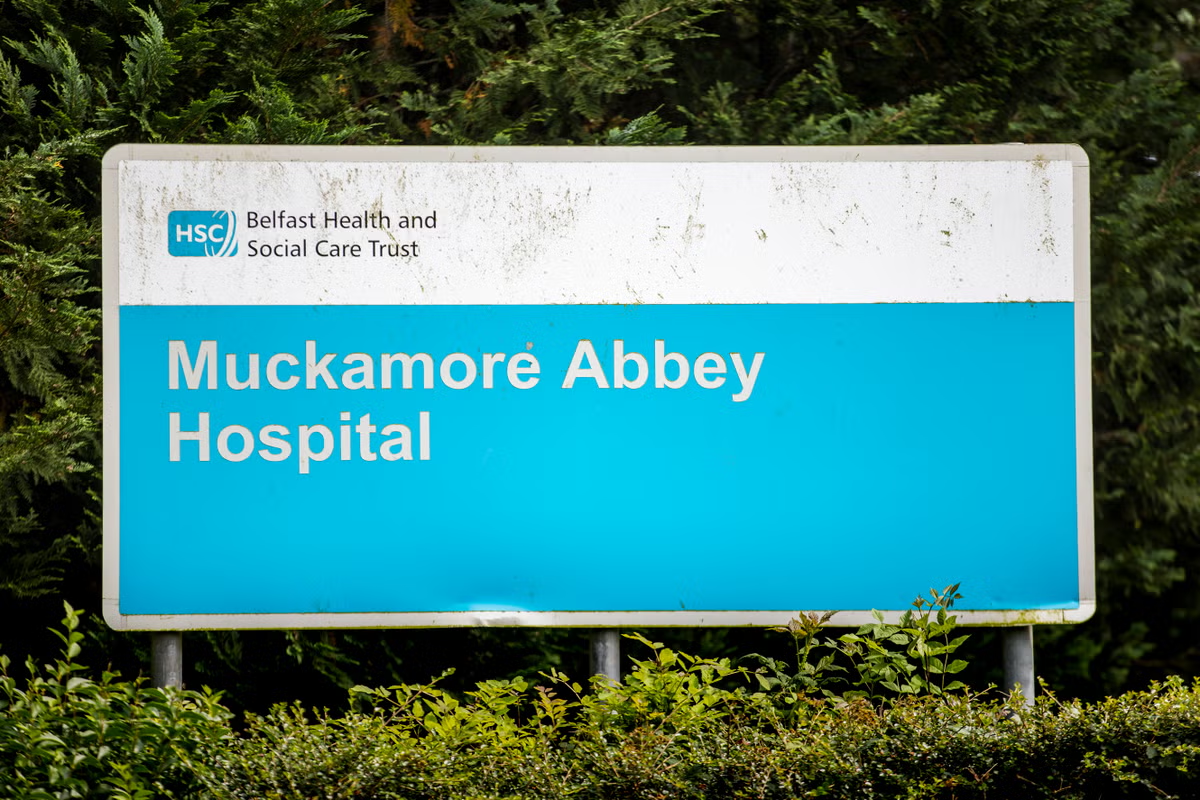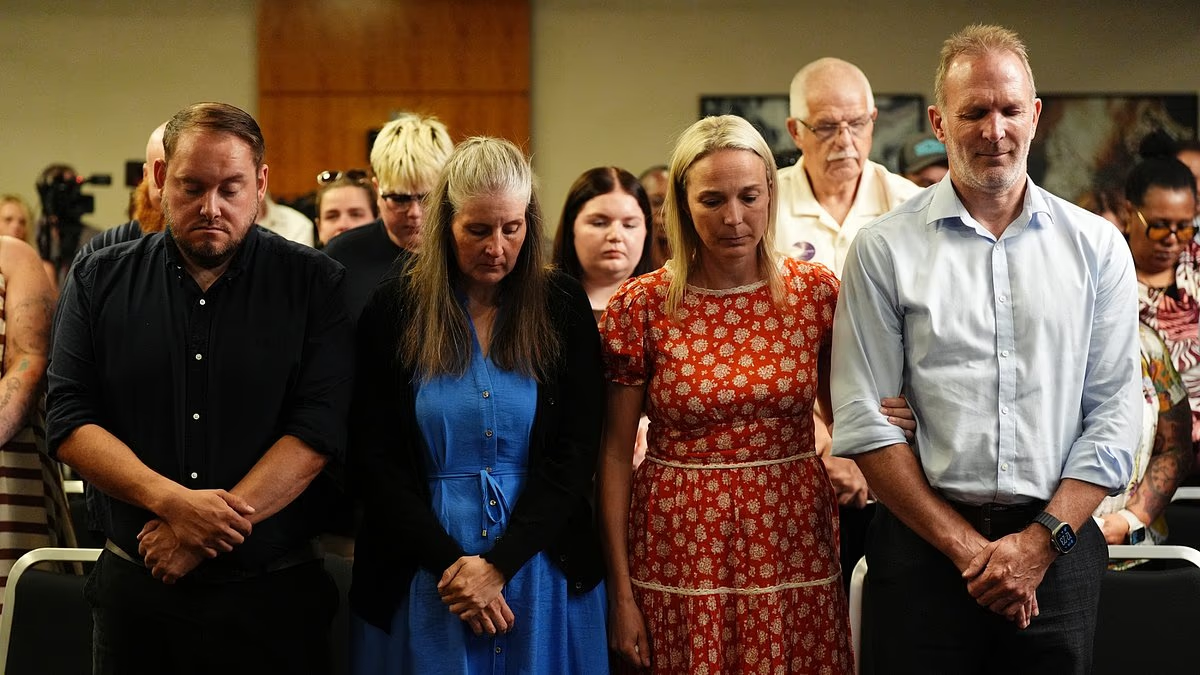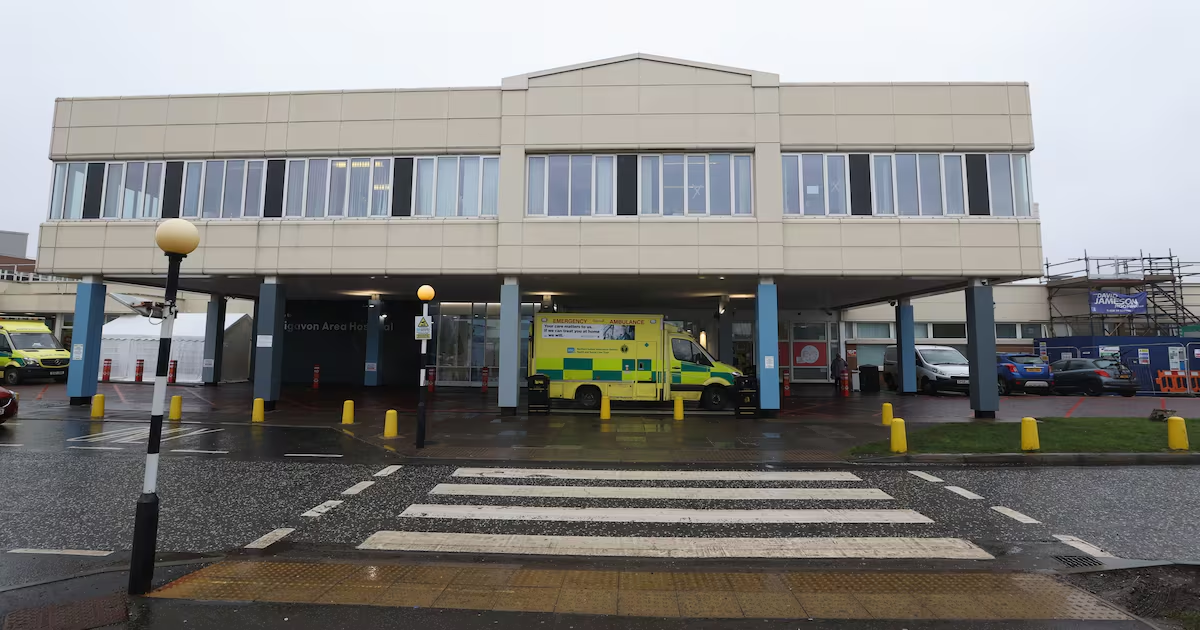
Some patients were “seriously harmed” by delays in their cancer diagnosis and treatment, a public inquiry into urology services at the Southern Health and Social Care Trust in Northern Ireland has found.The scathing report centres on concerns linked to the work of retired surgeon Aidan O’Brien, who was based at Craigavon Area Hospital in Co Armagh for 28 years.“Issues” about his practice were “known for years” but “never satisfactorily addressed”, inquiry chair Christine Smith said on Wednesday following the report’s publication.“Warning signs were missed and opportunities to act were not taken soon enough,” she said.The inquiry was ordered by former Stormont health minister Robin Swann in 2020 due to “serious concerns” about the clinical practice of O’Brien, a consultant urologist.He retired in July 2020.The Southern Trust is the second largest of Northern Ireland’s five health trusts.Records of more than 1,000 patients under O’Brien’s care were reviewed relating to the period January 2019 to June 2020. Nine cases meet the threshold for ‘serious adverse incident’ (SAI) reviews. Bladder, prostate and renal cancer patients were among those affected.It emerged there were issues around treatment delays for surgery patients.O’Brien was a “skilled surgeon” who “did not set out to cause harm” but the trust failed to recognise he was a “doctor in difficulty and failed to manage him appropriately”, according to the inquiry.“However, this report is not simply about one doctor,” Smith said.“It highlights wider systemic failings, where risks were not escalated, concerns were not acted upon, and opportunities to prevent harm were missed across the trust.”Undue deference to senior doctors and failures in medical leadership were among weaknesses identified in the trust’s governance, leadership and culture.“At its heart, this report is about patients who were badly let down. They faced delays in diagnosis and treatment, including cancer care, poor communication, and too often they were left without the clear, high-quality, timely interventions they should have expected,” added Smith.The way O’Brien carried out his practice and his follow-up processes “were unsafe”.Delayed patient investigation reports, non-dictation of letters, poor record keeping and retention of notes outside the hospital by the surgeon were among the catalogue of failings identified.Systemic failures, weak governance, poor oversight and underdeveloped leadership created “conditions in which patients were seriously harmed”, the inquiry chair said.During the inquiry hearings, a doctor gave evidence claiming O’Brien “queue jumped” private patients.Fee-paying patients were “bumped to the top of the list” while NHS patients on waiting lists were “silently suffering” at home, according to urologist Mark Haynes.O’Brien denied this allegation.Fear prevented Haynes from personally confronting the surgeon, the inquiry heard.The inquiry report outlines delays experienced by one of O’Brien’s NHS patients following a delayed bladder cancer diagnosis.Patient 18, a man in his early 70s, described the “difficulty” he had in getting an appointment with O’Brien after making repeated calls to his secretary.“I can remember saying to [my wife], ‘Well, how does he know I’m not dying of cancer?’ But we told him that and he produced his private card. Now we accepted it out of politeness but I didn’t do anything about that.”Months before Swann ordered the inquiry, a confidential trust review revealed O’Brien had more than 700 “missing” GP letters in his filing cabinet in 2016. The letters contained referrals for 30 “red flag” patients, four of whom were subsequently diagnosed with prostate cancer.The leaked trust review said concerns about O’Brien’s “persistent” failure to triage GP referral patients dated back “approximately 25 years”, with O’Brien describing the triage process as “too time-consuming”.On Wednesday, the trust’s medical director apologised to patients and their families.“The care provided by the trust fell below what was acceptable and that, in some cases this caused distress or contributed to harm,” said Stephen Austin.“From the beginning, we viewed this inquiry as an opportunity to identify, reflect upon and be candid about our failings and use it as an opportunity to improve.”It is the second public inquiry published into healthcare failings in Northern Ireland in six days, following the release of a damning report into the abuse of vulnerable patients by staff at Muckamore Abbey Hospital in Co Antrim.Muckamore was a regional facility for adults with serious learning difficulties and the report found “profound and deeply troubling” care failures.Stormont health minister Mike Nesbitt said: “For the second time in less than a working week I find myself having to offer an unconditional apology for something that has gone incredible badly wrong in healthcare delivery.“This was failure of monumental size.”The urology inquiry said improvements had been made including changes within the trust and work led by the department of health.However, it said further sustained and transformational change was required
Some patients ‘seriously harmed’ by delays in cancer treatment in North, inquiry finds
Report centres on concerns linked to work of retired surgeon Aidan O’Brien in Co Armagh hospital
767 words~3 min read