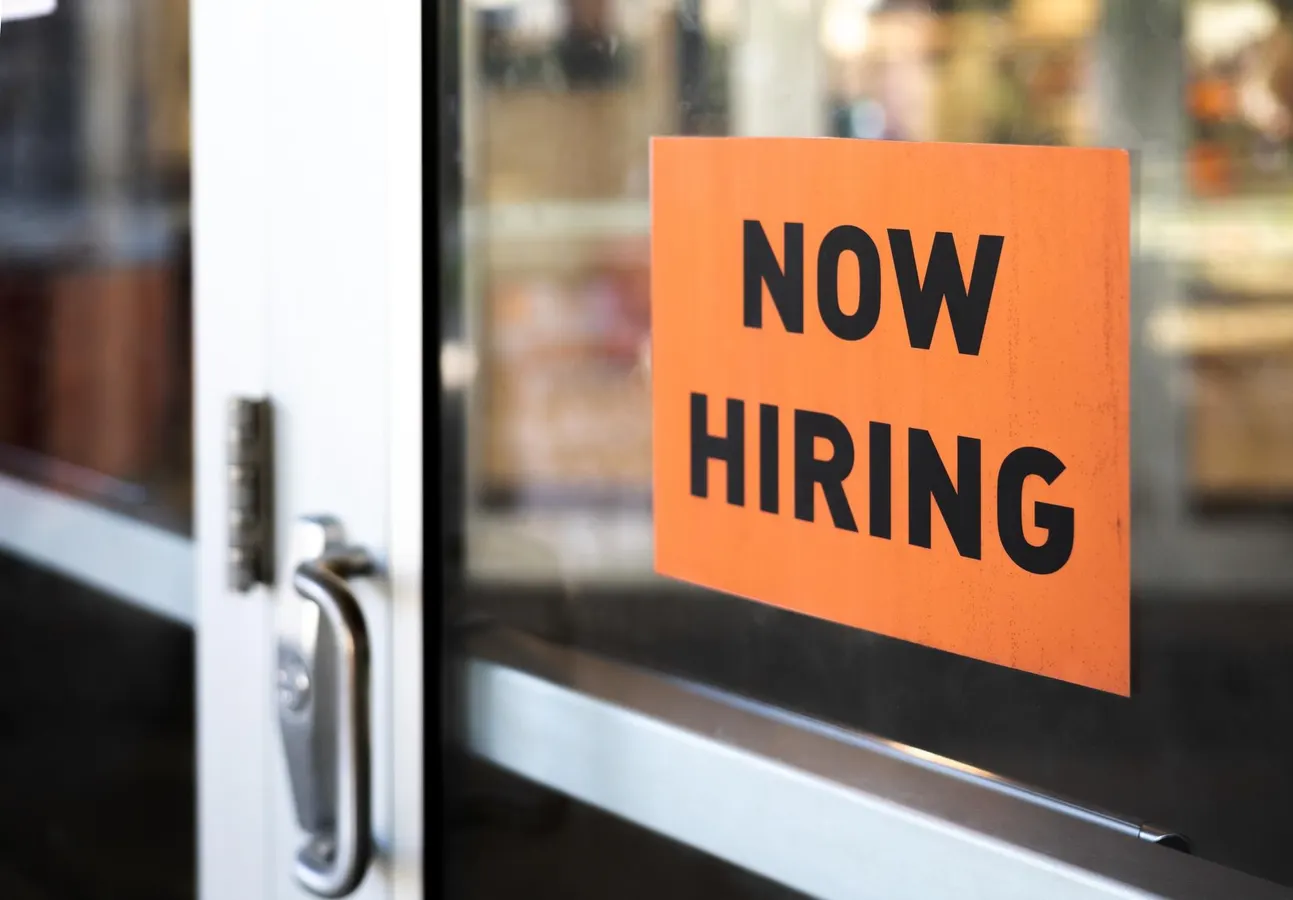
Job seekers are facing more competition, longer hiring timelines and increasingly complex hiring processes than they did just a few years ago.gettyIf your job search feels like it’s taking longer than it should, you're not imagining it. According to data from the U.S. Bureau of Labor Statistics, unemployed Americans are taking longer to find new jobs than at any point in the past four years. The average job search now lasts more than 11 weeks, and 26% of unemployed workers have been looking for work for more than six months.That can feel confusing when unemployment remains relatively low, and employers continue to post job openings. According to Cory Stahle, an economist at Indeed Hiring Lab, hiring activity remains near its weakest level since 2013, even as the economy continues to add jobs. That helps explain why many job seekers are finding it harder to turn applications into interviews and interviews into offers.Many qualified candidates are spending months searching for work despite doing many of the right things. Why job searches are taking longer, though, may not be what you expect.Fewer Job Openings Mean More Job Search CompetitionOne reason the job search is taking longer is that there are simply fewer opportunities available than there were during the post-pandemic hiring boom. The U.S. Bureau of Labor Statistics reports that there is now roughly one job opening for every unemployed worker, compared with about two openings per unemployed worker in 2022.As the number of openings has declined, competition for each role has intensified. That means qualified candidates are competing against a larger pool of applicants, making it harder to secure job interviews and stand out from the crowd.MORE FOR YOUWhat this means for job seekers: Sending out more applications isn’t always the answer. Focus on positions that closely match your skills and experience, and look for opportunities to leverage networking, referrals and personal connections whenever possible.Hiring Decisions Are Taking LongerWhile employers are hiring, they are often taking longer to make decisions. According to a 2026 analysis from The Resource, drawing on SHRM benchmarking research and LinkedIn Talent Solutions data, national time-to-fill averages reached 63 to 68 days as of January 2026. That longer timeline helps explain why job seekers may wait weeks between interviews, approvals and final decisions.Some companies are adding approval steps or involving more stakeholders in the process, which can delay decisions even further. As employers become more deliberate about hiring, candidates may find themselves waiting weeks between conversations with little clarity about where they stand.What this means for job seekers: Don't assume a lack of communication means you're out of the running. Continue pursuing multiple opportunities at the same time and build longer hiring timelines into your expectations.The Job Search Process Has Become More ComplexEven when companies are ready to hire, getting from application to offer often takes longer than it used to. Many employers have added interview rounds, skills assessments and stakeholder meetings to reduce the risk of making a bad hire. According to the Career Group Companies 2026 Market Trend Report, 61% of candidates believe four or more interviews are too many, highlighting how lengthy many hiring processes have become.Some hiring managers are facing greater scrutiny from executives and are adding more steps to ensure candidates are the right fit. As a result, job seekers may find themselves navigating five or more interviews, completing projects and waiting weeks between conversations before a final decision is made.What this means for job seekers: Prepare for a longer process than you may have encountered in the past. Before entering the interview process, ask about the expected timeline and number of interview rounds so you can manage your expectations and continue pursuing other opportunities.Employers Are Searching For The Perfect CandidateIn a more competitive labor market, many employers have become increasingly selective about who they hire. Some organizations are extending searches in hopes of finding a candidate who checks every box rather than someone who can grow into the role.This pursuit of the "perfect" candidate can lead to longer hiring processes and more rejections for qualified applicants. Faced with economic uncertainty and greater scrutiny around hiring decisions, some employers are choosing to leave positions open longer rather than risk making the wrong hire.What this means for job seekers: Don't assume a rejection means you weren't qualified. In many cases, employers are comparing multiple strong candidates or holding out for someone whose experience aligns almost perfectly with the job description.AI Is Reshaping The Job Search LandscapeAI is making it easier than ever for candidates to find openings, customize application materials and apply for jobs. According to Greenhouse’s 2026 AI in Hiring Report, 78% of candidates use AI to tailor their resume or application materials.While these tools can help job seekers work more efficiently, they have also contributed to a surge in candidate submissions. The same report found that 56% of recruiters review only half or fewer of the applications they receive. As recruiters become inundated with submissions, employers face a growing challenge in separating qualified candidates from the crowd.What this means for job seekers: AI can help you streamline your search, but it shouldn't replace strategy. Focus on highlighting measurable accomplishments, tailoring your materials thoughtfully and building relationships that help you stand out beyond an application.How To Stay Competitive In Today’s Job MarketWhile you can't control labor market conditions, you can control how you approach your search. In a slower, more competitive market, a targeted strategy often produces better results than submitting as many applications as possible.Focus on a smaller number of well-matched opportunities, tailor your materials to each role and invest more time in networking. Referrals, informational conversations and professional relationships can help you reach hiring managers in ways that online applications often cannot.What this means for job seekers:• Prioritize networking alongside online applications.• Quantify your accomplishments whenever possible.• Tailor your resume for high-priority opportunities.• Continue building skills and industry knowledge.• Maintain a consistent routine so you can stay motivated during a longer search.A longer job search requires more than persistence. It requires a strategy you can sustain without losing confidence along the way.Staying Motivated During A Longer Job SearchWhile fewer openings, slower hiring decisions and increased competition have made finding a job more difficult, those challenges aren't a reflection of your worth or ability. Understanding what’s driving these changes can help you adapt your job search strategy, protect your confidence and focus on what you can control. By setting realistic expectations, continuing to build relationships and positioning your experience clearly, you'll be better prepared to navigate today's job market and stay motivated during a longer search.If you're tired of generic career advice and want practical insights on navigating layoffs, toxic bosses, job searches, career transitions and AI's impact on work, subscribe to my free newsletter, Corporate Escape Artist. Join more than 10,000 professionals receiving weekly career insights and strategies.
Why Your Job Search Is Taking Too Long—And What To Do About It
Job searches are taking longer than they have in years. Learn what's driving today's slower job search and how to improve your chances of success.
1,138 words~5 min read