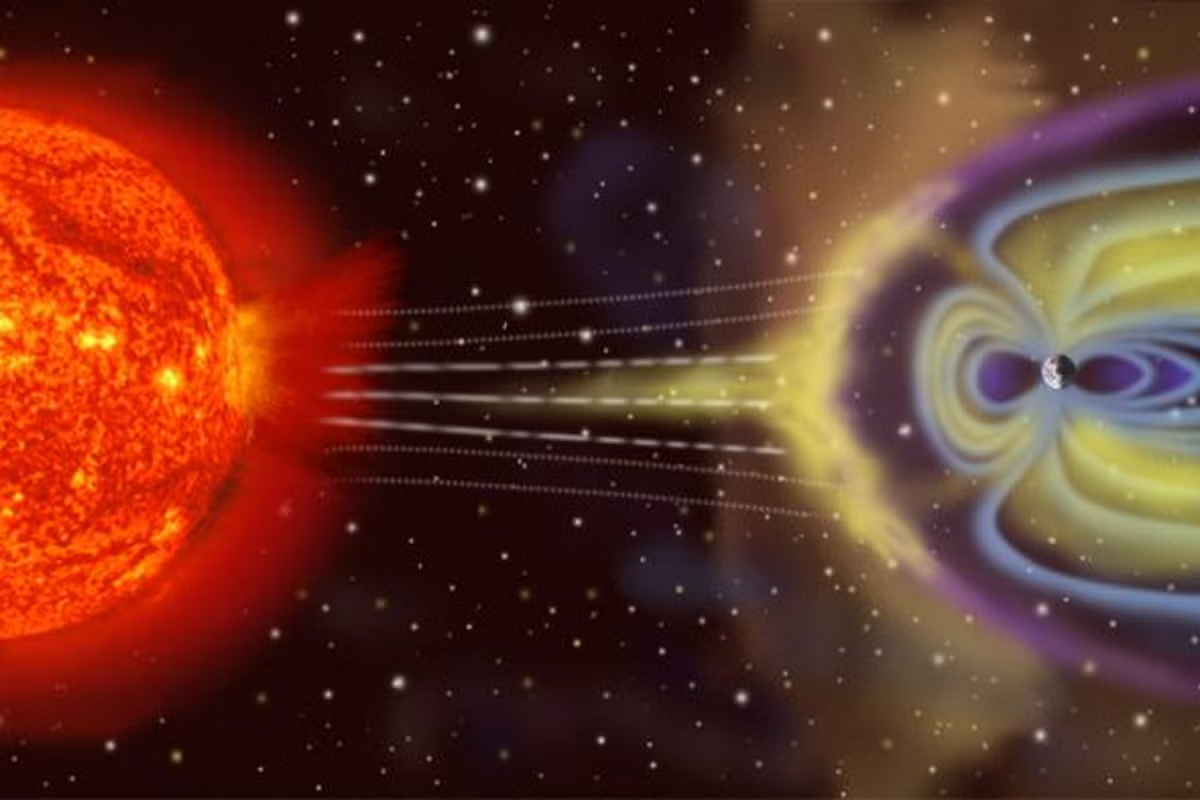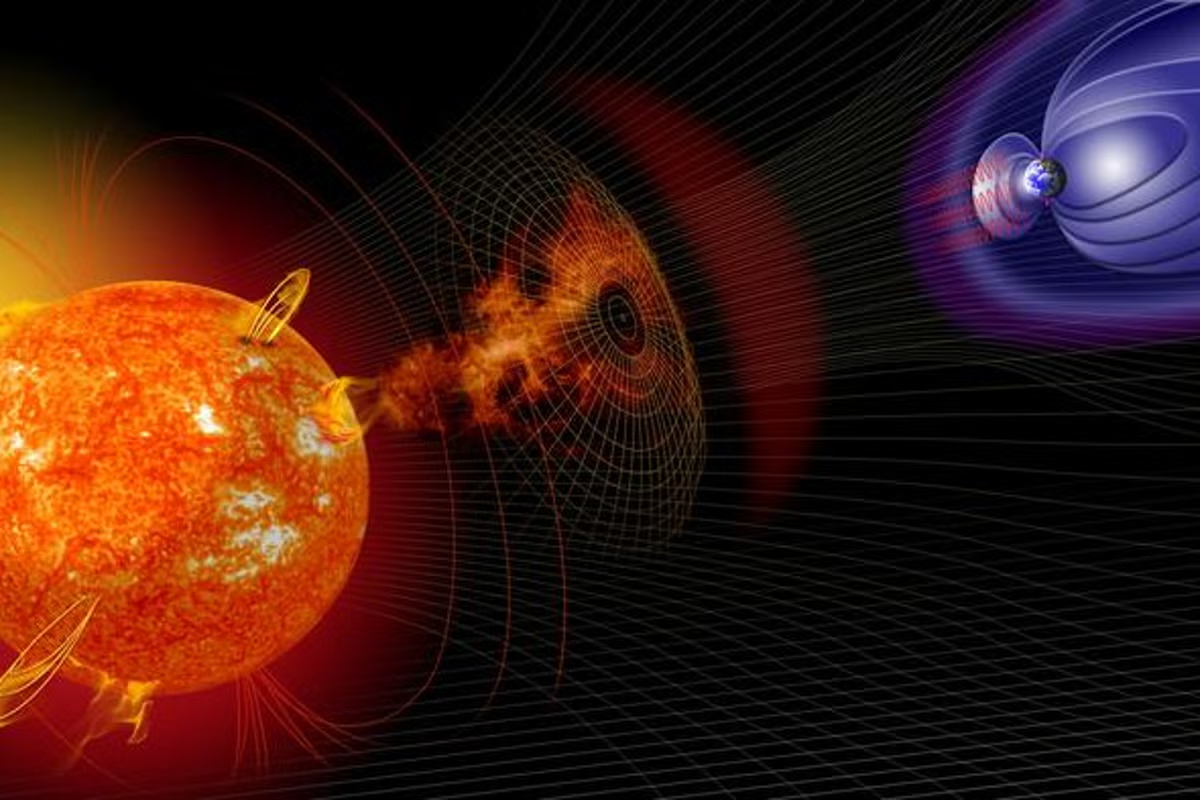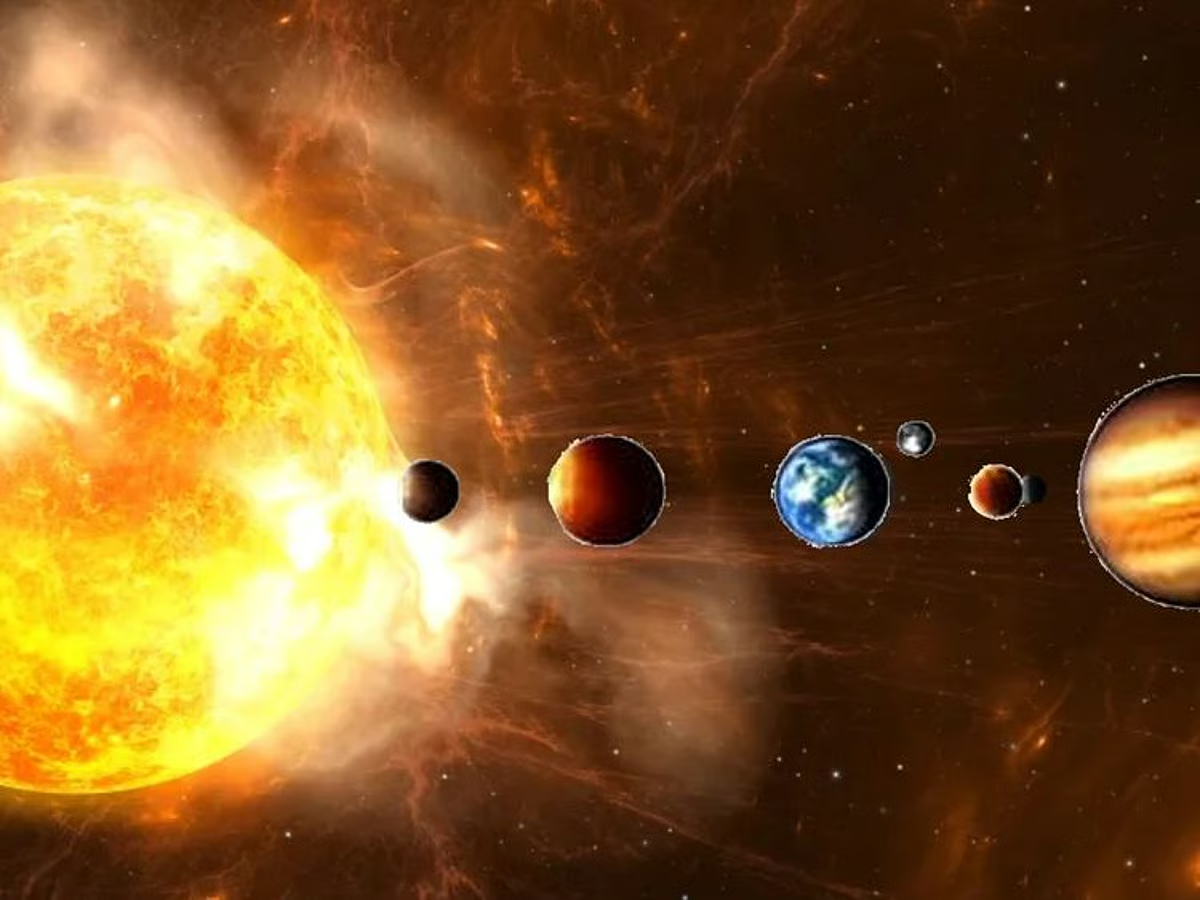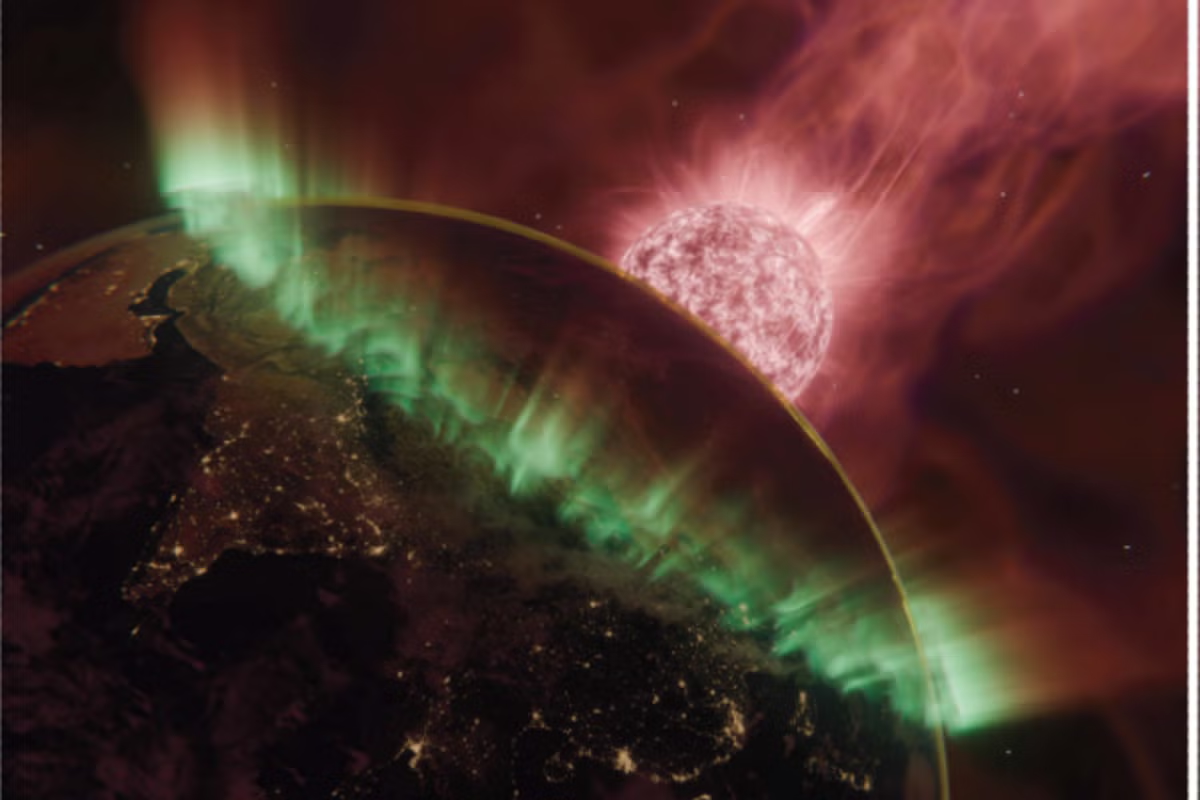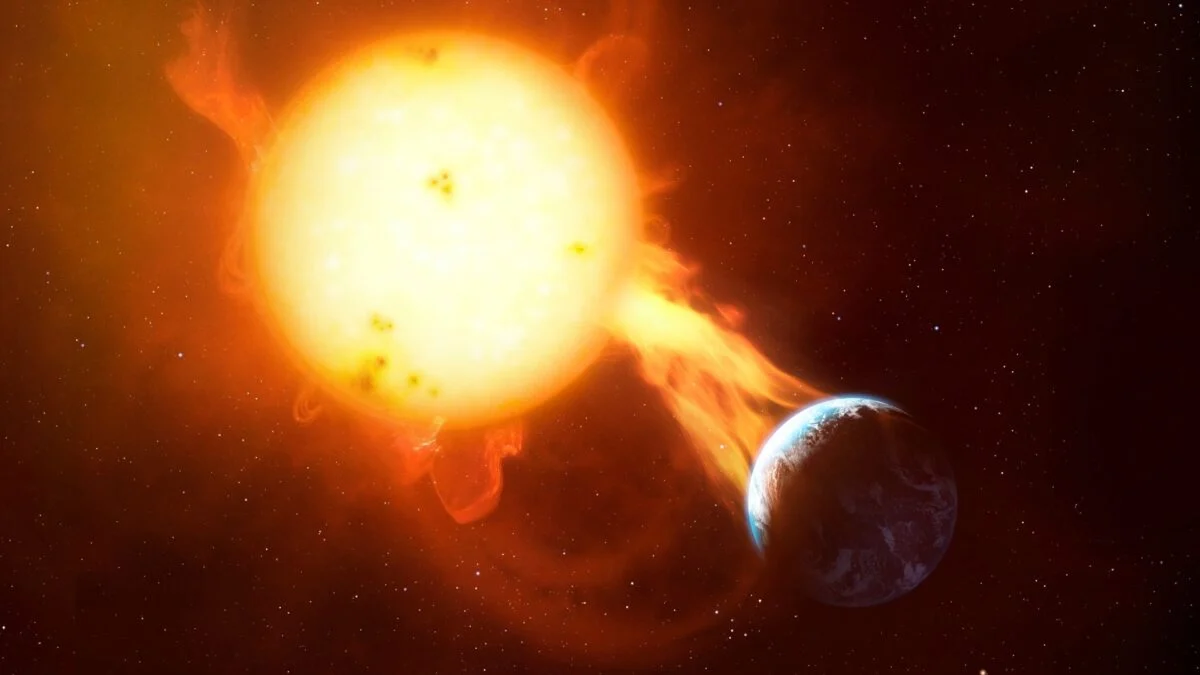
The surface of the Sun is a tempestuous place, spewing bursts of plasma and gusts of solar wind that frequently collide with our planet. Research has shown that long-term shifts in solar activity can influence Earth’s atmosphere, but a new study suggests that powerful solar storms can alter weather patterns almost immediately. The findings, published in the journal Geophysical Research Letters, show that geomagnetic storms—major disturbances of Earth’s magnetosphere caused by onslaughts of solar energy—can produce profound weather changes within hours to days. What’s more, the magnitude of these weather anomalies appears to increase with the intensity of the storms. “We’ve long understood that the Sun influences our atmosphere over its roughly 11-year cycle—it’s subtle, but it’s there,” study author Joachim Raeder, a professor emeritus of physics at the University of New Hampshire, said in a statement. “What’s exciting is that we’re now seeing a much stronger, short-term impact—happening within a single day of a solar storm.”
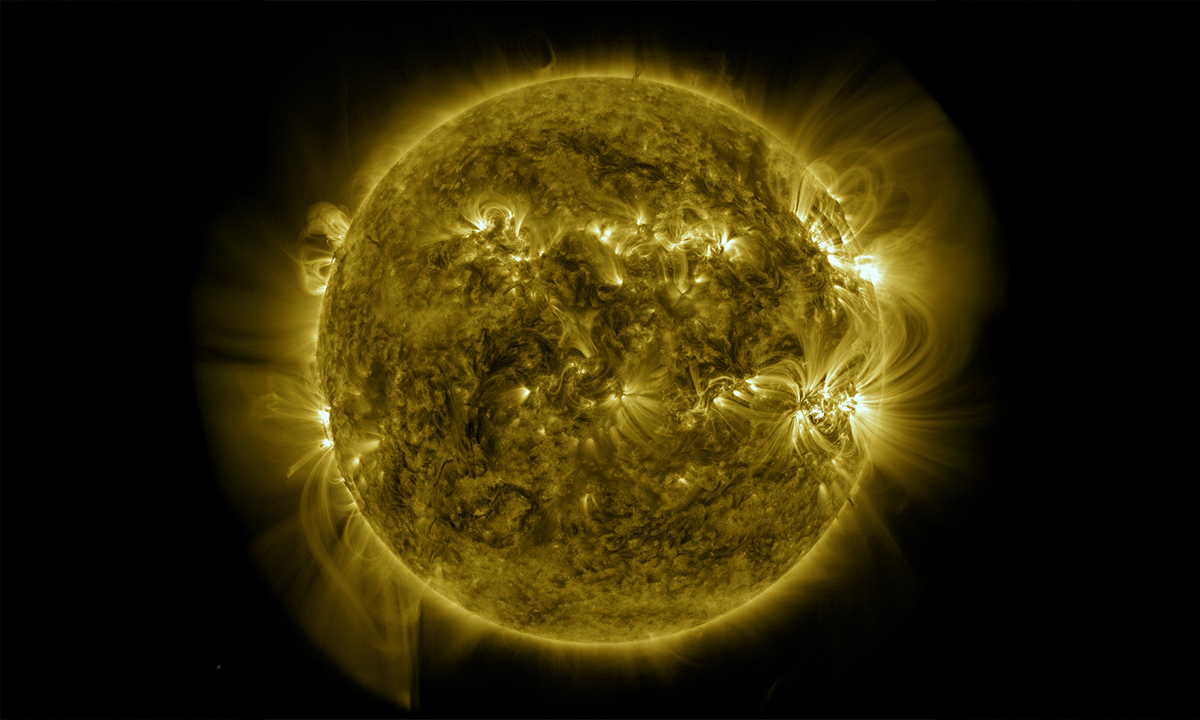
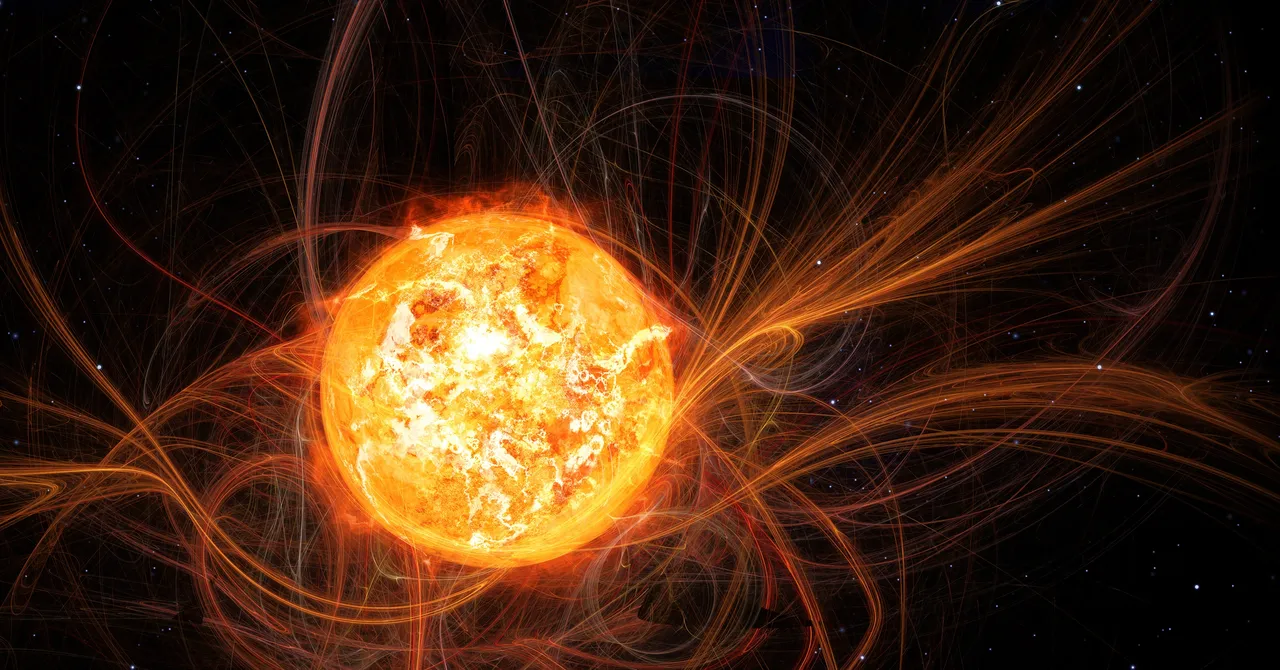
Solar and terrestrial weather intertwined Every 11 years or so, the Sun’s magnetic field flips. During the lead-up to that event, solar activity builds to a maximum, when there is a dramatic increase in sunspots, solar flares, and coronal mass ejections (CMEs). Once the magnetic field flips, solar activity drops back down to a minimum, and the cycle starts over again.