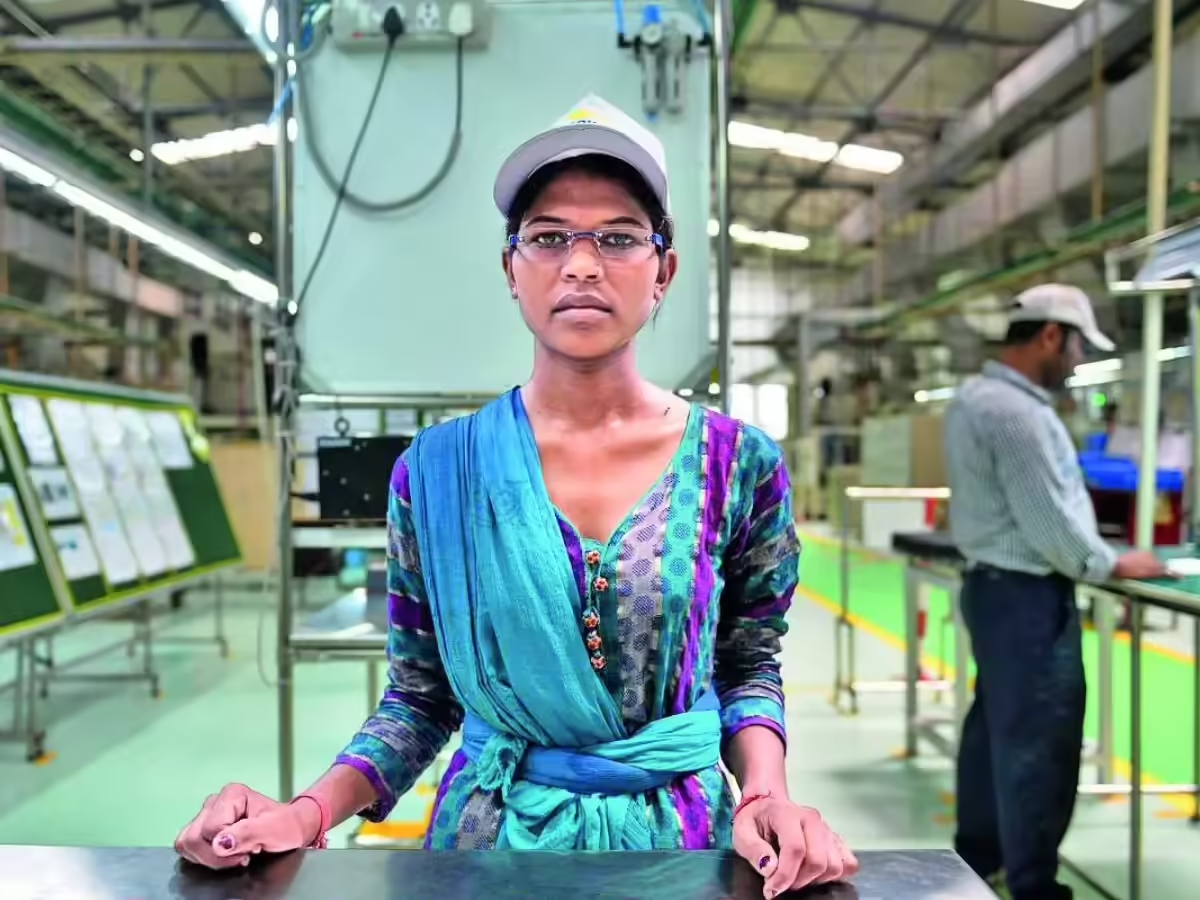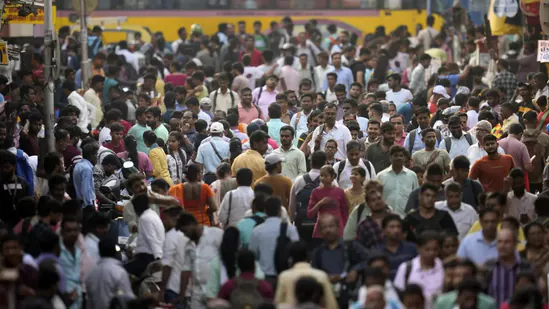
India is entering a new demographic phase. The latest Sample Registration System data puts the country’s total fertility rate at 1.9 children per woman, below both the global average of 2.2 and the replacement level of 2.1 needed to keep a population stable. For a country that has long worried about population growth, this marks an important turn.However, the decline is not uniform. Rural fertility is still around the replacement mark, while urban fertility has fallen to 1.5. The sharper divide is geographic. Delhi’s fertility rate stands at an ultra-low of 1.2, while Kerala, Tamil Nadu and West Bengal are at 1.3. These levels are lower than those in the United States (1.6), Finland (1.4), and Japan (1.3). At the other end, Bihar remains at 2.9, followed by Uttar Pradesh (2.6), Madhya Pradesh (2.4), and Rajasthan (2.3).The implication is that India has crossed into low fertility as a nation, but not as one demographic economy. While some States are already moving rapidly towards ageing, others still have large cohorts set to enter the labour force over the next two decades. India must create productive opportunities for young workers in poorer and younger States, while strengthening income, care, and health systems for older populations where fertility has already fallen very low.A difficult shiftThe transition could indeed be challenging. Western Europe and Japan aged after they had industrialised, brought a large share of workers into formal employment, widened their tax systems, and built welfare institutions with some capacity for risk-pooling. Even then, ageing strained public finances; Japan saw the burden push public debt above 200% of GDP.India enters the same demographic passage on a weaker institutional and fiscal base. Its per-capita income is around $2,800. Its direct tax base remains narrow, with net direct taxpayers accounting for only about 6% of the total population. State governments, tasked with much of the social-sector response, are already fiscally stretched.
Sustaining India’s low-fertility future
Since most workers spend their lives in informal or semi-formal work, old-age income security remains largely outside formal employment contracts
865 words~4 min read