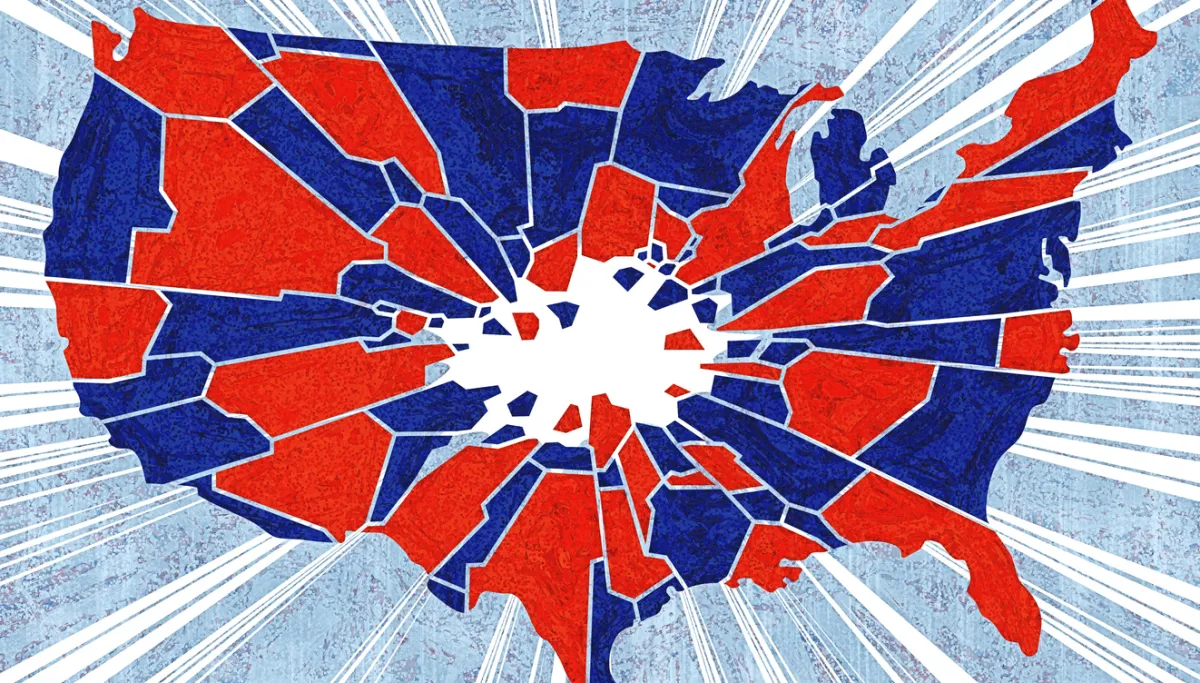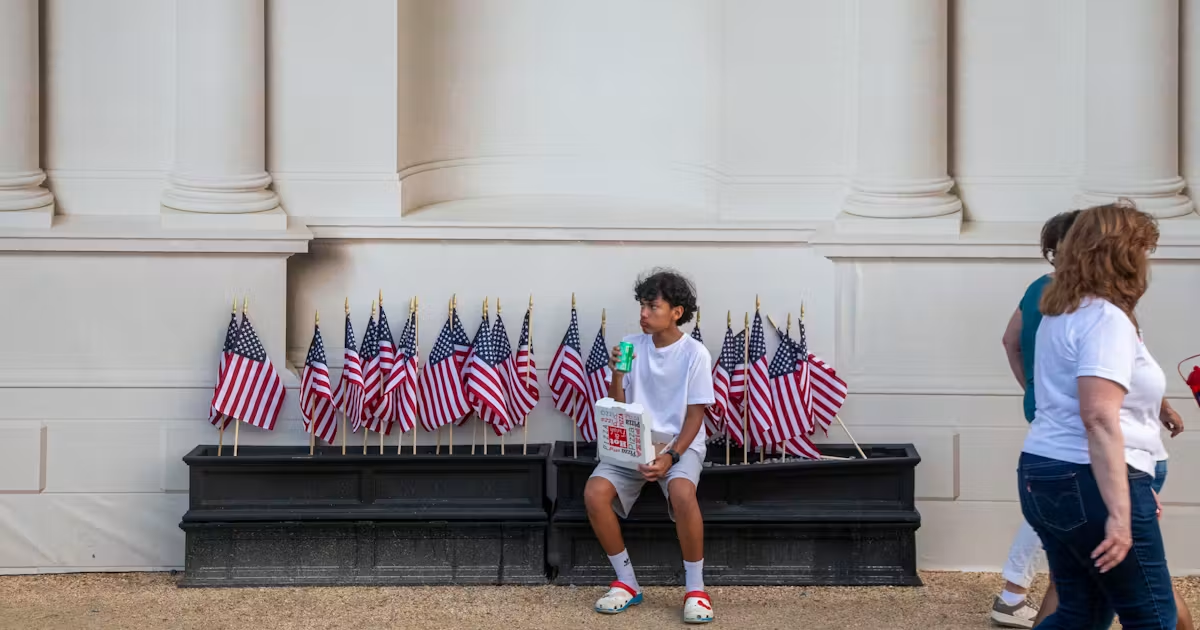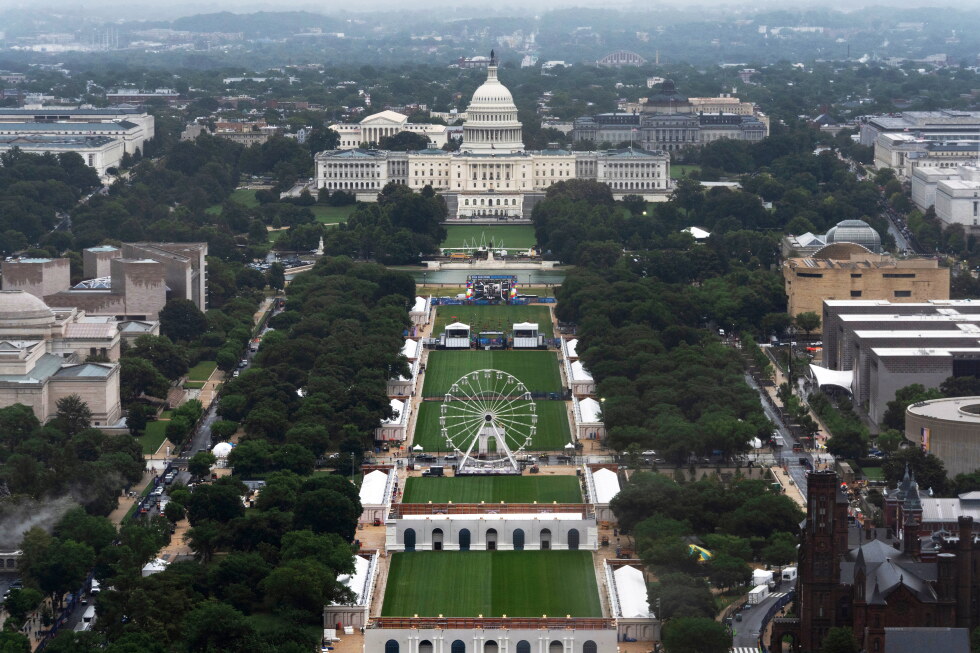
Brands are going all out for America’s 250th birthday this year, hoping to ride a wave of excitement similar to the bicentennial in 1976.This has proven to be a tightrope walk for marketers, though. American consumers see an opportunity for reflection and positive societal impact, and are generally likely to attend events and support brands that celebrate the milestone. However, several recent surveys — from Gallup, YouGov and the Public Religion Research Institute — show those “proud to be an American” at record lows. Compared with a few years ago, 52% of Americans believe the nation has become less patriotic on the whole.Jacquard, an AI-powered brand messaging company based in London, partnered with the University of Southern California (USC) ahead of the momentous holiday for its own study on patriotism, specifically within email marketing. The study analyzed a sample of 368,000 promotional email subject lines from January 2016 to July 2025. These emails were sent by B2C brands across Jacquard’s client base spanning the retail, travel, hospitality and financial services categories, covering the promotional periods around Independence Day, Memorial Day, Labor Day and Presidents’ Day.The analysis found that brands are 25 times more likely to use patriotic language in email campaigns today than they were 10 years ago and that specific terms, such as mentions of America, freedom and “red, white and blue,” have tripled within that time frame.“What we’re seeing is the Black Friday-ification of Independence Day — a national holiday that has been steadily absorbed into the commercial calendar, and the 250th is going to accelerate that further,” Toby Coulthard, Jacquard’s chief product and growth officer, told Campaign.A ‘path of least resistance’The July 4 period, traditionally June 25 through July 7, accounted for nearly 60% of all patriotic language found in the sample, with brands using it 50 times more often around this holiday than any other, peaking in June as promotions creep earlier in the month. Secondary peaks occur in May ahead of Memorial Day and August before Labor Day. Memorial Day showed significant growth, from almost no patriotic terms prior to 2019 to now representing the second-largest patriotic holiday, rivaling Labor Day.While brands are activating earlier and more often around moments of patriotism, there’s a clear preference for celebratory language. References to barbeques and cookouts, fireworks and “the backyard,” along with clear sales language around deals and discounts, were consistently more present across these three holidays than political ideology, which remains comparatively low.The analysis included celebratory terms, revealing how brands largely frame national holidays as commercial events.“What this data reflects is a broader tension in American marketing — brands want to tap into patriotic sentiment, but they’re cautious about what that sentiment means to different communities right now,” said Ariela Nerubay Turndorf, an adjunct professor of digital and multicultural marketing at USC and chief brand officer at Walker Advertising.“Defaulting to transactional language … is the path of least resistance,” she added.The aforementioned surveys do point to differences in patriotic beliefs and sentiment between demographics, especially by generation, religious and political affiliation.Where’s the flag?While patriotic terminology was way up, imagery in the form of emojis was almost entirely absent from the subject lines.The American flag emoji appeared in fewer than 10 subject lines out of the 368,000; the Statue of Liberty emoji appeared in just five. The sparkler emoji, which appeared most often with about 350 instances, functioned more generically, appearing in other holiday contexts without patriotic specificity.This comes in contrast to Jacquard’s holiday shopping study, which linked certain emojis with high, low or even negative engagement across its data set.While this study didn’t measure engagement or analyze imagery contained within the emails, Coulthard maintains that subject lines are the most important indicator for open rates.“We’ve seen from our holiday data that certain emojis actively hurt performance — the snowflake being a prime example,” he told Campaign. “It’s possible the flag carries similar risk; it’s a more loaded symbol than a Christmas tree, and in the current climate, brands may be making an instinctive calculation that it’s not worth it.” They may also “feel as if they ‘cheapen’ the email — that they feel flippant, or indicate a lack of care from the sender,” he added.In recent years, consumers have associated heavy emoji use with ChatGPT, drawing a mostly negative reaction that may account for some degree of sentiment change.Patriotism gets politicalThe July 4, 2016 promotional period showed statistically negligible use of patriotic language; its highest-measured usage occurred just nine years later in 2025. In fact, the 116% increase from 2024 to 2025 was the highest single-year jump the study recorded.The jump “coincides with a period when American identity has become a much more active part of the national conversation — for reasons that go well beyond one election,” Coulthard said. “America250 is a real driver, too: Brands have been planning for this for years.”Some brands announced the earliest partnerships for America250 in 2024, launching campaigns as early as February 2026.Coulthard is clear about what parallels can’t be drawn from this data, such as a correlation with Trump’s re-election in 2024, or George Floyd’s murder and the subsequent protests in 2020 around Memorial Day.“The data shows the commercial growth of [Memorial Day] as a marketing moment predates 2020 … the overall patriotic marketing calendar has been expanding for years,” he said.“My instinct is that as July 4 becomes an ever larger commercial moment, brands increasingly feel the pressure to engage, with patriotic language being the obvious register for their marketing teams to adopt,” Coulthard continued. “But the data also shows us that the framing is overwhelmingly transactional … We can see that brands are using the holiday as a commercial hook, as opposed to a value statement.”Email marketing is decidedly more limited than a big-swing brand campaign for a once-in-a-generation event, but there is sentiment against what could be seen as bandwagon patriotism, cheap nostalgia plays and messages that narrowly define the American experience instead of using the occasion as a unifying force. The risk for brands wading into political stances, intentionally or not, remains high: Gartner research from 2025 found that 55% lose trust when a brand “reverses course” on an issue, and a third of consumers had boycotted a brand they distrust within the past year. Many widely criticized the now-infamous American Eagle campaign featuring Sydney Sweeney for appearing to lean into white supremacist language, and the use of patriotic language in marketing toes a similar line.“Brands need to recognize that ‘America’ means something different depending on who you’re asking,” Turndorf told Campaign. “The brands that do this well tend to anchor their campaigns in relatable, shared experiences … These are more universal than a flag emoji.”
Against a mixed political backdrop, patriotic marketing is booming
EXCLUSIVE: As national pride hits record lows, a new Jacquard study reveals a 25-fold surge in patriotic email marketing — and why brands are ditching the flag emoji.
1,112 words~5 min read