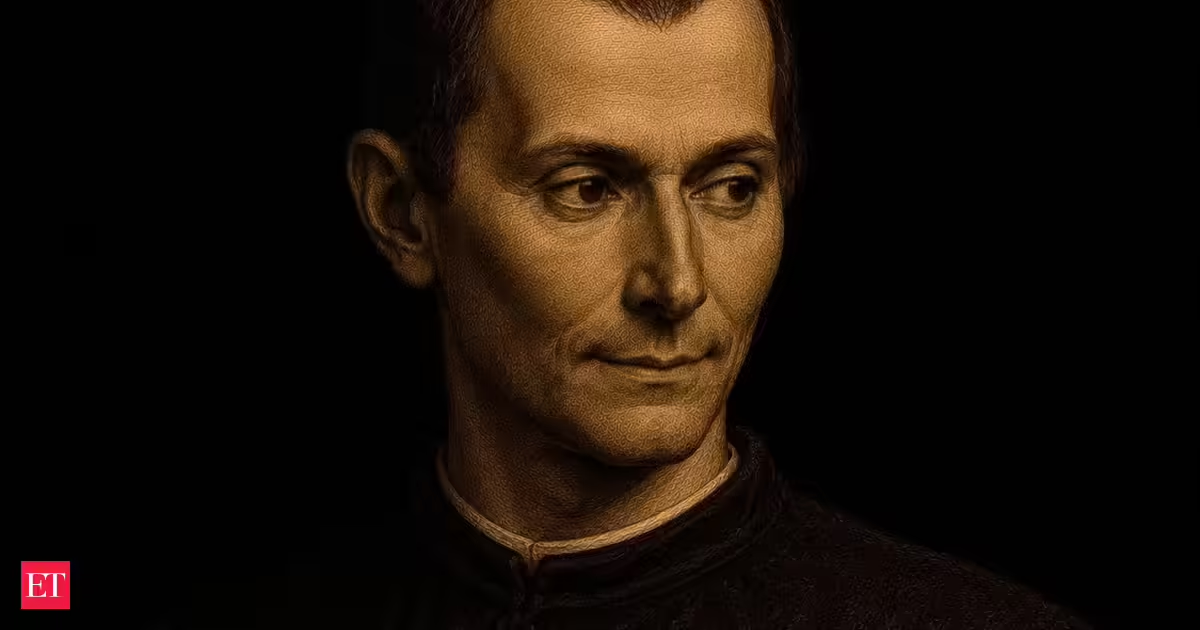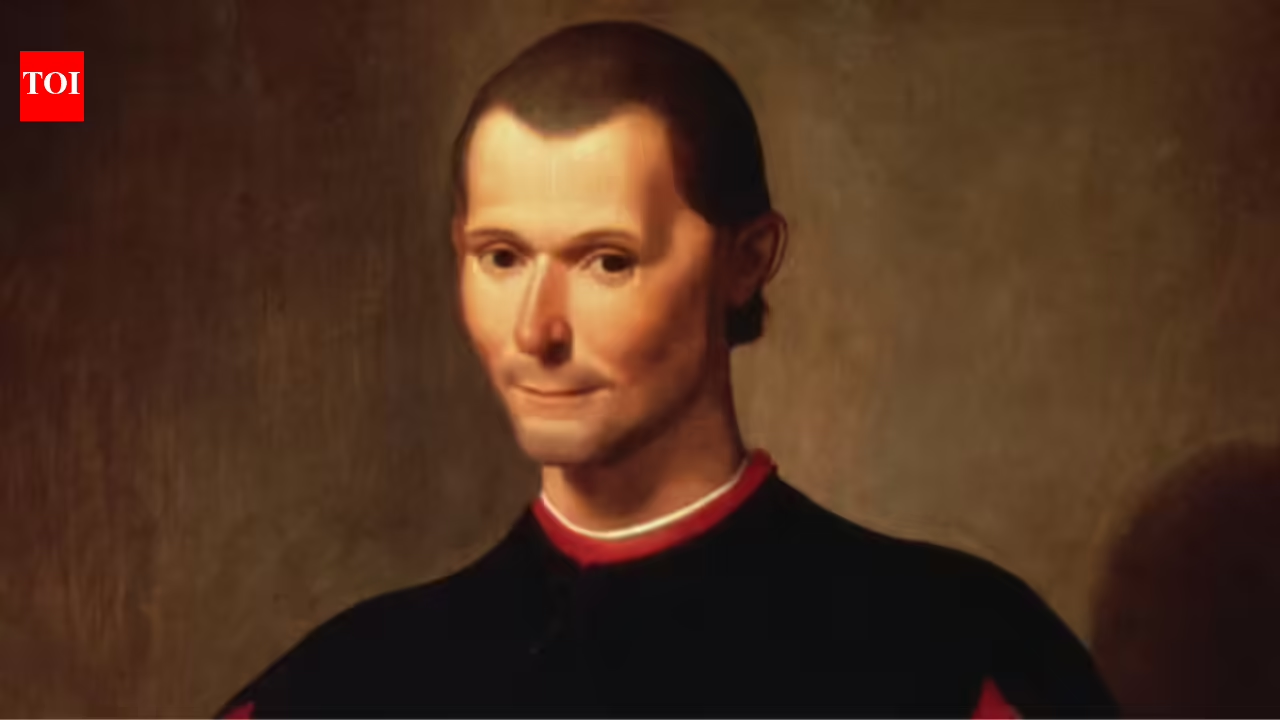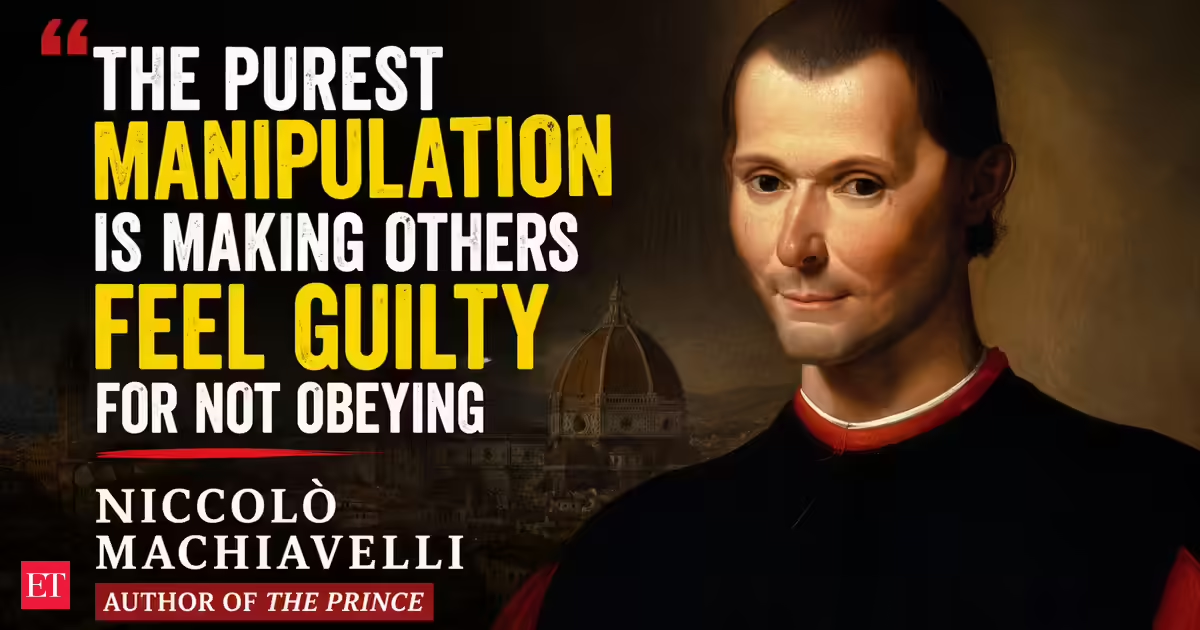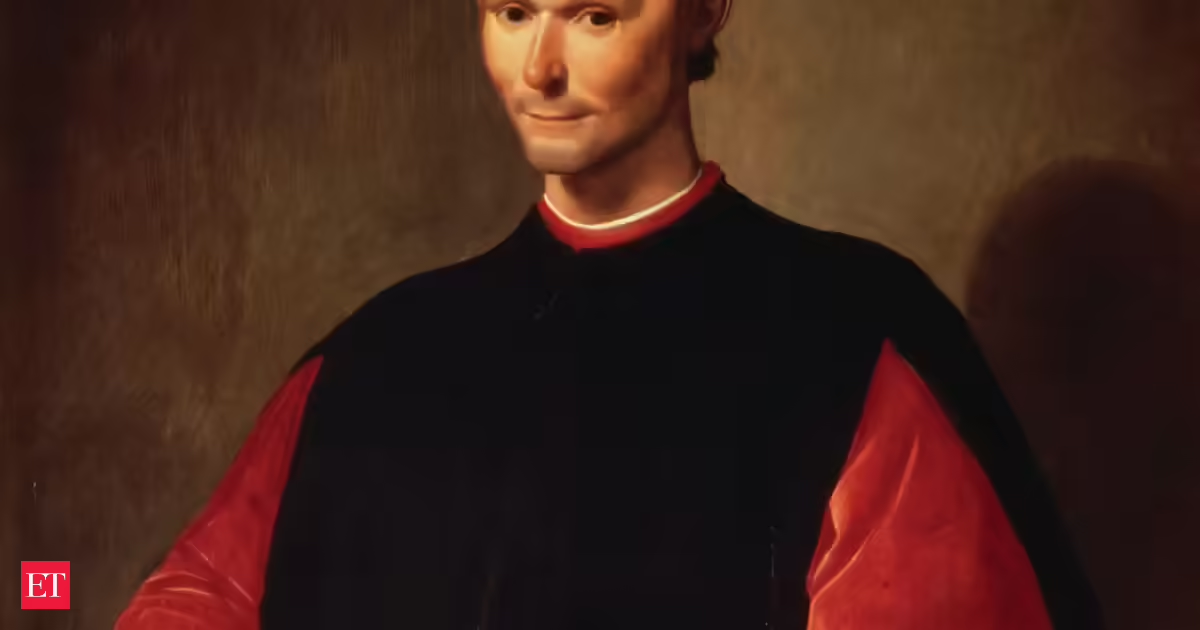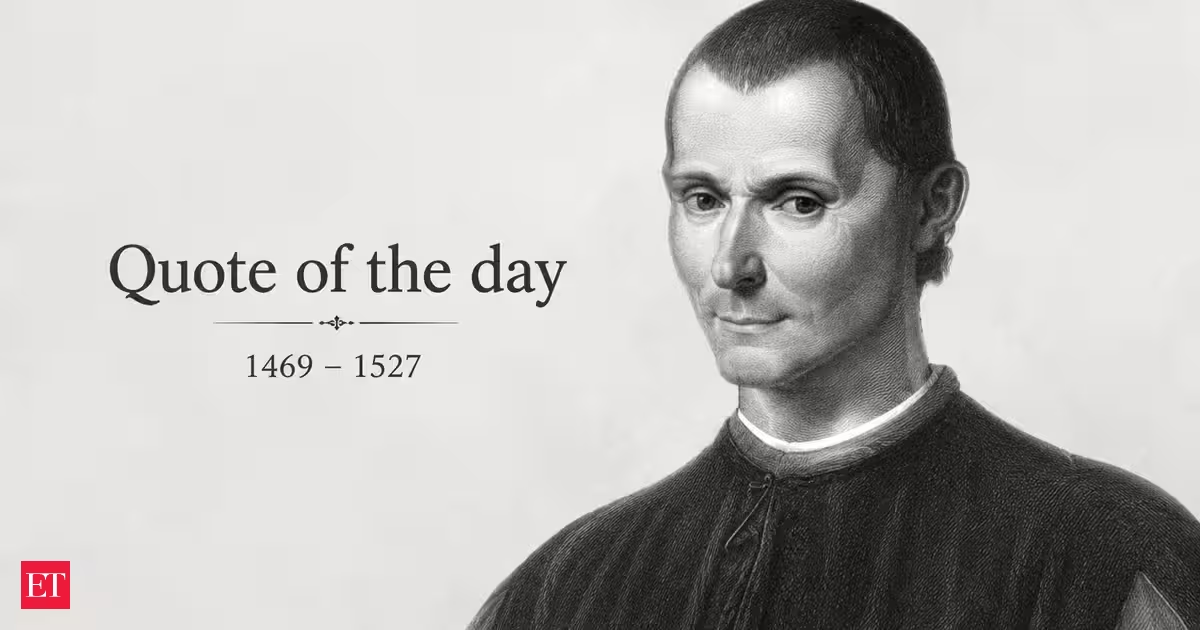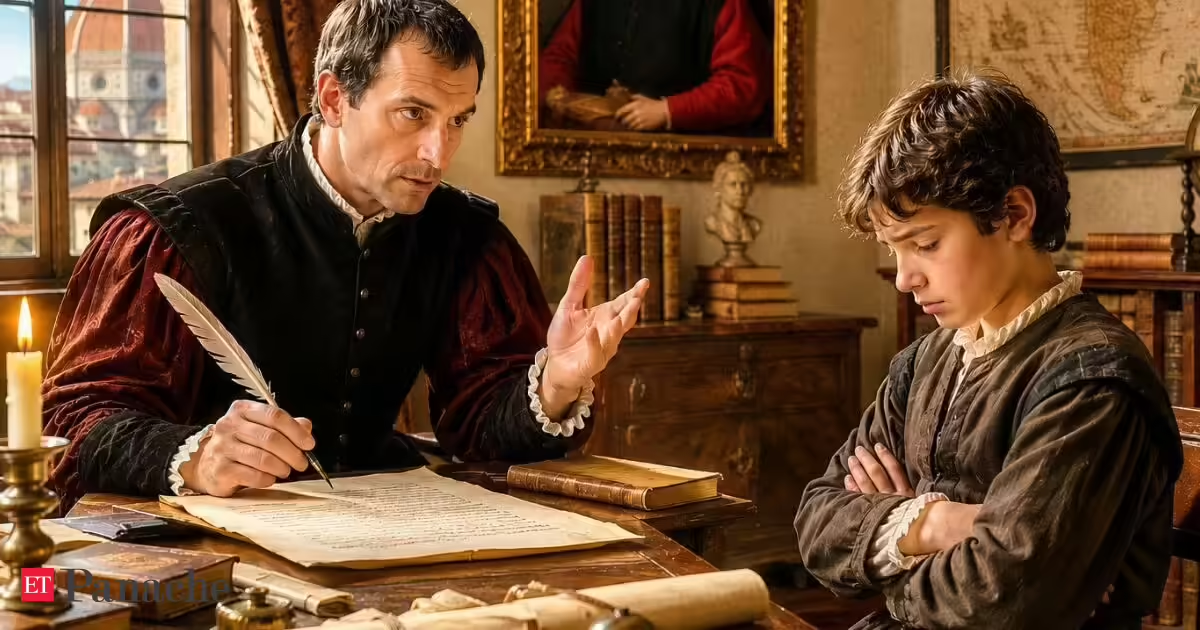
Niccolò Machiavelli remains one of the most influential and debated political thinkers in history. The Italian diplomat, philosopher, and writer is best known for his observations on power, leadership, and human nature, ideas that continue to be discussed nearly five centuries after his death. Many quotes attributed to him still circulate widely because they touch on situations that people encounter in everyday life, whether in politics, workplaces, families, or personal relationships."The child who obeys you out of fear will one day lie to you for freedom." - Niccolò MachiavelliThis quote, which is widely attributed to Machiavelli online, offers a striking reflection on authority and obedience. It suggests that when a child follows rules primarily because they fear punishment, that obedience may not come from genuine understanding or respect. Instead, fear can create an environment where honesty becomes difficult, leading a person to hide the truth in order to regain a sense of independence.The quote also carries a broader message that extends beyond parenting. People naturally seek freedom and the ability to make choices for themselves. When authority relies too heavily on fear and control, individuals may comply outwardly while privately looking for ways to escape those restrictions. The statement highlights the importance of trust and communication, suggesting that lasting relationships are often built on mutual respect rather than intimidation.The man behind the quoteNiccolò Machiavelli was born on May 3, 1469, in Florence, Italy, during the Renaissance, a period known for major developments in art, literature, and learning. He came from a respected Florentine family, although his father Bernardo Machiavelli was not among the wealthiest members of the household. Despite financial limitations, his father maintained a library that exposed young Machiavelli to classical literature and intellectual ideas from an early age.Little is known about his childhood compared with many other historical figures, but historians believe he received a strong humanist education. He studied Latin and was influenced by the intellectual traditions that were common in Florence at the time. The city itself was a major center of political and cultural activity, providing an environment that would later shape his views on government and leadership.Rise in public serviceMachiavelli entered public life in 1498 when he was appointed head of Florence's Second Chancery. At just 29 years old, he found himself in a position of significant responsibility, overseeing diplomatic and administrative affairs for the Florentine Republic.For the next fourteen years, he carried out diplomatic missions across Italy and Europe. His work brought him into contact with some of the most powerful political figures of the era, including French rulers, church leaders, Holy Roman Empire officials, and military commanders. These experiences gave him a firsthand look at how governments operated and how leaders gained, maintained, and lost power.One of the most important figures he observed was Cesare Borgia, whose political and military actions would later influence some of Machiavelli's writings. During his years in government, he also advocated for the creation of a citizen militia, believing that states should rely less on mercenary forces and more on their own people for defense.Exile changed the course of his lifeMachiavelli's political career suffered a major setback in 1512 when the Medici family returned to power in Florence. The republic he had served was overthrown, and he was removed from office. Soon afterward, he was accused of involvement in a conspiracy, imprisoned, and tortured before eventually being released.After his release, Machiavelli withdrew to his family's property outside Florence. While the exile was a difficult period personally, it became one of the most productive phases of his intellectual life. Cut off from politics, he devoted much of his time to writing and reflection.In a famous letter written during this period, he described spending his evenings reading classical texts and engaging with the ideas of ancient thinkers. It was during these years that he began producing the works that would secure his place in history.
Quote of the day by Niccolò Machiavelli: 'The child who obeys you out of fear will one day lie to you for freedom...' Why fear can create obedience in children but not honesty explained by Italian Renaissance era philosopher
Niccolò Machiavellis widely shared quote, “The child who obeys you out of fear will one day lie to you for freedom,” reflects on the limits of fear-based authority and suggests that obedience driven by intimidation can undermine trust and honesty. The message extends beyond parenting, highlighting how excessive control may lead people to seek freedom through secrecy rather than open communication.
646 words~3 min read