Dear Editor,
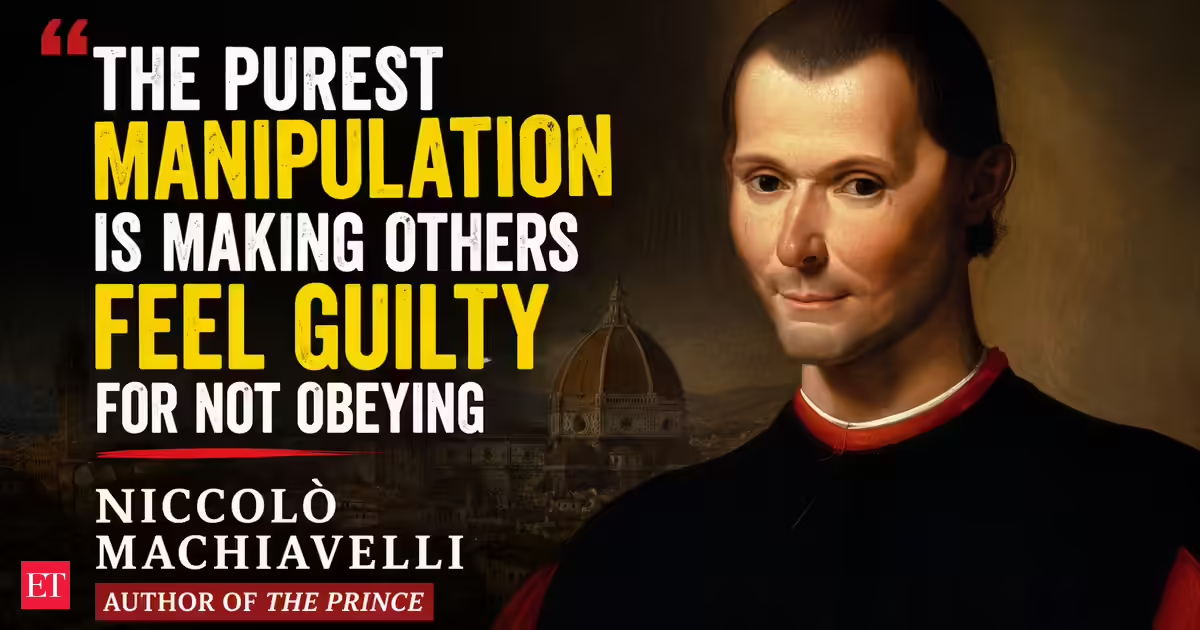
Nearly 500 years ago, Niccolò Machiavelli’s The Prince was published, claiming that power is best secured through manipulation, fear, and the careful appearance of virtue. Religion could be a useful instrument of control, while truth and ethics were secondary to political survival. Were he alive today, Machiavelli might marvel that his theories have found usefulness in Samoa.
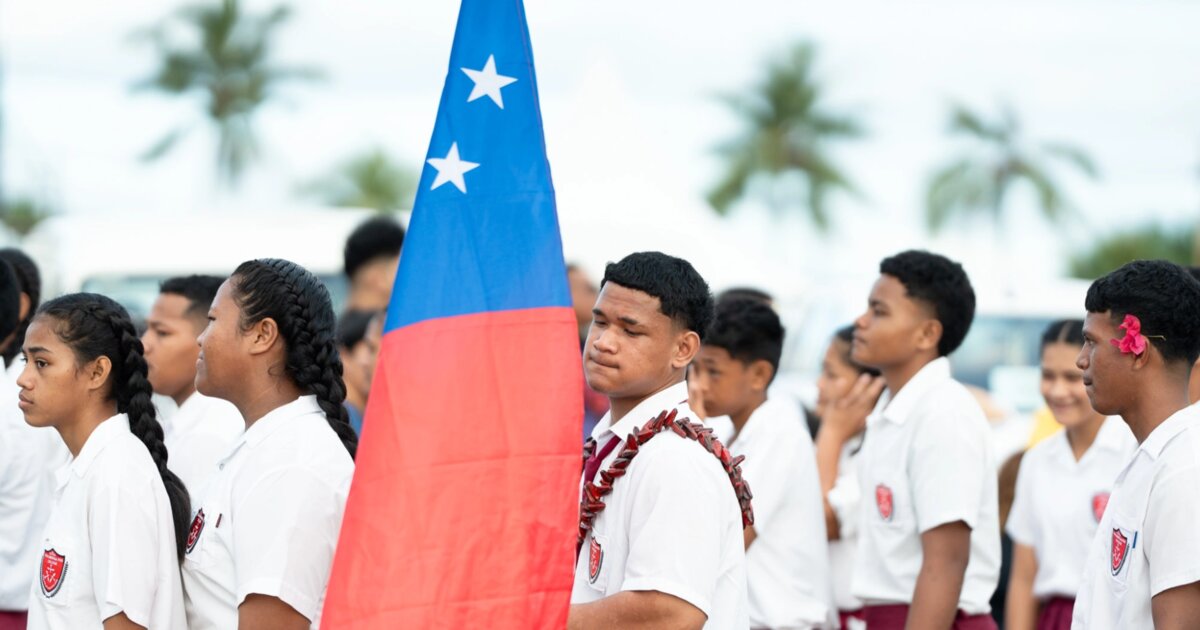
A country once admired for its stability, dignity, and sense of community now appears increasingly adrift, its priorities uncertain, its institutions strained, and its public discourse reduced to spectacle. The growing gap between political promises and lived reality has left many Samoans disillusioned and questioning where the national interest ends and political self-preservation begins.
Nonetheless, history shows that power ultimately resides not with governments, but with the governed. The day the people recognise deception for what it is, they cease to be subjects of it. As Plato in his allegory of the cave cautioned, those living in darkness often mistake shadows for reality. Samoa's future depends on how many are prepared to step into the light and refuse to be fooled.
Fai atu ai fo’i