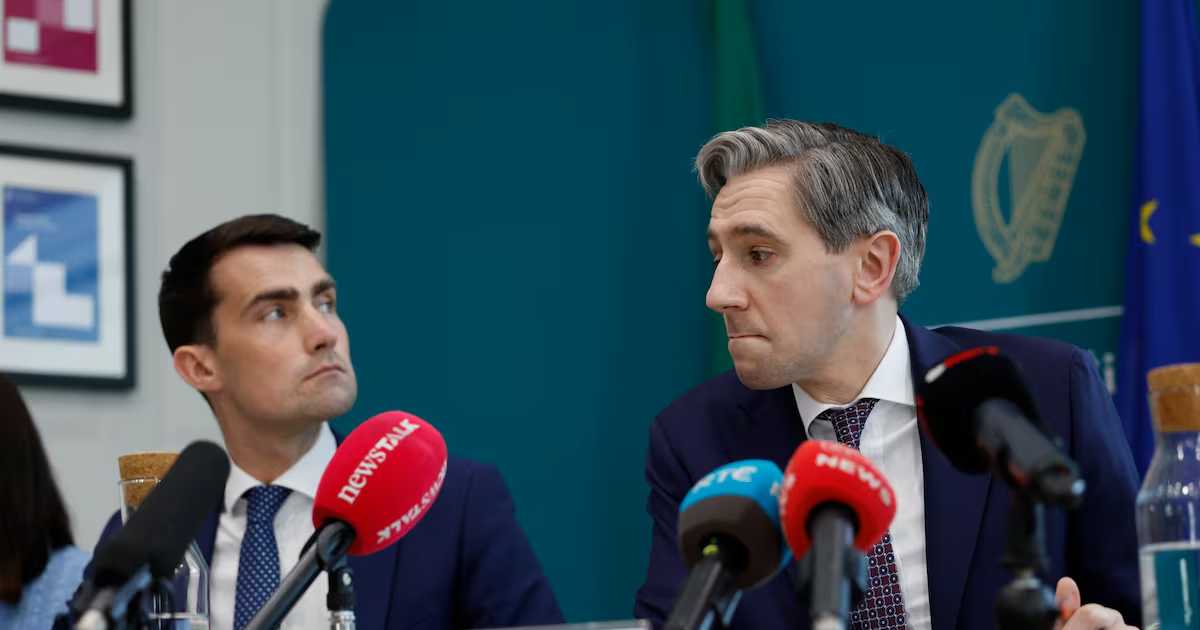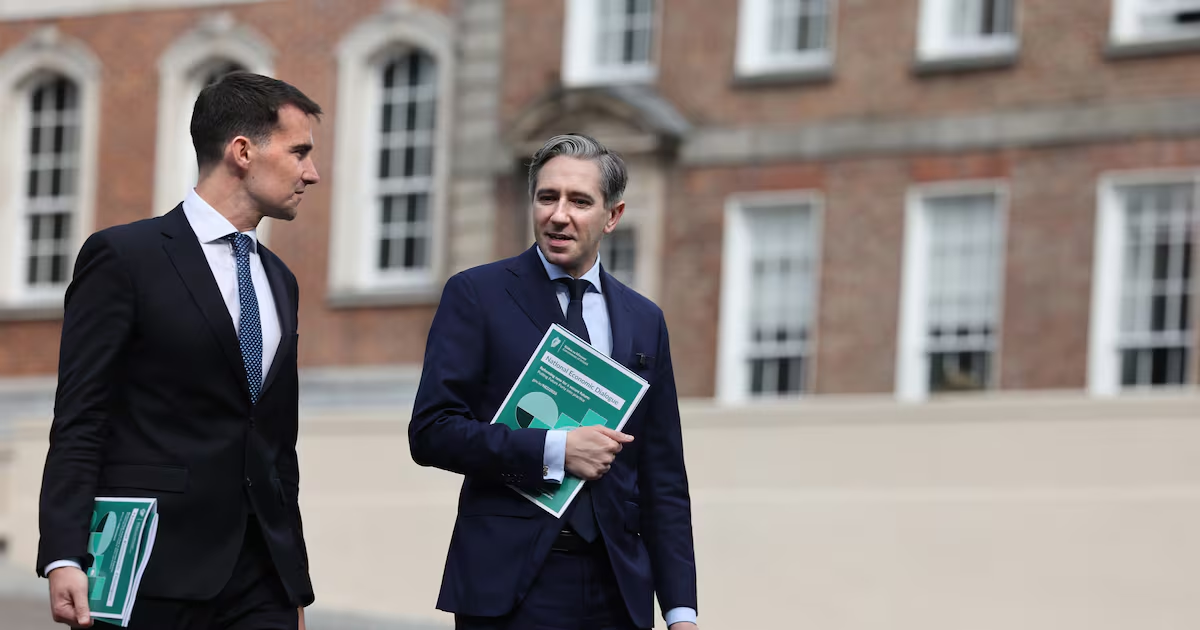
Here we go again. Spending exceeding budgeted levels in the health service is now an annual event. Evidence given to the Oireachtas Health Committee yesterday indicated an overrun of €400 million so far this year. The figures are coming back somewhat closer to budget and an effort is being made to save cash, notably on agency staff. But a significant overspend for the year is inevitable. There is no doubt that there are problems of budgetary control within the health system. The case of the new National Children’s Hospital is, of course, regularly in the headlines. But a central problem is that the service continues to spend over budget in running its day to day operations.Particular problems continue in the hospitals’ budget, which has overspent by an average of €1.2 billion per annum over the past three years. But across both pay and non-pay items, the story is of budgets not being met. There are particular challenges here for the new HSE chief executive, Anne O’Connor. But there are also wider questions for the whole national budgeting system. Analysis by the Irish Fiscal Advisory Council (Ifac) has shown clearly that allocations set for the health budget each year have been unrealistic. Previous overruns are not counted in and the costs of an increasing population are not properly allowed for.The annual budget-setting process has thus become an exercise in make-believe. Everyone knows the budget is unrealistic but the figures are agreed anyway. Ministers are spared the trouble of having to face up to the trade-offs which are needed in spending or tax raising elsewhere to provide a proper health service. And the service itself has little incentive to become more efficient. Minister for Public Expenditure Jack Chambers has promised to reform the budget process and put a stop to the endless overruns. Budgeting properly for health must be where he starts. The sector needs a realistic budget, but the public also needs to be reassured that the massive amounts being spent will be reflected in better services, sooner rather than later.
Irish Times view on the health budget: an exercise in make believe
Everyone knows the budget is unrealistic but the figures are agreed anyway
340 words~2 min read