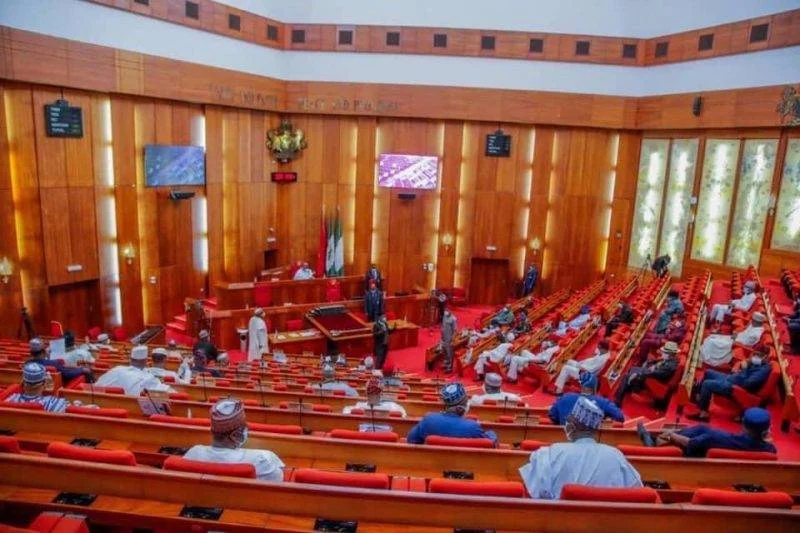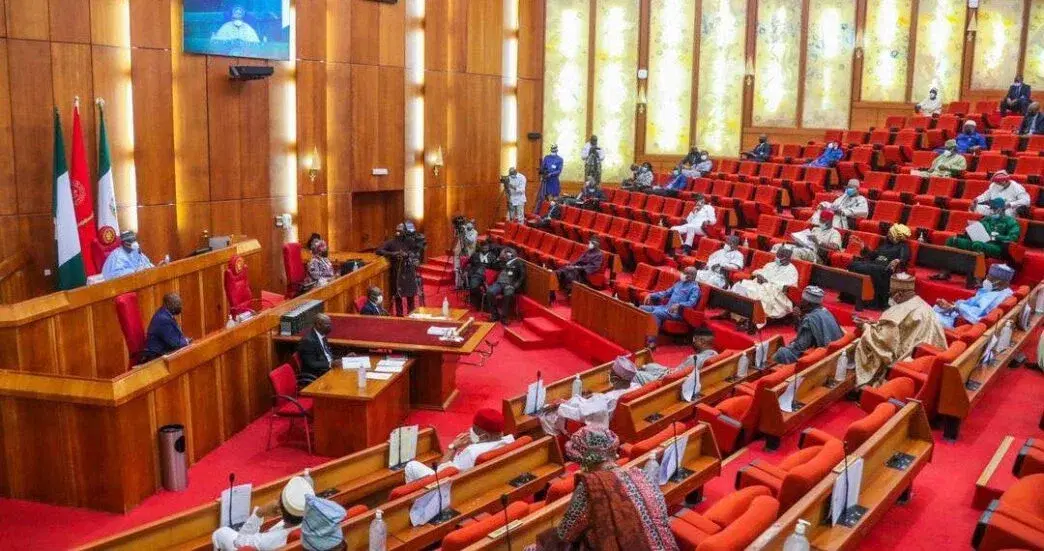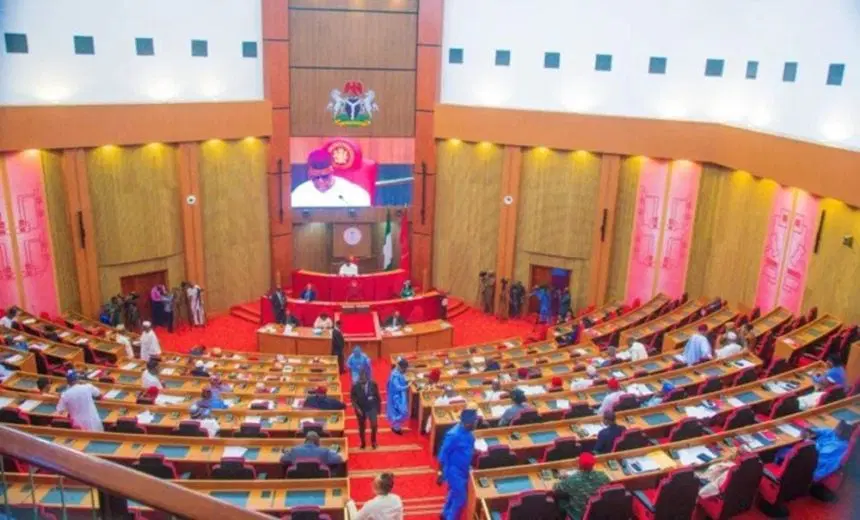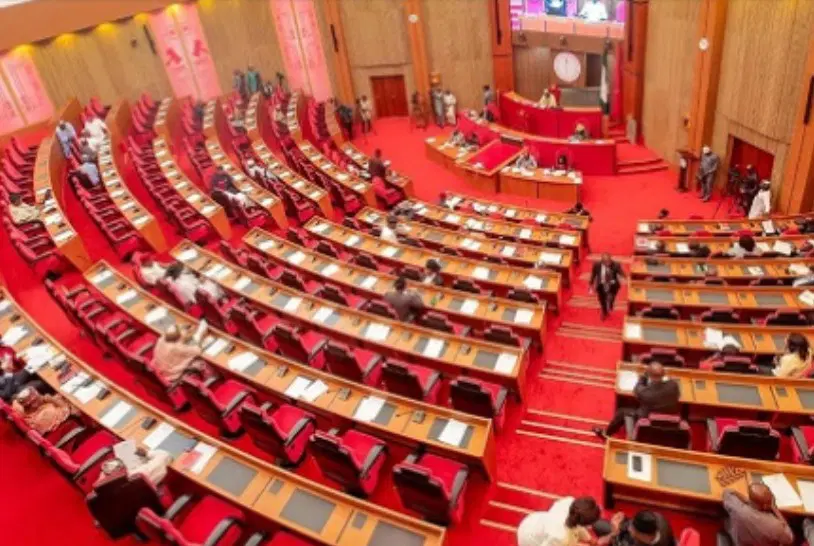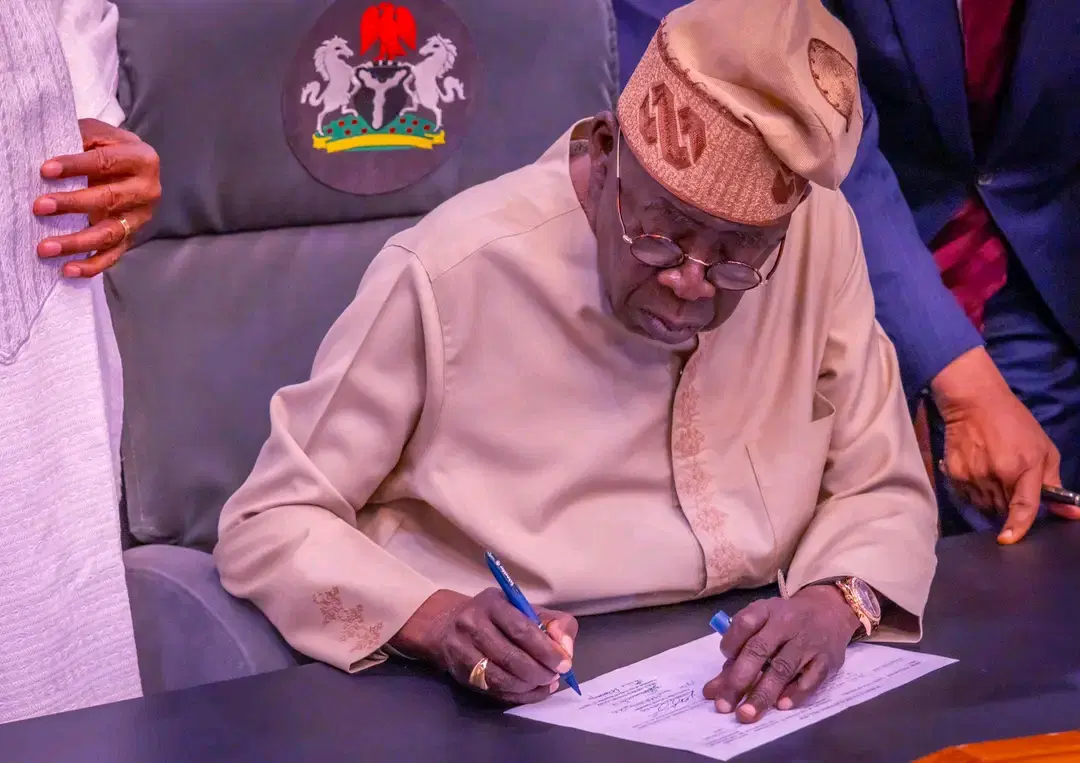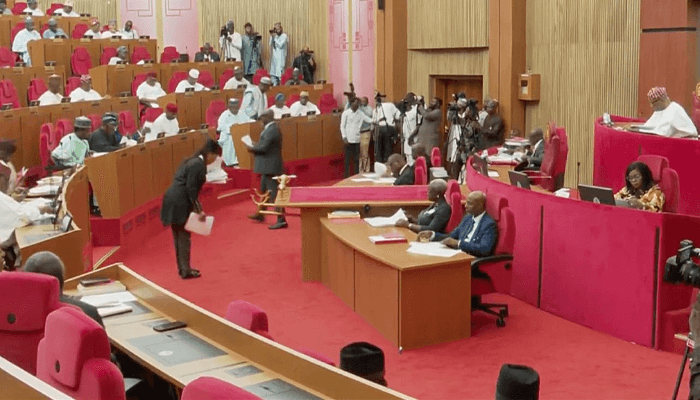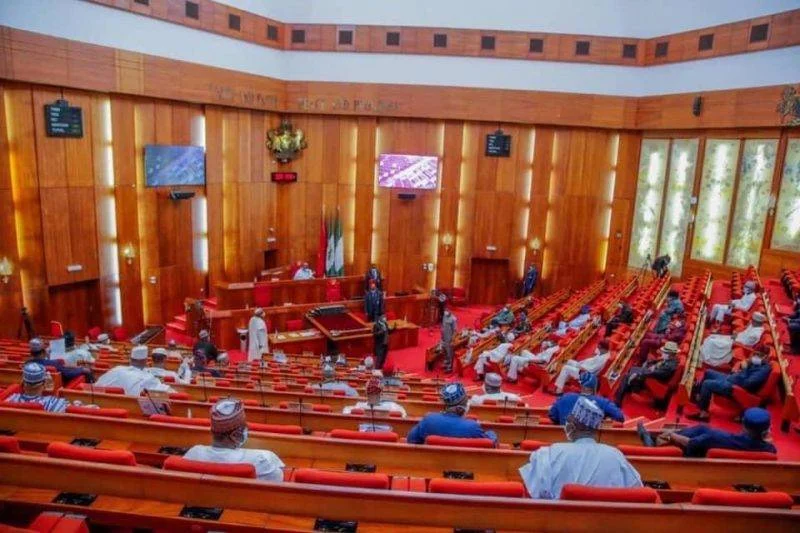
In a move to accommodate a decentralised police structure in the ongoing amendment of the 1999 Constitution, the Senate has adopted clearly defined measures to constrain and prohibit state governors from using such powers for partisan, ethnic, religious, sectional, or personal purposes.
The upper chamber also pointed out that when eventually amended, the new constitution will authorise the National Assembly to prescribe national minimum standards relating to recruitment, training, vetting, promotions, discipline, use of force, firearms, complaints procedures, accountability, data management, and professional conduct.
Balancing local autonomy with federal oversight
Opeyemi Bamidele, the Leader of the Senate, reeled out these measures on Wednesday while leading the debate on the Constitution of the Federal Republic of Nigeria Alteration (State Police) Bill, 2026. Canvassing support for the legislation, Bamidele first highlighted the objectives of the bill, which was submitted to the National Assembly by President Bola Ahmed Tinubu.
Bamidele, who also serves as the Vice Chairman of the Senate Ad-hoc Committee on the Review of the 1999 Constitution, pointed out that the proposal mainly seeks to balance local policing autonomy with national cohesion, accountability with operational effectiveness, and federal oversight with state responsibility. The bill is intended to retain the Nigeria Police Force for federal policing duties while providing for the establishment of state police services in states that choose to adopt them.