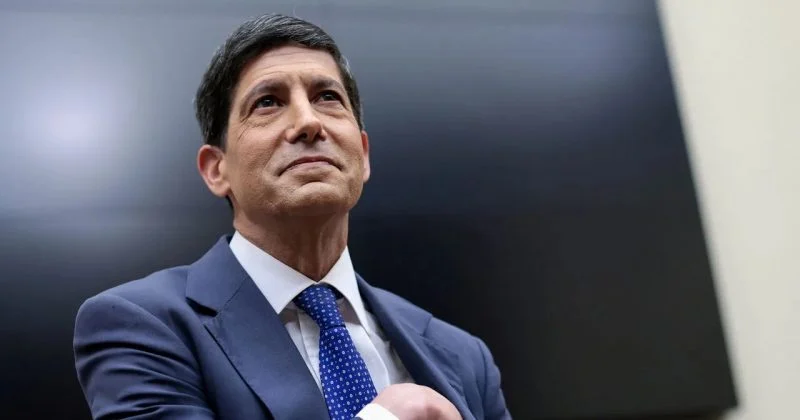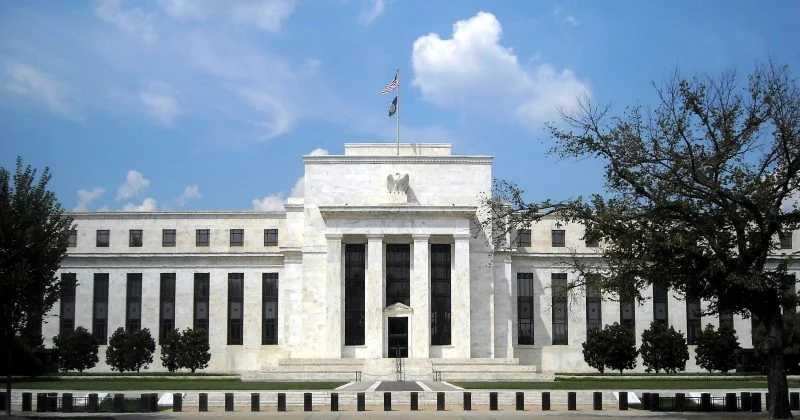
The Federal Reserve had one job at its June 17 meeting: send a clear signal about where monetary policy is headed. Chair Kevin Warsh delivered that signal, and crypto markets did not like what they heard.
The Fed held its benchmark federal funds rate steady at 3.5% to 3.75%, a decision that was unanimous. But the more consequential move was what came out of the updated projections, where the Fed revised its personal consumption expenditures inflation forecast for 2026 upward to 3.6%, with core inflation sitting at 3.3%. The median projected rate path now points to 3.8% by year-end.
Warsh sets the tone early
Warsh, who took office on May 22, assumed the chair role with a reputation for hawkishness, and his first FOMC meeting did nothing to challenge that reputation. His emphasis on “price stability” as the primary mandate left little room for the growth-supportive framing that some market participants had been hoping for.
This matters because the backdrop heading into the meeting was one of moderating inflation. Consumer prices had cooled to between 0% and 1%, the kind of number that, in a different policy environment, might have opened the door to easing. Warsh effectively closed that door.