At Config 2026, Figma is betting on human judgment and smarter token usage instead of building its own models. AI, the company's key growth driver, is eating into margins and comes from providers like Anthropic that are building competing products.
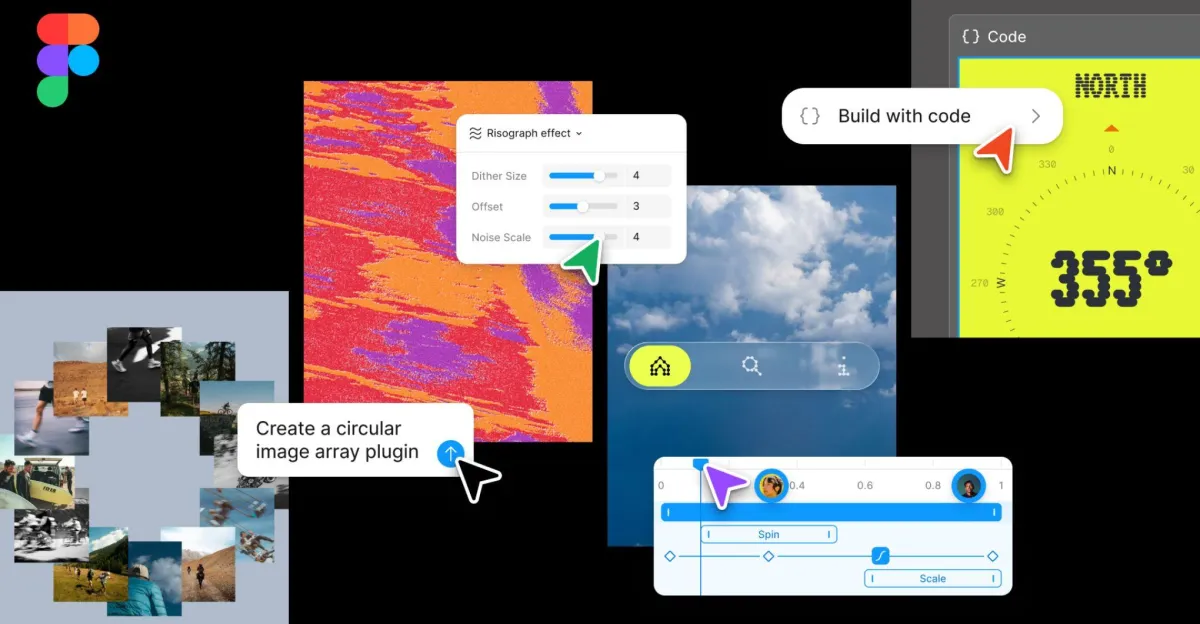
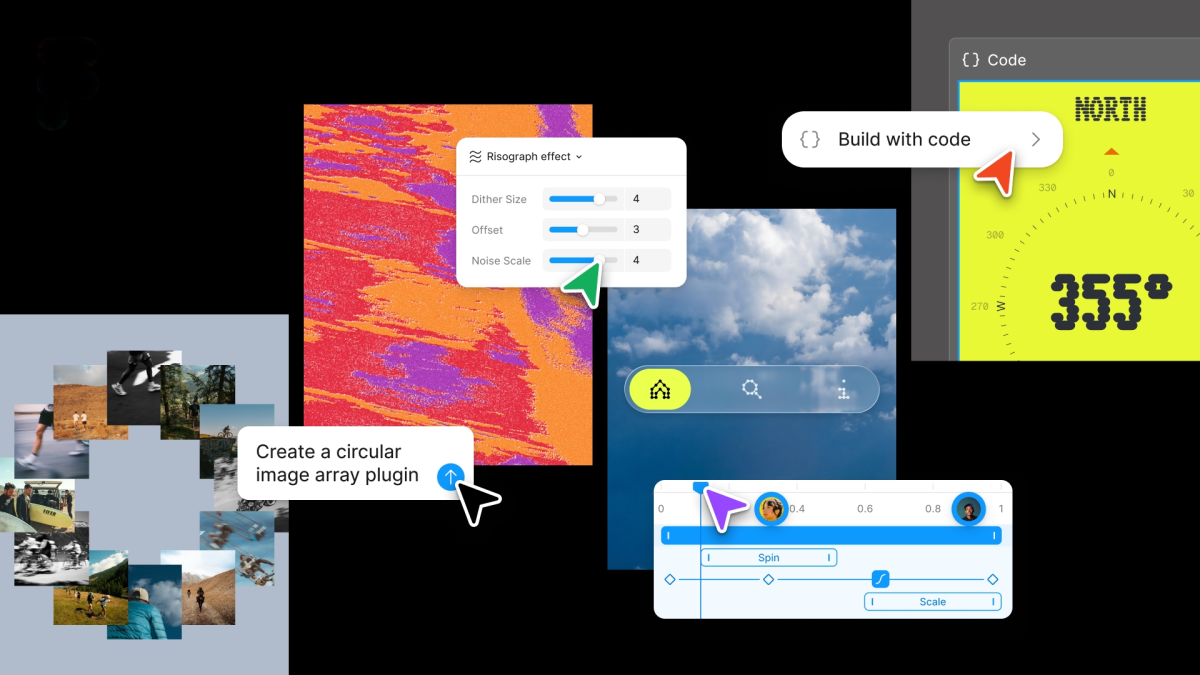
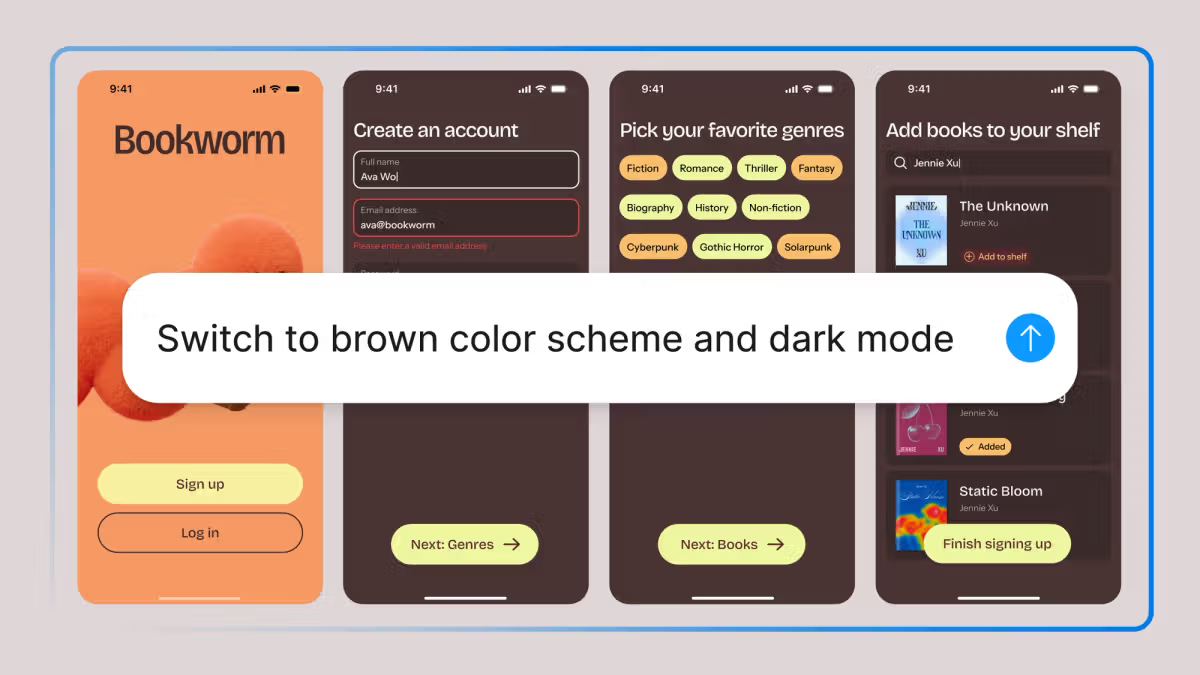
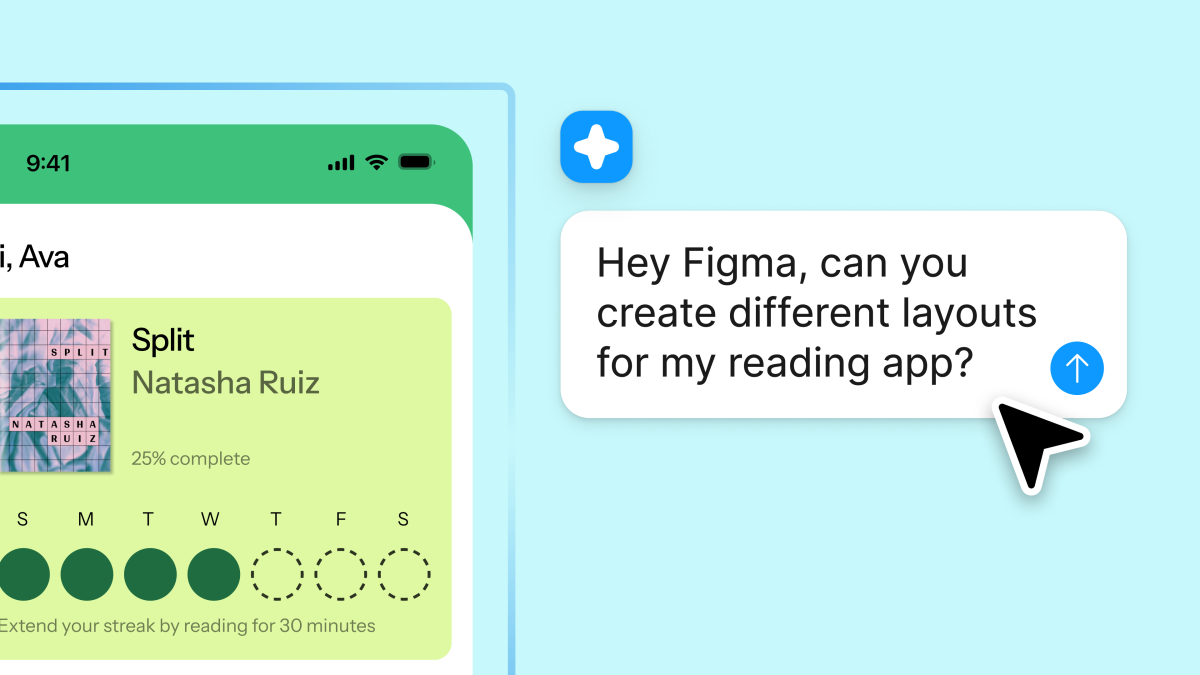
At its annual conference in San Francisco, Figma rolled out a wave of updates that turn the design canvas into a workspace for code, motion, depth, surface effects, and AI agents. The company says 95 percent of Fortune 500 companies build their products in Figma.
Generating interfaces, text, and code with AI has gotten cheap. Human attention, the thing all that output competes for, hasn't grown. Standing out means going beyond what models trained on the internet's average content can produce. The new features give designers more tools to do that without giving up control over the result, the company says.
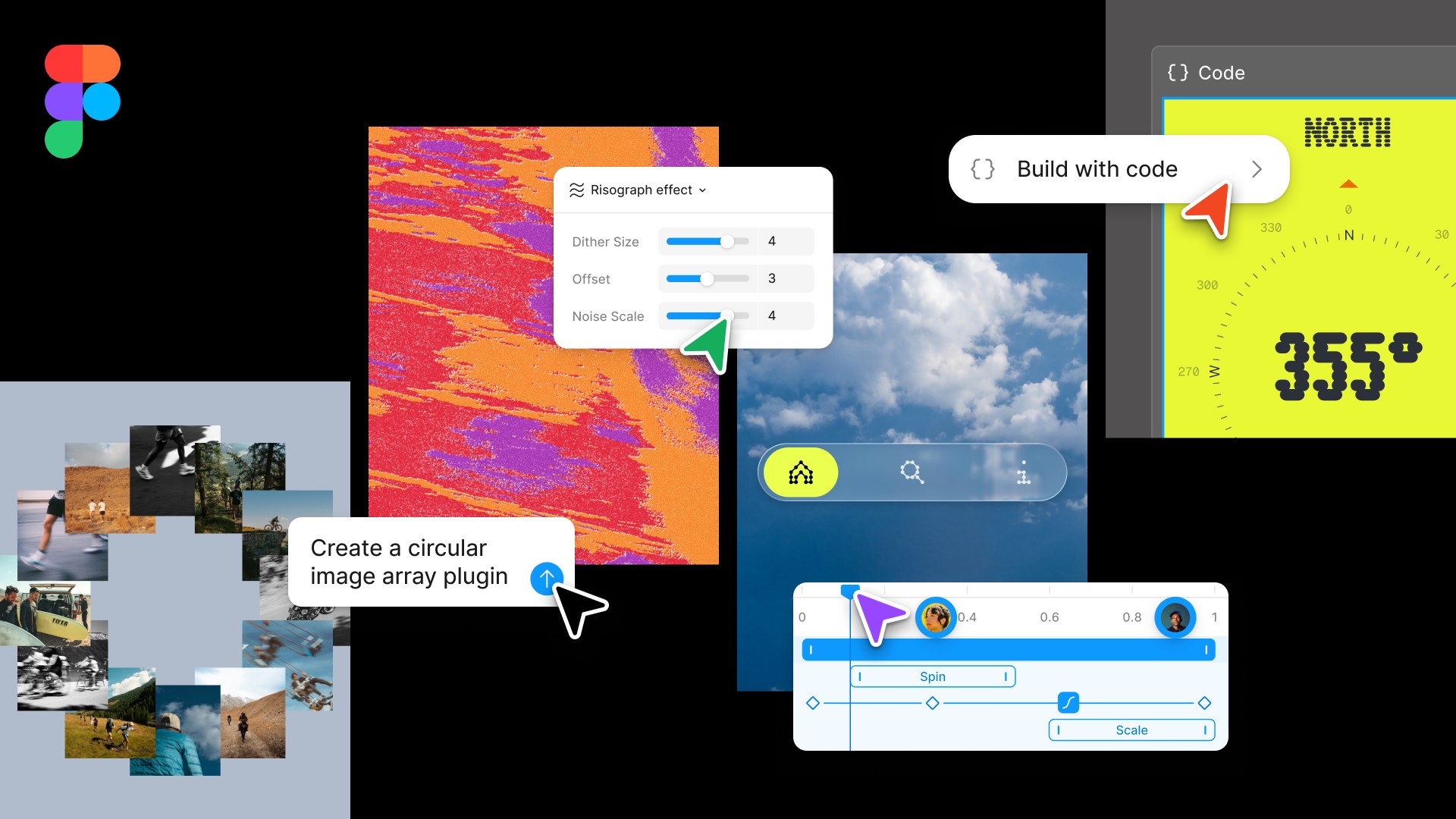
Code, motion, depth, and shaders on a single canvas
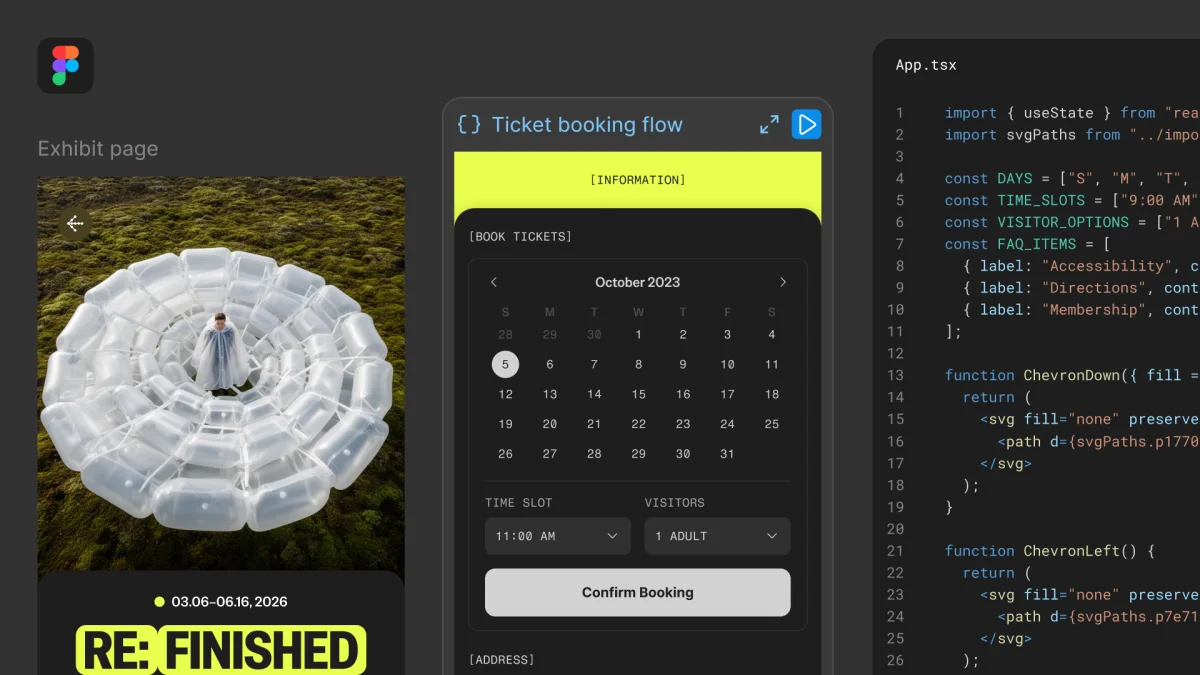
It starts with code. Last year, Figma brought code onto the canvas for the first time with Figma Make. Now Make pulls in a team's production code and applies changes through branches, commits, and pull requests, all without a terminal. The feature is rolling out in beta.