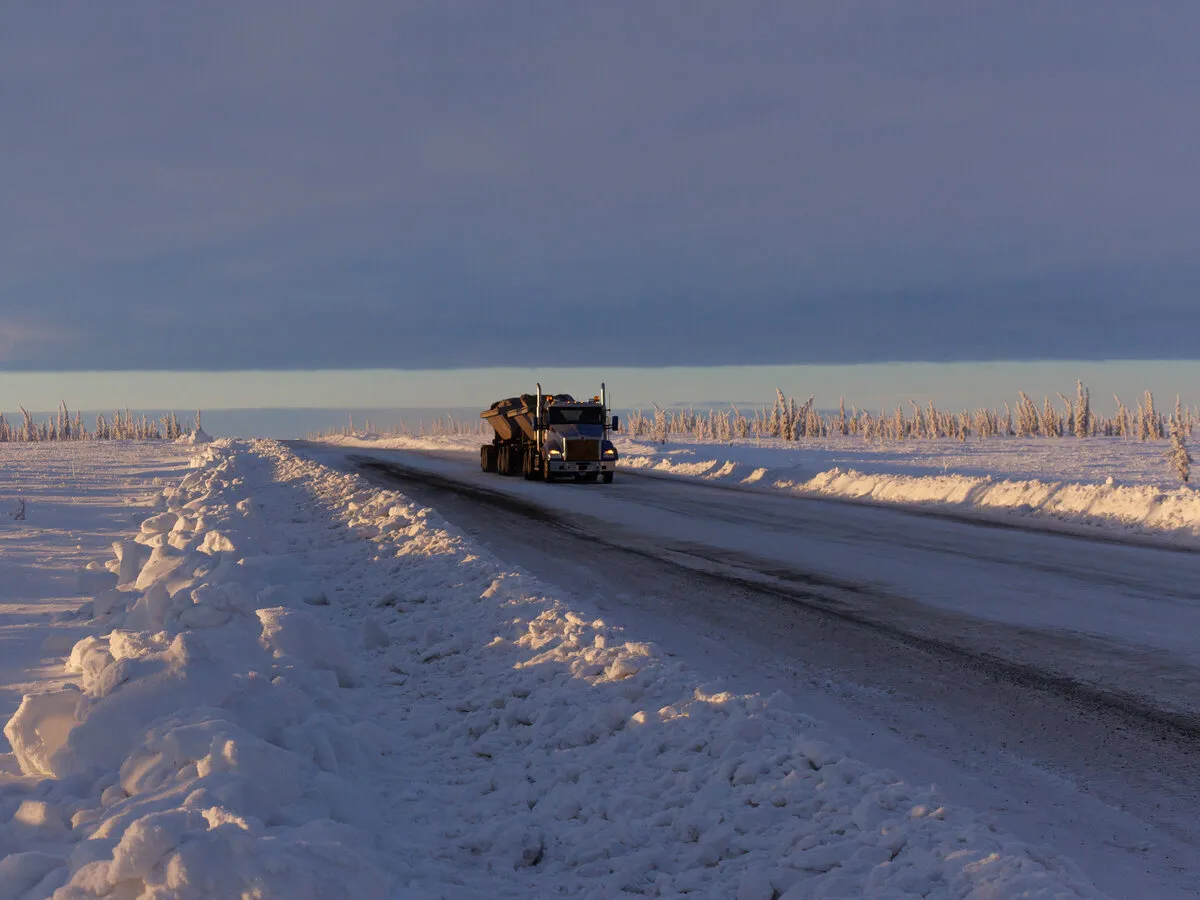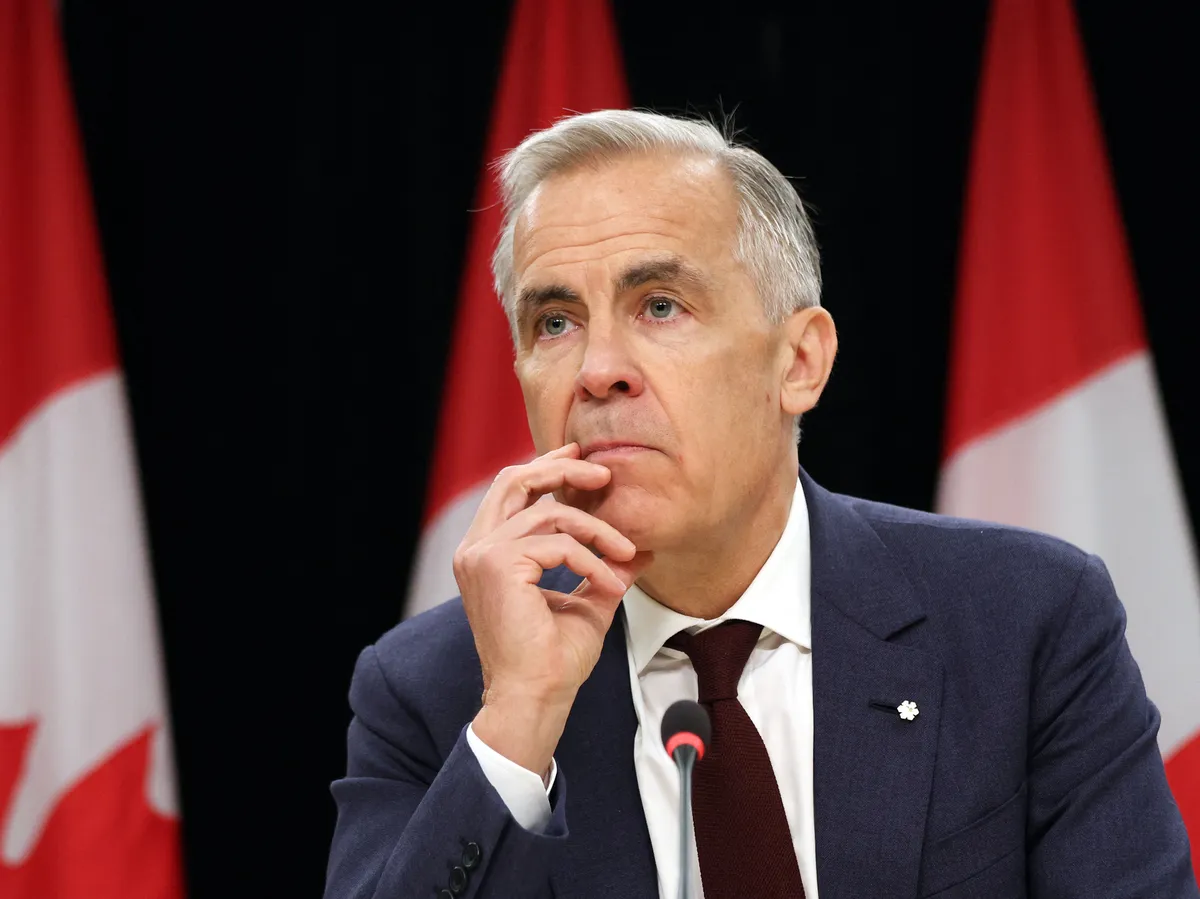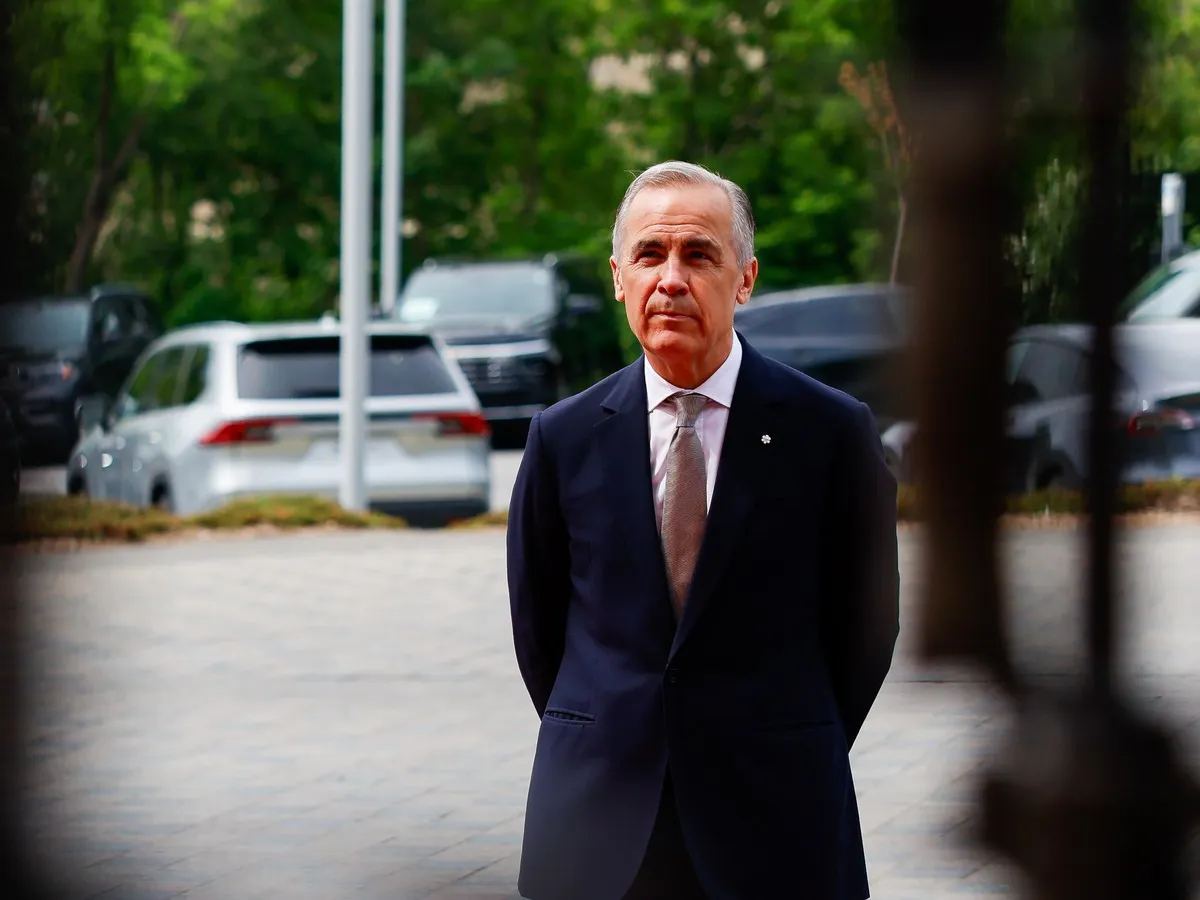
Skip to Content Subscribe Our Offers My Account Manage My Subscriptions FAQ Newsletters Canada Canadian True Crime Canadian Politics Health World Israel & Middle East Financial Post NP Comment Longreads Puzzmo Diversions Comics NP News Quiz New York Times Crossword Horoscopes Life Eating & Drinking Style Sponsored Play for Ontario Travel Travel Canada Travel USA Travel International Cruises Travel Essentials Culture Books Celebrity Movies Music Theatre Television Business Essentials Advice Lives Told Tails Told Shopping Buy Canadian Home Living Outdoor Living Kitchen & Dining Tech Style & Beauty Personal Care Entertainment & Hobbies Gift Guide Travel Guide Amazon Prime Day Deals Savings National Post Store More Sports Hockey Baseball Basketball Football Soccer Golf Tennis Driving Vehicle Research Reviews News Gear Guide Obituaries Place an Obituary Place an In Memoriam Classifieds Place an Ad Celebrations Working Business Ads Archives Healthing Epaper Manage Print Subscription Profile Settings My Subscriptions Saved Articles My Offers Newsletters Customer Service FAQ Newsletters Canada World Financial Post NP Comment Longreads Puzzmo Diversions Life Shopping Epaper Manage Print Subscription HomeNewsCanadaCanadian PoliticsCarney government names first three infrastructure projects as candidates for fast-tracked approvalsThe announcement comes nearly one year to the day that Carney's Building Canada Act became lawLast updated Jun 24, 2026 You can save this article by registering for free here. Or sign-in if you have an account.Prime Minister Mark Carney in Ottawa on June 22, 2026. Photo by HYUNGCHEOL PARK/PostmediaOTTAWA — Prime Minister Mark Carney’s government signalled Wednesday that it’s working towards designating its first set of major infrastructure projects in the national interest by fall 2026, deploying yet-to-be-used powers to grant upfront approvals.Enjoy the latest local, national and international news.Exclusive articles by Conrad Black, Barbara Kay and others. Plus, special edition NP Platformed and First Reading newsletters and virtual events.Unlimited online access to National Post.National Post ePaper, an electronic replica of the print edition to view on any device, share and comment on.Daily puzzles including the New York Times Crossword.Support local journalism.Enjoy the latest local, national and international news.Exclusive articles by Conrad Black, Barbara Kay and others. Plus, special edition NP Platformed and First Reading newsletters and virtual events.Unlimited online access to National Post.National Post ePaper, an electronic replica of the print edition to view on any device, share and comment on.Daily puzzles including the New York Times Crossword.Support local journalism.Create an account or sign in to continue with your reading experience.Access articles from across Canada with one account.Share your thoughts and join the conversation in the comments.Enjoy additional articles per month.Get email updates from your favourite authors.Create an account or sign in to continue with your reading experience.Access articles from across Canada with one accountShare your thoughts and join the conversation in the commentsEnjoy additional articles per monthGet email updates from your favourite authorsSign In or Create an AccountorThe projects themselves are a proposed highway across the Northwest Territories that seeks to reduce travel time, a new road in Nunavut that would connect to a future port in hopes of enabling better shipping access and critical mineral development, plus a geological repository in northwestern Ontario that proposes trapping used nuclear fuel from reactors.The announcement comes nearly one year to the day that Carney’s Building Canada Act became law, which was one of the first pieces of legislation that the prime minister advanced after winning the April 2025 election, with the other focused on eliminating federal barriers to internal trade. A handful of ministers, including Energy and Natural Resources Minister Tim Hodgson, made the formal announcement of the project selection in Yellowknife on Wednesday.“We’re at a pivotal moment,” Hodgson said.“We’re facing a global energy crisis. We’re facing a tax on our sovereignty. A changing global economic reality, a difficult security environment and major climate change.”He said that for the past year the federal Liberal government has been focused on a “singular mission,” which has been to “build Canada strong for all.”Getting more major infrastructure projects built, from ports to pipelines, to bolster Canada’s economic growth in the face of uncertainty stemming from U.S. tariffs has been a hallmark promise for Carney, as his Liberal government has sought to rollback existing energy and environmental regulations it sees as standing in the way.At the same time, the Opposition Conservatives have criticized the federal government as still moving too slow while some First Nations leaders and many environmental groups have warned that fast-tracking project approvals risks running roughshod over environmental protections and the duty to consult First Nations.The Carney government has consistently maintained that the Crown’s obligations to consult with Indigenous rights-holders would be honoured throughout the process.Under the Building Canada Act, the federal government through cabinet has the power to designate a project as being in the “national interest,” which allows proponents to undergo a more streamlined process for approvals. Before a project can receive that designation, it is first sent to the Major Projects Office, a new federally-established body, to undergo a review.Government officials briefing reporters on a not-for-attribution basis said on Wednesday that the projects being considered for “national interest” designation would have to embark on a consultation process with Indigenous rights-holders, with the goal of a final listing decision being made sometime this fall.The projects themselves first having to undergo a listing in the Canada Gazette, the federal government’s official newspaper, outlining its specific proposals and details.Following a project being given the “national interest” designation, a secondary process would follow where federal officials across varying departments would work to establish a set of binding conditions that a proponent would need to meet in order to be approved for construction.Government officials specified that the list of conditions could be subject to change and that specific timelines and consultation processes for each of the projects would unfold on a case-by-case basis, particularly given that two out of the three projects were based in the North and are subject to following modern treaties.Shannon Stubbs, the Conservatives’ critic in Parliament for natural resources, took to X to pan Wednesday’s announcement as nothing more than “another photo-op.”“A year ago, Parliament handed Mark Carney extraordinary powers through Bill C-5 to fast-track permits, cut red tape, and override Liberal delays,” she wrote.“A year later, he did nothing. Now Liberal ministers fly north to announce consultations to maybe list projects under the Act, while a government official admits: “This does not mean the decision has been made.”Wednesday’s announcement comes as the Alberta government is preparing its own proposal that could see a new million-barrel-a-day pipeline built from the oilsands to the West Coast, to be submitted by July 1.Under a deal Carney struck with Alberta Premier Danielle Smith with the aim of resetting Ottawa-Alberta relations, a decision to designate Smith’s pipeline proposal as being in the “national interest” is slated to happen by October 1. From there, the pair have agreed to see work completed on establishing the set of conditions necessary to begin construction by Sept. 1, 2027.A government official clarified on Wednesday that receiving a “national interest” designation is not contingent on having a private sector proponent. Smith’s United Conservative Party government is currently acting as the proponent through the initial application stage, committing $14 million towards planning and technical assessment work, with the goal of seeing a private sector proponent eventually step forward to build it.Approval of a proposed new interprovincial pipeline would also need to first see the federal government make legislative changes to give that power to the Canada Energy Regulator, shifting it away from Impact Assessment Agency. Doing so has been named as one of the proposed policies in a set of discussion papers that the federal government is currently receiving feedback on, which was extended in the face of concerns expressed by some First Nations leadership over timelines and pushback from environmental groups.Carney’s government has stated that it intends to bring forward legislation to enact further regulatory reforms in short order following the consultation period. The House of Commons, which is currently on break for the summer, is set to resume in September.Smith has argued that declaring a new West Coast pipeline as being a building priority of the federal government’s would help create a level of certainty for the private sector, which she says has been burned by past attempts to build new pipelines, from Northern Gateway to Energy East, both of which were ultimately cancelled.National PostOur website is the place for the latest breaking news, exclusive scoops, longreads and provocative commentary. Please bookmark nationalpost.com and sign up for our daily newsletter, Posted, here. Join the Conversation This website uses cookies to personalize your content (including ads), and allows us to analyze our traffic. Read more about cookies here. By continuing to use our site, you agree to our Terms of Use and Privacy Policy.
Carney government names first three infrastructure projects as candidates for fast-tracked approvals
The announcement comes nearly one year to the day that Carney's Building Canada Act became law.
1,450 words~7 min read