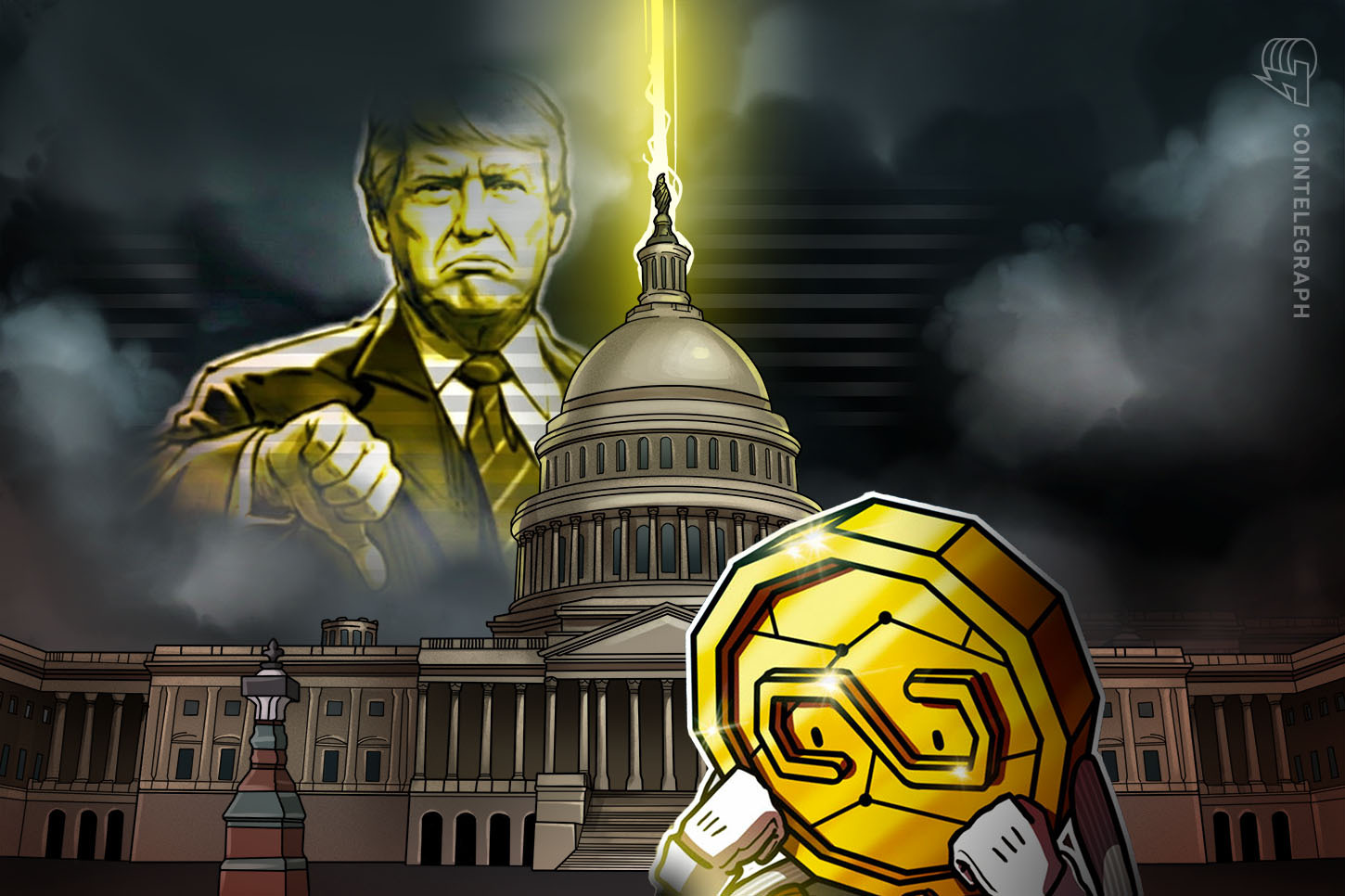
Former President Donald Trump has refused to sign legislation that would ban the Federal Reserve from issuing a Central Bank Digital Currency (CBDC) unless Congress passes the SAVE America Act, which imposes stricter voting requirements. This standoff involves the Anti-CBDC Surveillance State Act, aimed at permanently prohibiting federal agencies from pursuing CBDCs, aligning with Trump’s executive order from January 2025. By linking the CBDC ban to the SAVE America Act, which demands voter ID and citizenship documentation, Trump is leveraging a legislative strategy to influence U.S. election laws ahead of the 2026 federal elections. The move has sparked significant debate, reflecting a broader U.S. policy shift towards financial privacy and away from government-controlled digital currencies.
Key Takeaways
Trump’s refusal to sign the CBDC ban appears to indicate a strategic push for election law changes, consistent with passing the SAVE America Act.
The legislative standoff suggests a decrease in the likelihood of the Clarity Act being signed into law, as market participants adjust their expectations.
Market pricing suggests a 25% decrease in the probability of the Clarity Act passing, reflecting the impact of Trump’s legislative demands.