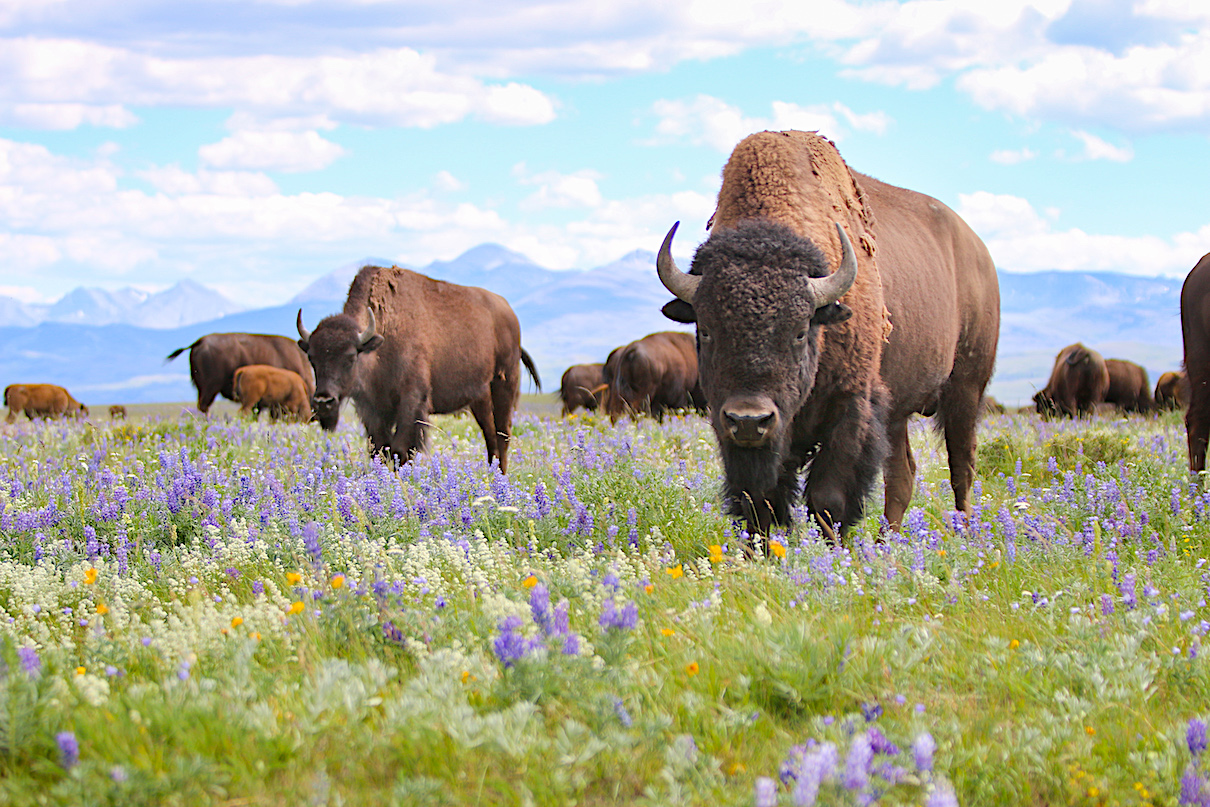
Wildlife shapes how ecosystems store carbon, move nutrients, recover from disturbance, and remain resilient as conditions change, yet this is seldom considered during negotiations over climate change policy.A new initiative seeks to bring animals into the climate conversation.“If governments are designing climate strategies, conservation plans, ecosystem models, or nature-based solutions, they should account for wildlife and the ecological roles animals play,” argues a biologist who helped draft the new Scientific Consensus on Wildlife and Climate.This article is a commentary. The views expressed are those of the author, not necessarily of Mongabay.
When we talk about climate change and wildlife, most people think about the impact of climate change on animals. We see individual organisms struggling to find food and being pushed into new places and environments, with global consequences for species distribution and animal abundances.
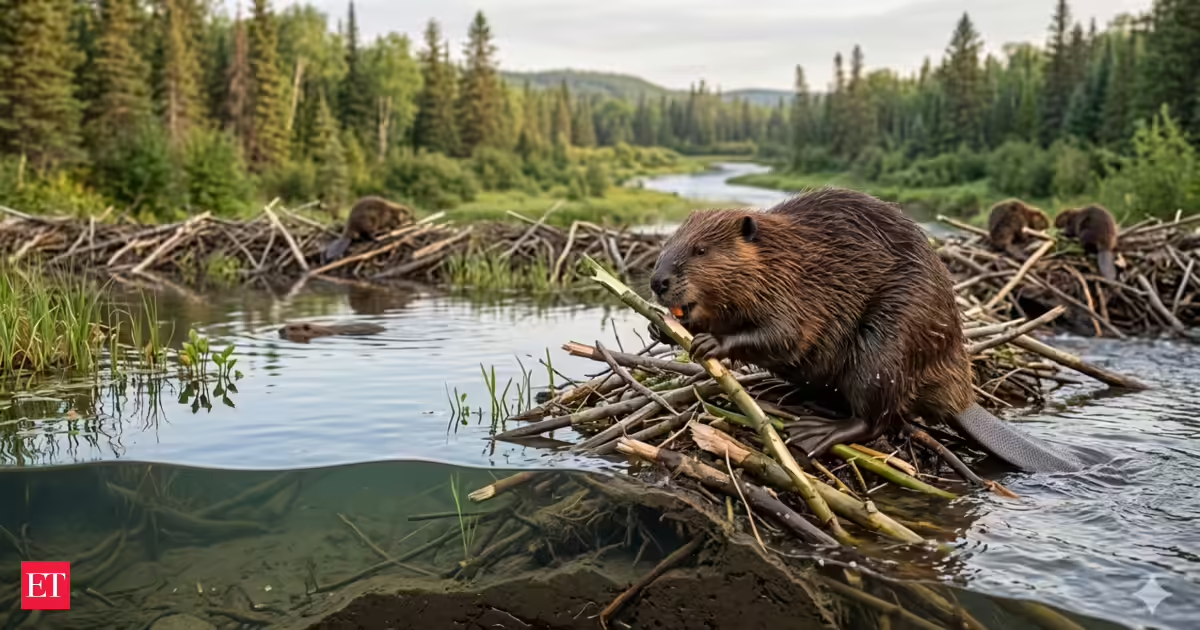
What many overlook is the other side of that relationship: Wildlife can help heal our climate. Wild animals help shape how ecosystems store carbon, move nutrients, recover from disturbance, and remain resilient as conditions change.
That is the message behind the new Scientific Consensus on Wildlife and Climate, currently endorsed by more than 300 scientists from around the world, and counting. The consensus makes a simple but important point for climate policy: We should account for wild animals and their ecological roles when designing climate plans, because natural systems are incomplete without the species that help them function.