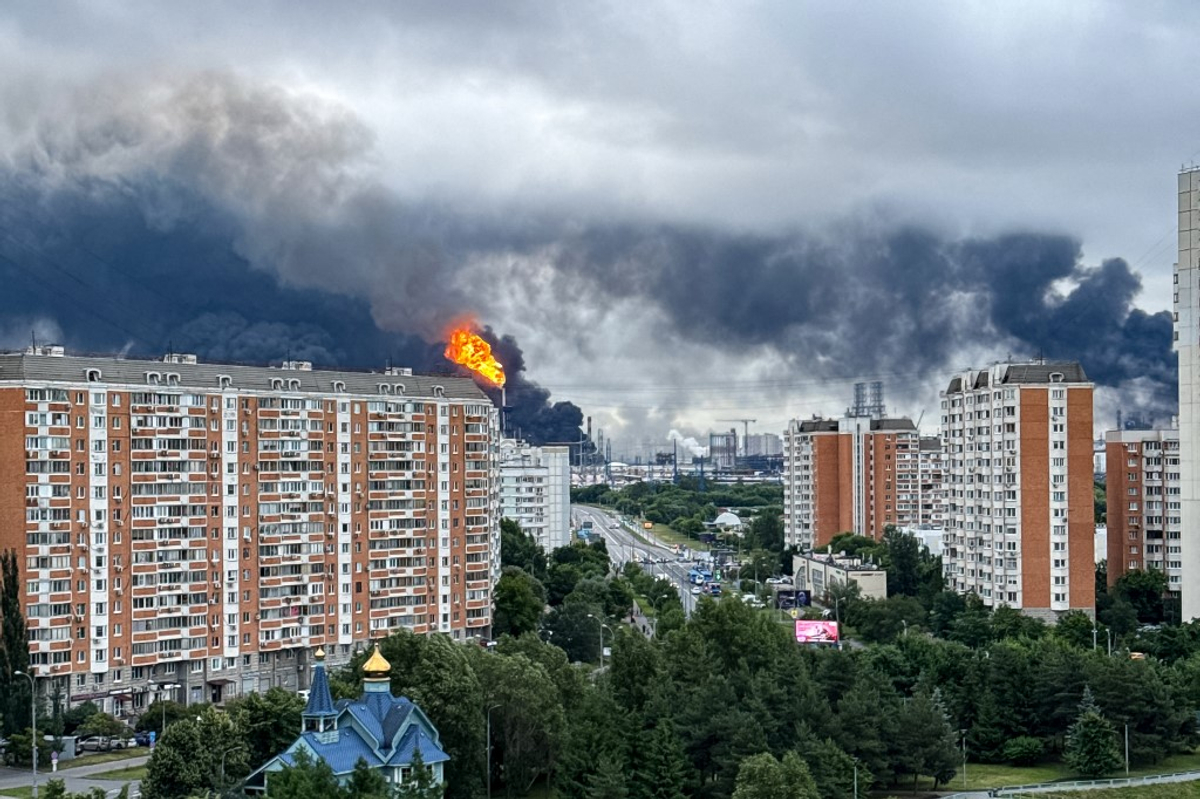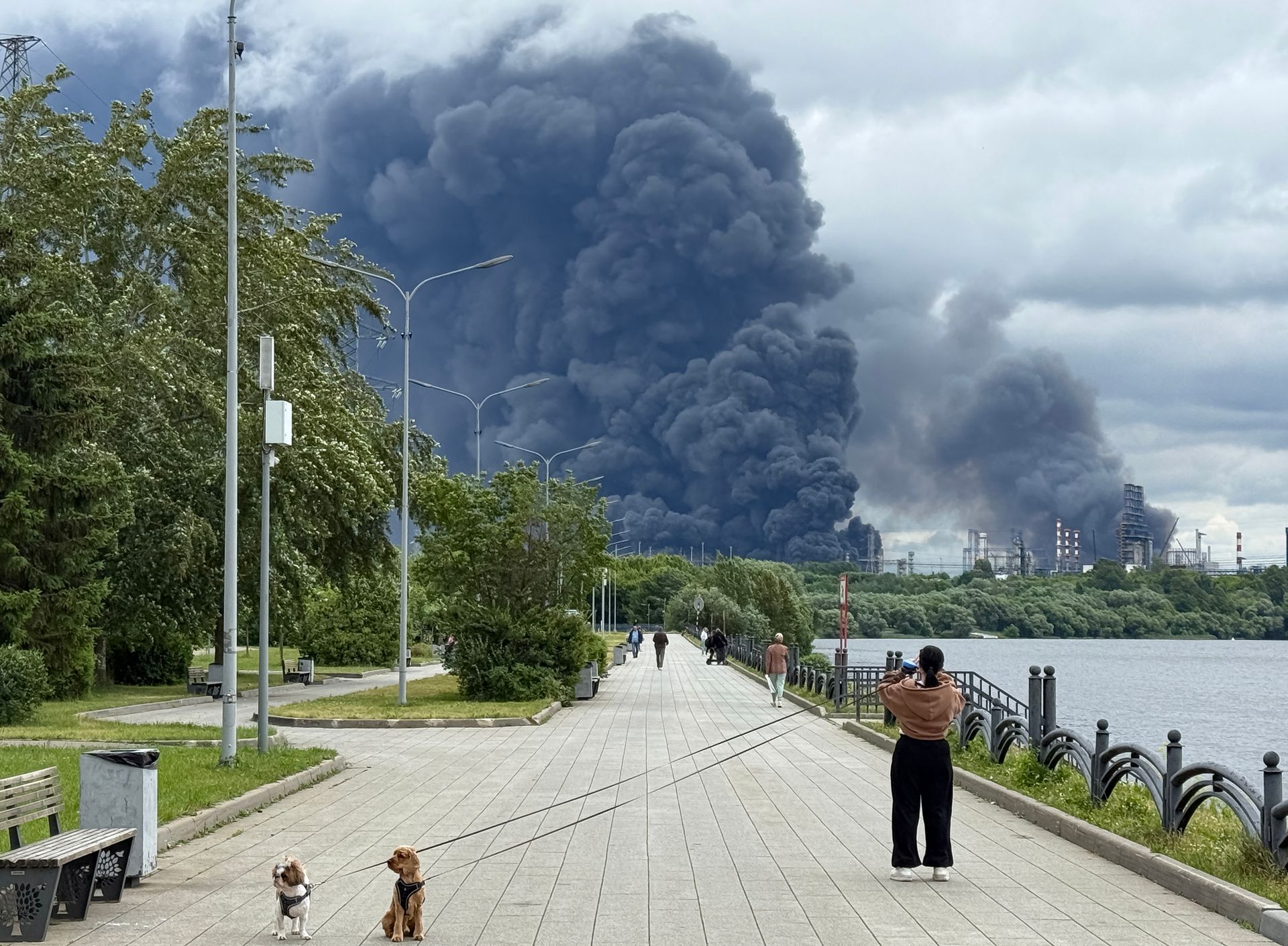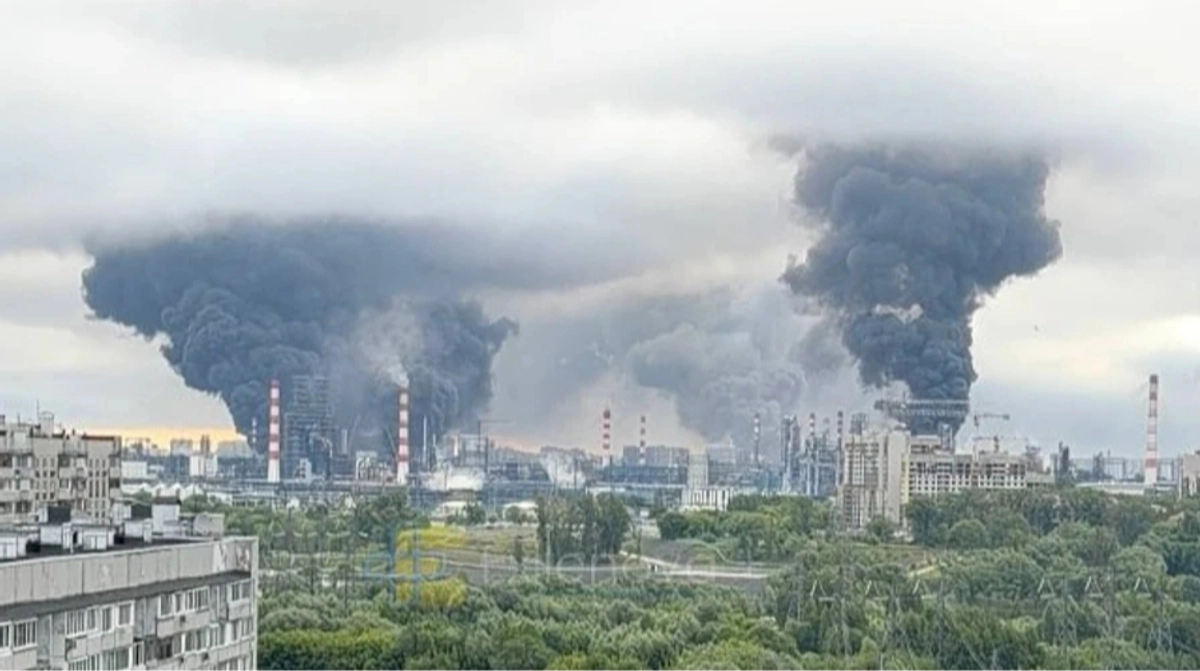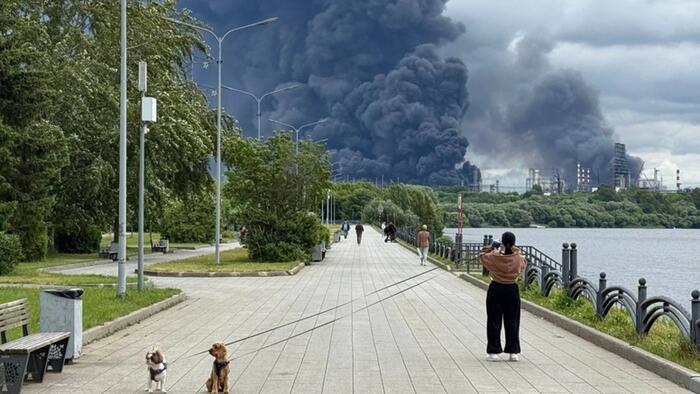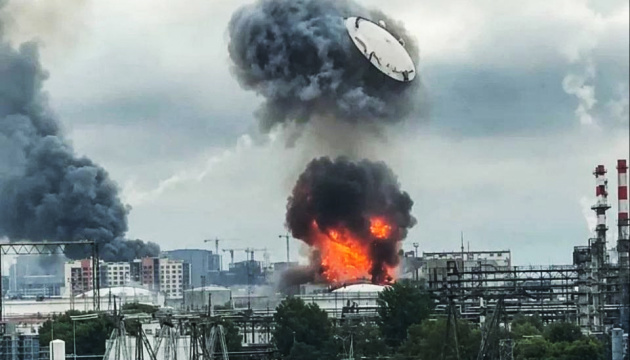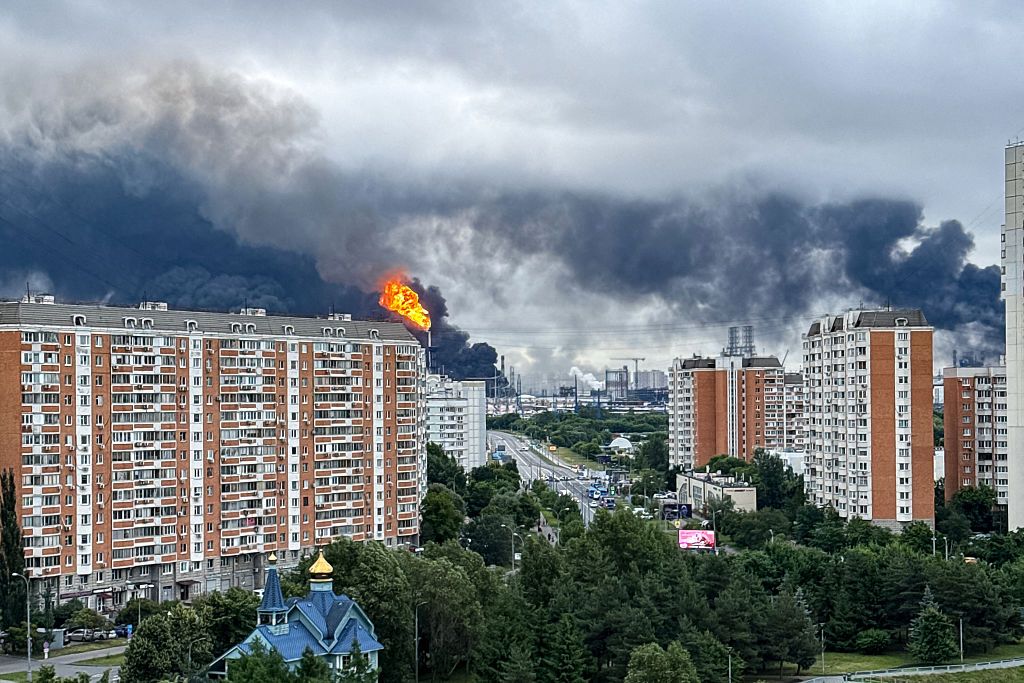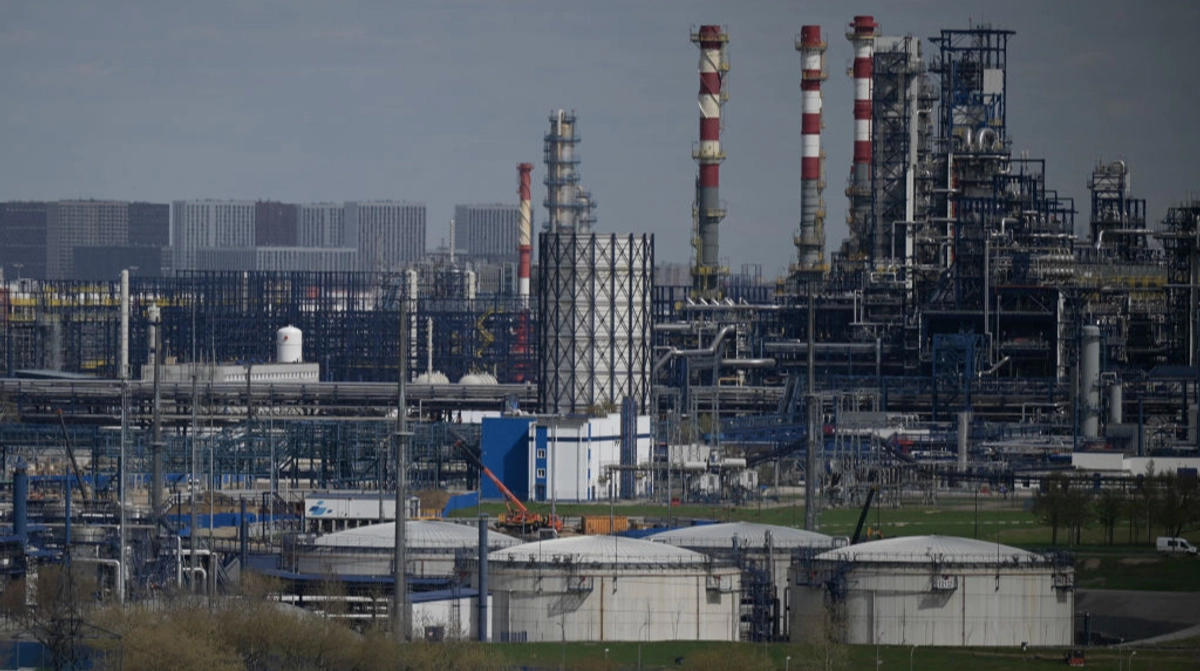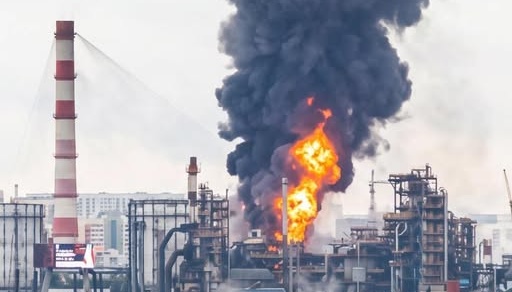
The Moscow Oil Refinery is highly unlikely to resume production before 2027 after suffering extensive structural damage from multiple strikes by Ukraine’s long-range drones, dealing a further blow to a country grappling with severe fuel shortages, Reuters reports.Operated by Gazprom Neft, the facility in southeast Moscow is likely to remain offline for at least six months due to the severity of the damage it sustained after being struck twice within a single week in mid-June. According to industry sources cited by Reuters, the strikes compromised a primary fuel refining unit that commands roughly 53% of the plant's overall processing capacity.The Moscow Oil Refinery processed 11.6 million metric tons of crude oil in 2024, and normally supplies nearly half of the capital’s fuel needs. The extended shutdown will, however, now force Russia to continue navigating domestic fuel shortages longer than earlier projected.Russian Deputy Prime Minister Alexander Novak recently revealed that the government is weighing a complete ban on diesel exports alongside potential fuel imports by sea to stabilize domestic shortages. Russia has been facing localized gasoline deficits, causing a nearly 25% drop in weekly gasoline output in large part due to damages on energy infrastructure by Ukrainian drones. Severe shortages in regions like Crimea have forced local governments to introduce strict limits on fuel purchases and restrict the operating hours for public services. Roughly 10 regions have already implemented fuel rationing, with limits typically capped at 30-40 liters per vehicle.Novak has described the country’s fuel situation as challenging but under control. To offset the loss in refining capacity, the Russian government is accelerating tax legislation to encourage domestic deliveries, delaying refinery maintenance and utilizing untapped emergency reserves. Russia’s parliament on Wednesday approved a package of measures aimed at increasing domestic fuel supplies, including new subsidies for imported fuel and temporary relief for refiners struggling with wartime disruptions.Moscow is also considering fuel imports from countries like Turkey and other Asian suppliers as well as subsidies to stabilize domestic prices. Russia's strategic stockpiles are managed by the Federal Agency for State Reserves (Rosrezerv). However, these storage hubs have also become targets of Ukrainian missiles: a major strike on the Kombinat Temp strategic depot in Rybinsk recently destroyed 15 tactical fuel tanks.By Charles Kennedy for Oilprice.com More Top Reads From Oilprice.comAdani Targets 10 GW Nuclear Power Capacity in India by 2035VLCC Earnings Near $470,000 a Day as Hormuz Hopes Drive Tanker FrenzyEuro Sinks To One-Year Low As Oil Price Drop Fuels ECB Rate Cut Bets
Moscow Refinery May Stay Offline Until 2027 | OilPrice.com
Drone strikes on Gazprom Neft's Moscow refinery knocked out over half its capacity, with a restart unlikely before 2027.
411 words~2 min read