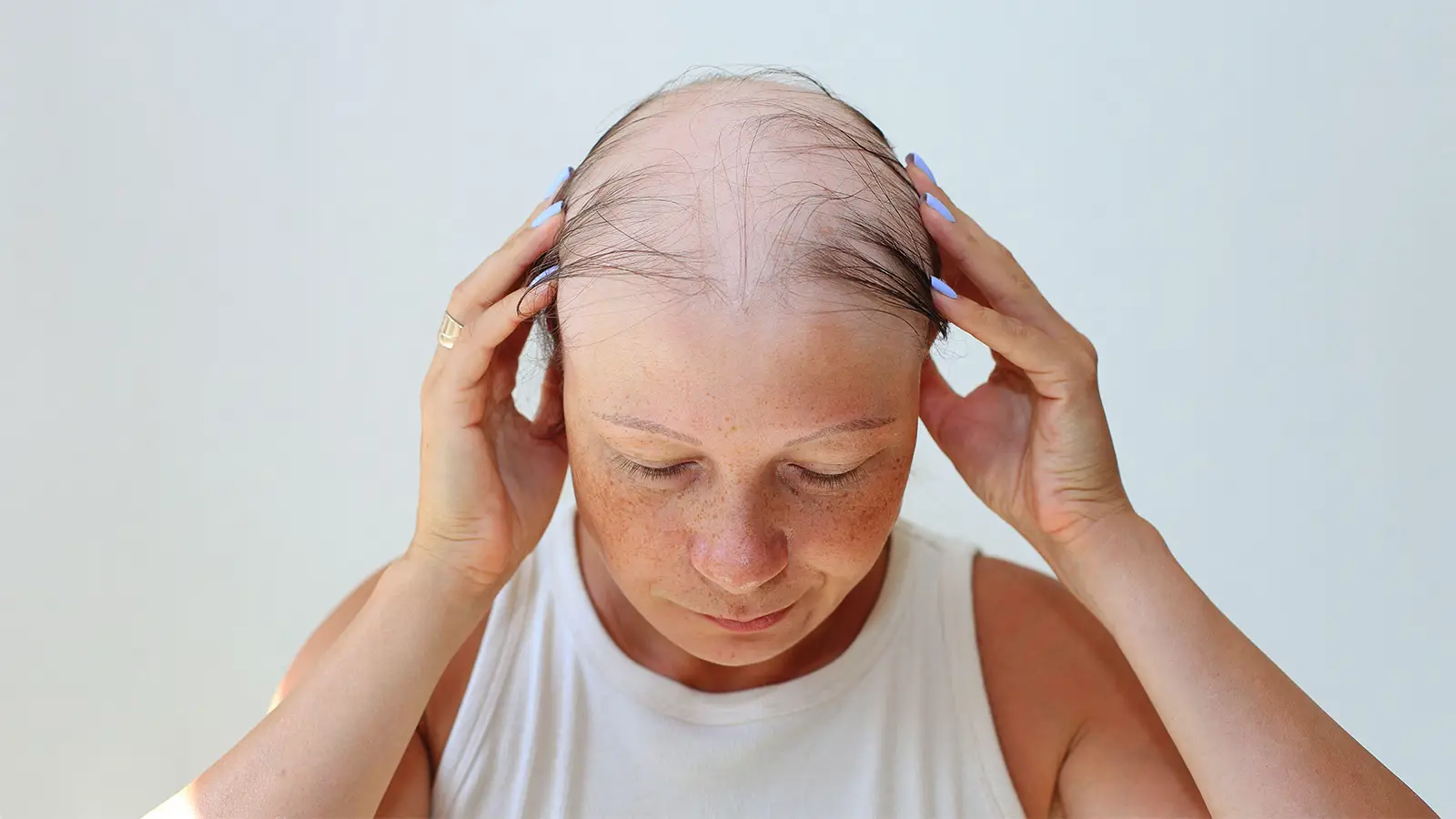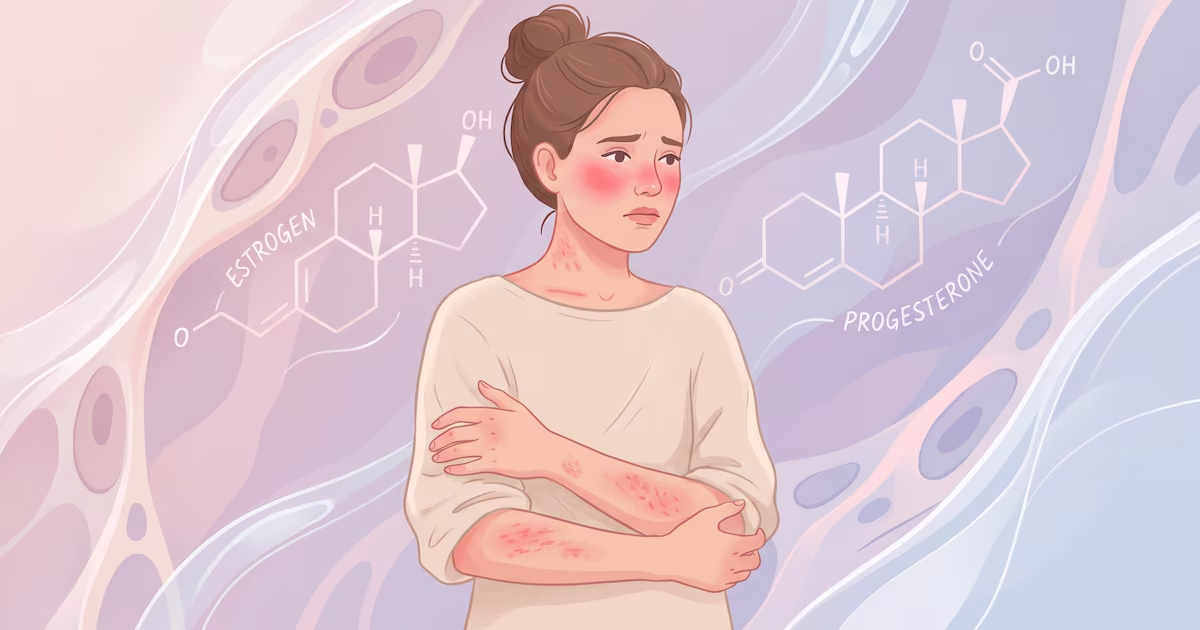
A study in the Journal of Investigative Dermatology showed that patients with more severe alopecia areata were at increased risk of being diagnosed with atopic dermatitis (AD). Results also showed markedly higher prevalence and incidence of AD in adolescents with alopecia.
Adjusted hazard ratios for being diagnosed with AD were reported for patients with moderate-to-severe versus those with mild alopecia. The prevalence of AD among patients with alopecia at baseline was 3.2%; most had moderate-to-severe AD. Prevalence was higher among adolescents with alopecia (7.6%).
Co-author Arash Mostaghimi, MD, MPH, a dermatologist and researcher with Brigham and Women's Hospital and an associate professor at Harvard Medical School, recently discussed the paper and its findings with the Reading Room. The exchange has been edited for length and clarity.
What was the objective of this study?
Mostaghimi: We know that patients with alopecia areata are more likely to have AD than patients without alopecia. In this study we flipped the question and evaluated how many people with alopecia subsequently develop AD, and how that differed by severity of hair loss and age. We used MarketScan, a large U.S. claims database that covers over 273 million unique patients, which gave us the power to stratify by alopecia severity and look at adolescents and adults separately.