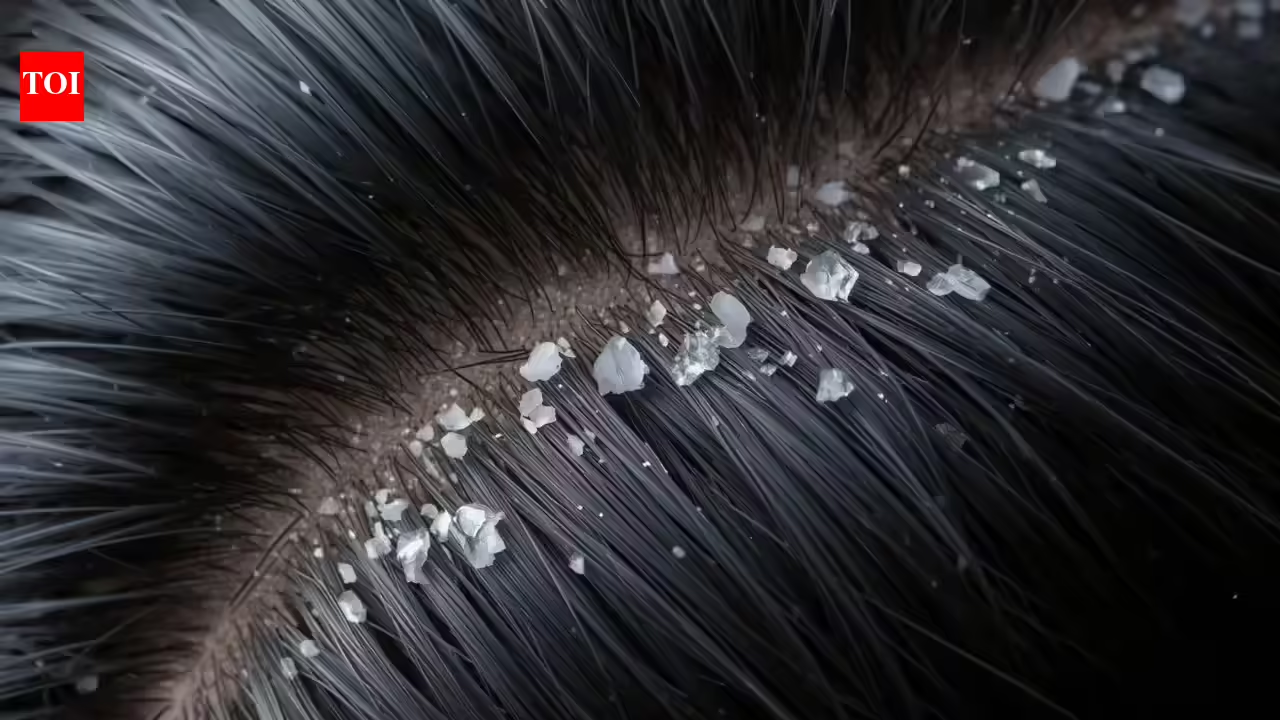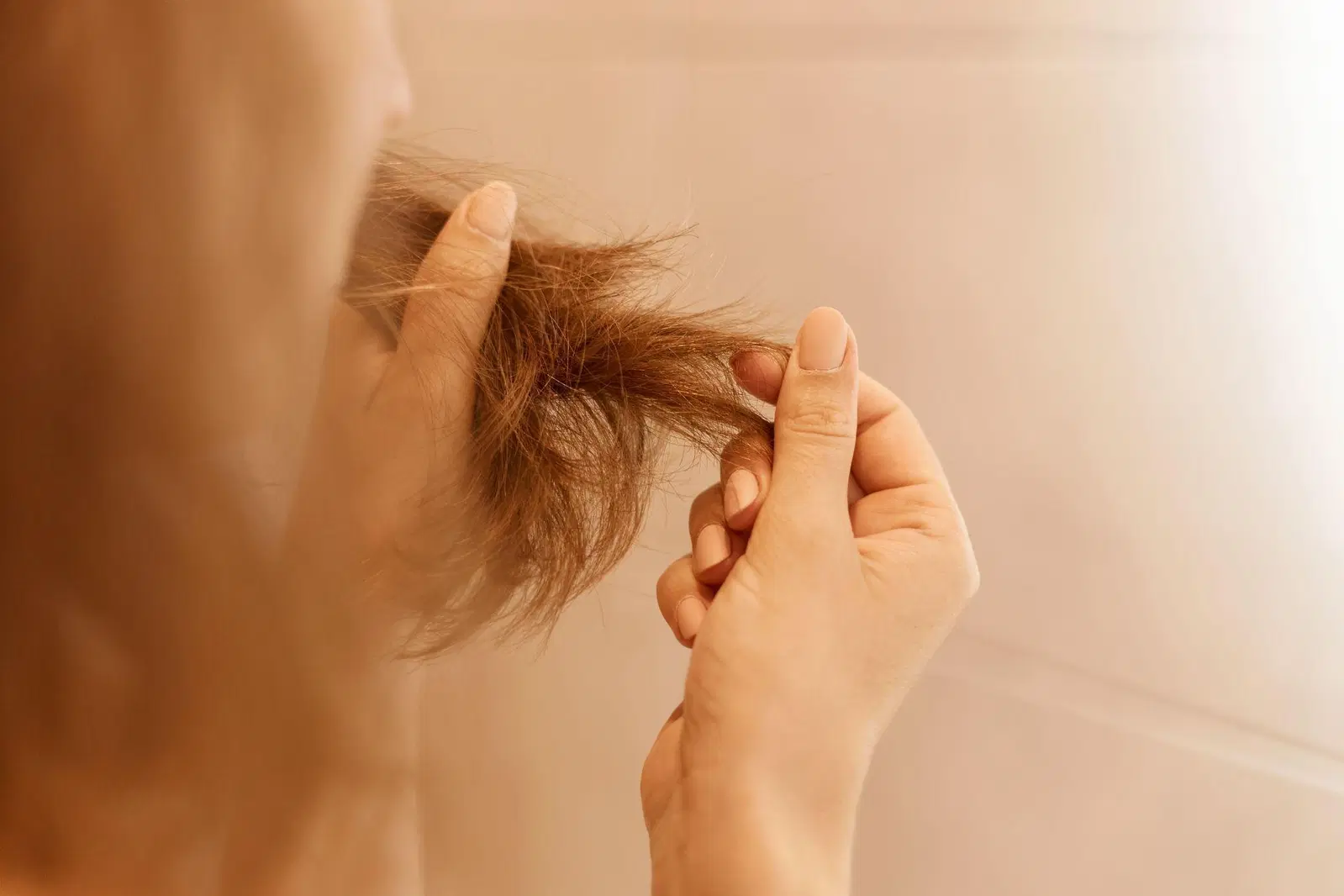
Most people treat dandruff like a minor inconvenience — a bit of white fluff on a dark shirt, easily brushed away. But if the flakes keep coming back month after month, and you’re also noticing more hair in the drain or a slowly thinning hairline, that’s worth paying attention to. The connection between persistent dandruff and hair loss is real, and understanding it can change how you approach both problems.
Why Dandruff Is More Than a Scalp Hygiene Problem
The most common cause of dandruff is an overgrowth of a yeast-like fungus called Malassezia. This organism naturally lives on everyone’s scalp, but in some people, it multiplies excessively and triggers an inflammatory response. The scalp reacts by speeding up its cell turnover, which is why you see those visible flakes — they’re dead skin cells being shed faster than normal.
What most people don’t realize is that this inflammation doesn’t stay confined to the surface. It reaches down into the hair follicles themselves, and that’s where the real damage starts.
How Scalp Inflammation Disrupts the Hair Growth Cycle