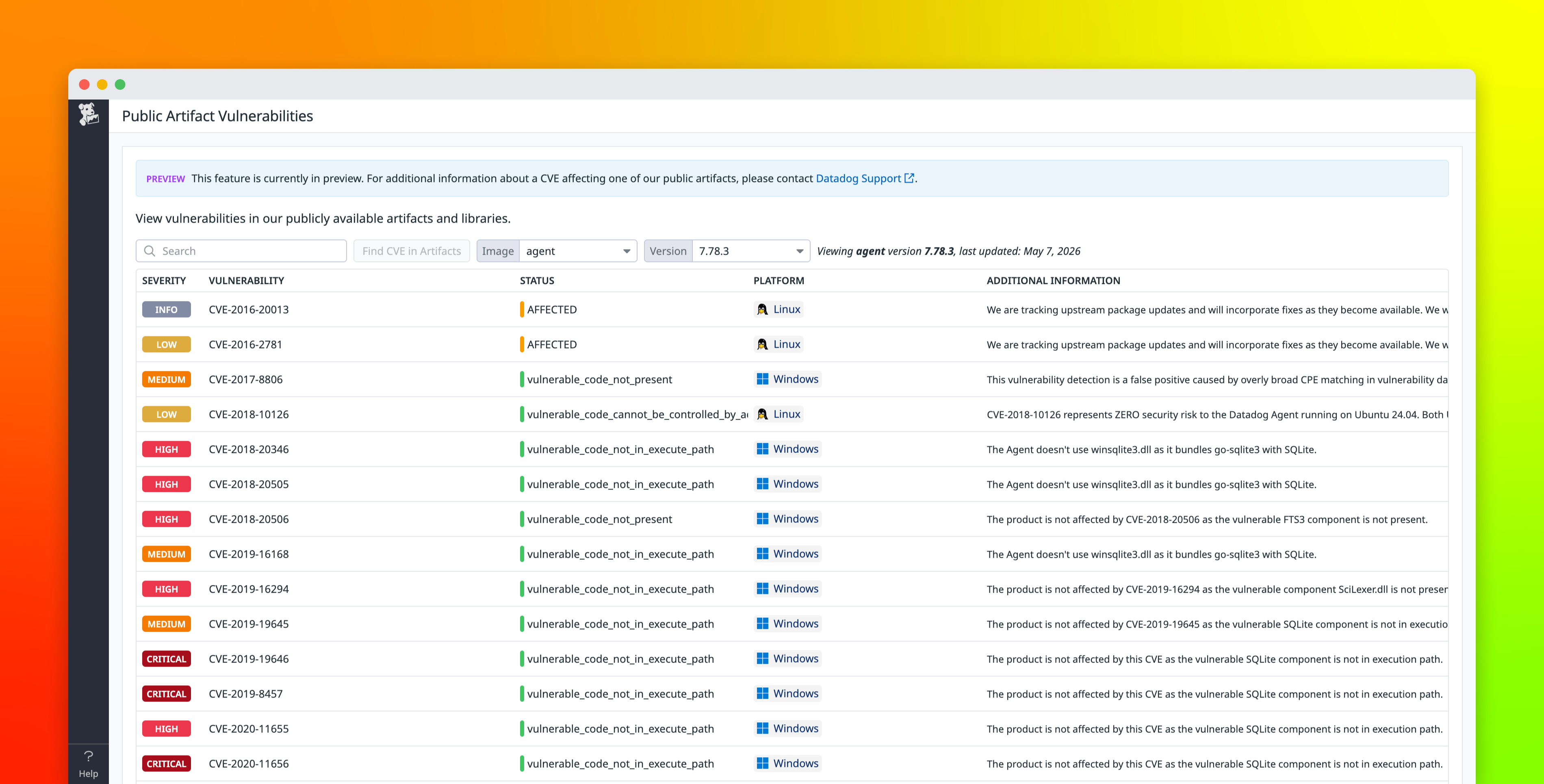
Remediation priority (vulnerability triaging) traditionally focuses on Software Bill of Materials (SBOMs) and Vulnerability Exploitability eXchange (VEX) statements provided with the software and supplemented by CVSS scores. That is not enough in today’s environment.
SBOMs list the components within the software. They emanated from Executive Order 14028 designed to reduce supply chain attacks. VEX statements emerged soon afterward to indicate whether any known vulnerabilities are exploitable. The separate CVSS score is used as a severity indicator for vulnerability remediation priority. It’s not working – supply chain attacks continue.
A major cause is a growing lack of context around exploitation. In the AI Age, the effect of exploitation may differ depending on which stage of an AI lifecycle in which it occurs. Lack of context reduces the effectiveness of remediation priority, while the expansion of AI software will magnify the problem. Supply chain attacks will continue to grow.
(Understanding ‘context’ is essential for understanding anything and everything in life. We perceive things – in this case data – but those things are meaningless in isolation. It is the surrounding, often invisible, context in which we see things that gives them any meaning. For another and different example of the importance of context, again involving AI, see the effect of bad AI context on AI decision-making.)