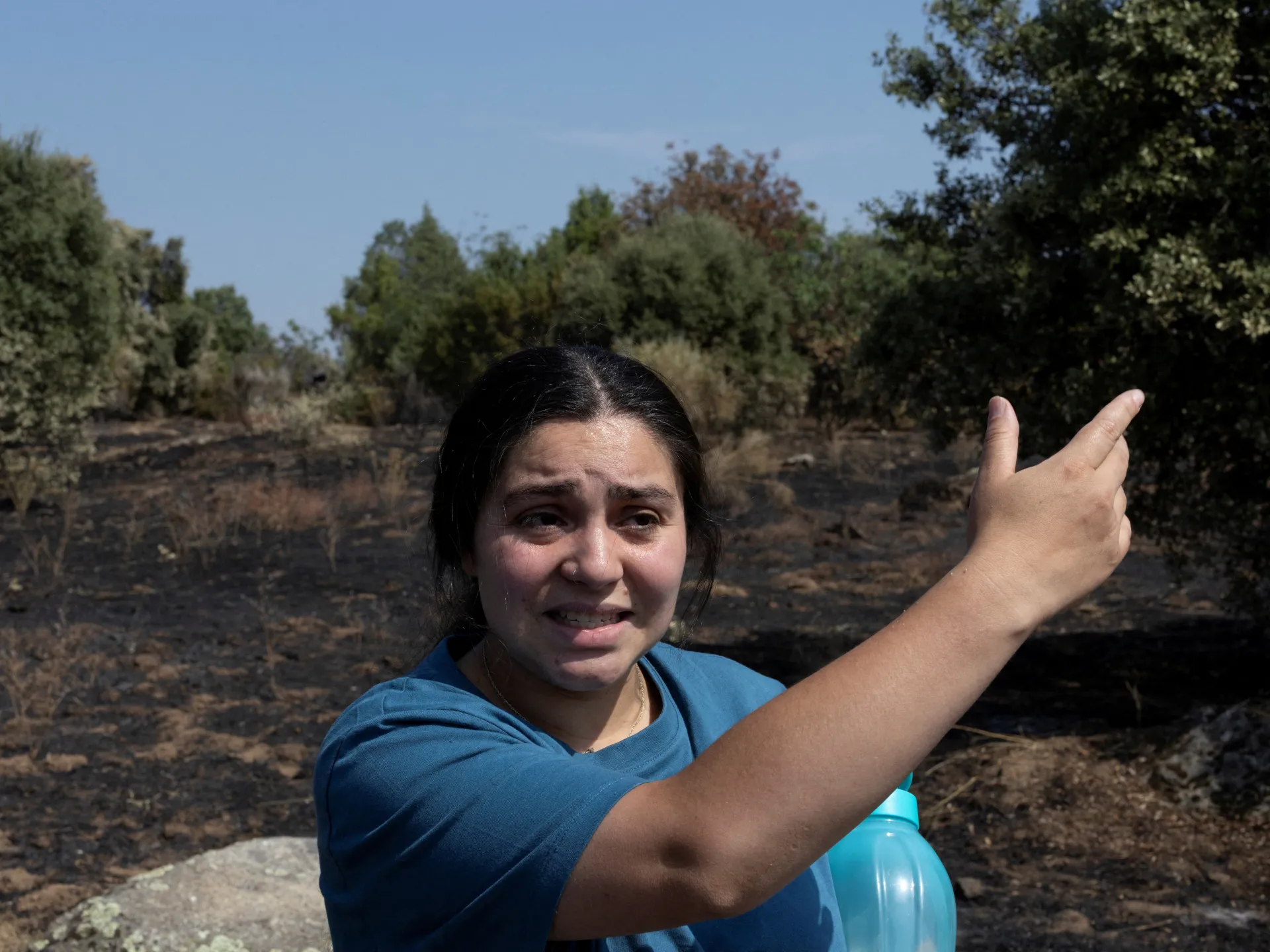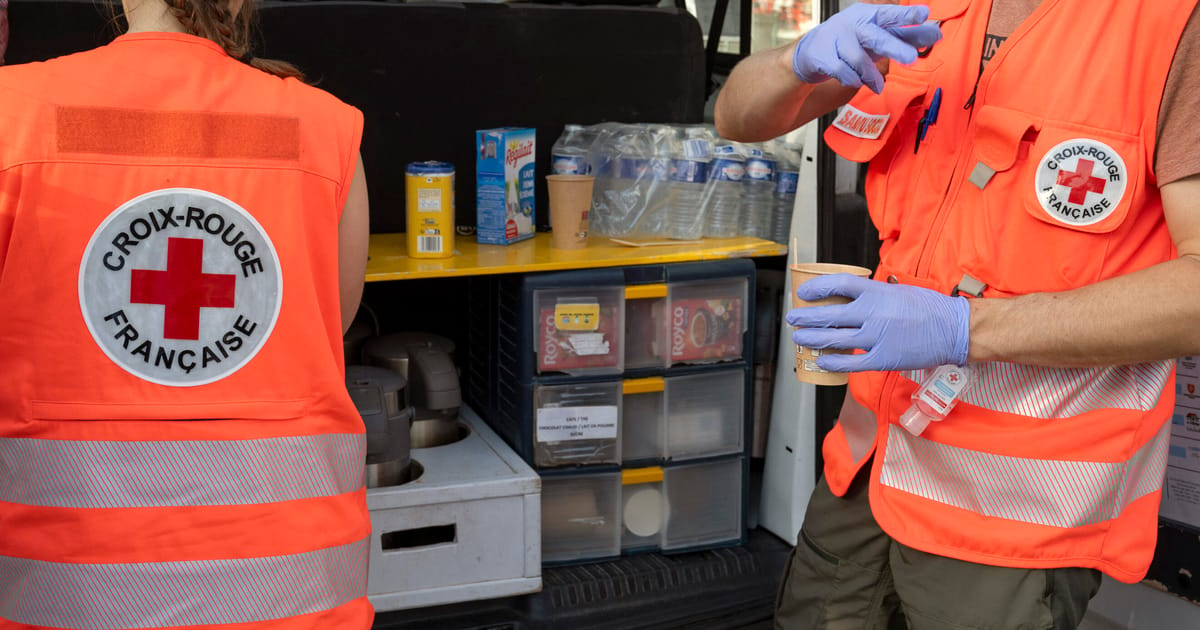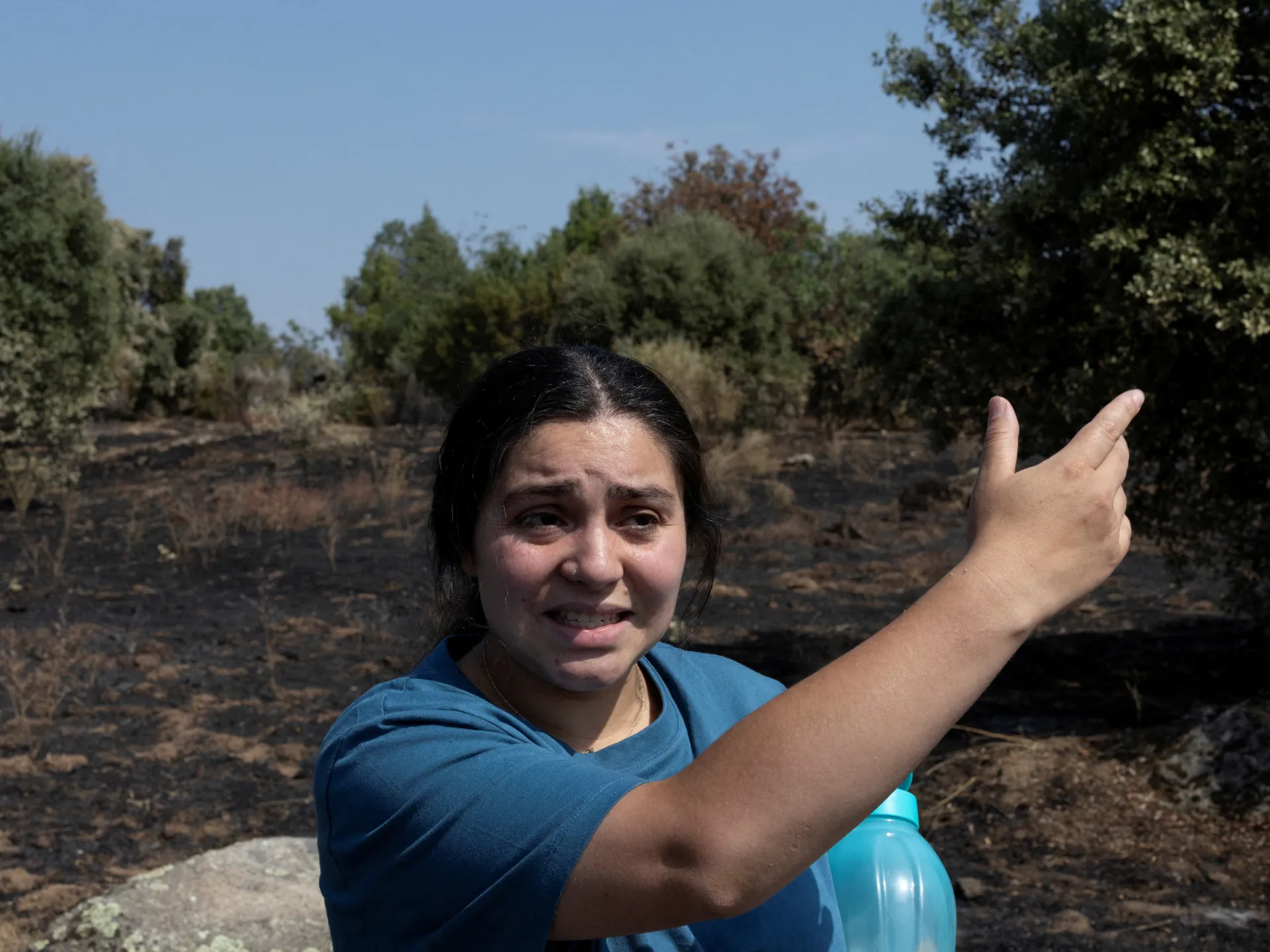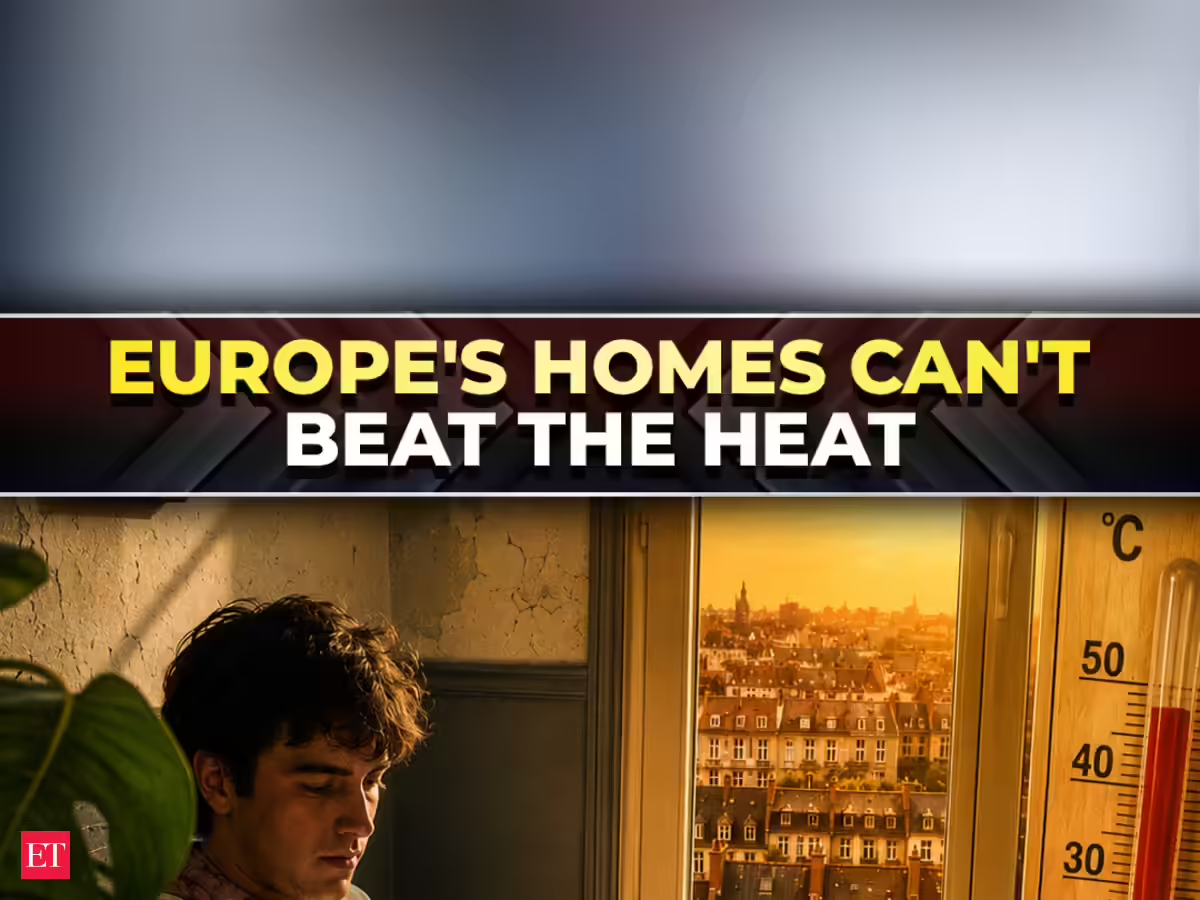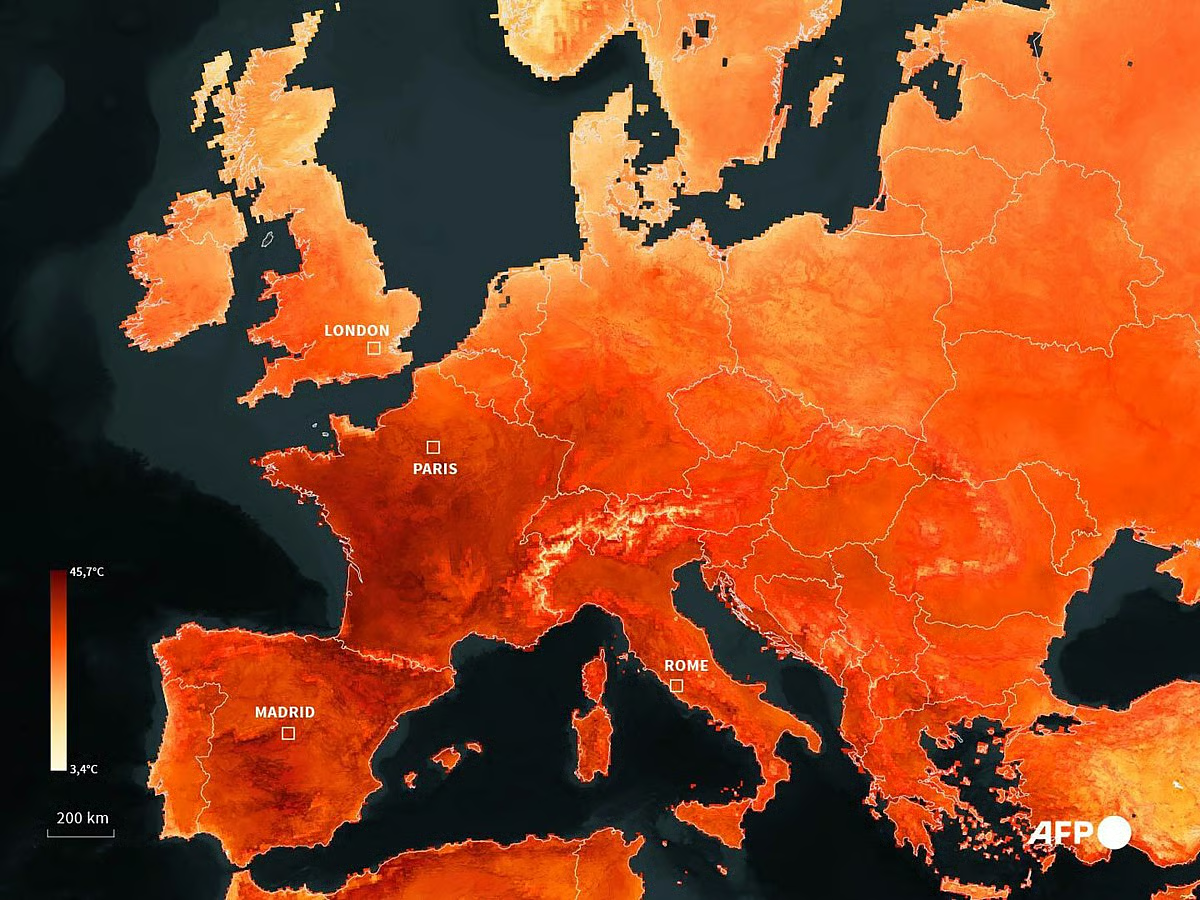
Hot summers aren't unusual in some European countries, but deadly record-breaking heat that's causing power outages, forcing school closures and sending people scrambling for relief, is "exceptional," a new study has found.
Without climate change, parts of Europe would still likely be experiencing a heat wave due to a "typical" weather pattern over the continent. But an analysis by ClimaMeter, a scientific platform for analyzing extreme weather, says global temperature rise linked to the burning of oil, coal and gas, has made it 2 to 4 degrees Celsius (3.6 to 7.2 Fahrenheit) hotter, turning it into an "extraordinary" event.
The current heat wave follows a May that saw unprecedented temperatures for spring in Europe.
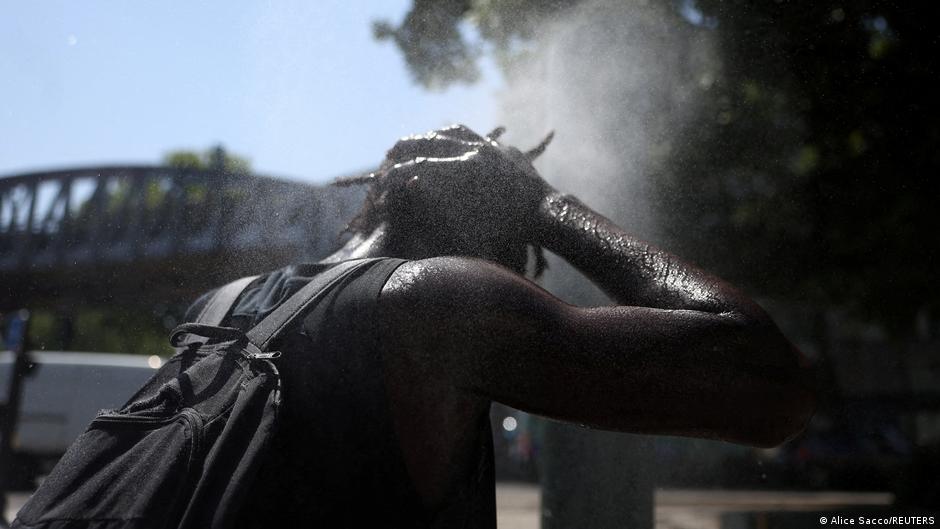
"This is a clear fingerprint of human-induced climate change," said Marco Chericoni of the Euro-Mediterranean Center on Climate Change in Italy. "It is making European heat waves more intense and more dangerous." Temperatures have either cracked or are set to breach 40 degrees Celsius in many parts of EuropeImage: Alain Pitton/NurPhoto/picture alliance
Extreme heat is often underestimated but is the deadliest form of extreme weather. It kills around half a million people yearly. Experts say the figure is likely much higher because hotter conditions can aggravate pre-existing health issues, like heart disease, but are not recorded as a cause of death.