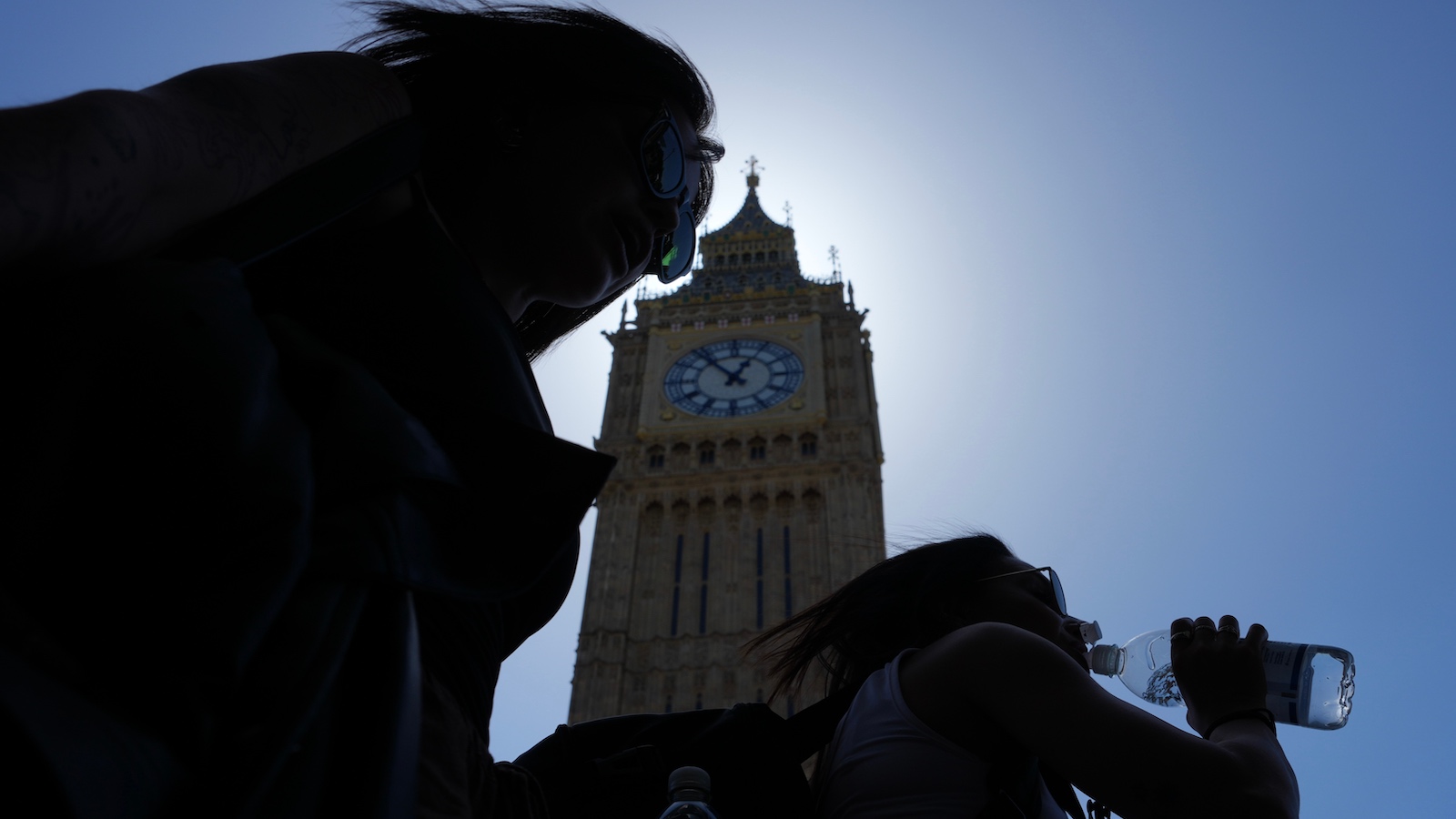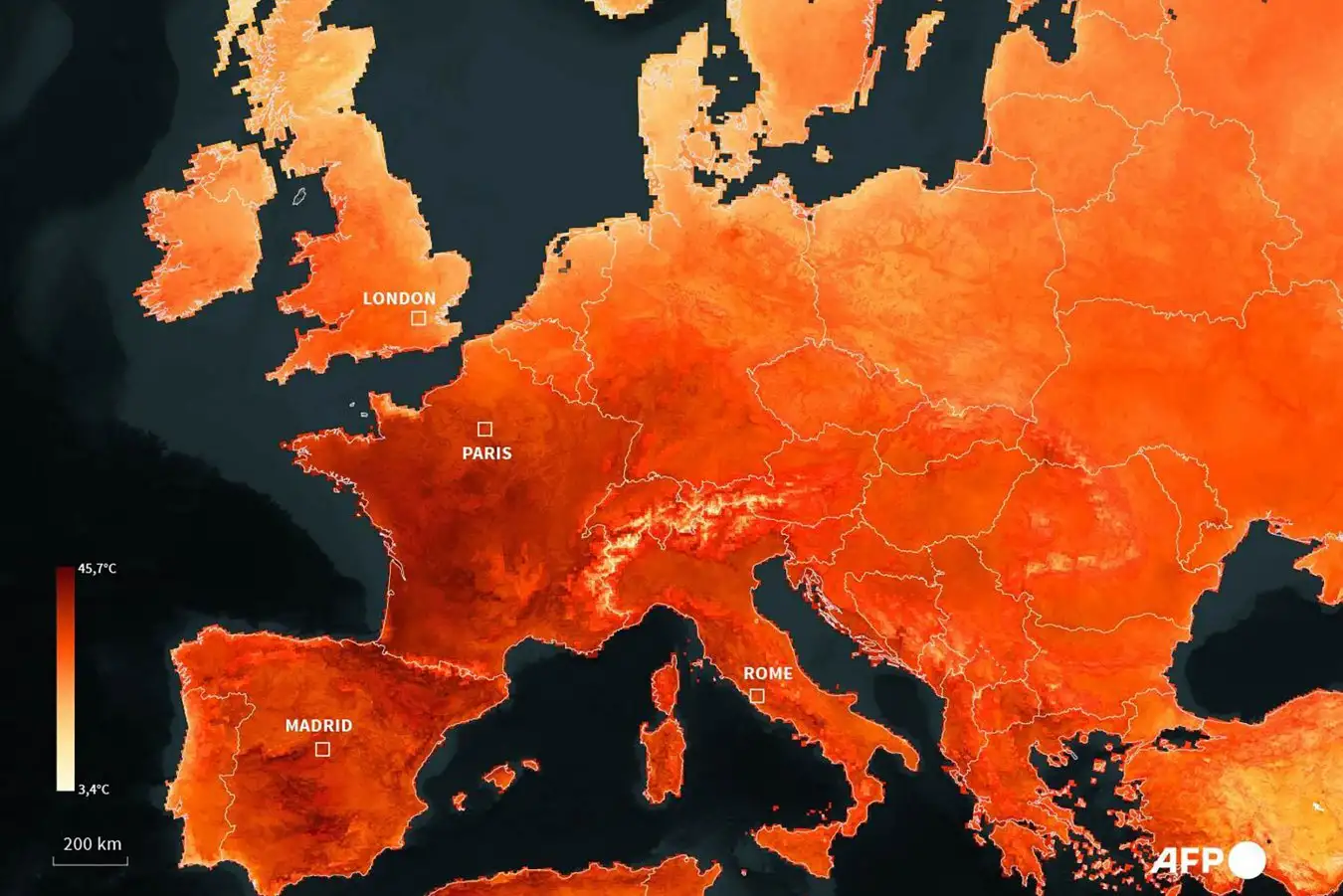
Europe’s worst heat tends to strike in July and August, but this week a startlingly early and intense heat wave is tossing the calendar aside. Temperatures could hit 100 degrees Fahrenheit (38 degrees Celsius) in London and 104°F (40°C) in Paris – not just once, but perhaps for two or three days in a row.
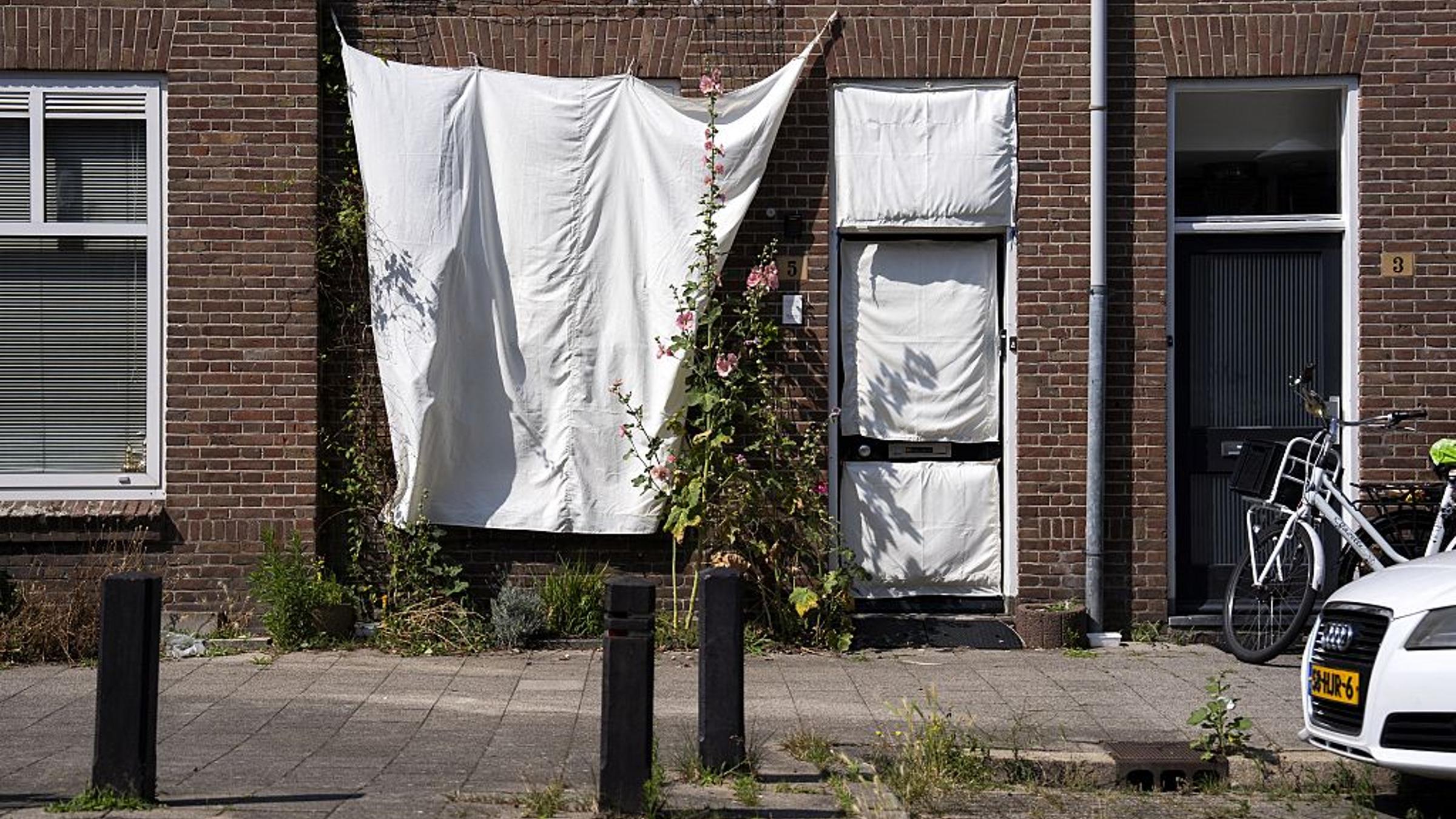
This isn’t the proverbial “dry heat.” In many spots, the humidity will be relatively high, which could lead to some of the most dangerously high heat indexes several countries have ever recorded. And heat waves like this one are getting more common as the climate changes, causing life-threatening conditions for Europeans who lack air conditioning.
Scorching heat set in across the Iberian Peninsula over the weekend and continued on Monday. Even though Spain is normally quite hot by late June, this heat wave is going a step beyond. In Madrid, readings on Tuesday may challenge the city’s all-time high of 40.7°C (105.3°F), which has been reached in June, July, and August.
On the north coast of Spain, the tourist haven of Bilbao is normally protected from the heat of Spain’s interior by the Basque Mountains to the south and the Atlantic to the north. Bilbao’s average daytime highs are only in the 70s Fahrenheit all summer. But on Sunday, hot southerly winds from Africa pushed over the Basque Mountains, heating even more as they flowed downslope. The result: a high in Bilbao of 43°C (109.4°F), which is hotter than any temperature ever recorded there outside of August.