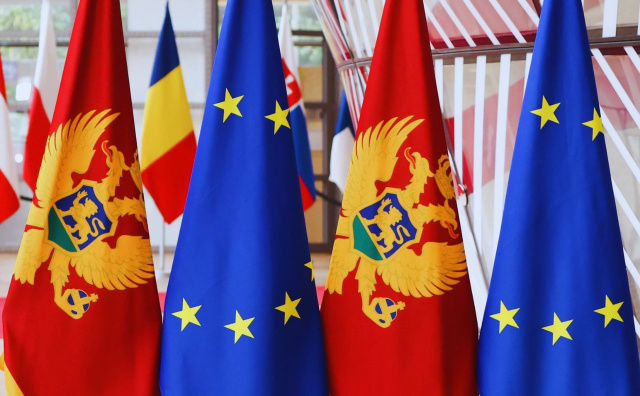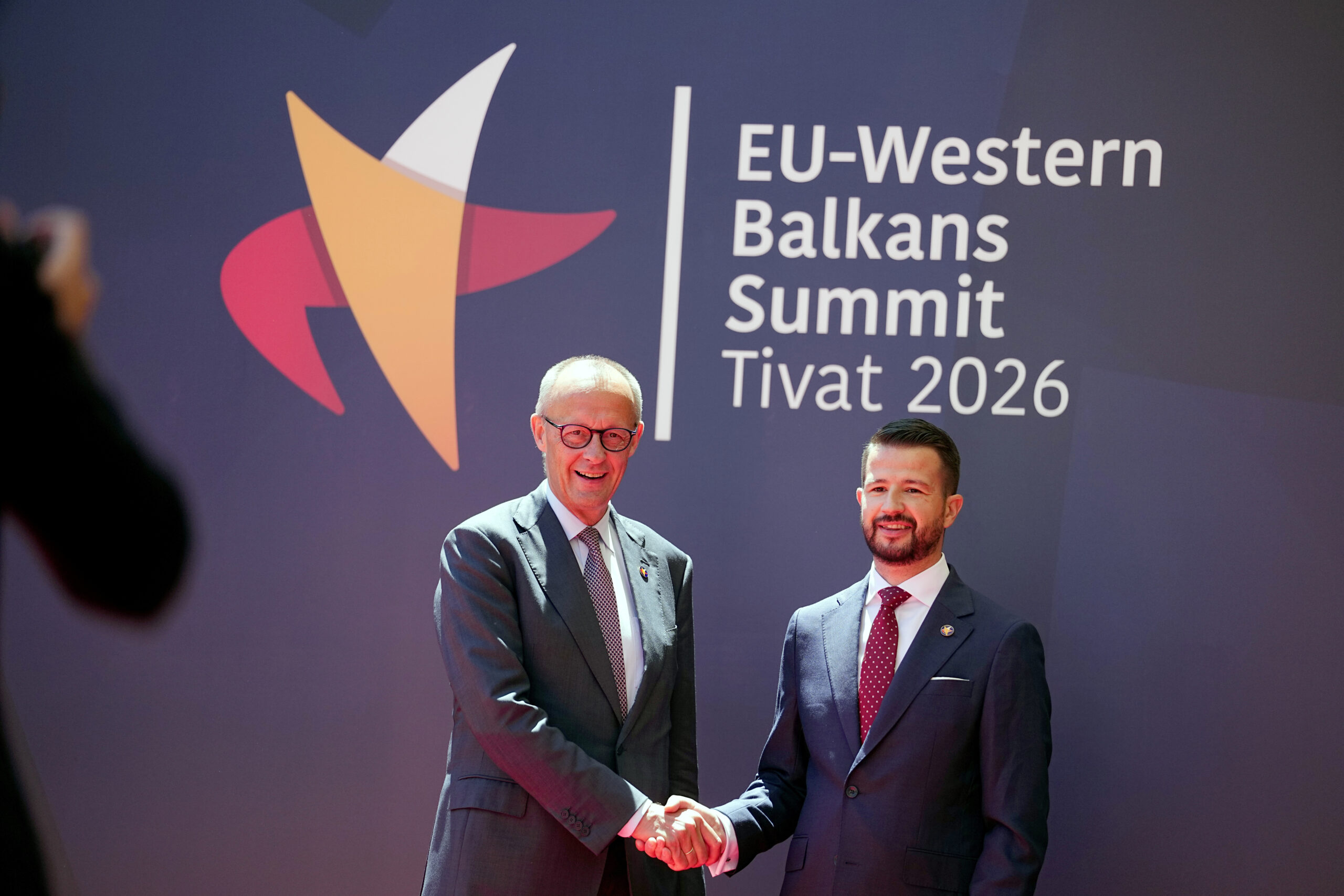
TIVAT—Perhaps no country is closer to joining the European Union than Montenegro, which has ambitions to become the twenty-eighth member state by 2028. At the recent EU-Western Balkans Summit, held in the small coastal city of Tivat, Montenegro, both these ambitions and its momentum toward this goal were on full display.
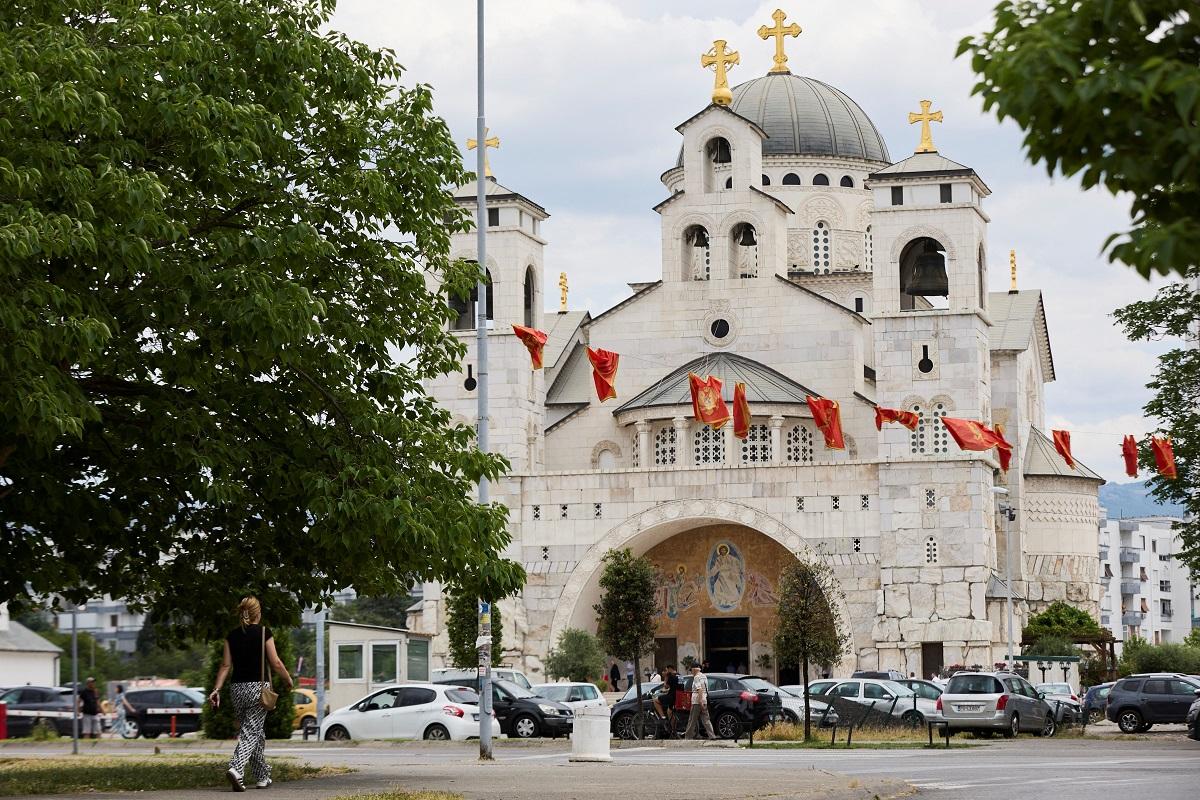
The EU-Western Balkans Summit was the largest such event ever held in Montenegro, and the security and logistical undertaking to host it created in a palpable buzz in the town. Everywhere we looked, local produce stands and live music showed off Montenegro’s economic and cultural exports for the international delegations at the event.
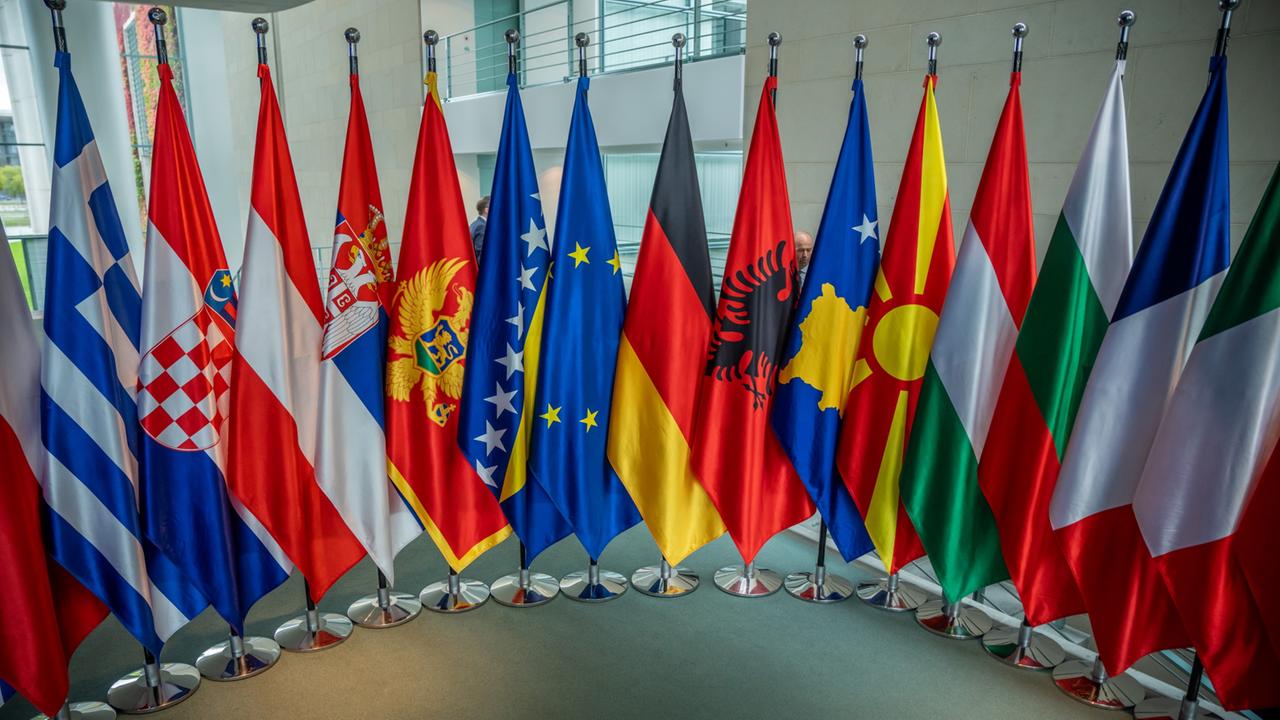
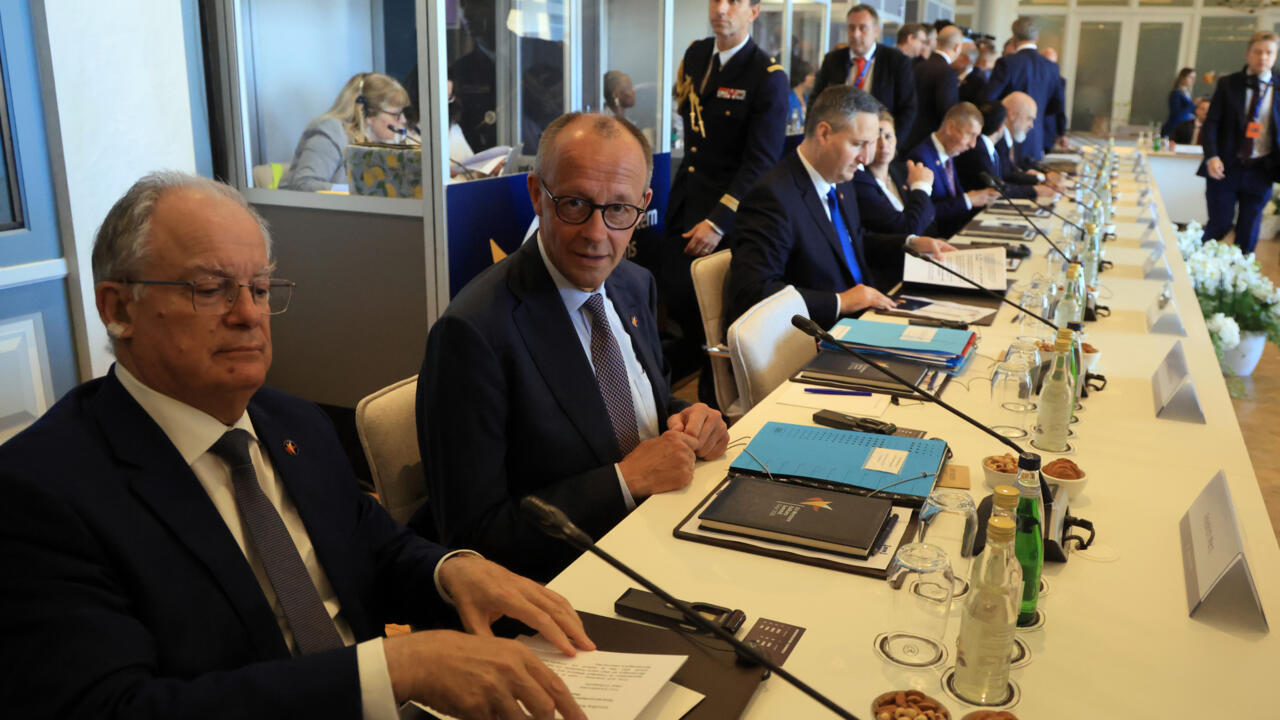
Dozens of officials from EU member states, Western Balkan countries, and key EU institutions descended upon the scenic Adriatic town from June 4-6. The Atlantic Council’s Europe Center was also on the ground in Tivat hosting discussions on how drawing closer to the whole of Europe underpins the EU’s strategic priorities, and on how countries in the region can advance their own ambitions. Many in the Western Balkans are watching Montenegro’s momentum toward EU membership with great interest.
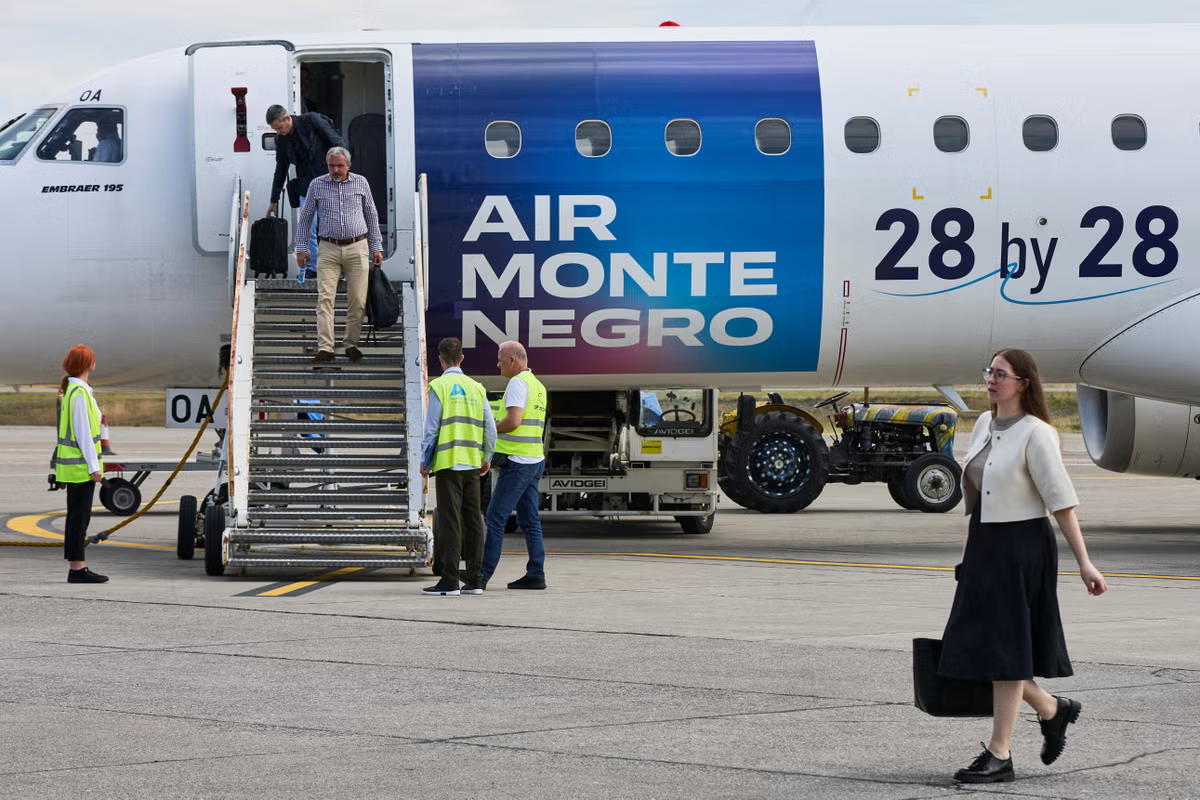
And for good reason. Montenegro’s “28 by ‘28” timeline includes the stated goal to close all thirty-three negotiating chapters with the EU by the end of this year. This timeline is not as outlandish as it might seem. So far, Montenegro has opened all, and closed fourteen, of the requisite thirty-three chapters. This includes the difficult chapter thirty-two on financial control, the closure of which highlights Montenegro’s work in building institutional trust and financial transparency. Both are essential in underwriting additional EU investment. The country is aggressively working to close the remaining chapters, and it is doing so with the support of many EU member states.