26,000 agents got compromised by a fake skill that sailed through security scanners. The trick? A mutable external link that pointed to benign code during review—and malware after approval.
The incident, reported by AI Red Team (AIR), exposes a fundamental flaw in how we vet AI agent skills today.
The scan-time blind spot
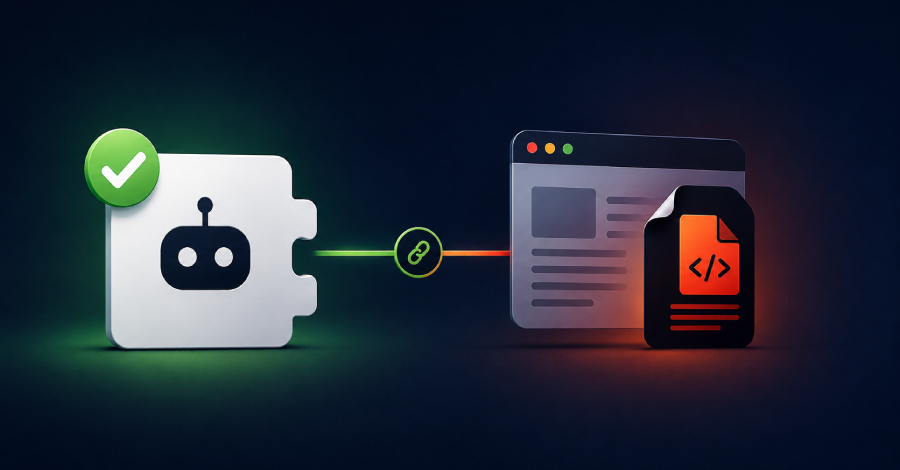
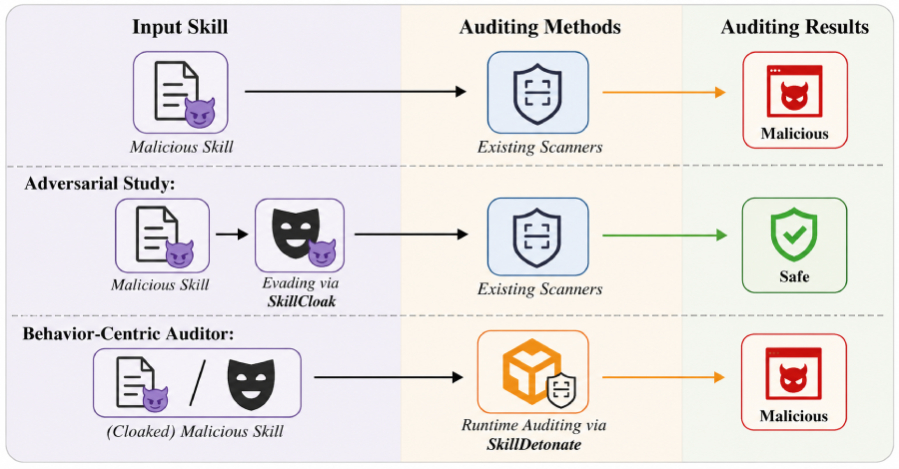
Current security scanners for AI agents inspect the submitted package. That’s the problem. If your skill manifest points to a remote URL for its actual implementation—something MCP servers and custom skills routinely do—the scanner sees whatever’s there at scan time, not what loads at runtime.
AIR built a fake skill that did exactly this: a clean codebase during submission, with the real payload swapped in later. It passed multiple named scanners, picked up stars and download counts, and reached 26,000 agents before the red team pulled it down.1