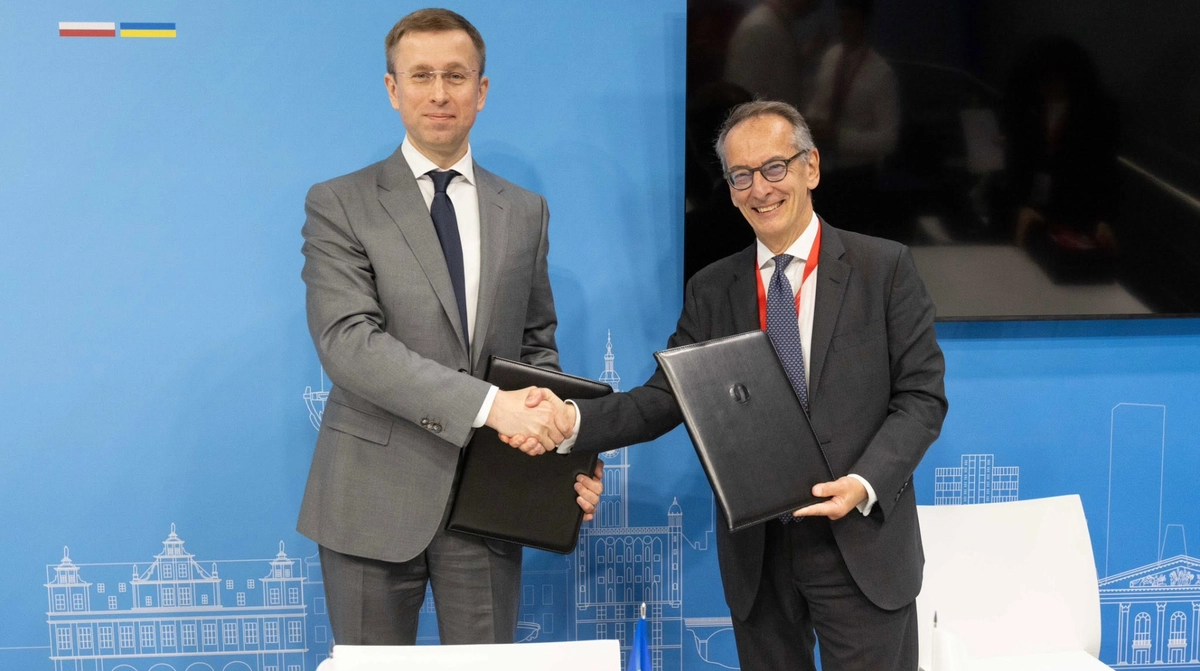
On June 18, a Kyrgyz bank signed a loan agreement with an Uzbek business under the auspices of a European Bank for Reconstruction and Development (EBRD) project designed to support loans for small and medium businesses.
A bank lending a business money is hardly cause for a headline. But this one is: It’s apparently the first time that the EBRD’s Risk Sharing Facility (RSF) program has facilitated an international financing agreement.
According to Demir Bank, one of Kyrgyzstan’s largest and most established financial institutions, its loan agreement with Ozone Fitness LLC, an Uzbek gym chain, “marks a significant milestone in regional cooperation.” The announcement doesn’t specify the loan amount.
The EBRD’s RSF program is specifically designed to share the risk of a transaction between a bank and a small business. The EBRD offers either direct funding – up to 65 percent of the partner bank’s sub-loan – or guarantees of the sub-loan up to that same level. The involved parties also benefit from the EBRD’s expertise, in the form of business advice and technical assistance.
The EBRD’s risk-sharing program had a banner year in 2025. According to the EBRD, the bank signed 31 risk sharing project agreements in Central Asia and Mongolia last year. Those agreements involved 26 companies and were valued at 28.5 million euro. But all of those agreements dealt with companies and banks within the same country: a privately owned railway operator in Kazakhstan landed a loan from a Kazakh bank; a Kyrgyz aluminum extrusion manufacturer settled a loan with a Kyrgyz bank; a ready-made meals and packaged food producer in Uzbekistan scored a loan from an Uzbek bank.