The train was one of the game-changing inventions that defined the Industrial Age. No more would humanity rely on tempestuous animals to haul goods and passengers great distances across the land. Fire and steam came along to rapidly increase the speed of travel and transformed the very fabric of society itself.
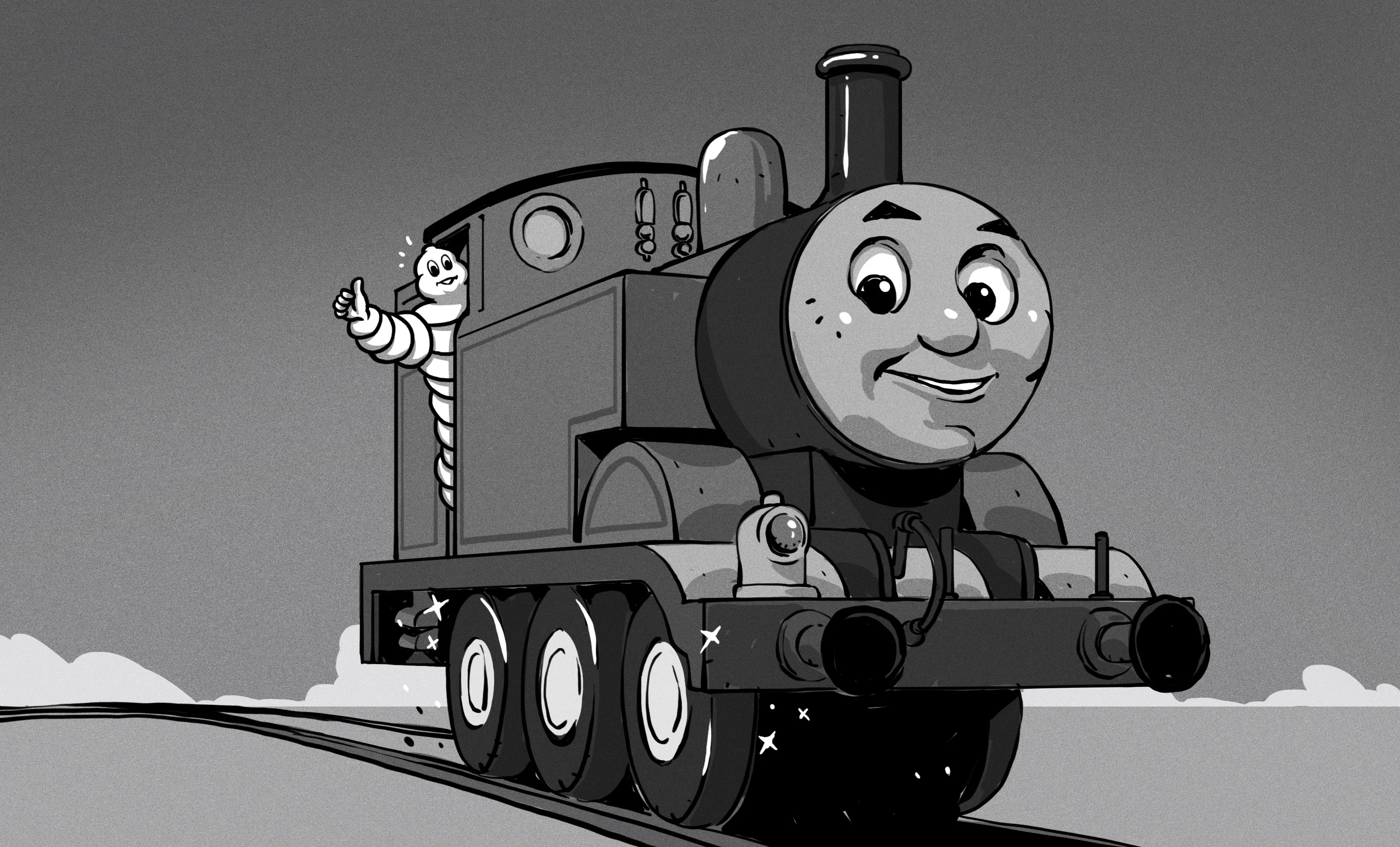
To this day, the vast majority of train networks rely on the same basic principle—heavy locomotives and carriages running steel wheels on steel tracks. Yet, there is a curious alternative twist on this concept that sees trains of carriages riding on tires instead. But what would possess anyone to build a rubber tired train?
Where The Rubber Meets The Rail
An MP-05 running on the Paris Metro. Credit: Momo Ratp, CC BY-SA 4.0
The first practical rubber-tired train system came about in the wake of World War II. The Paris metro had been poorly maintained during the German occupation, and was in dire need of repair or replacement. The state-owned public transport operator RATP and tire supplier Michelin came to the table, developing a concept wherein vehicles running on pneumatic tires would ride on a flat steel or concrete “rollway.” The vehicles would also have backup steel wheels that run against a steel rail for safety, keeping the train upright in the case of a tire blowout. Guidance would be provided by extra rubber tires mounted to the wheel bogies on a vertical axis, running against a vertical guideway built into the track, in a manner not dissimilar from later O-Bahn systems.