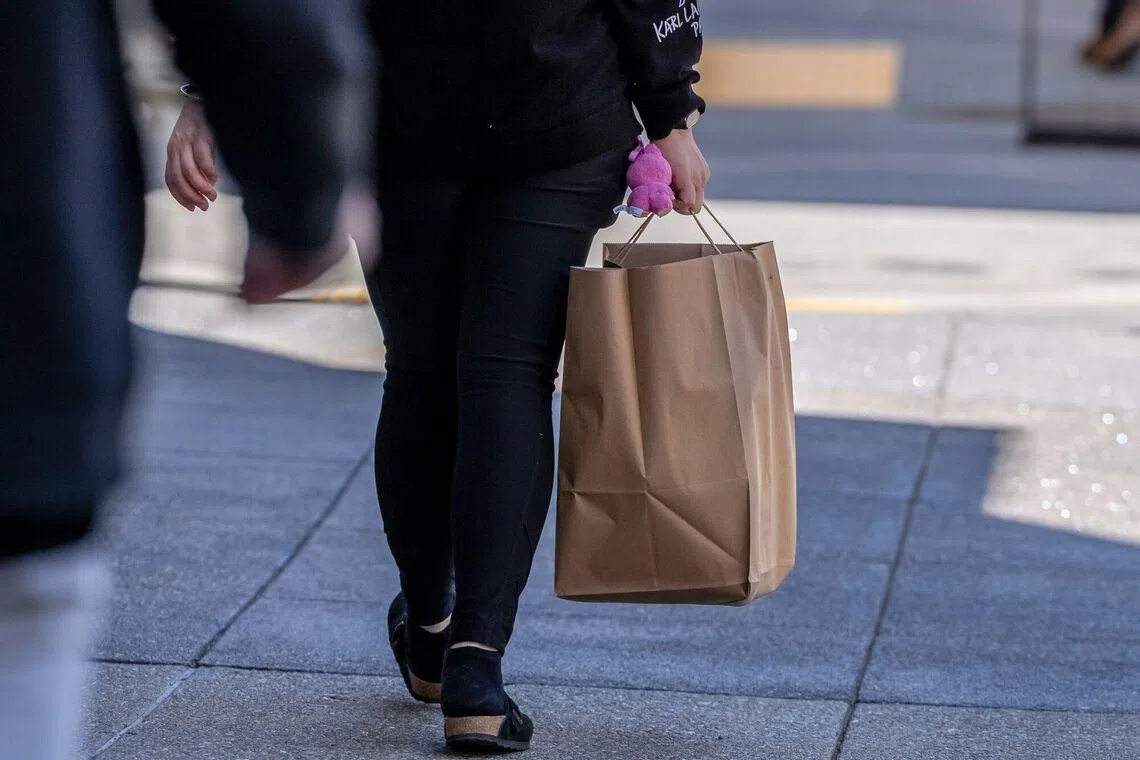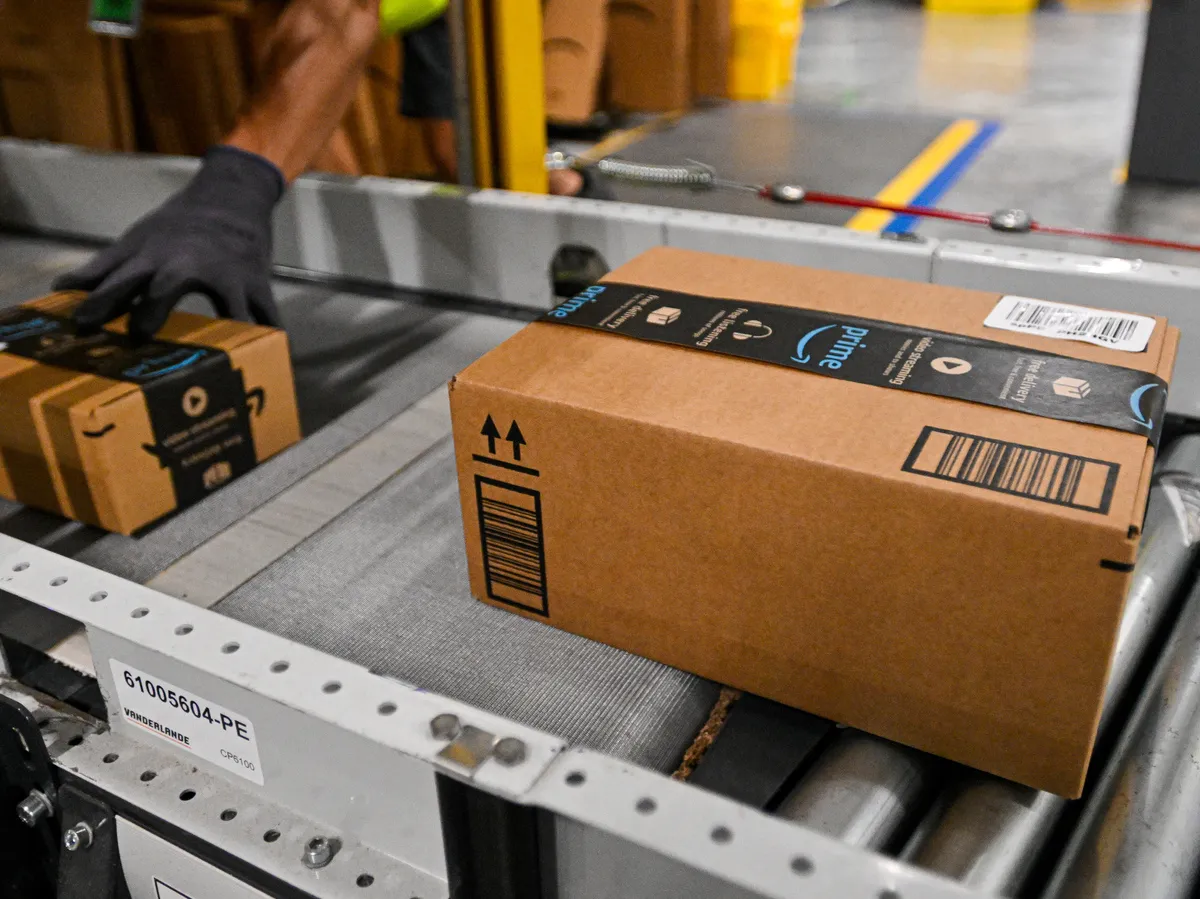
Skip to Content News Archives Economy Energy Oil & Gas Renewables Electric Vehicles Mining Commodities Agriculture Real Estate Mortgages Mortgage Rates Finance Banking Insurance Fintech Cryptocurrency Work Wealth Smart Money Wealth Management Investor Personal Finance Family Finance Retirement Taxes High Net Worth FP Comment Executive Women Puzzmo Newsletters Financial Times Business Essentials More Innovation Information Technology FP500 Podcasts Small Business Lives Told Tails Told Shopping Financial Post Store Obituaries Place a Notice Advertising Advertising With Us Advertising Solutions Postmedia Ad Manager Sponsorship Requests Classifieds Place a Classifieds ad Working Profile Settings My Subscriptions Saved Articles My Offers Newsletters Customer Service FAQ News Economy Energy Mining Real Estate Finance Work Wealth Investor FP Comment Executive Women Puzzmo Newsletters Financial Times Business Essentials HomeRetail & MarketingE-Commerce SolutionsAmazon Prime Day household spending down 16%, survey saysLofty oil prices and continued tariff uncertainty made offering steep discounts difficult this yearAuthor of the article:Last updated Jun 24, 2026 You can save this article by registering for free here. Or sign-in if you have an account.More than seven in 10 shoppers said products would have to be discounted by at least 30 per cent for them to consider it a good deal. Photo by Miguel J. Rodriguez Carrillo/BloombergAmazon.com Inc.’s annual Prime Day sale is off to a slow start, according to a survey conducted by market research firm Numerator.Subscribe now to read the latest news in your city and across Canada.Exclusive articles from Barbara Shecter, Joe O'Connor, Gabriel Friedman, and others.Daily content from Financial Times, the world's leading global business publication.Unlimited online access to read articles from Financial Post, National Post and 15 news sites across Canada with one account.National Post ePaper, an electronic replica of the print edition to view on any device, share and comment on.Daily puzzles, including the New York Times Crossword.Subscribe now to read the latest news in your city and across Canada.Exclusive articles from Barbara Shecter, Joe O'Connor, Gabriel Friedman and others.Daily content from Financial Times, the world's leading global business publication.Unlimited online access to read articles from Financial Post, National Post and 15 news sites across Canada with one account.National Post ePaper, an electronic replica of the print edition to view on any device, share and comment on.Daily puzzles, including the New York Times Crossword.Create an account or sign in to continue with your reading experience.Access articles from across Canada with one account.Share your thoughts and join the conversation in the comments.Enjoy additional articles per month.Get email updates from your favourite authors.Create an account or sign in to continue with your reading experience.Access articles from across Canada with one accountShare your thoughts and join the conversation in the commentsEnjoy additional articles per monthGet email updates from your favourite authorsSign In or Create an AccountorThe average household surveyed had spent about US$89 as of 4 p.m. New York time, Numerator said on Tuesday, down about 16 per cent from the same time during last year’s event, which began in July.Shoppers stocked up on things like trash bags, cat treats and makeup remover, according to the survey, which is based on more than 6,700 Prime Day orders from more than 3,600 households.Amazon’s marquee promotion — now in its 12th year — faces a squeeze. Shoppers have high expectations for steep discounts because higher gas prices have crimped their budgets. But brands and merchants are struggling to meet those expectations owing to their own rising costs and continued uncertainty regarding tariffs.Get the latest headlines, breaking news and columns.By signing up you consent to receive the above newsletter from Postmedia Network Inc.A welcome email is on its way. If you don't see it, please check your junk folder.The next issue of Top Stories will soon be in your inbox.We encountered an issue signing you up. Please try againGlobal marketing firm PMG estimated Prime Day discounts would be shallower this year, continuing a multiyear trend. The firm analyzed discount data on tens of millions of products over the past two years.“Third-party data on deal selection and purchasing trends are often inaccurate, as is the case with these reports.,” Amazon spokesperson Maxine Tagay said in an email, adding that the company was “pleased with the early customer response.” She said more than one million items are being offered at their lowest price so far this year and touted more than 100,000 deals discounted by at least 40 per cent.Almost 90 per cent of Amazon Prime subscribers plan to shop the sale, according to an April survey conducted by the marketing agency Tinuiti Inc. But they’ll also surf the web and use artificial intelligence tools to find the best deals. More than seven in 10 shoppers said products would have to be discounted by at least 30 per cent for them to consider it a good deal, with one in five deeming at least half off a good discount, according to Tinuiti’s survey.United States consumers will spend US$26.3 billion online with Amazon and other retailers during the event, up nine per cent from last year’s four-day sale in July, according to Adobe Inc., which tracks visits to retail websites. Discounts are expected to be in line with last year, when apparel and electronics sellers offered about 23 per cent off. Adobe expects back-to-school apparel to be a leading category.Lofty oil prices and continued tariff uncertainty made offering steep discounts difficult this year, said Josh Ketter, proprietor of Lincoln, Nebraska-based Spreetail, which sells swimming pools, trampolines, patio furniture and thousands of other products on marketplaces like Amazon, Walmart and TikTok Shop. Many of his products are made with petroleum-based plastics, so the Iran war drove up his expenses. Amazon packages on a Prime delivery van in New York. Photographer: Michael Nagle/Bloomberg“Last year we still had some inventory that came in before the tariffs, so we were in a better position,” said Ketter, who said his average Prime Day discount this year is in the 15 per cent to 20 per cent range. Shoppers are trading down to lower-cost versions of products, for instance picking the US$500 swimming pool over a US$1,000 one, he said.About half of shoppers said inflation is one factor compelling them to seek deals on Prime Day, according to a survey by Numerator, which tracks online spending. The average household plans to spend about US$187 during Prime Day and will compare prices on competing sites like Walmart Inc., Target Corp. and Costco Wholesale Corp., according to the survey.Ohio retiree Patrice Kihlken browsed the sale Tuesday for discounts on summer dresses and jewellery-making supplies but came up empty.“It’s just underwhelming to me,” said Kihlken, 65. “Most of the things that I looked at, they’re five per cent, 10 per cent, maybe 15 per cent off. Anything that’s really nice is not on sale.” Join the Conversation This website uses cookies to personalize your content (including ads), and allows us to analyze our traffic. Read more about cookies here. By continuing to use our site, you agree to our Terms of Use and Privacy Policy.
Amazon Prime Day household spending down 16%, survey says
Amazon.com Inc.’s annual Prime Day sale is off to a slow start, according to a survey conducted by market research firm Numerator. Read here
1,158 words~5 min read