Story audio is generated using AI
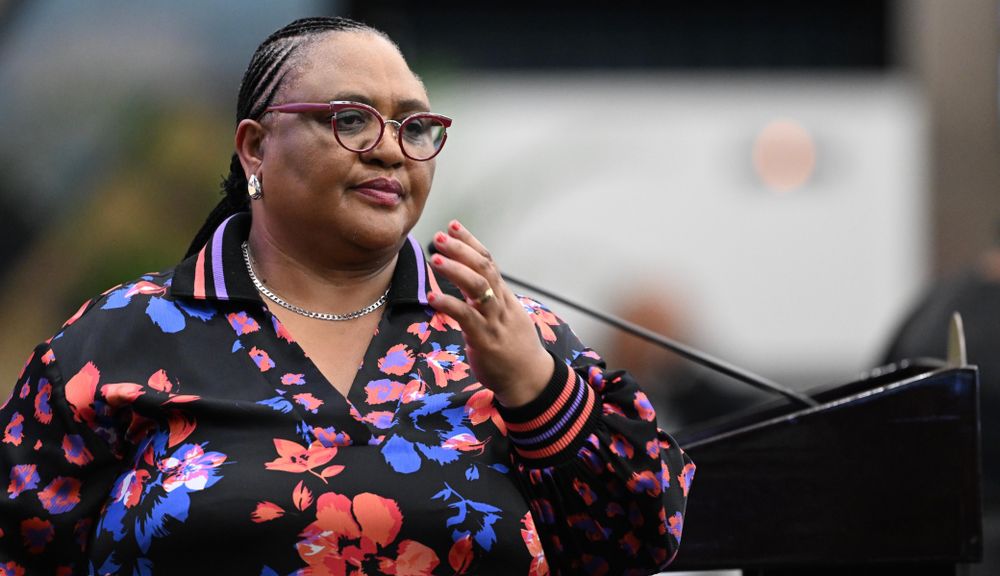
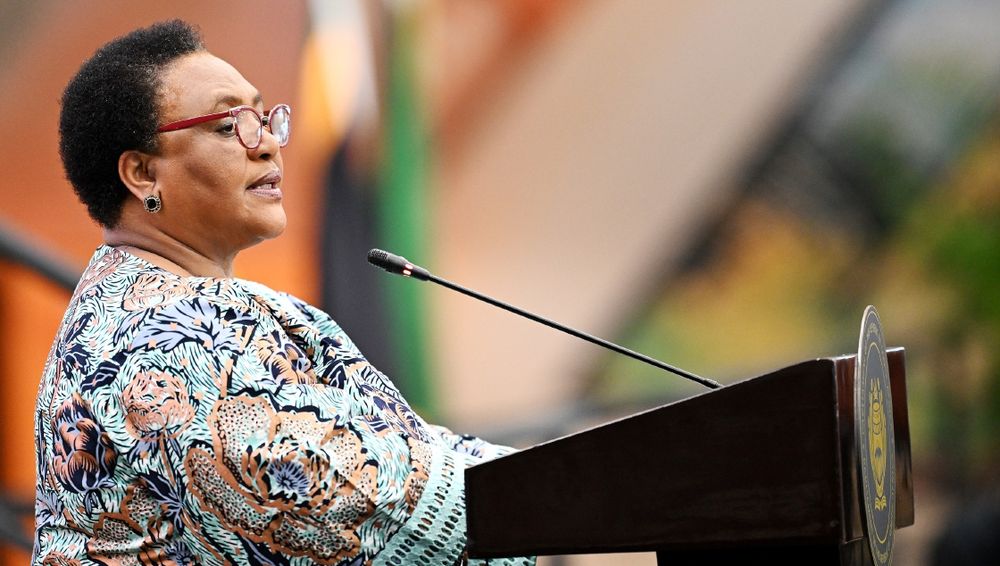
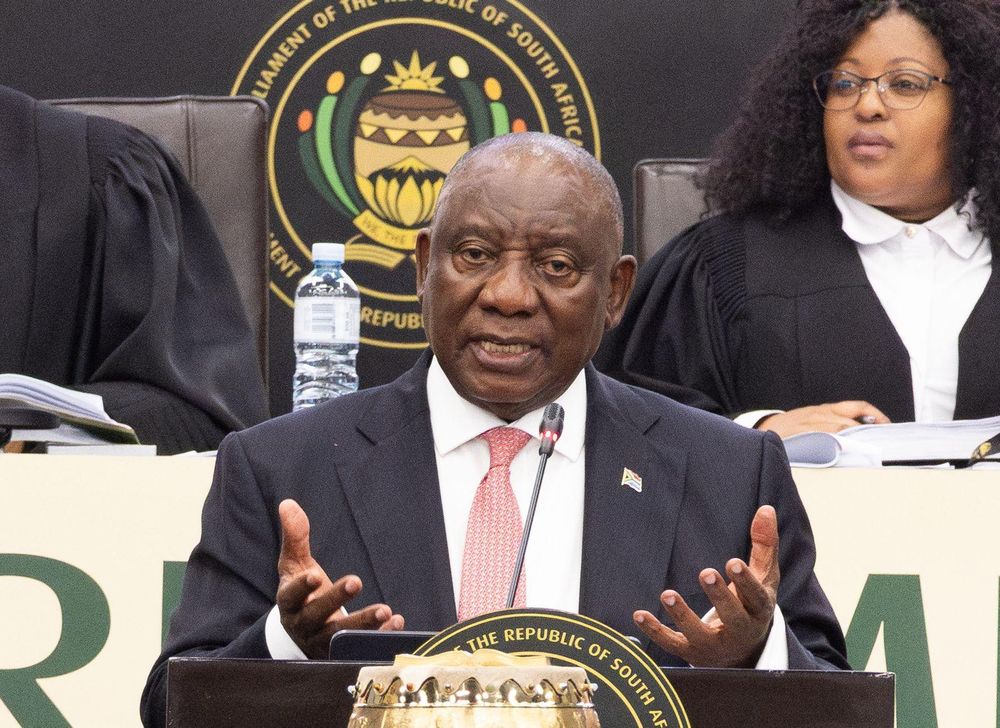
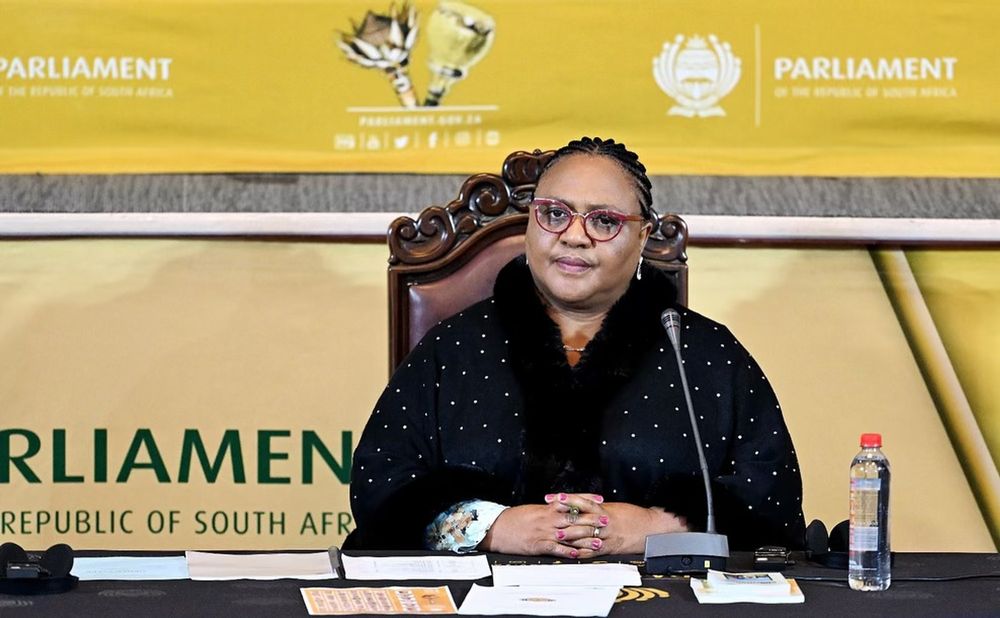
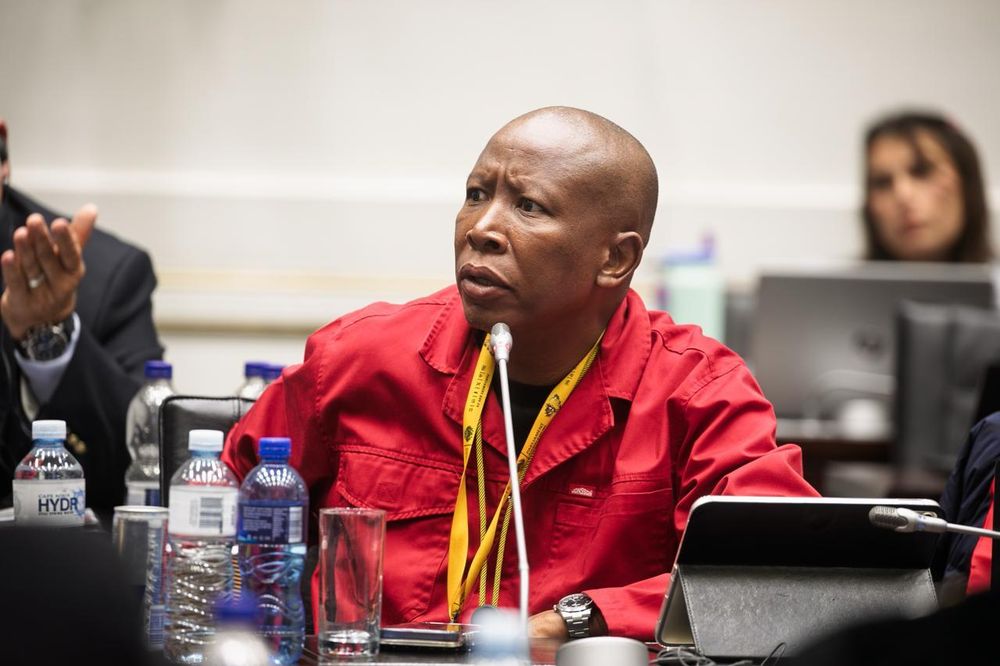
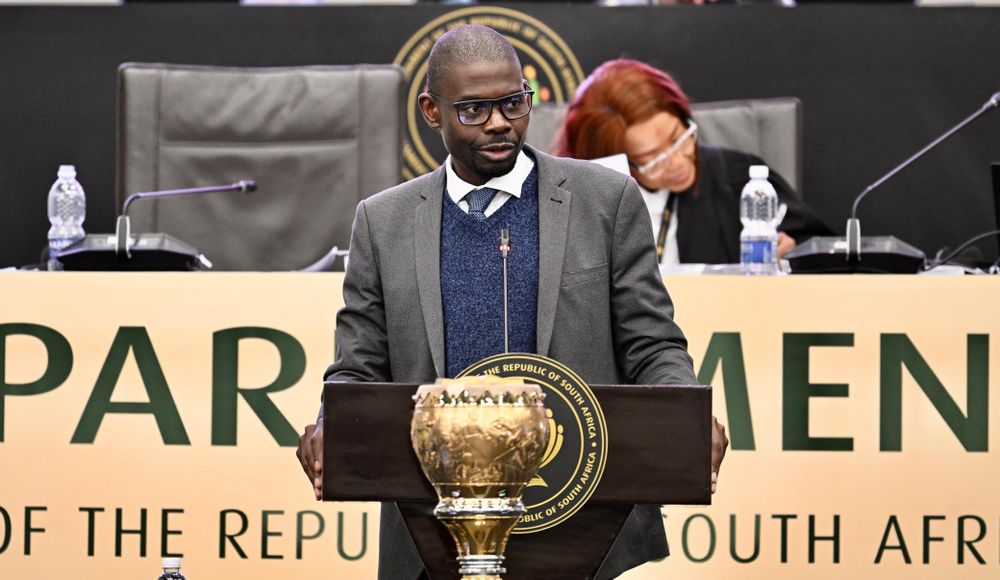
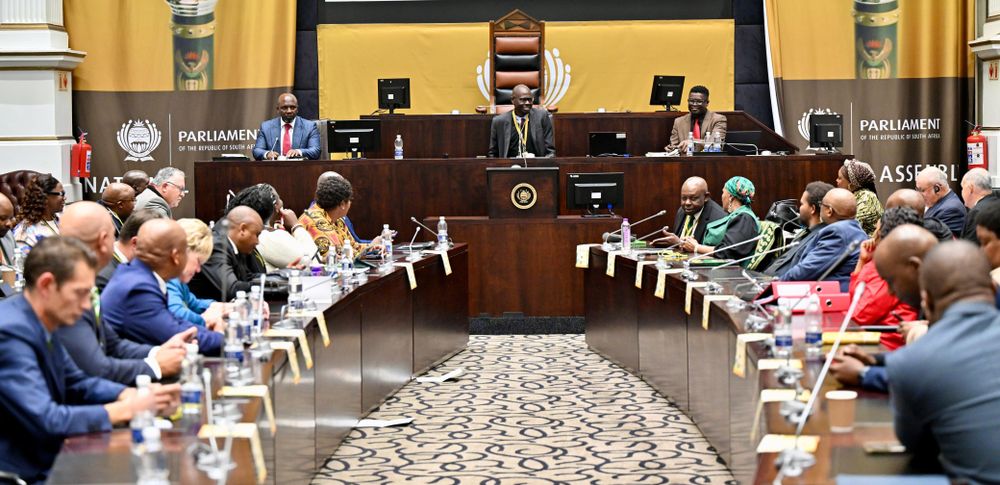
Parliament’s section 89 impeachment committee used its first substantive meeting on Tuesday to criticise National Assembly speaker Thoko Didiza’s decision not to formally oppose President Cyril Ramaphosa’s urgent court application to halt impeachment proceedings. It also began work on the rules that will govern the inquiry.The committee, chaired by Rise Mzansi MP Makashule Gana, received a briefing on correspondence relating to the impeachment process, considered draft terms of reference for the inquiry and debated how an evidence leader should be appointed amid concerns about independence, conflicts of interest and political influence.The meeting exposed growing divisions between committee members and Didiza over her decision to file a notice to abide, accompanied by an explanatory affidavit, rather than formally oppose Ramaphosa’s urgent interdict application.The committee had previously resolved to oppose the president’s court bid and requested Didiza’s support to ensure what it described as a unified parliamentary position.However, Didiza informed the committee that while parliament must continue with the impeachment process unless a court rules otherwise, she would not join the formal opposition to the application. She argued the matter now falls within the committee’s mandate and that her position and that of the committee were not in conflict but reflected different institutional responsibilities.DA parliamentary leader George Michalakis criticised the speaker’s approach, arguing that parliament’s presiding officer could not remain neutral when parliament’s ability to carry out its constitutional responsibilities was under challenge.“The speaker must always, by definition, choose the side of parliament,” Michalakis told the committee.“She cannot be neutral. She must defend parliament.”While acknowledging that Didiza should remain impartial regarding the merits of the impeachment proceedings and the underlying review application, Michalakis said her refusal to oppose the interdict was disappointing.“I do think that she should have acted in line with the wishes of the committee,” he said.MK Party MP Dr John Hlophe was more direct, accusing the speaker of misunderstanding her constitutional responsibilities.“The speaker totally misconstrued her role in this matter,” Hlophe said. He argued that Didiza had failed in her duty to protect parliament and uphold the constitution.Gana pushed back against suggestions that the committee itself could hold the speaker accountable, reminding members that the speaker is accountable to the National Assembly and not to the impeachment committee.“The speaker is not a member of this committee,” Gana said. “The speaker accounts to the assembly.”Parliament’s legal adviser, Sueanne Isaac, told members that the Constitutional Court’s judgment had effectively placed responsibility for the impeachment process in the hands of the committee unless a court ordered otherwise. She said the speaker had previously informed Ramaphosa’s legal team that the matter now rested with the committee, which is responsible for determining its own procedures.Appointments and conflicts of interestThe committee also received a detailed briefing on a proposed framework for appointing an evidence leader and assistant evidence leader, who will assist in the inquiry.Isaac said any appointment would have to comply with the Financial Management of Parliament and Provincial Legislatures Act, procurement regulations and the processes of the solicitor-general.Under the proposal, political parties represented on the committee will be invited to nominate candidates for the role of evidence leader. Parliament’s legal services and the solicitor-general will assess whether nominees meet the required criteria before a shortlist is returned to the committee for a final recommendation.The proposed requirements stipulate that the evidence leader must be a senior legal practitioner with at least 15 years’ experience, expertise in constitutional law, administrative law, parliamentary law and the law of evidence, and no real or perceived conflict of interest in relation to the inquiry.The proposal triggered extensive debate among members.EFF leader Julius Malema argued the committee should appoint only the evidence leader and allow that person to select their own assistant evidence leader.Malema said senior counsel typically work with legal teams of their choosing and that appointing an assistant separately could create disagreements over legal strategy and delay the committee’s work.ActionSA MP Lerato Ngobeni questioned whether there was a conflict between the proposed appointment process and provisions contained in the draft terms of reference, seeking clarity on which process would ultimately take precedence.Several members raised concern about conflicts of interest and the possible vetting of evidence leaders given the sensitivity of the inquiry. Members also questioned how parliament would determine whether nominees had real or perceived conflicts of interest, particularly where potential candidates may previously have been involved in litigation relating to the Phala Phala matter.Hlophe argued that the appointment process should not be left entirely to parliament’s administrative structures, and cautioned against allowing evidence leaders to embark on investigations beyond the issues referred to parliament by the Constitutional Court.Gana clarified that the committee itself would recommend the preferred candidate, while parliament would handle the procurement and contracting processes required by law.The committee further considered draft terms of reference governing the impeachment inquiry, including provisions relating to witnesses, public participation, expert testimony, admissibility of evidence, media coverage and the rights of the president during the proceedings.Members were told the proposed framework would allow the public to submit evidence, set out procedures for summonsing witnesses and establish rules governing confidential information and expert evidence.The committee also noted a request from the EFF for the future inclusion of a forensic investigator and an exchange-control specialist, arguing that allegations relating to financial transactions and cross-border money flows may require specialised expertise.Members are expected to submit proposed amendments to the draft terms of reference and nominations for an evidence leader before the committee reconvenes, by July 10.Unless a court orders otherwise, the committee has indicated that it intends to continue preparations for the impeachment inquiry while Ramaphosa’s legal challenge proceeds.