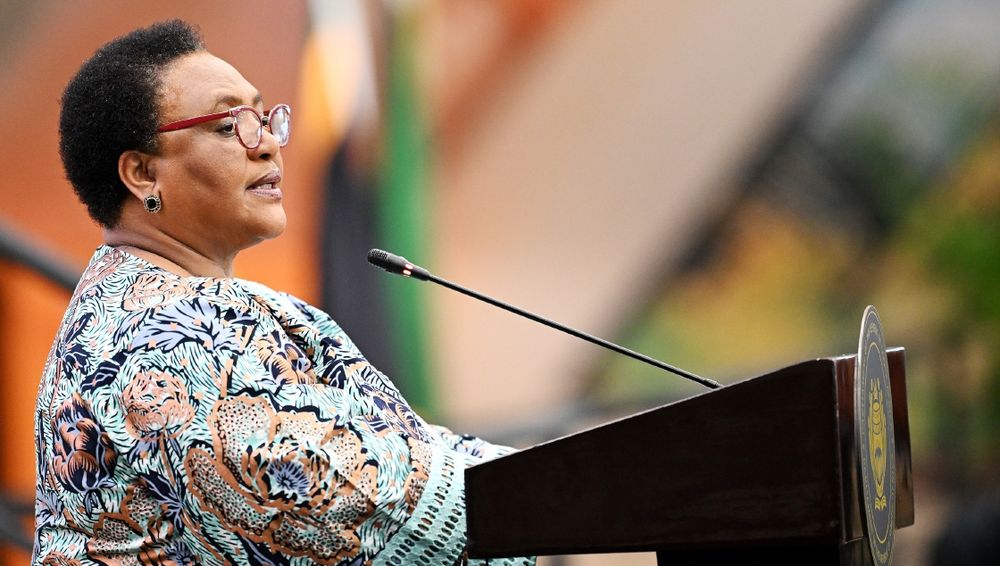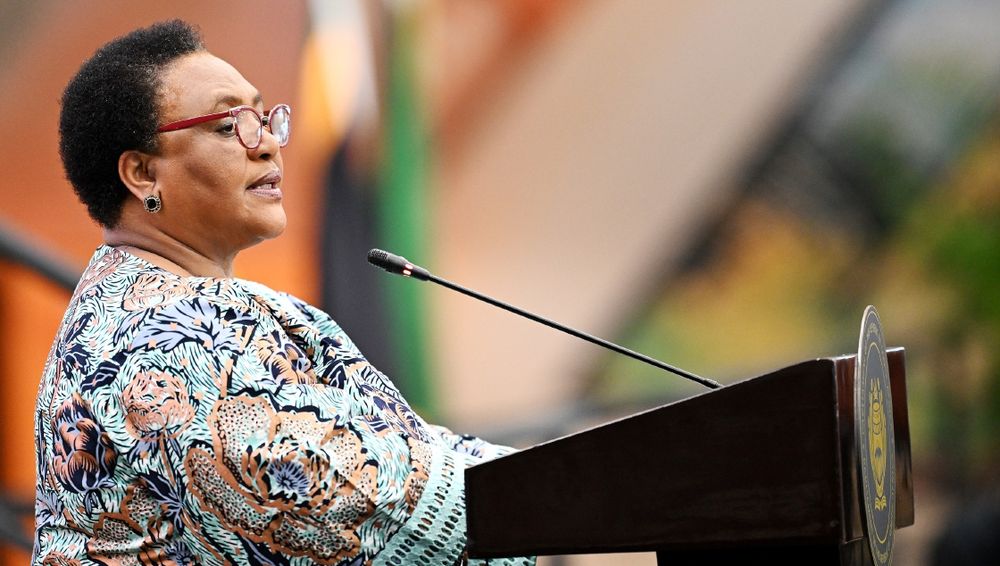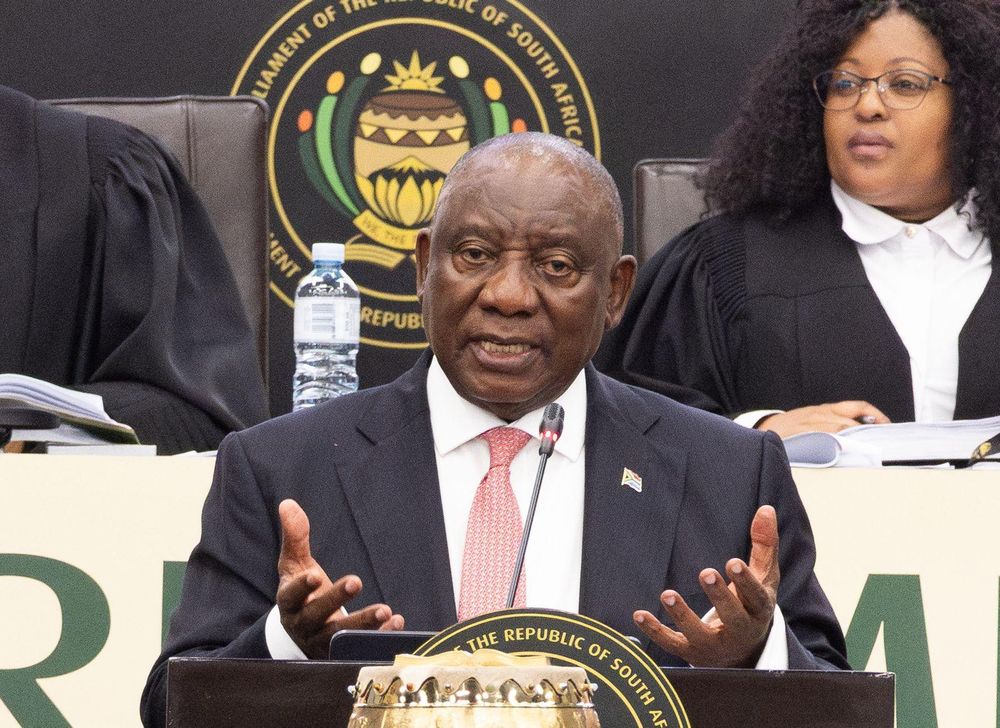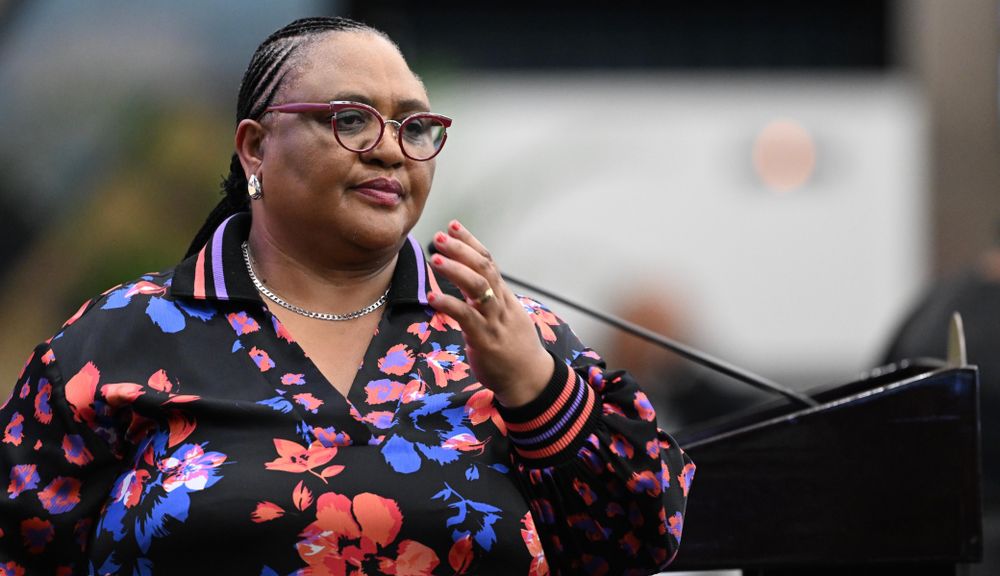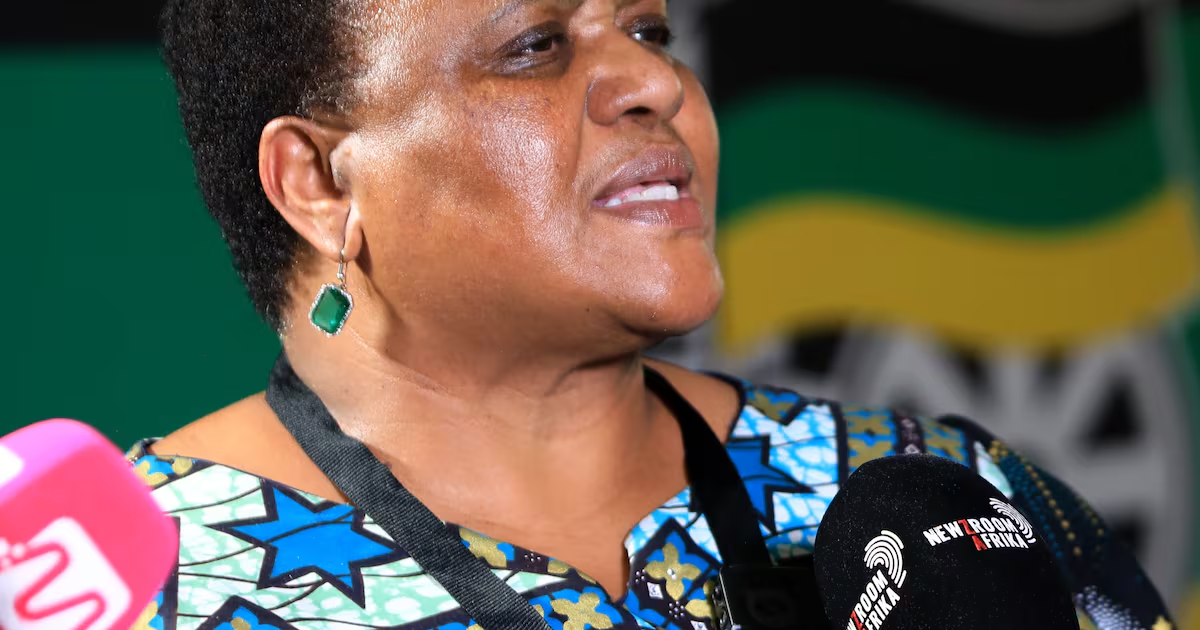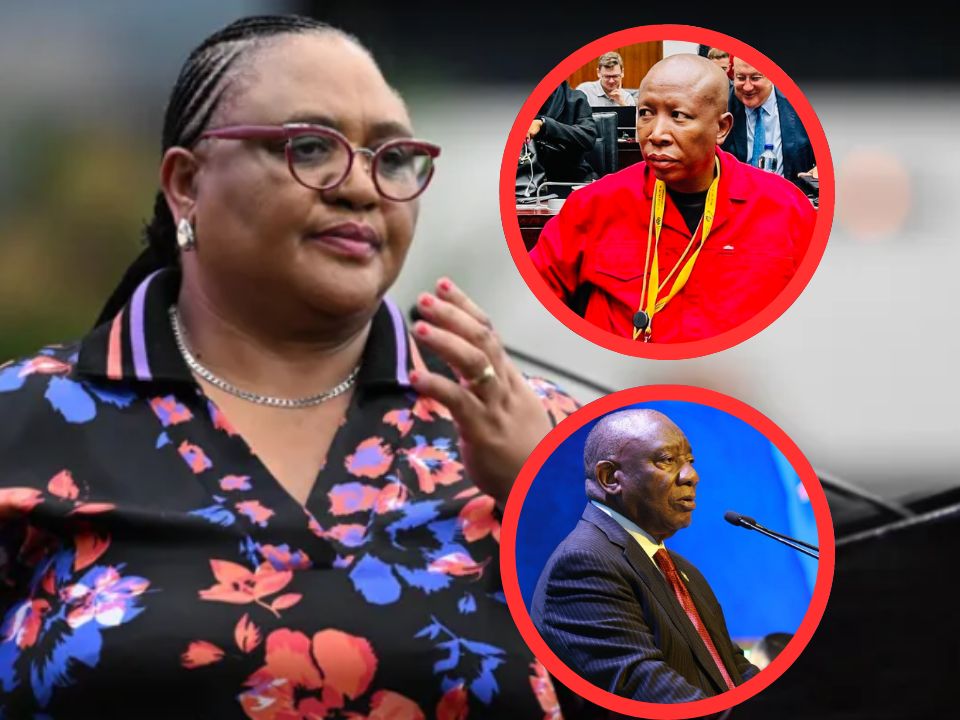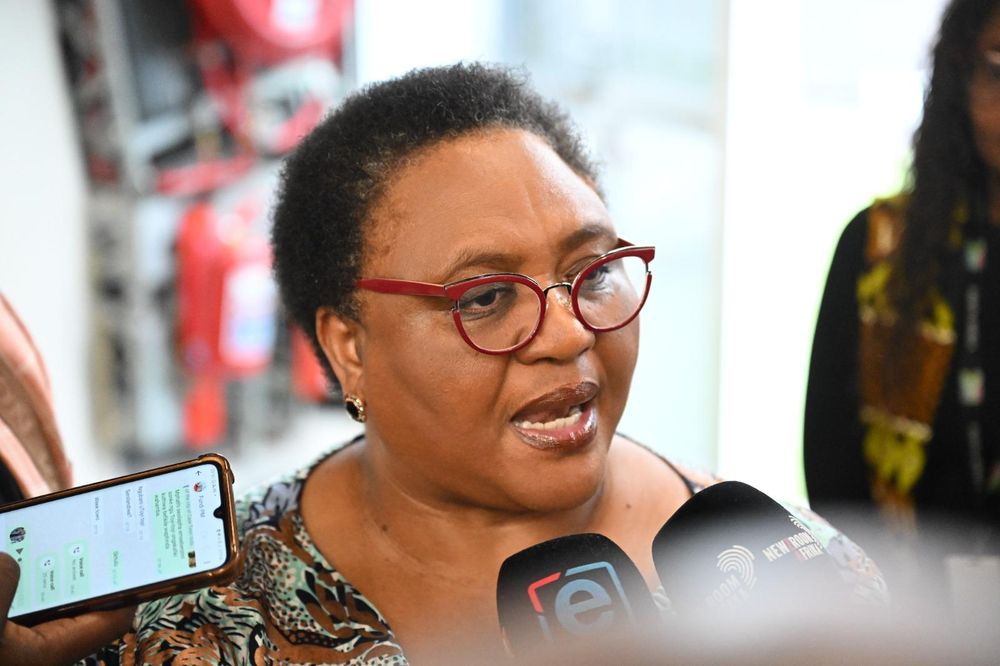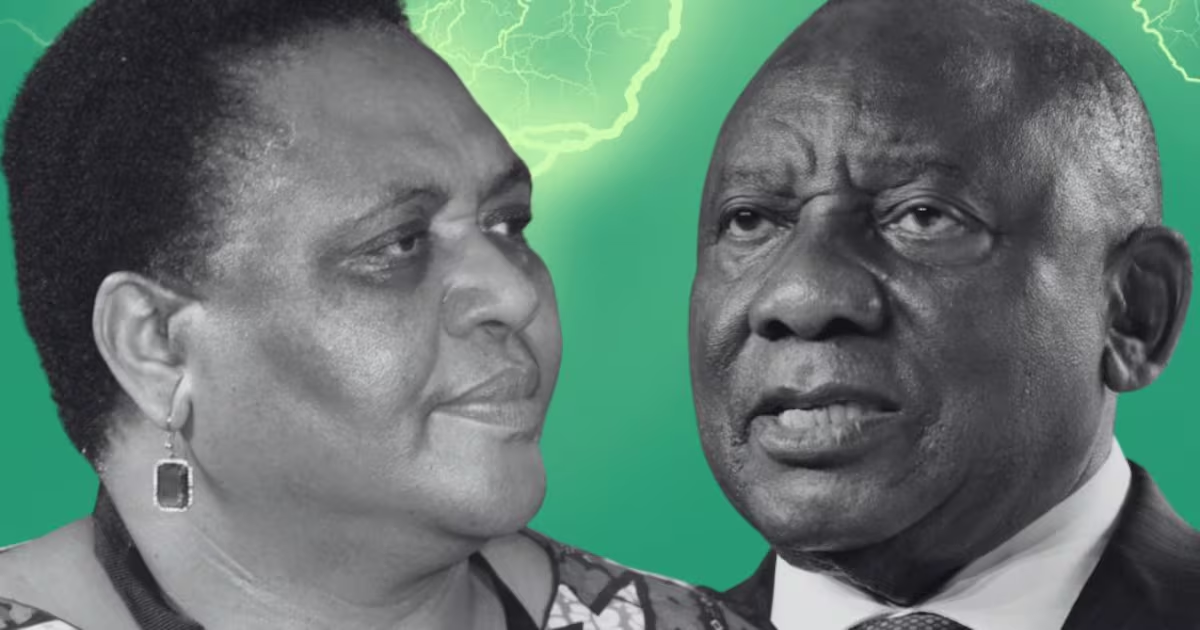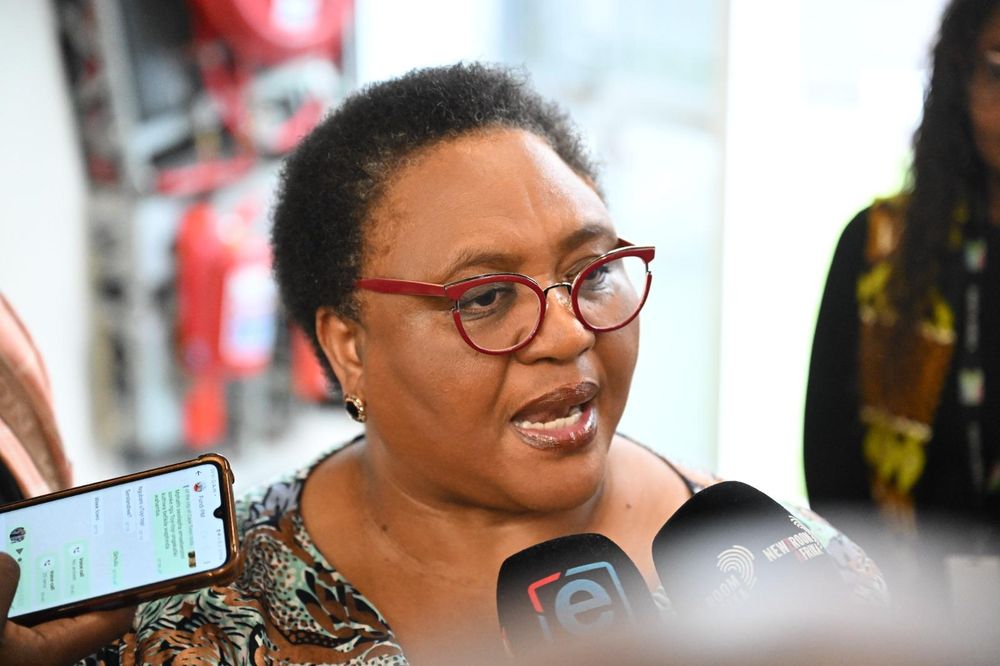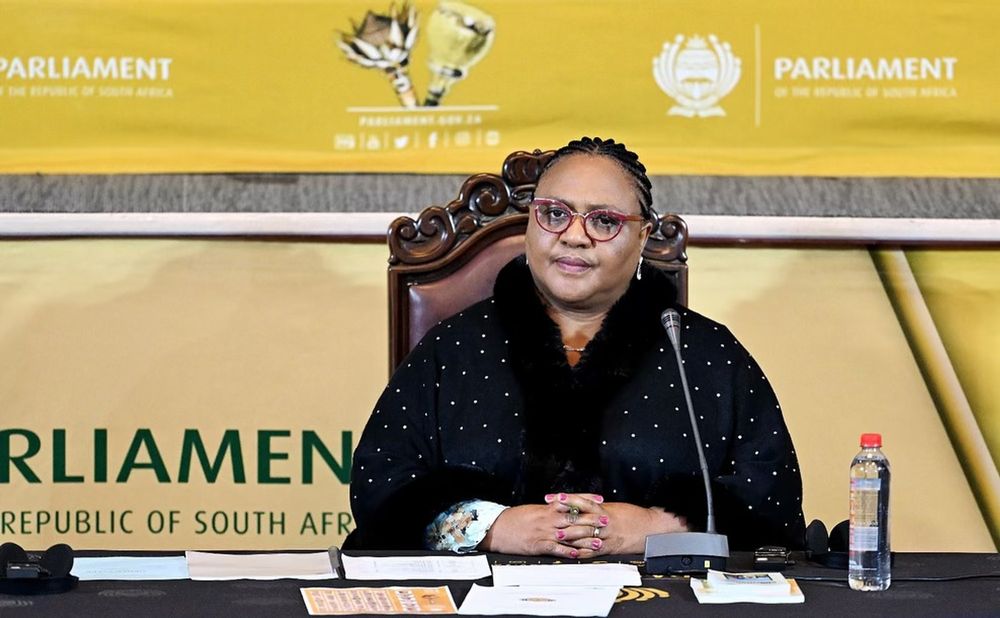
Speaker Thoko Didiza's decision to remain neutral in the impeachment inquiry against President Cyril Ramaphosa raises critical questions about the role of Parliament, institutional integrity, and constitutional democracy in South Africa.
In constitutional democracies, there are moments when restraint becomes a more profound exercise of power than intervention. National Assembly Speaker Thoko Didiza's decision not to oppose President Cyril Ramaphosa's application to interdict Parliament's impeachment committee may well represent such a moment.
Predictably, critics have characterised the Speaker's stance as passive, politically convenient, or even protective of the president. Yet a more sophisticated constitutional reading suggests that Didiza's position may be rooted not in political allegiance but in an institutional understanding of the Speaker's office and the separation of powers.
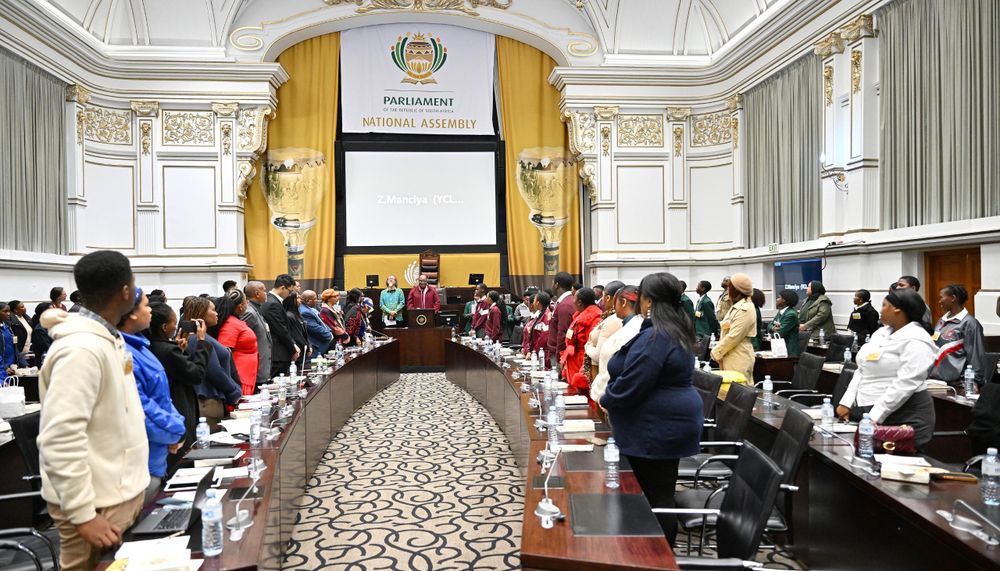
The South African Constitution assigns the Speaker a unique role. While elected through political processes, the Speaker is ultimately a constitutional custodian of parliamentary integrity. The office exists not to advance the interests of government or opposition, but to safeguard the legitimacy of parliamentary processes themselves.