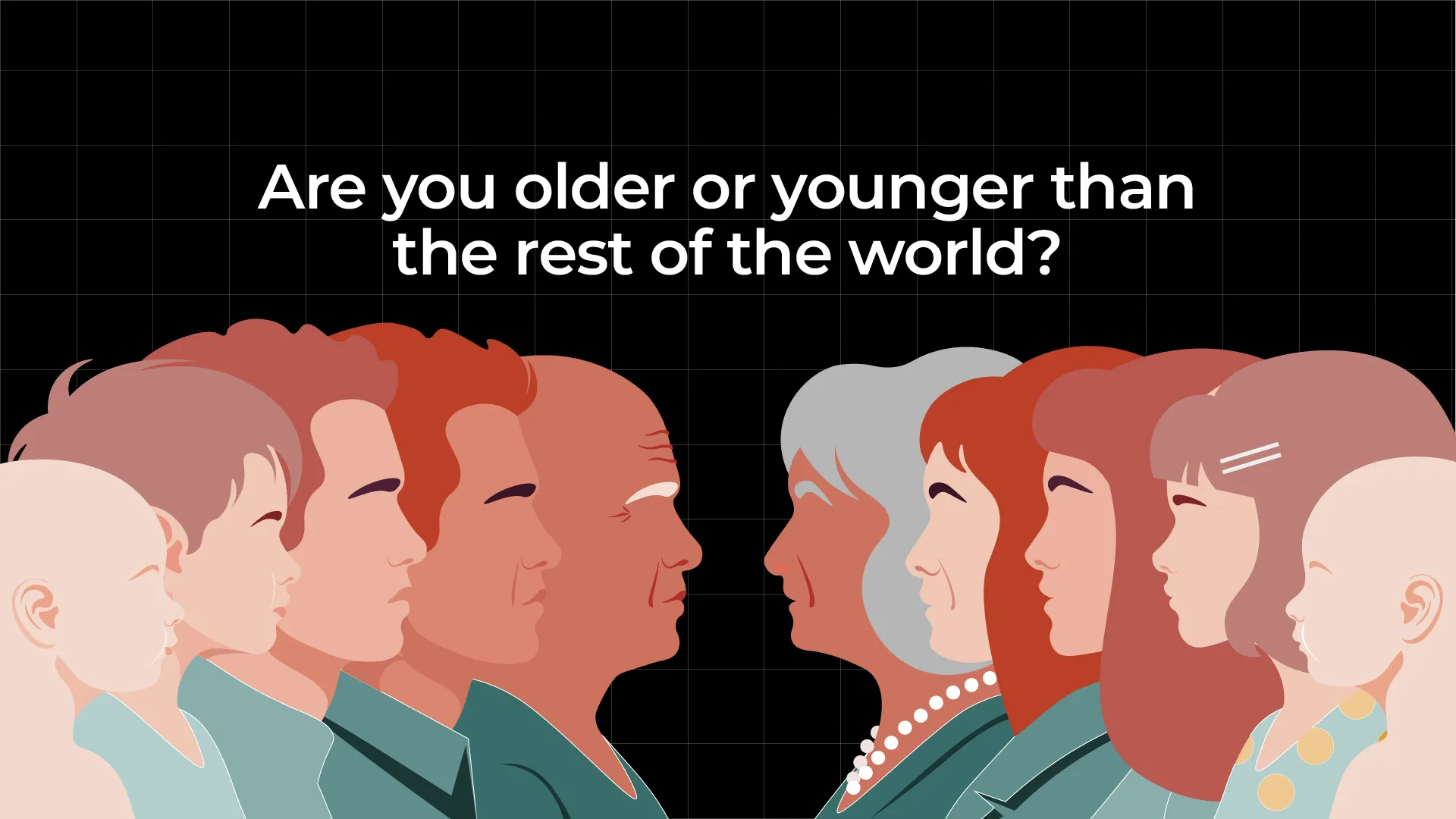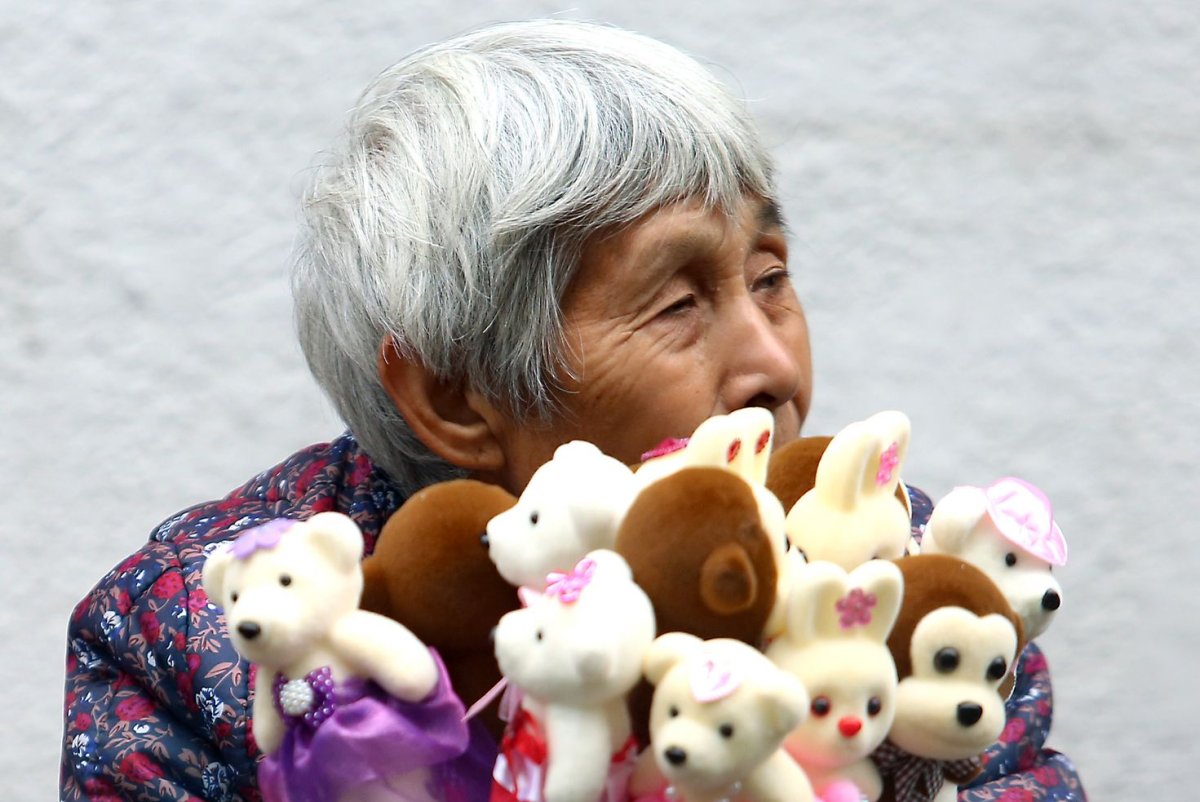
The world is aging at an unprecedented rate. The number of people aged 60 and older is expected to reach 1.4 billion by 2030 and exceed 2 billion by 2050. File Photo by Stephen Shaver/UPI | License Photo
June 24 (UPI) -- The world is aging at an unprecedented rate. The number of people aged 60 and older is expected to reach 1.4 billion by 2030 and exceed 2 billion by 2050. This transformation is advancing especially quickly in Latin America and the Caribbean, where older people are projected to represent one-quarter of the region's population by the middle of this century.
The demographic shift will inevitably affect health systems and public policy. Yet its most complex consequence may be cultural: whether societies that prize speed and technological fluency will continue to recognize the value of experience.
This transformation demands more than expanded medical services or pension reform. It requires societies to reconsider how they understand human dignity.
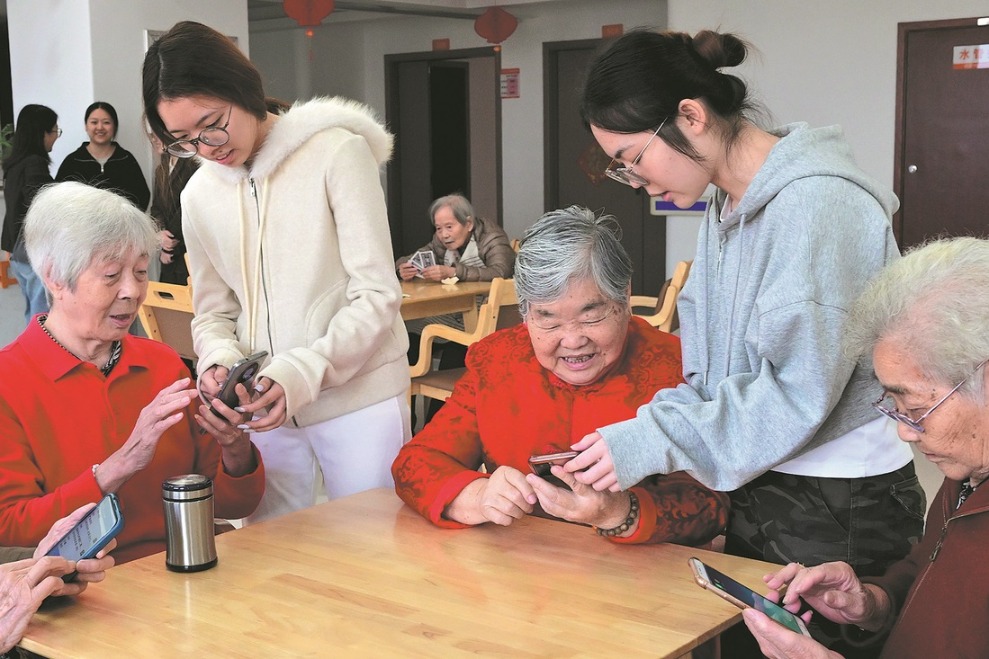
For centuries, older people were commonly regarded as guardians of memory and sources of communal wisdom. The digital age increasingly presents them as people struggling to keep up. The respected elder becomes the "digital immigrant," someone expected to update continuously or risk exclusion.