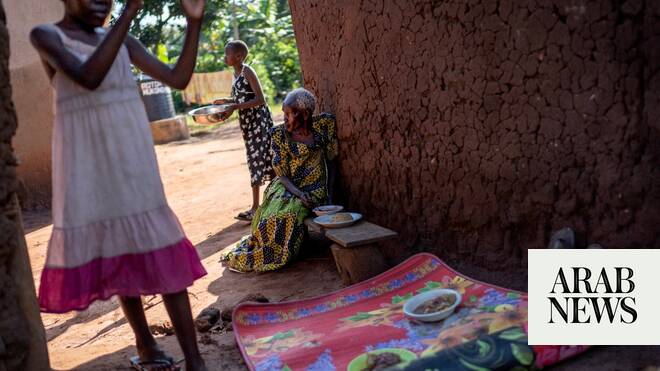
MAGOGO: In rural Uganda, grandparents increasingly walk children to school and tend family gardens, reflecting a broader trend of longer lives across East Africa.
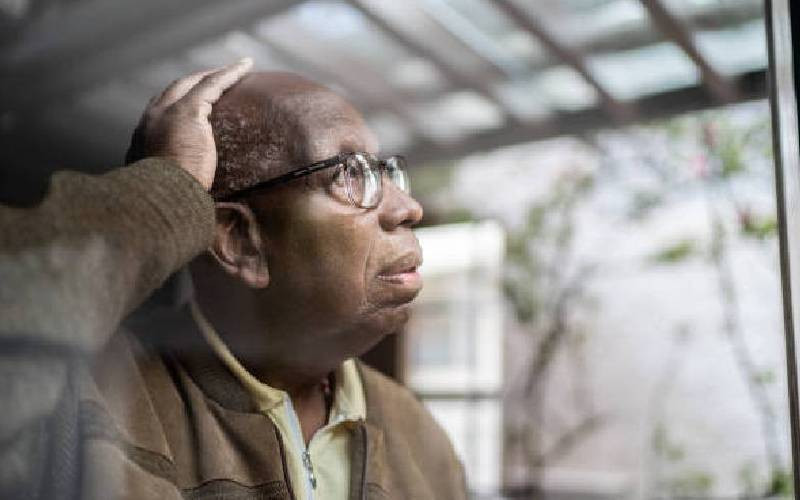
According to WHO projections, the number of people aged 60 and older in sub-Saharan Africa is expected to more than double by 2050. This creates both pressures and opportunities for families, communities, and governments alike.
Yet, amid hardship, older adults continue to play central roles in holding households together, nurturing the young, and passing on cultural knowledge.
“We used to say old age was a blessing,” says Sarah Nansubuga, who runs an elder-care support group in Kampala. “Now we see it’s a blessing and a responsibility. Families, leaders, and all of us must find ways to make those years dignified.”
From Uganda to South Africa, policymakers and communities are debating how to adapt to a growing older population.