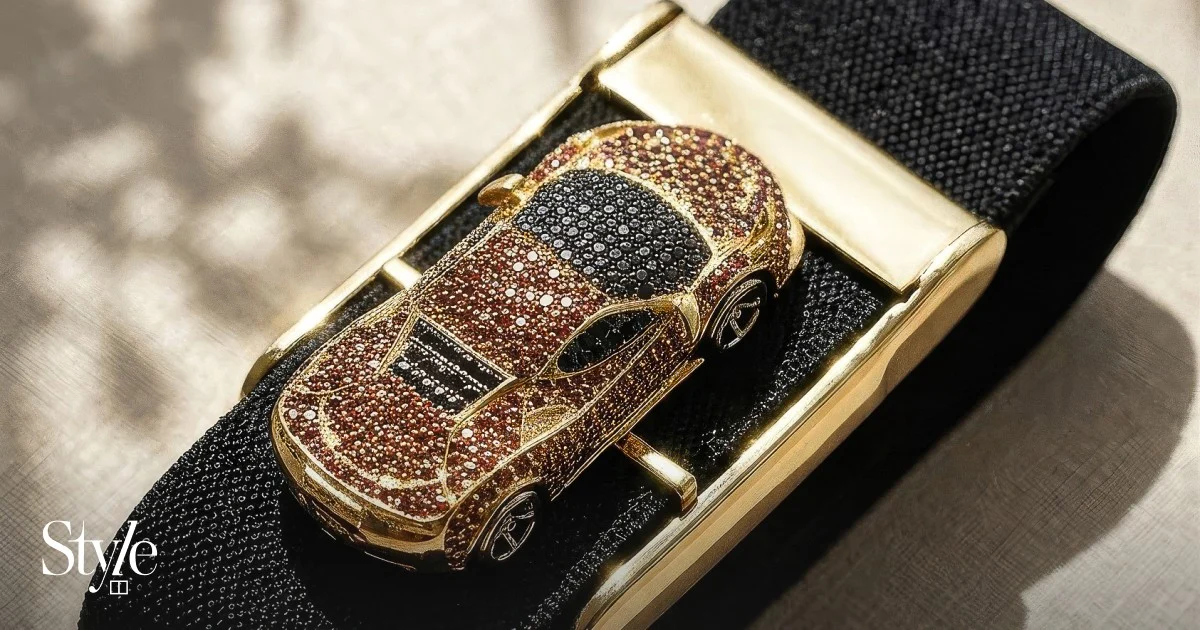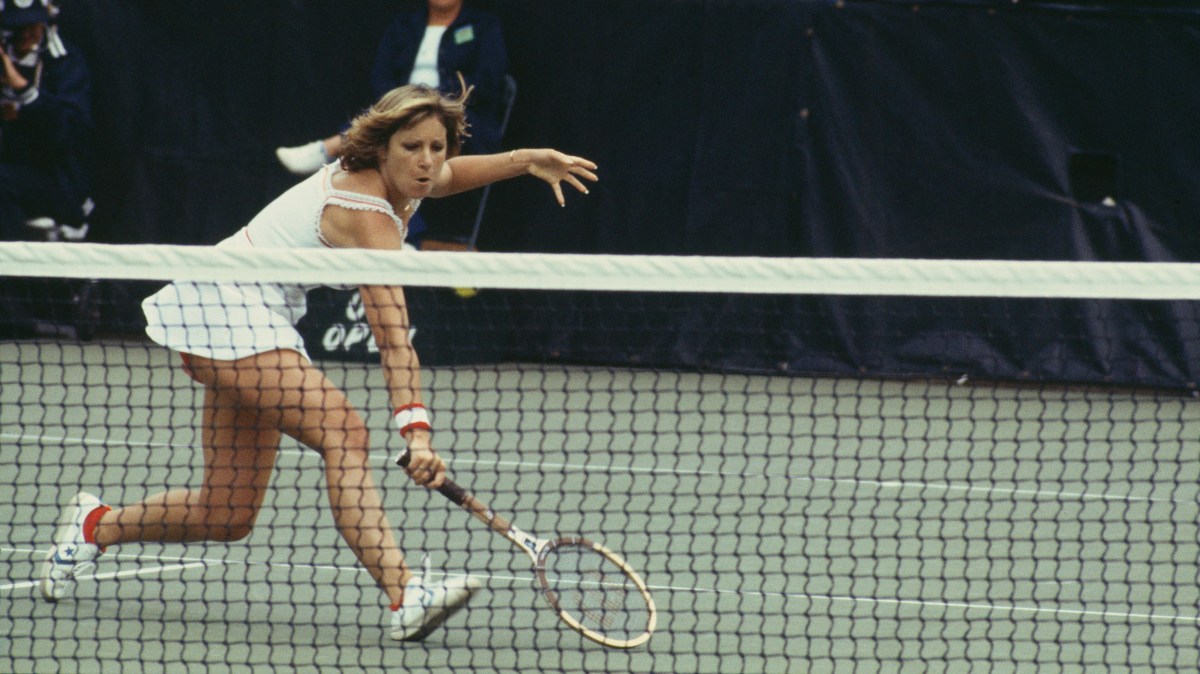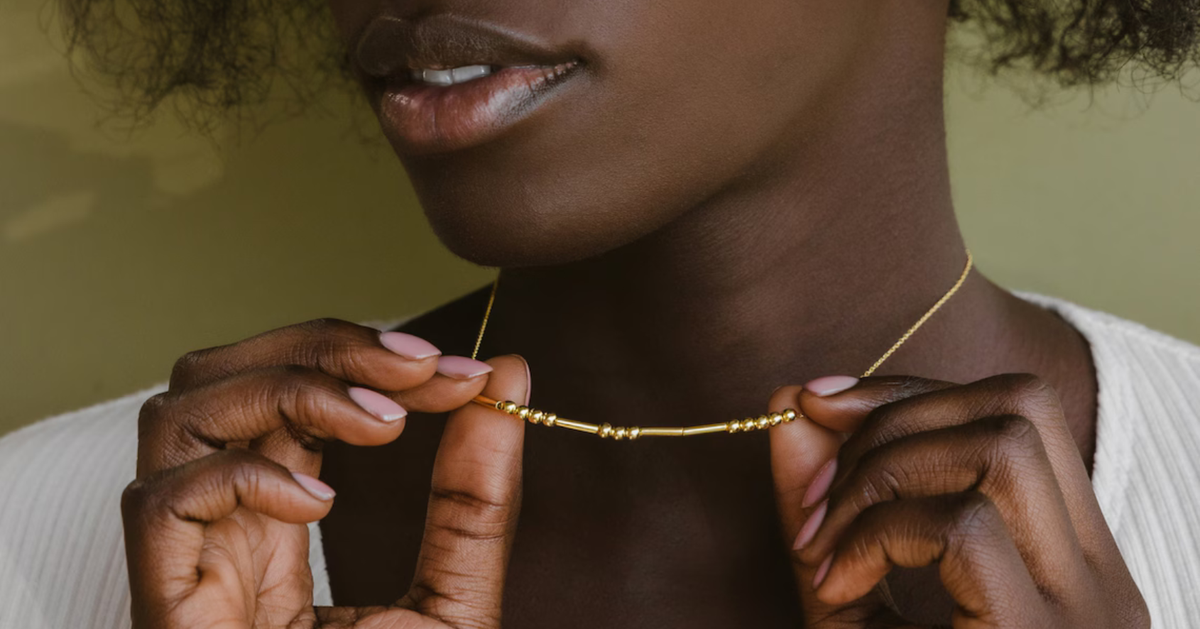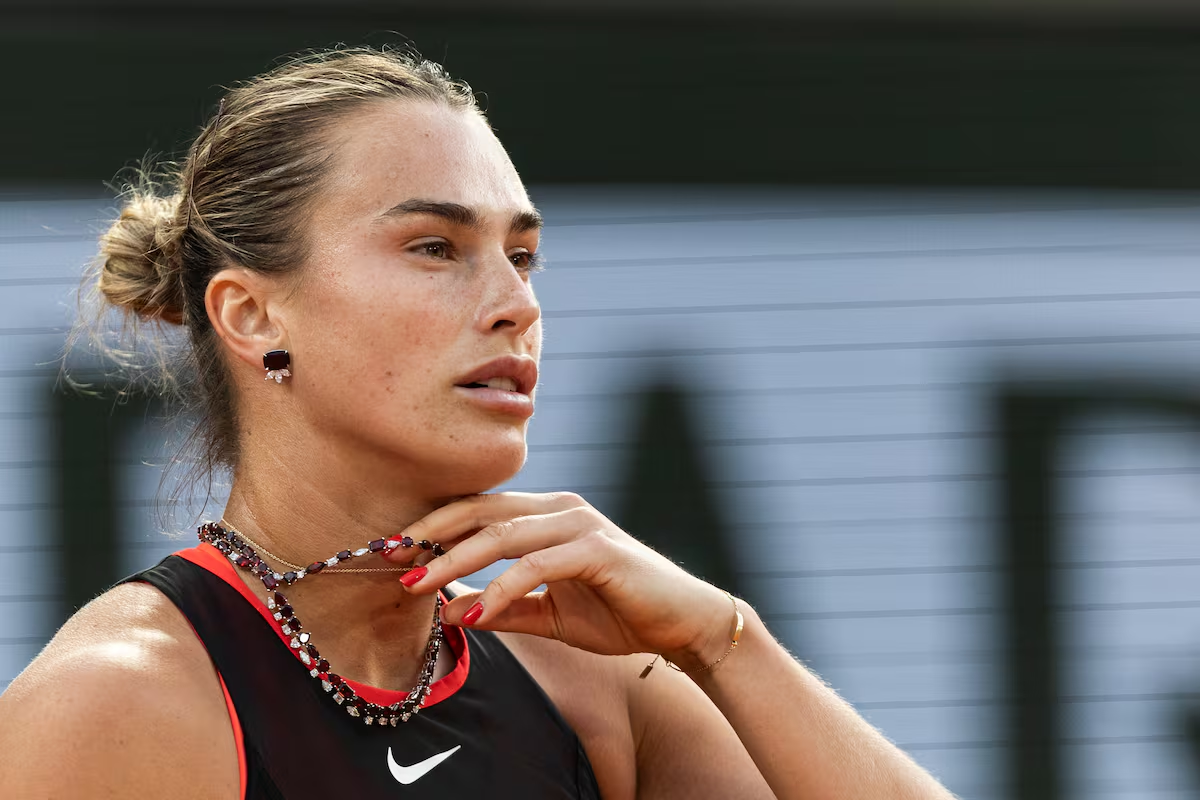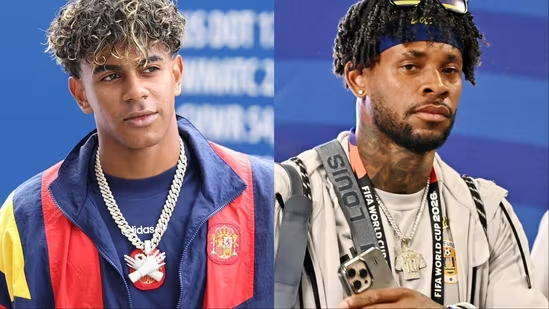
Jewellery is no longer just an accessory in sport. It’s a way for athletes to express identity, tell personal stories and stand out beyond the uniform. Athletes today are thinking about how they show up, not just how they play. Jewellery, which was once off-duty, is now part of the look even during a match. Chains, pendants, and small, meaningful pieces are showing up more often - whether it’s during play, at walk-ins, or in post-match moments. As sport becomes more about visuals, these details stand out. The jewellery isn’t just for style; it often reflects something personal - where they come from, what matters to them, or what gives them confidence in big moments.(L-R) Spain's Lamine Yamal's 304 chain refers to the postal code of his hometown, Curacao's Leandro Bacuna wears a chain modelled on his jerseyJewellery as personal armourFor many athletes, jewellery carries personal significance. Necklaces with initials, bracelets marking milestones and pieces linked to family or heritage are increasingly visible across sports.Football has seen several examples of this. Ahead of Curaçao’s FIFA World Cup 2026 debut, captain Leandro Bacuna wore a custom ‘Bacuna 10’ diamond chain modelled on his national-team jersey, complete with his name and number.Spain forward Lamine Yamal has been seen wearing a custom ‘304’ diamond chain. The number refers to Rocafonda, the neighbourhood where he grew up, and is taken from the final digits of its postal code. It has also become part of his goal celebration.Manik Jain, creative designer at Isvari India, explains, “In a space where uniforms leave little room for individuality, these jewellery pieces become one of the few ways athletes can express who they are beyond the game. There is no better stage to present luxury jewellery than when you are performing at your best.”Taking the story beyond the gameAthletes are also using jewellery to highlight issues off-field.At the 2026 Met Gala, tennis player Venus Williams wore jewellery featuring ‘6%’, drawing attention to the fact that only a small share of sports-science research is focused exclusively on women. The 12-time Wimbledon winner paired it with a necklace inspired by the tournament’s prize design created by master goldsmiths.Harsh Arora, jewellery expert and founder of AVYA says, “Athletes today have constant visibility, and jewellery becomes a natural extension of that. When it carries a message like this, it goes beyond fashion. It’s evolving from pure flex culture into something more taste-driven and intentional, with the focus on individuality, craftsmanship and personal expression.”The rulebook on jewellery in sportFormula 1: Jewellery is prohibited during races under FIA safety regulations.Football: Players must remove jewellery before taking the field.Tennis: Jewellery is generally allowed if it does not affect play.Basketball: Most leagues prohibit jewellery during games for safety reasons.Skiing and Skating: Figure skaters can wear jewellery as part of competition costumes, while skiing events often restrict it for safety.Athletics (Track & Field): Jewellery is permitted, though most athletes keep it minimal.
Athletes are now turning jewellery into personal statements on and off the field
Jewellery is no longer just an accessory in sport. It’s a way for athletes to express identity, tell personal stories and stand out beyond the uniform.
484 words~2 min read