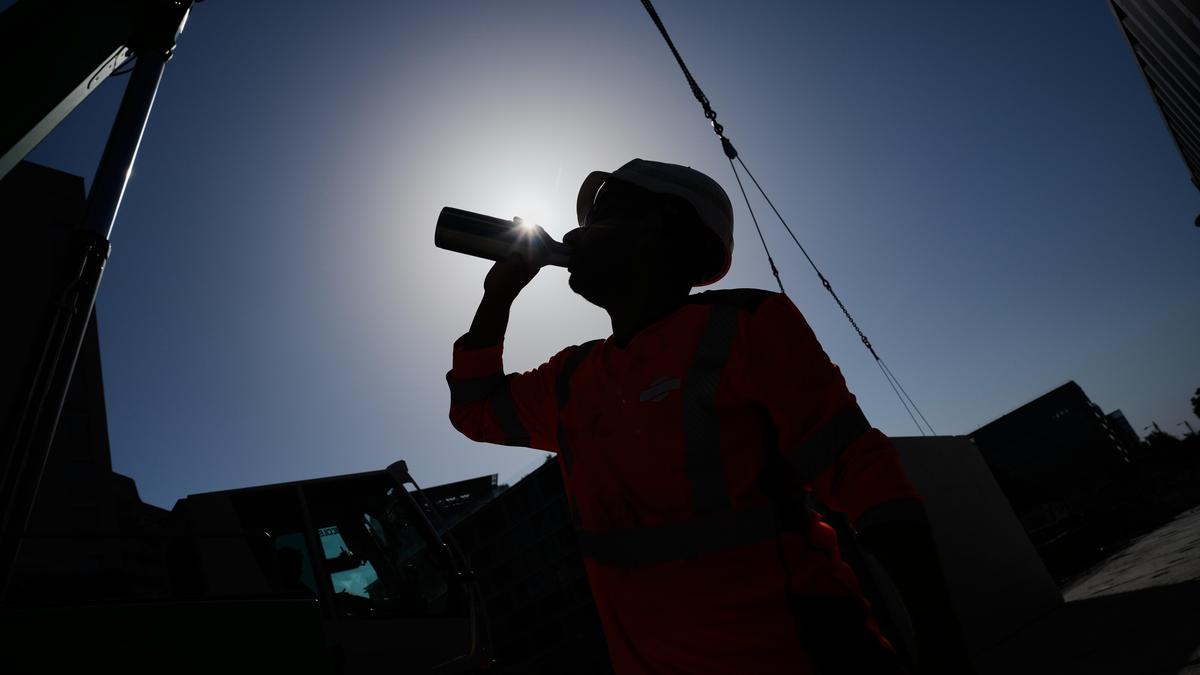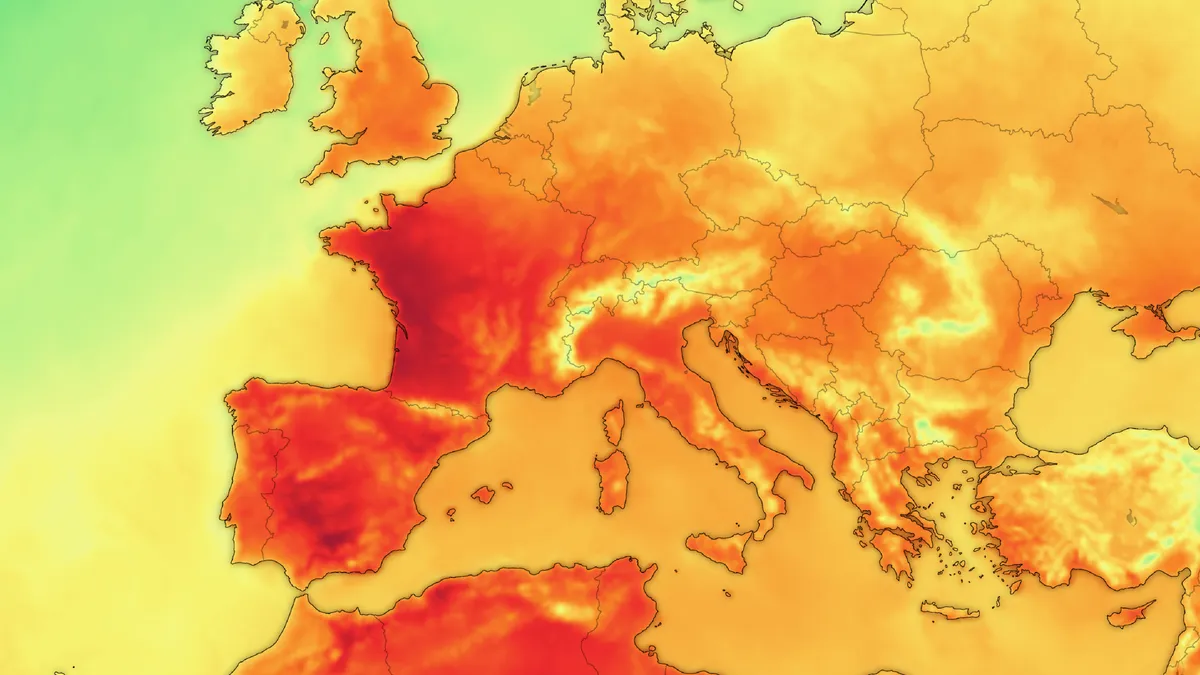
SINGAPORE: Europe is experiencing a major heatwave, with high temperatures disrupting daily life across the continent.In France, more than 90 per cent of the population is facing extreme heat. Temperatures are set to reach between 39°C to 41°C on Wednesday (Jun 24) from Brittany to Paris and across much of the southwest.French authorities said on Tuesday that at least 40 people have died in incidents linked to the heatwave since the weekend. Many drowned while swimming in unsupervised areas.In Italy, the health ministry on Wednesday declared a red heatwave alert for 16 cities, including Milan and Rome.The hot weather is expected to extend into eastern Europe in the coming days.
The current heatwave is fuelled by a weather pattern known as an Omega block, because it takes the shape of the Greek letter, with a bulge of hot air in the middle and cooler air on either side, according to meteorologists.This creates a so-called heat dome - a high-pressure system that traps hot air over western and central Europe, causing temperatures to rise day after day.But what exactly is a heat dome, and why does it cause temperatures to soar?
What is a heat dome?A heat dome is an area of high-pressure air in the atmosphere that becomes stuck over a region because atmospheric dynamics around it block it from moving.The high-pressure system would remain stationary for a few days, trapping dangerous heat and humidity underneath it, said Mireia Ginesta, a research associate at the Climate Litigation Lab at the Smith School of Enterprise and the Environment.The high-pressure system traps hot air below it - which heats up and compresses to form a dome.This increases the heat and prevents the formation of clouds, which enables more radiation from the sun to hit the ground.A heat dome will result in clear, sunny days, and still conditions with little cooling windSuch systems can last for days to weeks.“High-pressure system means that the air is sinking, and as the air goes down to lower altitudes, it becomes compressed,” Ginesta said. “So the pressure increases and the temperature also increases.”In short, this high-pressure system acts like a lid on a pot. Hot air near the ground becomes trapped, while sinking air gets compressed and warms further, creating a "dome".A heat dome can also lead to storms and is part of this weather event's volatile pattern. Storms were expected over the Alps and Apennines, bringing heavy rain, gusty winds and hail.