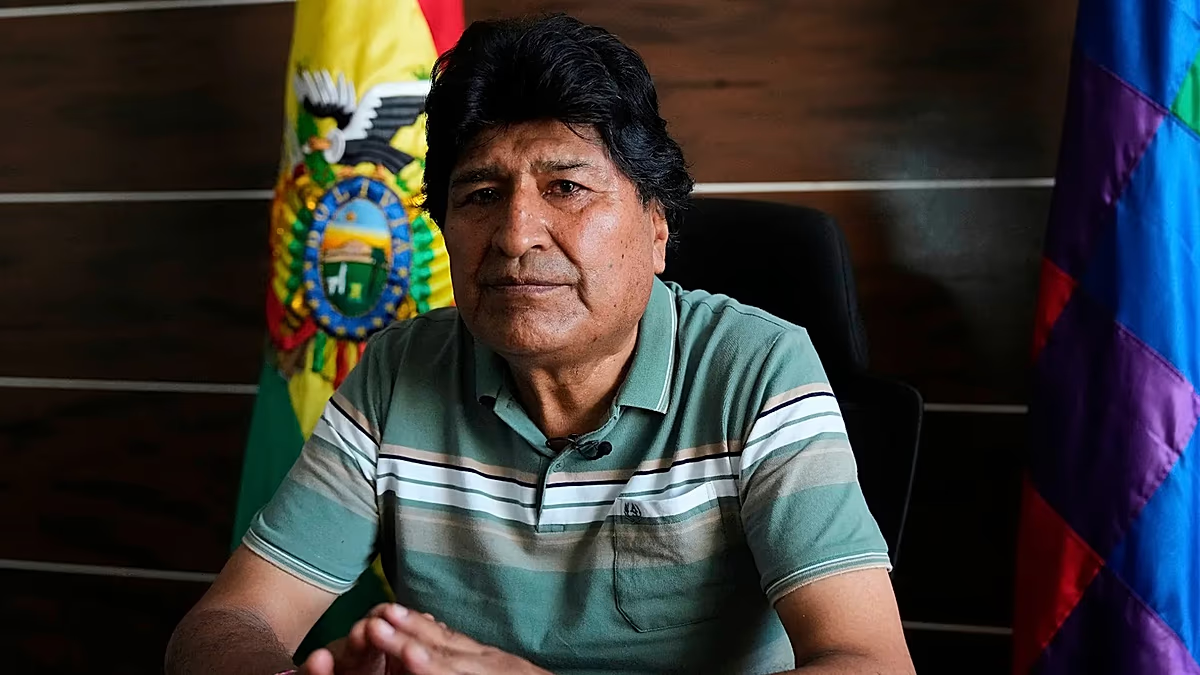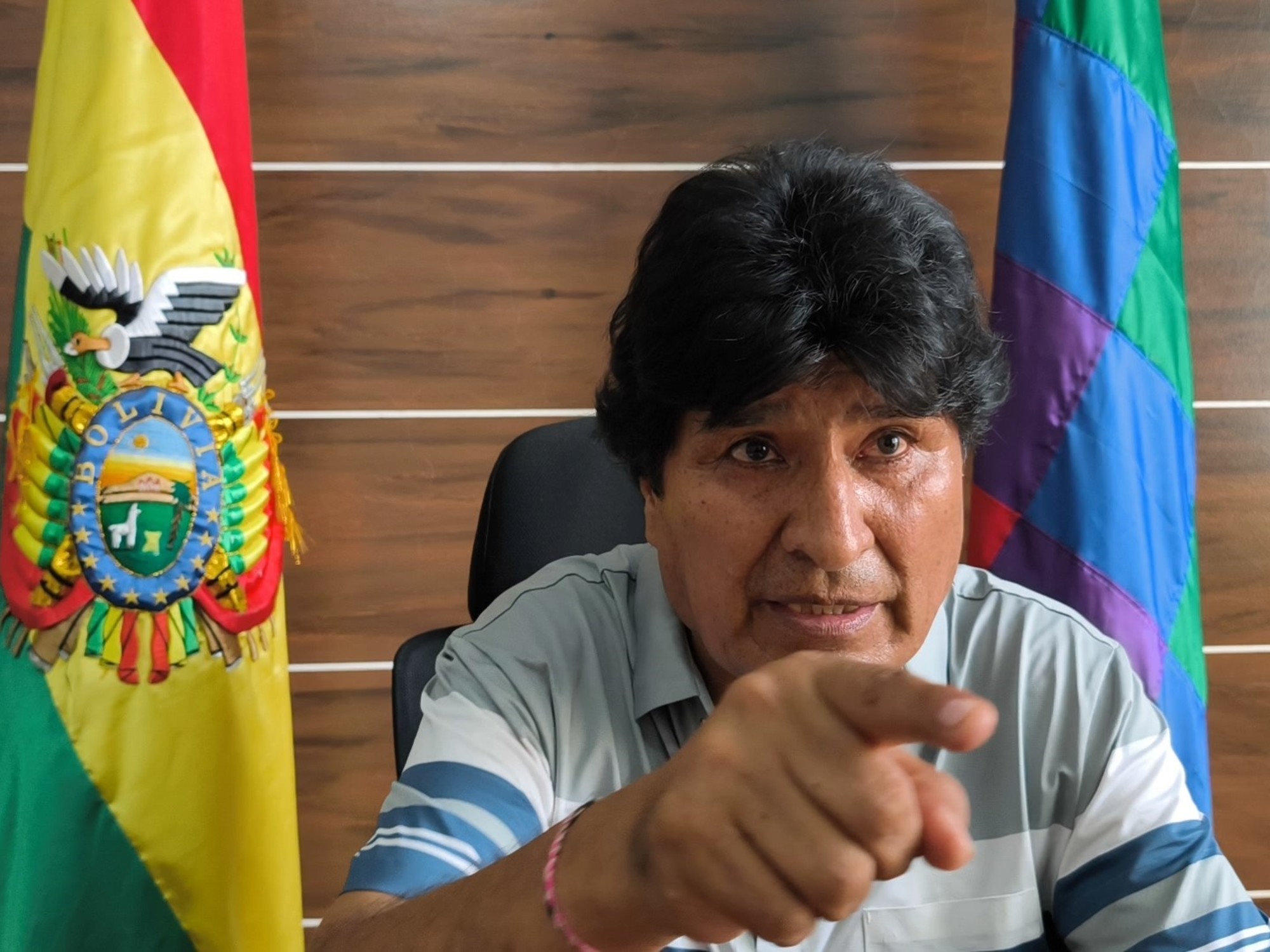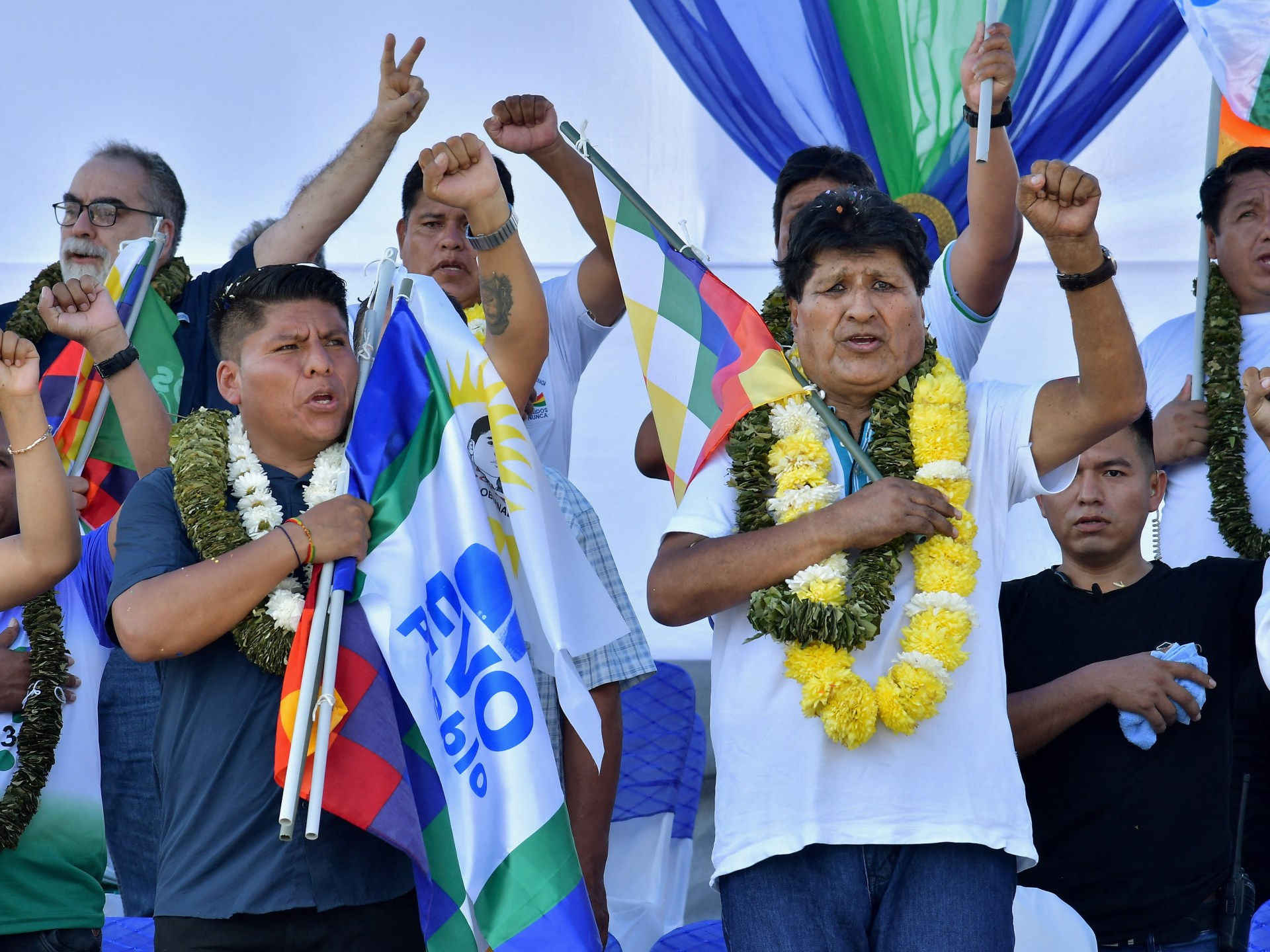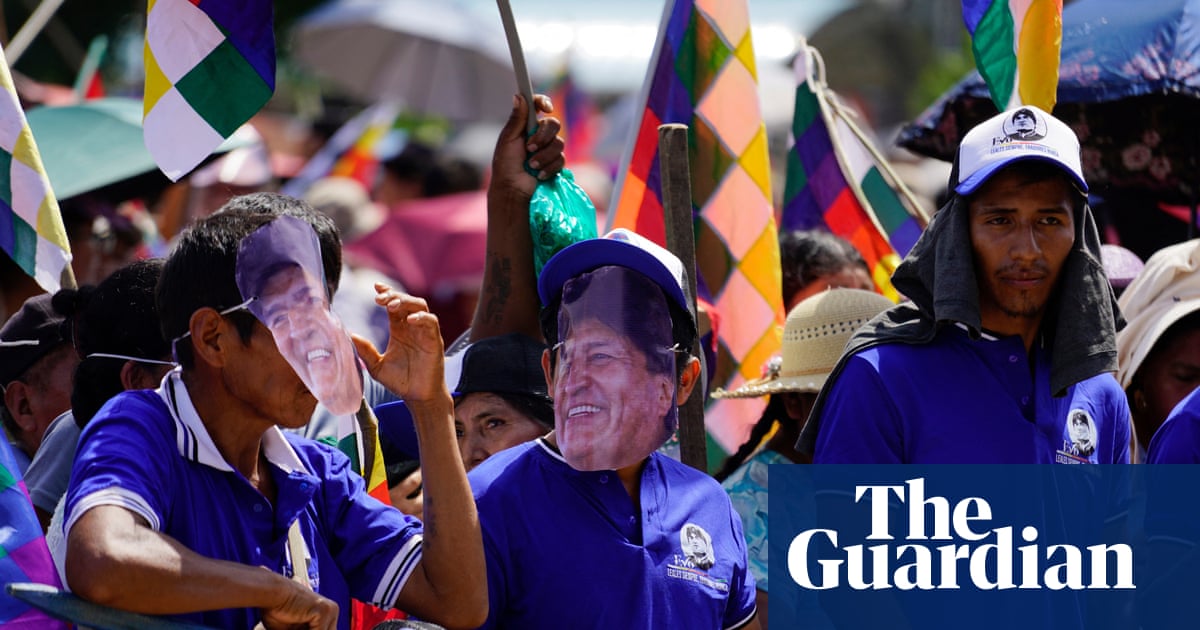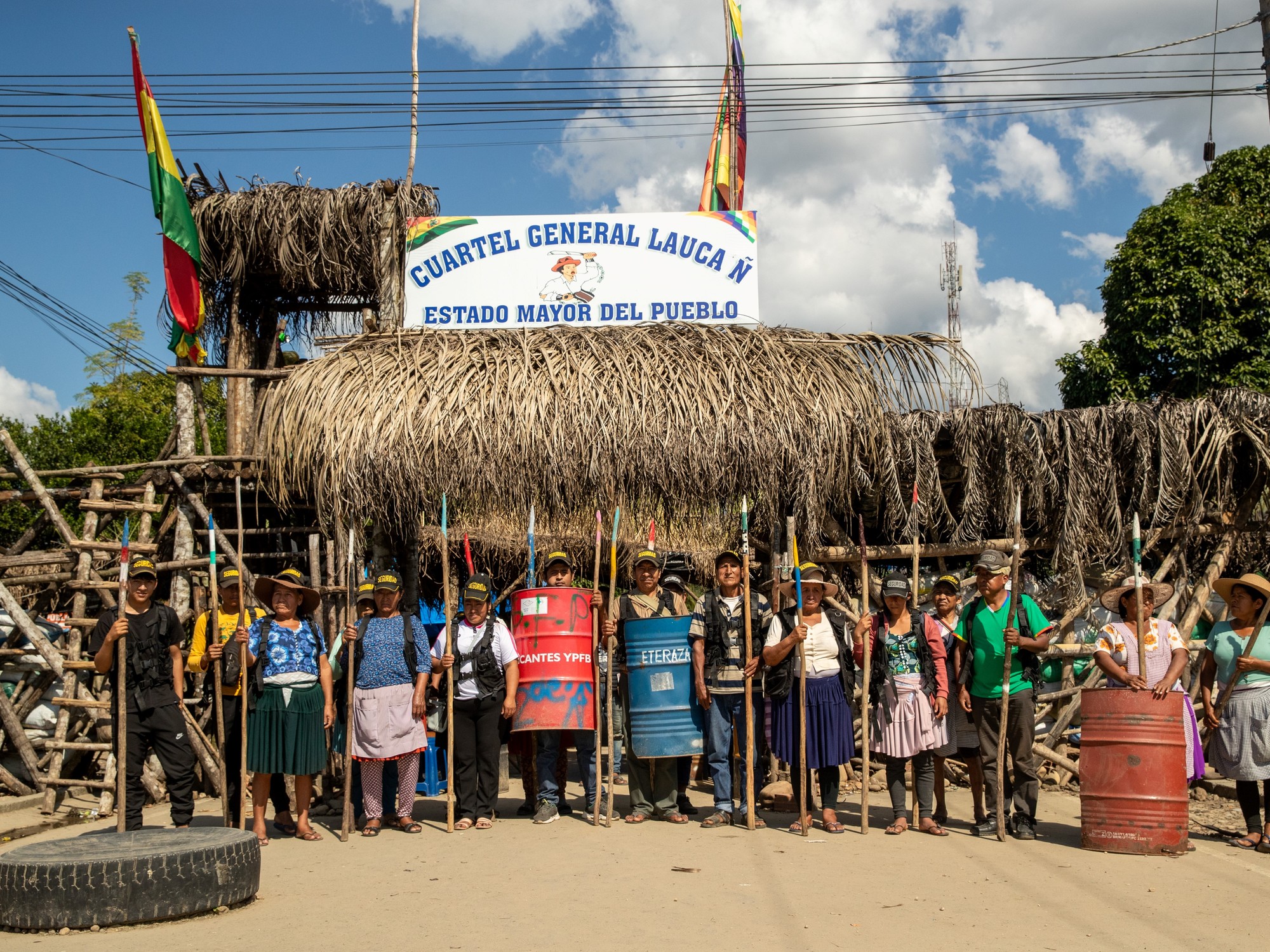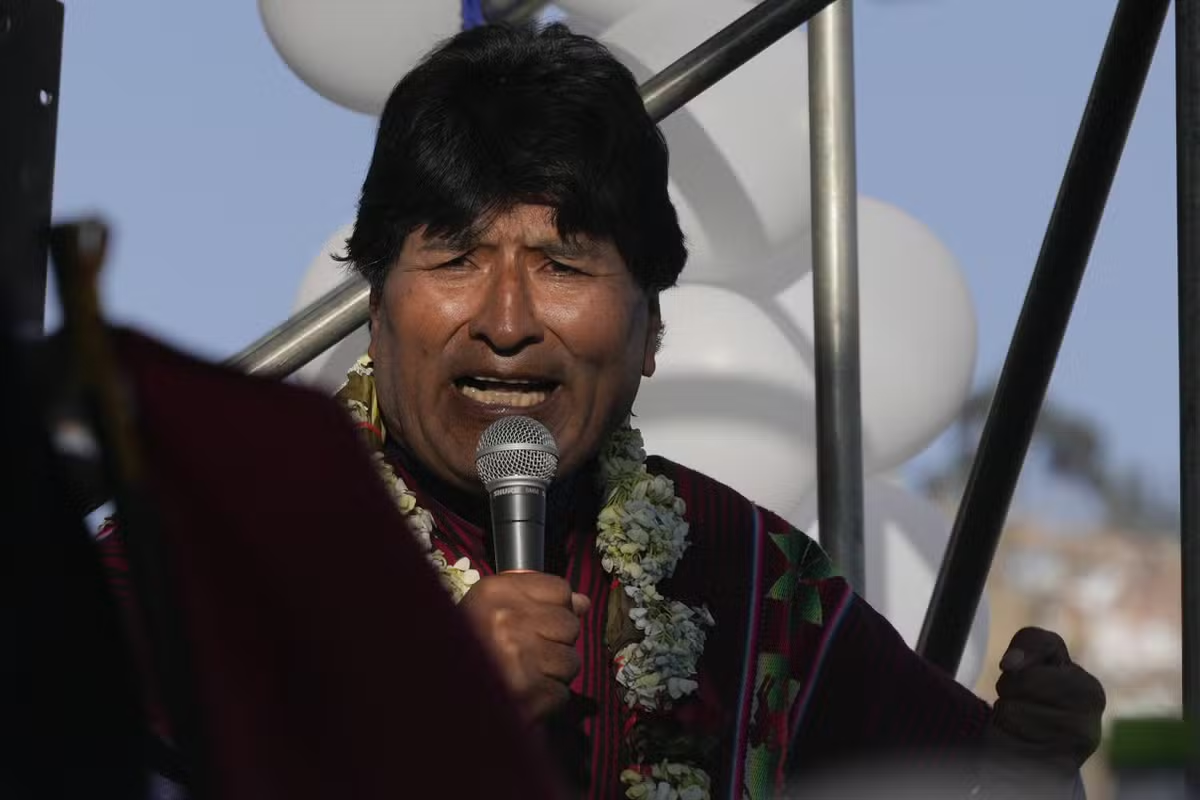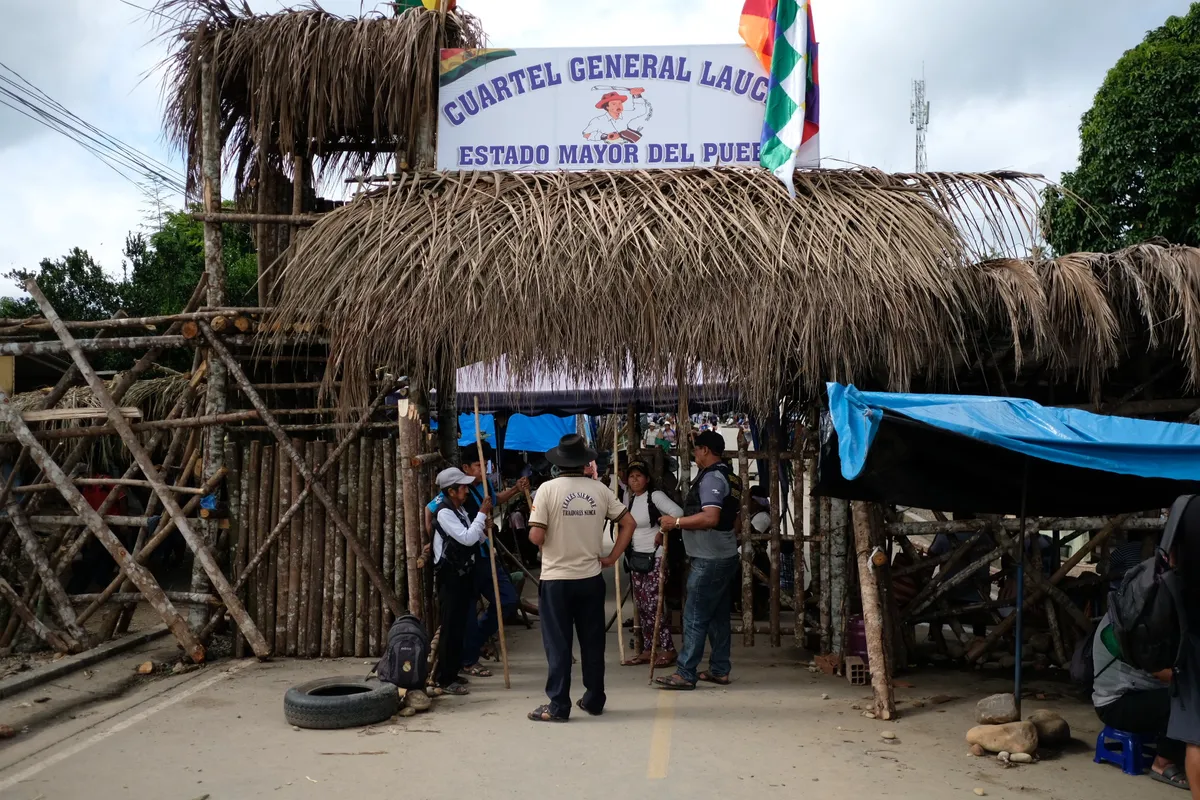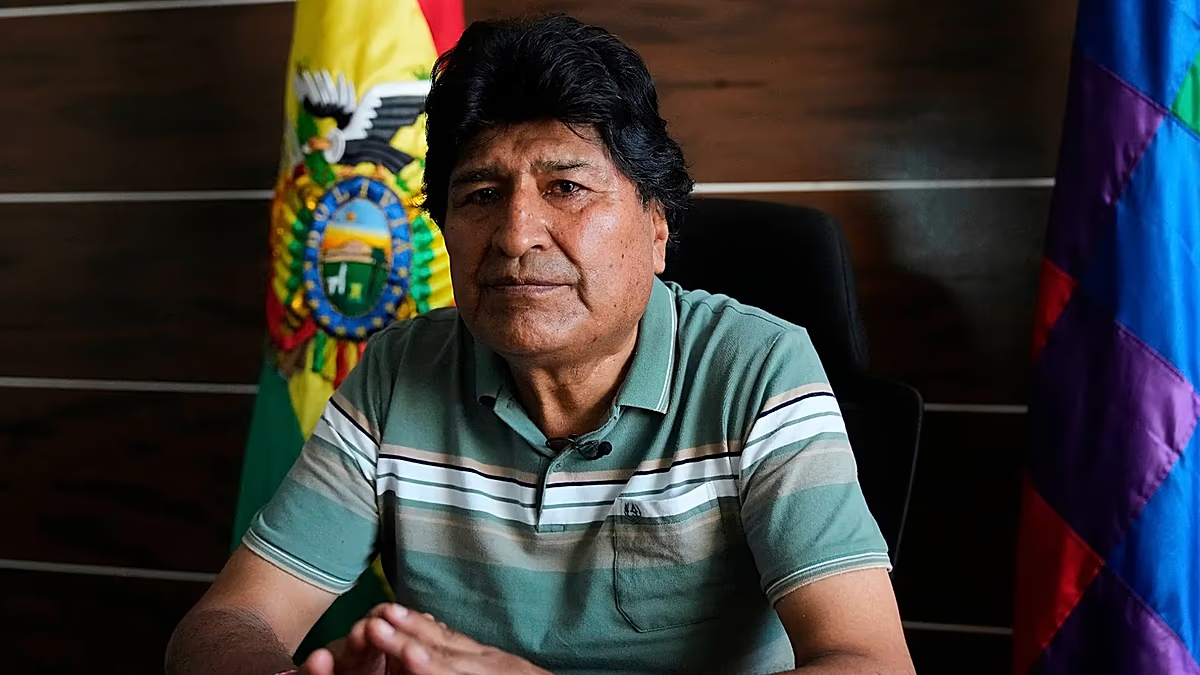
To reach Evo Morales, you must pass through several checkpoints, push deep into the Chapare jungle and find Lauca Eñe — a remote village in his historic stronghold of Cochabamba, where the former Bolivian president has been in hiding for weeks.
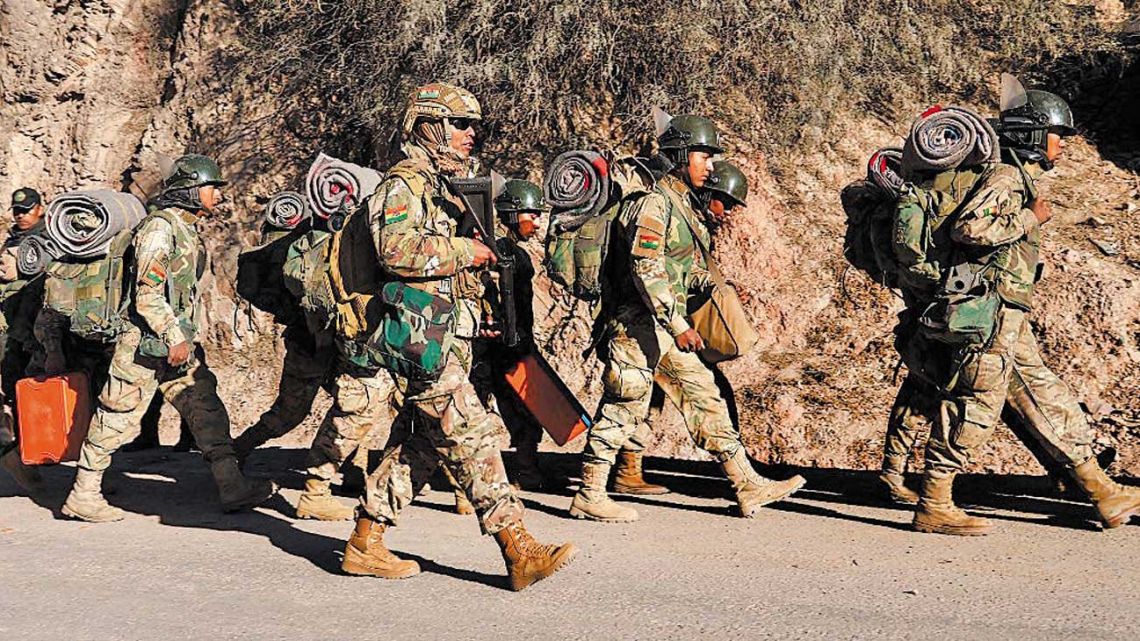
An arrest warrant hangs over him. Dozens of supporters, some of them armed, stand guard around his hideout. The country is living through one of its most turbulent political periods in decades: a standoff pitting Morales and his followers against the government of President Rodrigo Paz, which has threatened to move in and detain him.
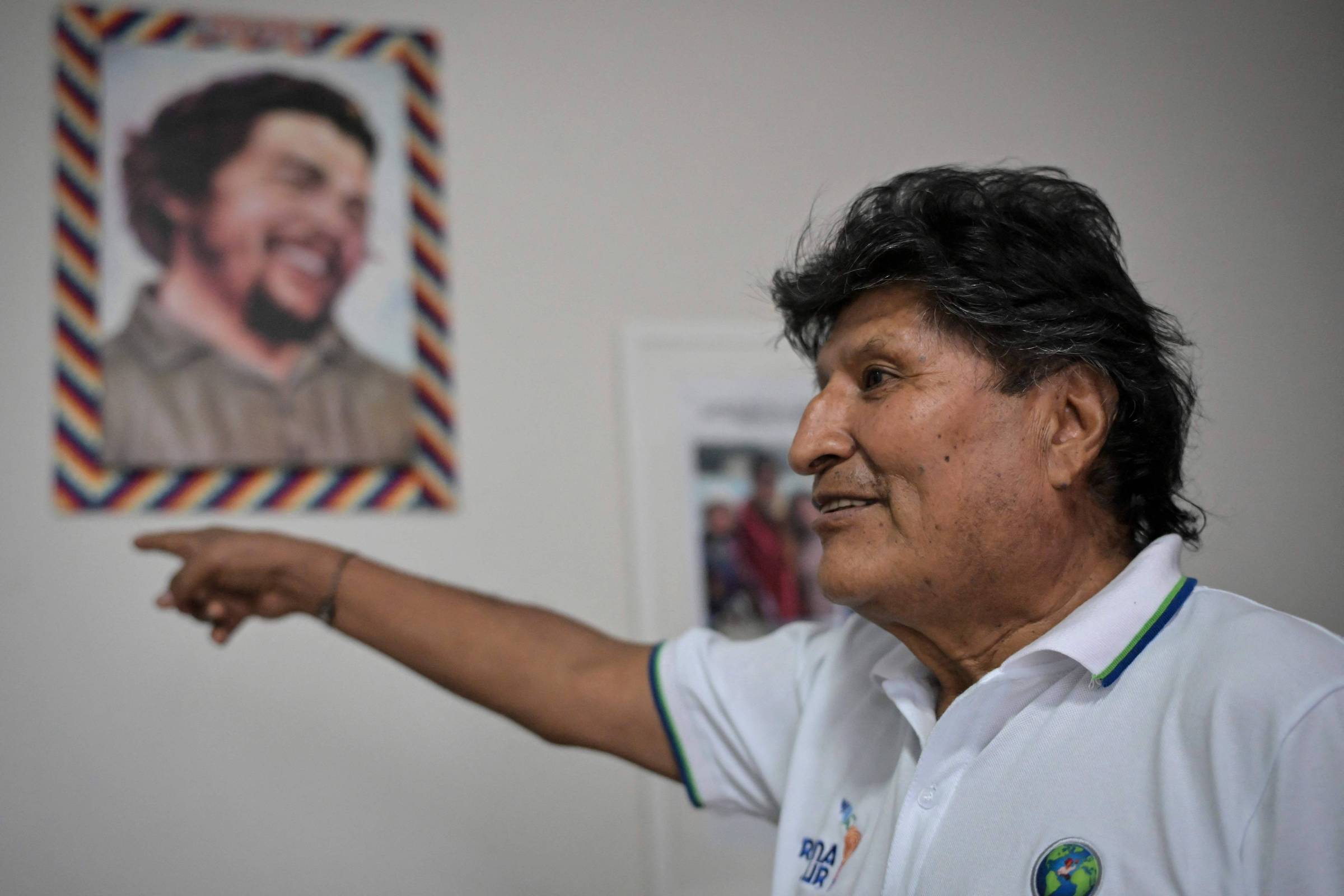
The former leader does not mince his words when asked whether he is considering turning himself in. "I am not going to surrender," he tells AFP, days after the government raised the possibility of sending forces into his stronghold to arrest him. "Anyone who negotiates over their own survival is not worthy," he adds.
Bolivia on the brink
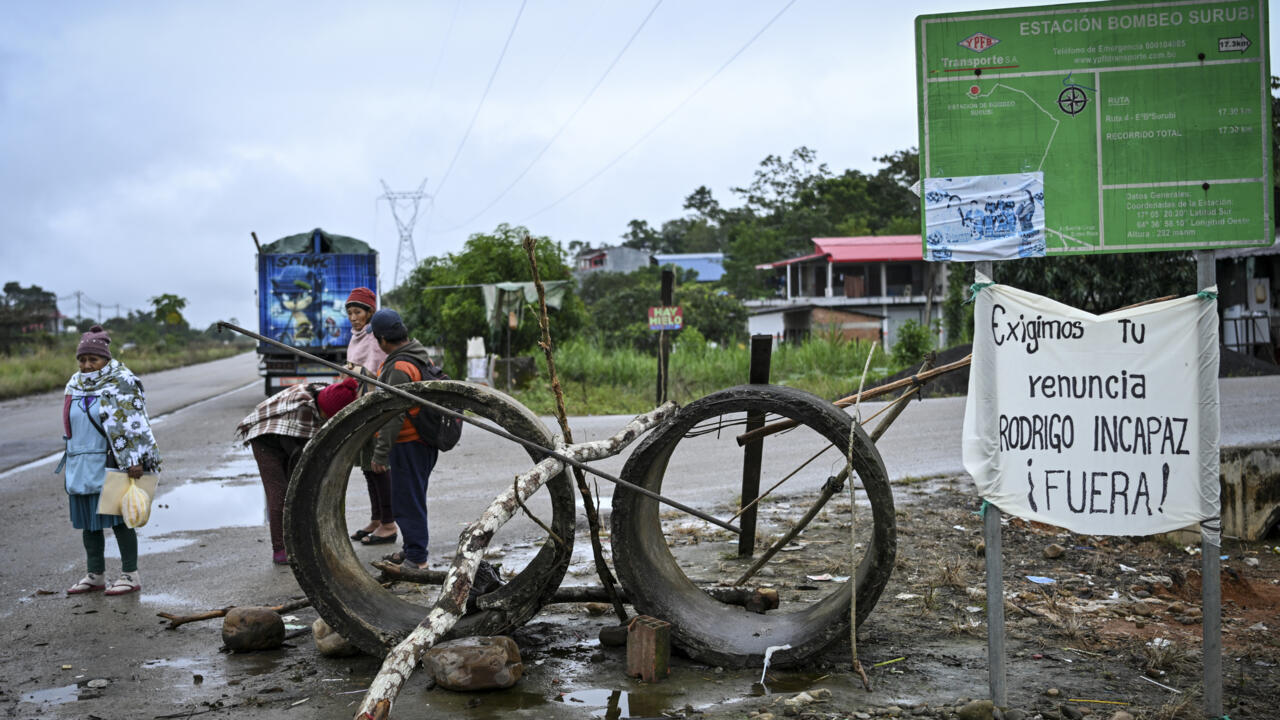
The backdrop is a country teetering on the edge. For seven weeks, Bolivia's main cities have suffered shortages of food, fuel and medicine as roadblocks paralysed the centre-right government of Rodrigo Paz — whose resignation has been demanded by trade unions and Indigenous organisations alike.