This content was published on
June 24, 2026 - 12:05
5 minutes
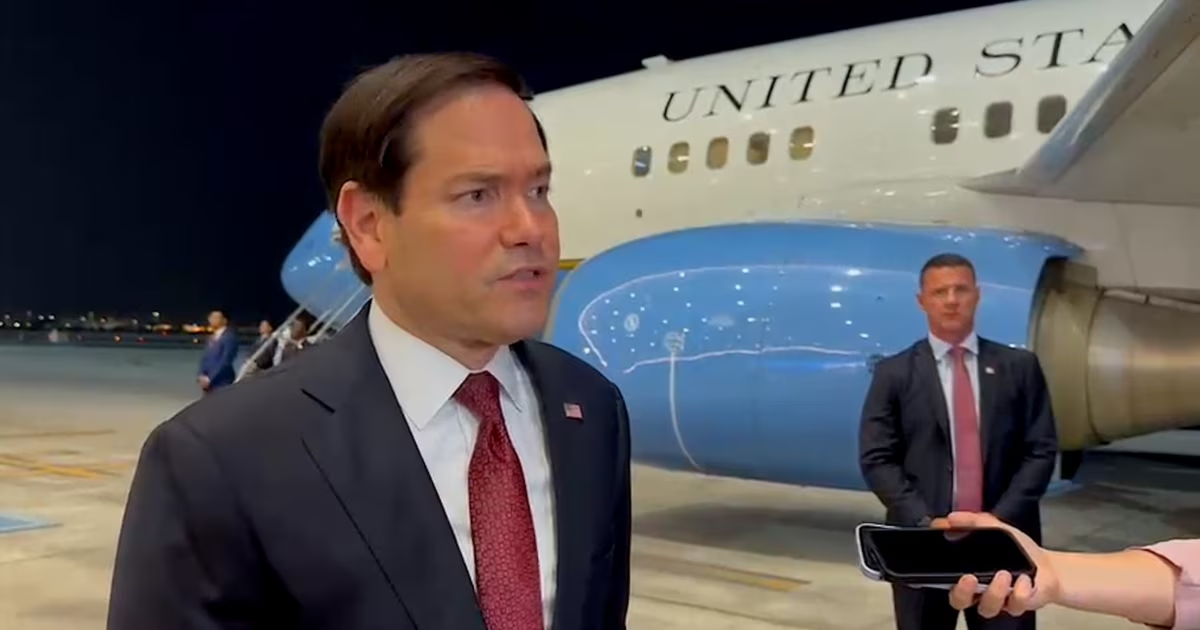
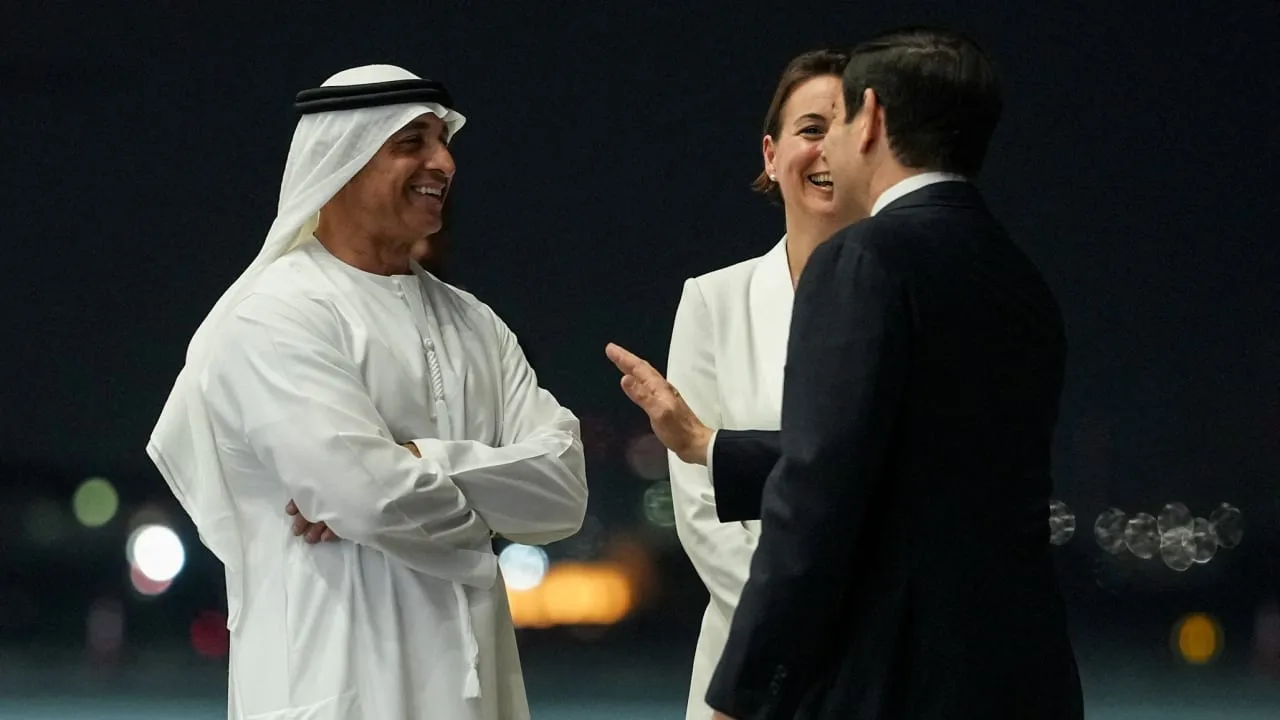
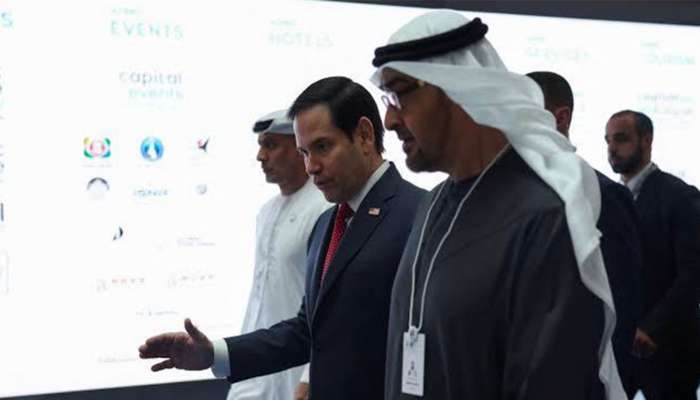
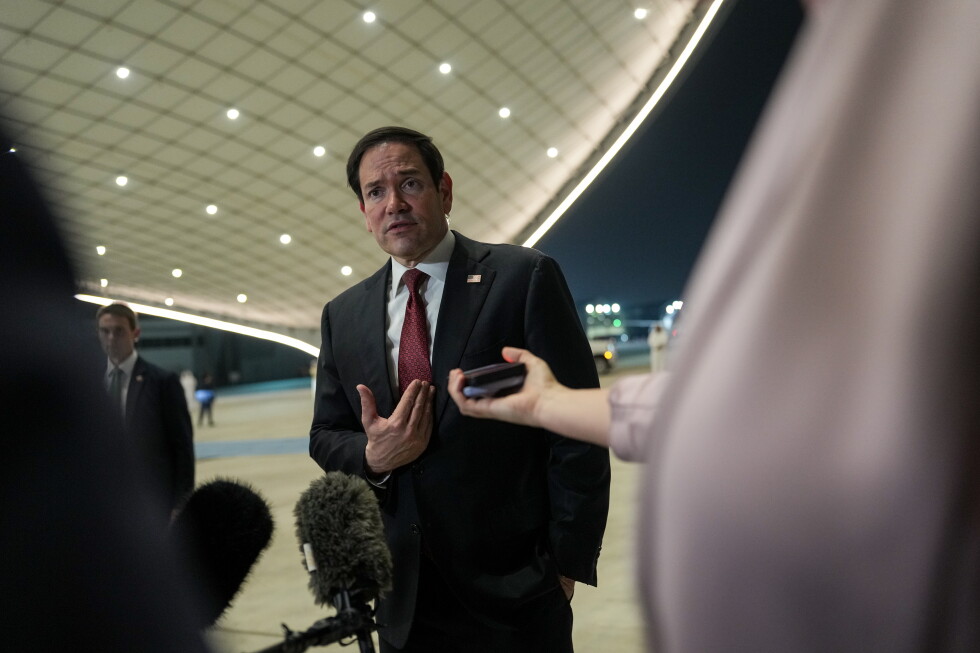
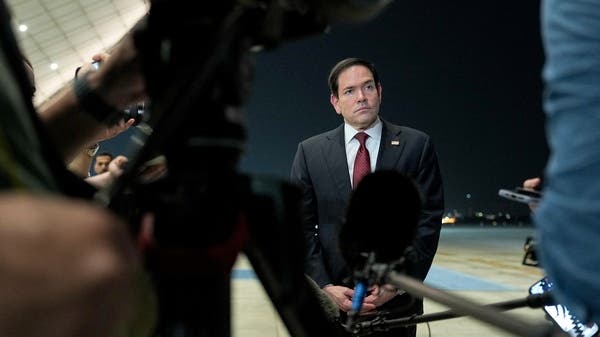
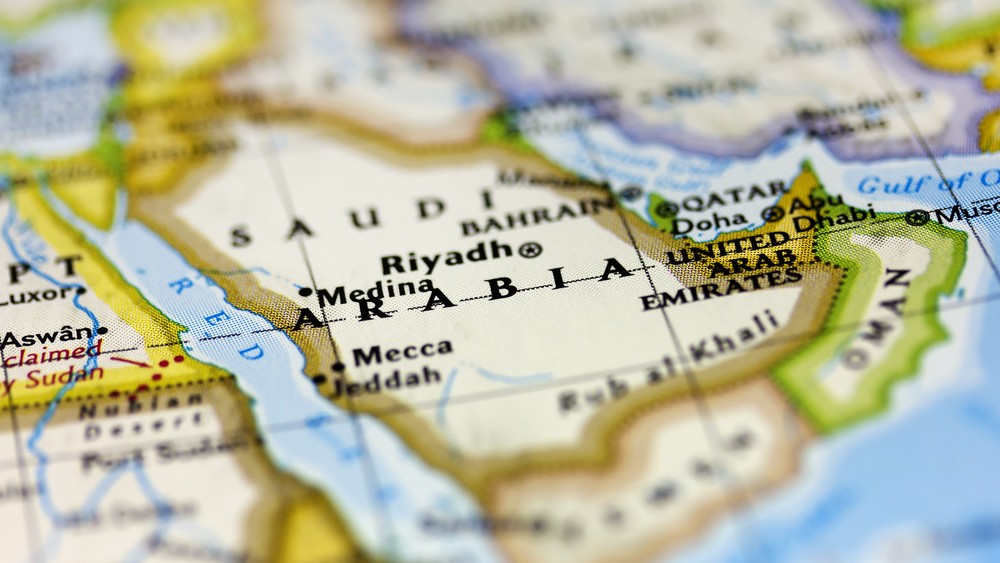
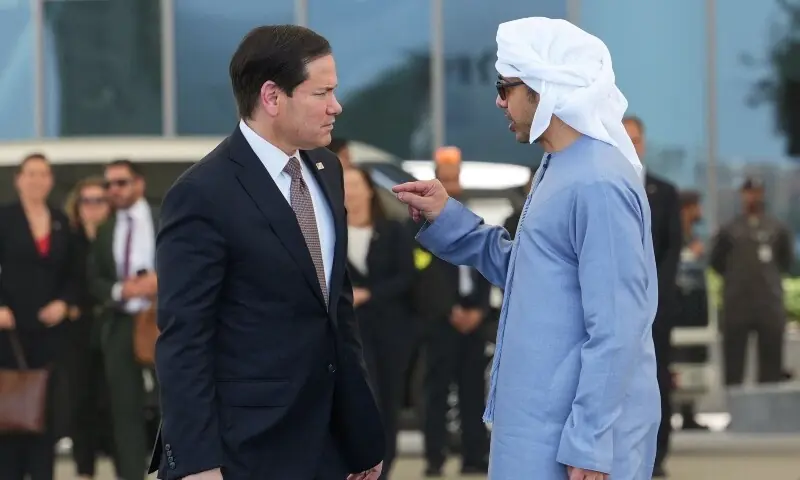
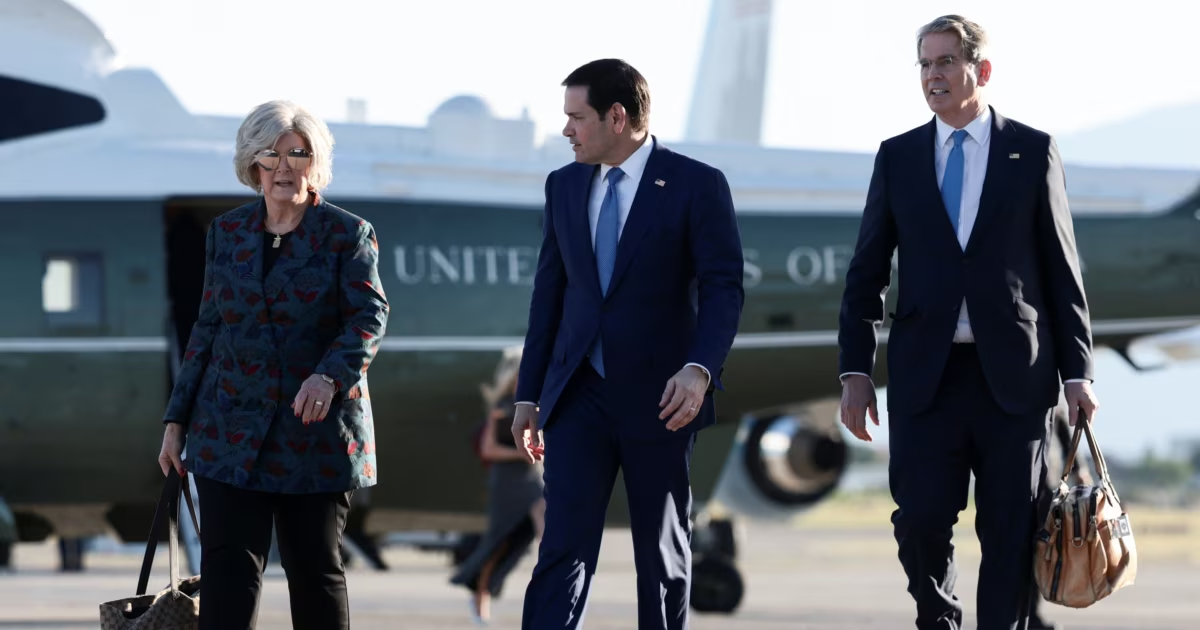
(Bloomberg) — US Secretary of State Marco Rubio met United Arab Emirates President Sheikh Mohamed bin Zayed Al Nahyan in Abu Dhabi on Wednesday, as he looks to assure Gulf allies of the strength of an interim peace agreement with Iran.Rubio is also scheduled to travel to Kuwait and Bahrain, visits that come after US-Iran negotiations to secure a more formal resolution to their near four-month war got underway in Switzerland.An initial round of discussions has been completed and further talks are set to take place next week, according to a foreign ministry spokesperson in Pakistan, a key mediator.Rubio’s meetings are taking place after a day of claims and counter-claims about the progress of the negotiations.President Donald Trump said Tehran will only be able to use billions of dollars of funds released from frozen accounts to buy food and medical supplies from the US, and that the Islamic Republic had agreed to allow International Atomic Energy Association inspections of its nuclear sites.Iran contradicted both statements, the latest example of the two sides making conflicting claims about key issues at the start of what’s slated to be a 60-day negotiation period.The back-and-forth runs alongside growing criticism in the US of the war, which triggered a surge in global energy prices as a result of Iran closing the critical Strait of Hormuz waterway.The Republican-led Senate voted Tuesday to end the conflict, in a rare symbolic rebuke of Trump. While the resolution is unlikely to force any changes in the administration’s strategy, it represents the latest sign that the president’s approach lacks domestic support.Trump responded in a social media post the Senate had “decided to have a poorly timed and meaningless War Powers Act Vote,” at a moment when he had Iran on the ropes, “ready to go down for the fall,” and “willing to give us practically anything.”“These Senators have just made my job more difficult, but I will get it done, one way or the other,” he wrote.Iran and Oman, meanwhile, said they’ll begin work on finding an agreement over the future administration of the Strait of Hormuz, including the cost of managing transit. That’s heightened concerns among traders and shipowners over the prospect of tolling.The industry has warned such fees would break with international maritime law and set a dangerous precedent that could be mirrored in other waterways.“No country is allowed to charge tolls or fees on an international waterway,” Rubio said on arrival in Abu Dhabi on Tuesday. “That’s the way we expect it’ll be here.”For now, more ships are transiting the strait with their satellite signals switched on, pointing to growing confidence about sending vessels through the world’s most important energy chokepoint.Oil prices extended declines on Wednesday, with Brent trading 2% lower at $75.50 a barrel. That’s down from a high of around $125 in late April and now approaching pre-war levels.Another outstanding issue is Israel’s war with Iran-backed Hezbollah in Lebanon, which Iran has said must end for any permanent deal to be agreed. Israel says it needs to maintain a military presence in southern Lebanon to protect its northern communities from the militant group, a stance Iran cites as a breach of the interim agreement.A fifth round of US-mediated talks between Israel and Lebanon is taking place in Washington this week. Discussions have been complicated by the terms of the US-Iran deal, according to Israel’s ambassador to the United Nations, Yechiel Leiter.Israel sees the disarmament of Hezbollah and its withdrawal from south Lebanon as a baseline for discussions, the ambassador said in a written statement.“Let me be clear: Israel will act against both immediate and emerging threats to its citizens and soldiers,” Leiter said.Trump’s comments on the state of the Iran negotiations underscore the US president’s defensiveness over the deal as it draws criticism, including from defense hawks in his own party.His insistence that released funds will be spent on US agricultural products could appeal to farmers, a key Republican constituency, ahead of November’s midterm elections.Some critics of the memorandum of understanding signed last week fear the Islamic Republic instead will use the money to rebuild its armed forces and continue to support militant groups such as Hezbollah.Iran says $12 billion of its frozen funds are set to be released in two equal installments, according to a report by the Mehr news agency that cited Deputy Foreign Minister Kazem Gharibabadi. The US is yet to confirm how much the Islamic Republic will get.©2026 Bloomberg L.P.