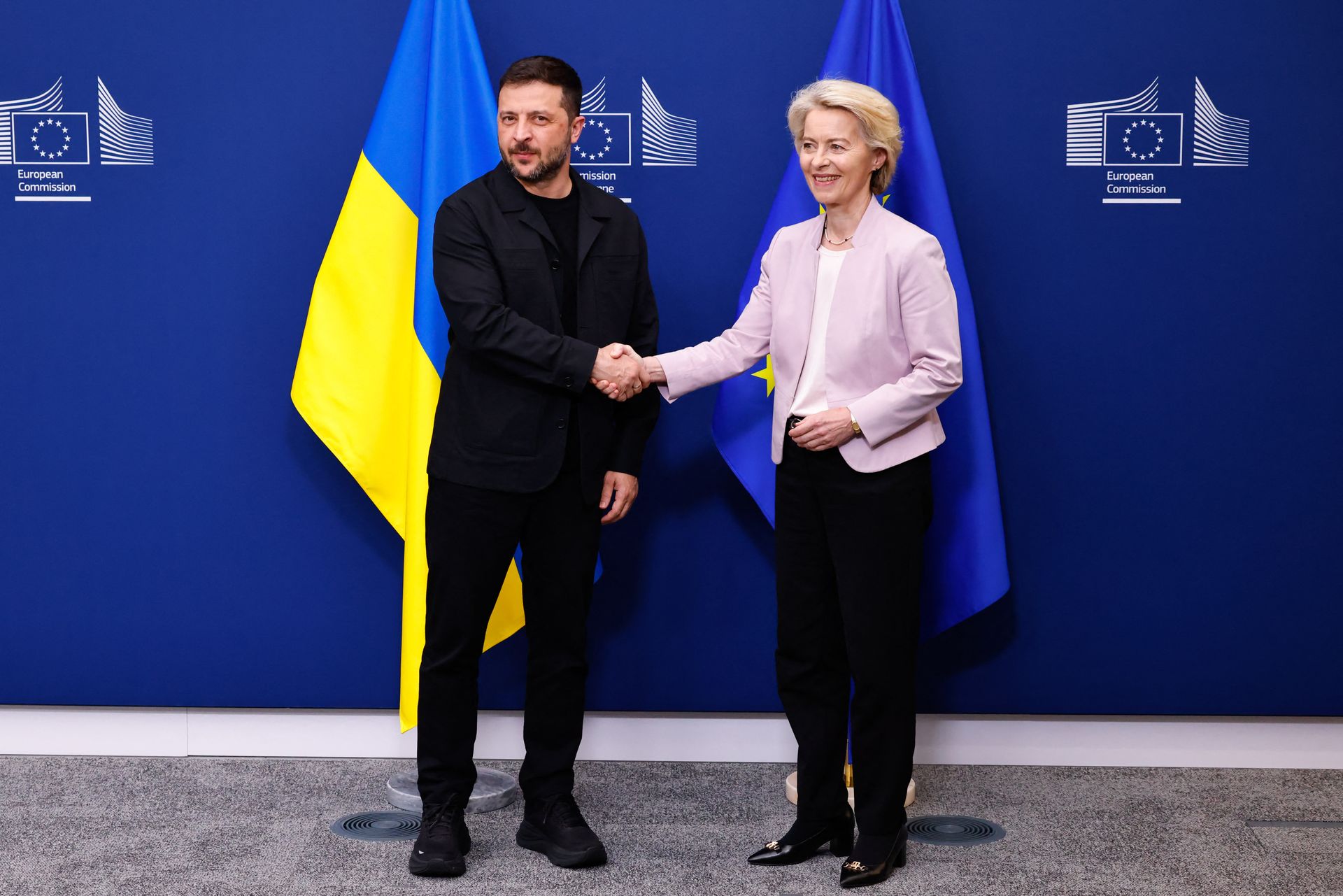
On June 15, Brussels officially opened the first accession-negotiation cluster with Ukraine and Moldova. Dubbed “Fundamentals,” it covers democracy, the rule of law, anti-corruption measures, public procurement, and other core areas. The news was welcomed in Ukraine – and received very differently in Russia, which still claims not to “oppose Ukraine’s EU integration.”JOIN US ON TELEGRAMFollow our coverage of the war on the @Kyivpost_official. But Kyiv’s central challenge remains the same: judicial reform. Instead of moving steadily forward, Ukraine’s judiciary appears trapped in a struggle between old and new elites. The Supreme Court and the lawmakers play a crucial role in that fight. What Ukraine has achieved Before Russia’s full-scale invasion in 2022, Ukraine had already created several anti-corruption and judicial institutions, many with significant international involvement. These include the National Anti-Corruption Bureau of Ukraine (NABU), Specialized Anti-Corruption Prosecutor’s Office (SAPO), the High Anti-Corruption Court (HACC), and, more recently, the renewed High Council of Justice (HCJ). Some of these reforms were among the key conditions for Ukraine’s visa-free regime with the Schengen area, introduced in 2017. After the 2019 election, which brought President Volodymyr Zelensky to power, the pace of reform slowed, becoming even more sluggish during the COVID-19 pandemic. However, the situation changed dramatically in 2022.
Ukraine’s EU Bid Overshadowed by Court Controversies
Unresolved judicial reforms and disputes within Ukraine’s legal system risk progress on EU accession.
1,677 words~8 min read